Imagine you’re eager to bring a splash of green into your home with indoor plants. You’ve got the pots, you’ve picked out your favorite plants, and now you’re wondering—can you use garden soil for your indoor potted plants?
It’s a question many plant lovers ask, and understanding the answer could mean the difference between thriving plants and wilting leaves. Using garden soil might seem like a simple solution, but it could be more complicated than it appears. You might think it’s all about just scooping dirt from your backyard and filling your pots, but there’s more to it.
Garden soil can hide challenges that could affect your indoor plants’ health. You’ll discover what makes garden soil different from potting soil, and why choosing the right soil matters for your indoor garden’s success. Keep reading, and you’ll equip yourself with the knowledge to make your plants flourish, ensuring they bring beauty and freshness into your space. Don’t let your plants suffer from a poor start; dive into the details and make your indoor gardening a triumphant journey.
Garden Soil Vs. Potting Mix
Garden soil can be too dense for indoor pots, limiting drainage and air circulation. Potting mix offers lightweight texture, ideal for indoor plants, ensuring roots receive essential nutrients and moisture.
Choosing between garden soil and potting mix for your indoor potted plants can be a bit of a conundrum. Each option carries its unique characteristics that can significantly impact the health and growth of your plants. Understanding these differences is crucial to making the best decision for your indoor garden.Garden Soil Characteristics
Garden soil, as the name suggests, is the soil found in your backyard. It’s rich in organic matter, hosting a variety of microorganisms beneficial for outdoor plants. However, it tends to be heavy and dense, which could lead to drainage issues for your indoor pots. Imagine trying to grow a delicate houseplant in a compact garden soil; the roots might struggle to spread and breathe.Potting Mix Advantages
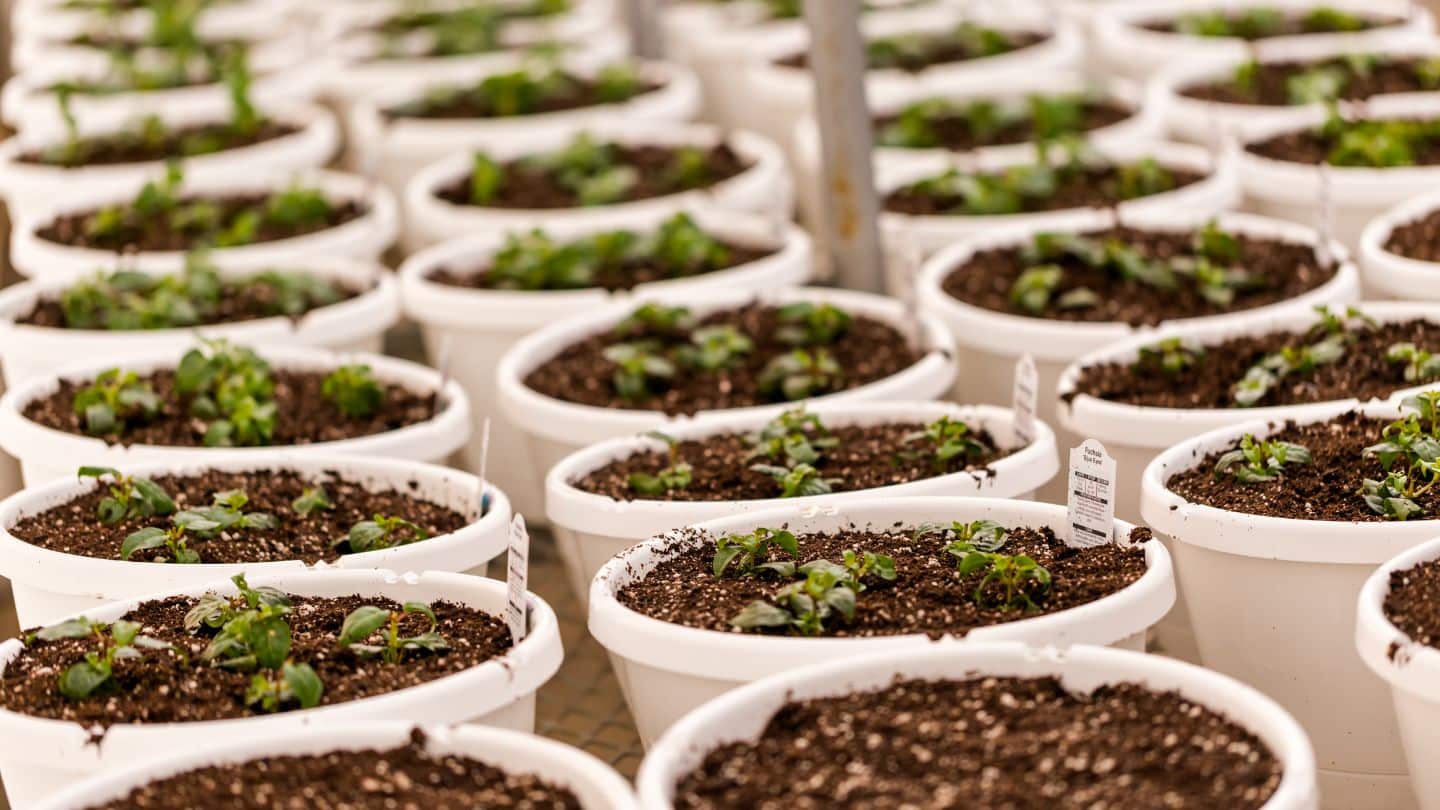
Potting mix, on the other hand, is specifically designed for potted plants. It’s lightweight and often contains components like peat moss, perlite, and vermiculite to ensure optimal aeration and drainage. This mix is sterile, meaning it’s free from pests and diseases, making it a safer choice for indoor plants. Have you ever noticed how your potted plants seem to thrive more when using potting mix? That’s because it caters to their unique needs.Comparing Costs And Availability
You might wonder about the cost difference between these two options. Garden soil is easily accessible and generally cheaper since you can scoop it directly from your garden. Potting mix, though pricier, is an investment in the well-being of your indoor plants. Consider the convenience as well; potting mix is readily available in gardening stores, tailored for immediate use without extra preparation.Suitability For Indoor Plants
Think about what your indoor plants truly need. They thrive in environments where roots can easily spread, and excess water can quickly drain away. Garden soil might deprive them of these conditions, potentially causing root rot. Potting mix offers a balanced environment, ensuring your indoor plants grow robustly and healthily.Diy Approach: Mixing Your Own
If you’re feeling adventurous, you can create your own potting mix by blending garden soil with perlite or sand for better aeration. This DIY approach allows you to customize the mix to suit your plants’ specific needs. Would you be willing to experiment and tailor the soil for your green friends? The results might surprise you! By understanding these differences, you can confidently decide which option best suits your indoor potted plants, ensuring they thrive in your home environment.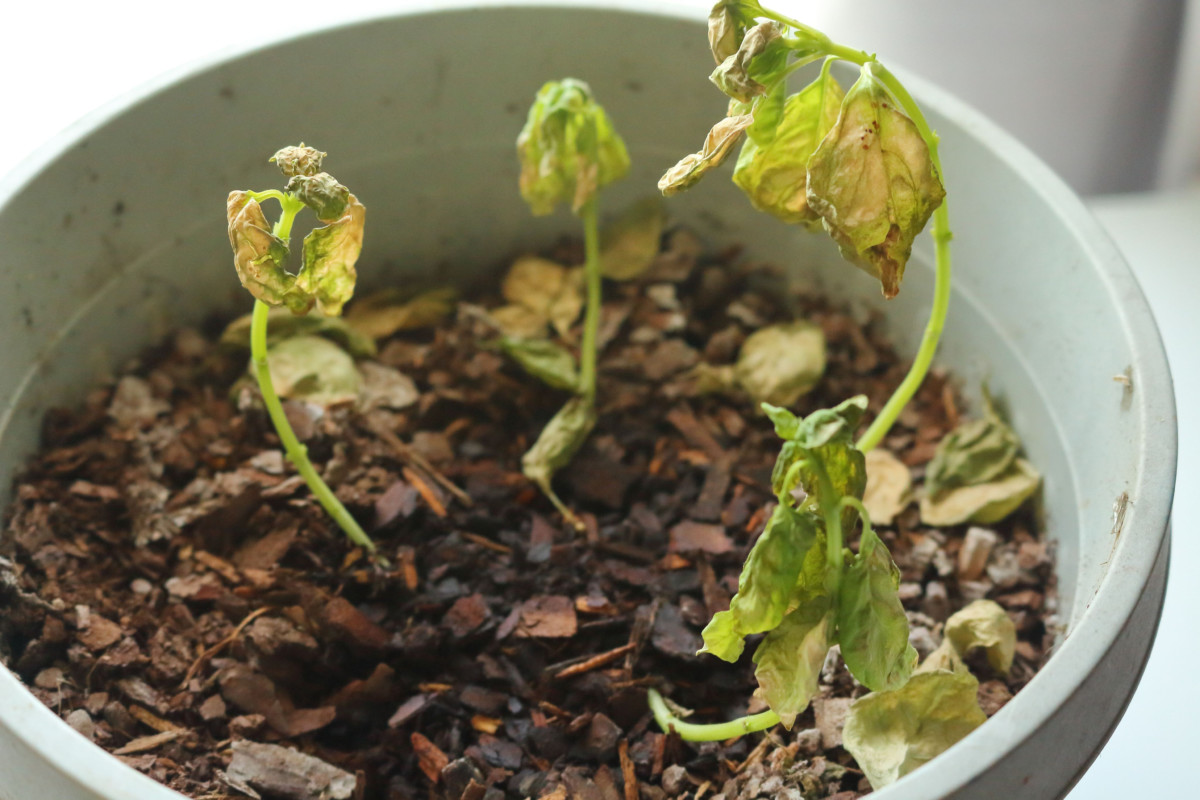
Credit: www.ruralsprout.com
Challenges Of Using Garden Soil Indoors
Using garden soil indoors presents challenges like poor drainage and potential pests. It often compacts in pots, suffocating roots.
Garden soil might seem like a convenient choice for indoor plants, but it comes with challenges. This soil is not designed for indoor environments. Understanding these challenges helps in making better gardening decisions. Here are some reasons why garden soil may not be ideal for your indoor plants.Drainage Issues
Garden soil often retains too much moisture. It lacks the drainage needed for indoor pots. Plants can suffer from root rot due to waterlogged soil. Indoor pots require soil that drains quickly. This prevents water from sitting at the bottom. Without proper drainage, plant roots cannot breathe.Compaction Problems
Garden soil tends to compact over time. Compaction restricts root growth in potted plants. It makes it difficult for roots to absorb nutrients. Indoor plants need loose soil for healthy growth. Compacted soil reduces aeration around the roots. This leads to poor plant health and stunted growth.Pest And Disease Risks
Garden soil can harbor pests and diseases. Bringing this soil indoors increases the risk of infestations. Pests can damage your indoor plants. Diseases in garden soil can spread to healthy plants. Sterilized potting mix is a safer choice for indoor gardening. It minimizes the risk of pests and diseases.Benefits Of Potting Mix For Indoor Plants
Choosing the right potting mix for indoor plants is crucial. It impacts plant health and growth. Potting mix offers several advantages over garden soil. Let’s explore these benefits.
Optimal Aeration
Potting mix ensures proper air flow around roots. It contains materials like perlite and vermiculite. These keep the mix light and airy. Good aeration helps roots breathe easily. This prevents root rot and promotes healthy growth.
Moisture Retention
Potting mix retains moisture effectively. It has ingredients like peat moss and coconut coir. These components hold water without waterlogging. Plants get consistent moisture, reducing the need for frequent watering.
Nutrient Balance
Potting mix provides a balanced nutrient supply. It often comes enriched with essential nutrients. This supports plant development and overall health. The mix can be customized to suit specific plant needs. Garden soil might lack this balance, affecting plant vitality.
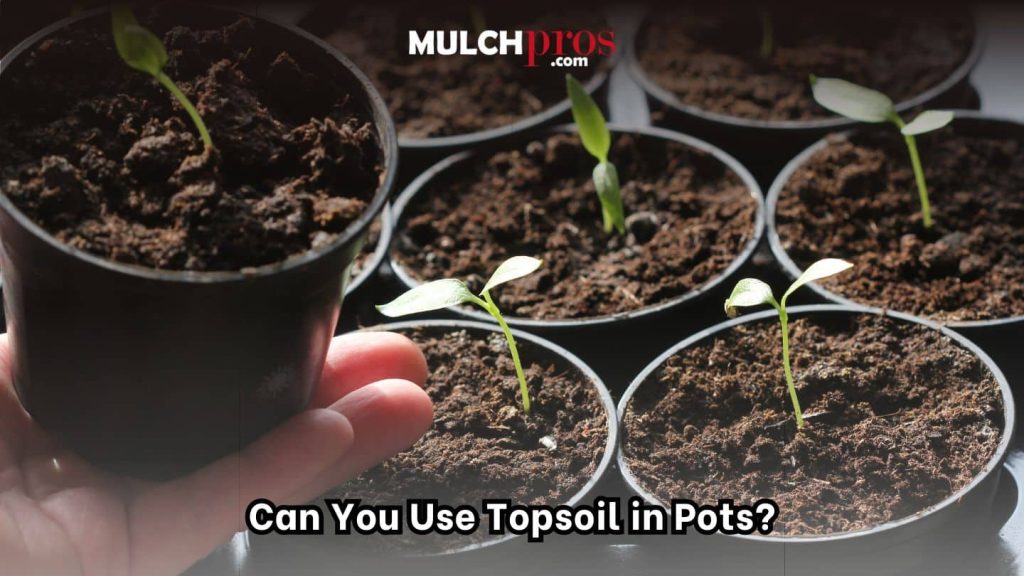
Credit: mulchpros.com
Improving Garden Soil For Indoor Use
Garden soil can be used for indoor potted plants with proper adjustments. Adding compost enhances nutrients and improves texture. Sterilizing soil prevents pest issues, ensuring healthy plant growth indoors.
Improving garden soil for indoor use can enhance plant health. Regular garden soil is often too dense for indoor plants. It might not provide the right nutrients. Making garden soil suitable involves a few simple changes. These adjustments can help your potted plants thrive inside your home.Adding Perlite Or Vermiculite
Perlite and vermiculite help improve soil structure. They make the soil lighter and airier. This allows roots to breathe better. Perlite is a volcanic rock that keeps moisture. Vermiculite is a mineral that holds water and nutrients. Both reduce the risk of root rot. Mix them into garden soil to help indoor plants grow well.Incorporating Organic Matter
Organic matter boosts soil fertility. It adds nutrients that plants need. Compost and peat moss are great choices. They improve soil texture and drainage. Compost enriches soil with essential minerals. Peat moss keeps moisture without waterlogging. Blend organic matter with garden soil for healthier indoor plants.Sterilizing Soil
Sterilizing soil removes harmful pathogens. It protects plants from diseases. Use heat or chemicals to sterilize soil. Heating in an oven kills bacteria and pests. Chemical sterilizers can also be effective. Make sure soil cools before using it indoors. Sterilized soil gives plants a safe growing environment.Diy Potting Mix Recipes
Garden soil often lacks the drainage needed for indoor plants. DIY potting mixes offer better aeration and nutrients. Enhance plant health by mixing peat moss, perlite, and compost.
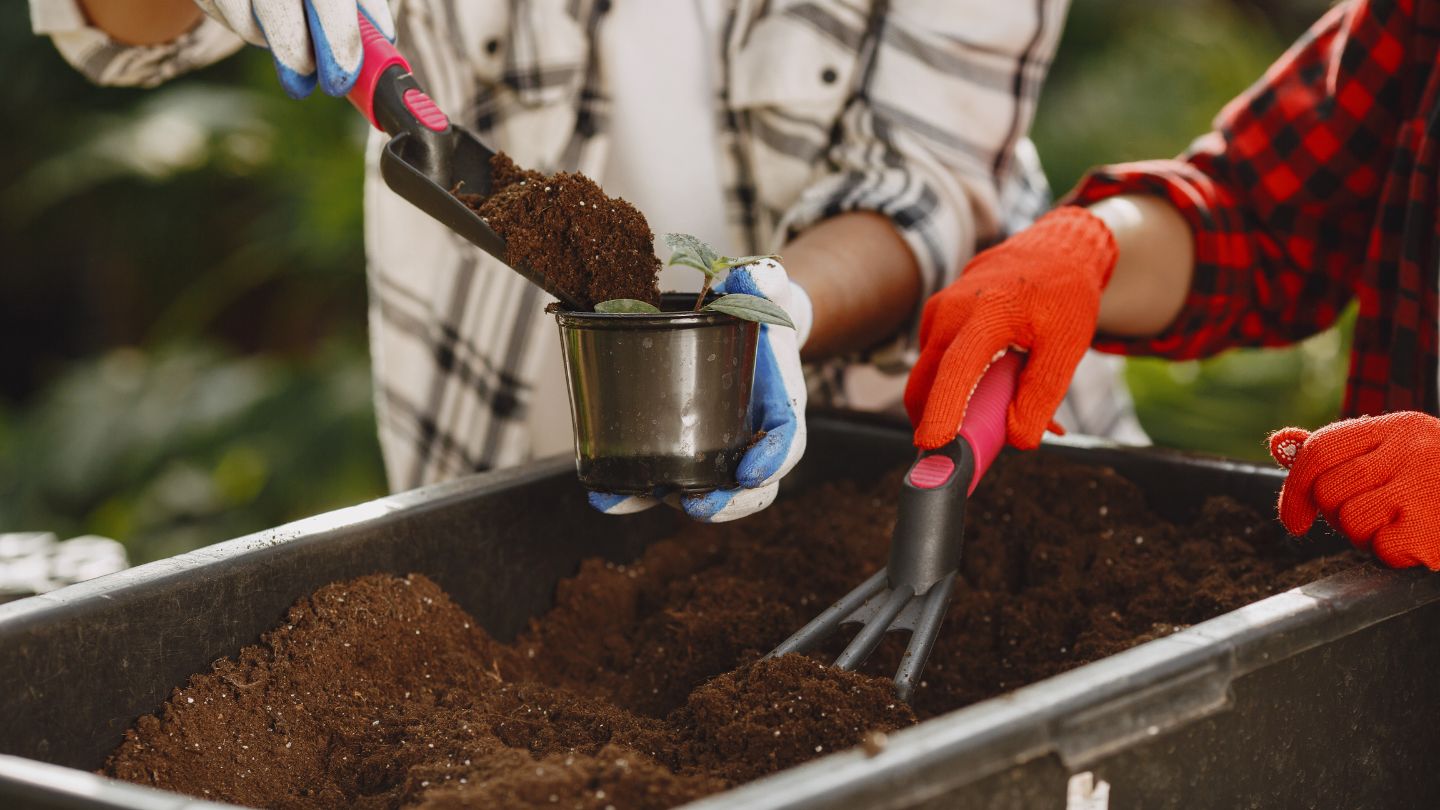
Creating your own potting mix at home can be fun and rewarding. It allows you to tailor the soil to your indoor plants’ specific needs. This not only saves money but also ensures healthy plant growth. Explore these simple DIY potting mix recipes for various plant types.Basic Potting Mix
A basic potting mix works well for most houseplants. It provides essential nutrients and good drainage. To make it, combine:- 2 parts peat moss or coco coir
- 1 part perlite or coarse sand
- 1 part vermiculite or compost
Cactus And Succulent Mix
Cacti and succulents need a gritty mix for quick drainage. This prevents root rot. Combine these ingredients:- 2 parts coarse sand or perlite
- 1 part potting soil
- 1 part small gravel or pumice
Herb And Vegetable Mix
Herbs and veggies thrive in nutrient-rich soil. They need a mix that retains moisture but drains well. Use these components:- 2 parts compost
- 1 part peat moss or coco coir
- 1 part perlite or vermiculite
Credit: mulchpros.com
Tips For Healthy Indoor Plants
Using garden soil for indoor potted plants can cause issues. It often lacks proper drainage and aeration. Choose a potting mix for better results.
Indoor plants thrive with the right care and attention. Simple adjustments can ensure their health and beauty. Here are some key tips to keep indoor plants healthy and vibrant.Regular Fertilization
Indoor plants need nutrients to grow well. Fertilize them regularly with a balanced fertilizer. Use a water-soluble fertilizer every two weeks during growing seasons. In winter, reduce fertilization frequency. Over-fertilizing can harm plants. Always follow the recommended dosage on the label.Appropriate Watering
Watering is crucial for plant health. Each plant has different water needs. Check soil moisture before watering. Stick your finger into the soil. If it feels dry, water the plant. Ensure pots have drainage holes to prevent waterlogging. Avoid letting plants sit in water. This can cause root rot.Monitoring Light Conditions
Light is essential for plant growth. Place plants in suitable light conditions. Some plants need bright, indirect light. Others thrive in low-light areas. Rotate plants occasionally for even growth. If natural light is insufficient, consider using grow lights. Adjust the distance based on plant needs.Frequently Asked Questions
Is Garden Soil Good For Indoor Plants?
Garden soil is not ideal for indoor plants. It might contain pests, diseases, or heavy clay, affecting plant health. Indoor potting mixes are designed to provide proper aeration, drainage, and nutrients tailored for indoor plants, ensuring their optimal growth and well-being.
Can I Mix Garden Soil With Potting Mix?
Mixing garden soil with potting mix is generally discouraged. Garden soil may compact easily, hindering root growth and drainage. Potting mix is formulated to support indoor plant needs, ensuring better aeration, moisture retention, and nutrient supply essential for healthy indoor plant development.
What Problems Arise Using Garden Soil Indoors?
Using garden soil indoors can lead to poor drainage, compaction, and pest infestations. It lacks the structure and nutrients needed for indoor plants, causing root rot or stunted growth. Opt for indoor potting mix to prevent these issues and promote healthier plant growth.
How To Improve Garden Soil For Pots?
Improving garden soil for pots requires amending it with organic matter, sand, and perlite. These additions enhance drainage, aeration, and nutrient availability. However, using a commercial potting mix is often more effective and convenient for indoor plants, ensuring optimal growth conditions.
Conclusion
Choosing the right soil matters for indoor potted plants. Garden soil might seem convenient, but it can cause problems. Poor drainage and pests are common issues. Opt for potting mix instead. It’s designed specifically for indoor use. Ensures better air flow and moisture control.
Your plants will thrive with the right mix. Healthier roots, vibrant leaves. Easier maintenance and fewer worries. Always check plant needs before potting. Every plant is unique. Your attention to detail makes all the difference. Happy planting!