Picture this: you’re standing in the gardening aisle, staring at a bag of all-purpose garden soil. You’re tempted to use it for your indoor plants because, well, it’s right there and it seems convenient.
But is it really the best choice for your beloved indoor greenery? You might think, “Soil is soil, right? ” But hold on—before you make a decision that could affect the health of your plants, there’s more you should know.
The wrong soil can lead to wilting, poor growth, or even plant death. You wouldn’t want that, would you? We’ll delve into whether all-purpose garden soil is truly suitable for indoor plants. We’ll explore the differences between garden soil and potting mix, and why your plants’ health might depend on making the right choice. Stick around, because the knowledge you gain could transform the way you care for your indoor garden. After all, your plants deserve the best, and so do you.
Indoor Vs Outdoor Soil
Choosing the right soil is crucial for plant health. Indoor and outdoor soils serve different purposes. Understanding the differences ensures your plants thrive. Let’s explore how these soils differ.
Indoor Soil Characteristics
Indoor soil is light and airy. It drains well to prevent root rot. It often contains peat moss or perlite for aeration. This soil is designed for controlled environments.
Outdoor Soil Characteristics
Outdoor soil is dense and rich in nutrients. It can hold moisture longer. It’s suited for varied weather conditions. Outdoor soil supports plants exposed to the elements.
Why Indoor Plants Need Specific Soil
Indoor plants face limited light and humidity. They need soil that supports their growth. Proper drainage and nutrients are essential for indoor plants.
Potential Issues Using Outdoor Soil Indoors
Outdoor soil can harbor pests and diseases. It might compact easily, restricting roots. Poor drainage leads to waterlogged roots. This can harm indoor plants.
Benefits Of Using Indoor Soil
Indoor soil is sterile, reducing pest risks. It provides balanced nutrients for indoor growth. Its lightweight nature aids healthy root development.
Choosing The Right Soil For Your Indoor Plants
Consider plant type and environment. Choose soil that matches your plant’s needs. Look for soils designed for indoor conditions.
Components Of Garden Soil
All-purpose garden soil can be used for indoor plants, but adjustments may be needed. It typically contains a mix of organic matter, sand, and clay, which might not suit every indoor plant.
Understanding the components of garden soil is crucial when deciding if you can use it for indoor plants. Garden soil is a complex mix that can vary greatly depending on where it’s sourced. It’s typically designed to support outdoor plants, but what are the actual ingredients that make up this soil? Let’s take a closer look at its components.Organic Matter
Garden soil often contains a rich amount of organic matter, such as decomposed leaves, twigs, and other plant material. This organic content provides nutrients and improves soil structure, helping outdoor plants thrive. However, the decomposition process can be unpredictable indoors, potentially attracting pests and mold.Minerals
Minerals like sand, silt, and clay form the backbone of garden soil. These elements contribute to soil texture and drainage. While essential outside, indoors they may lead to drainage issues or compact soil that restricts root growth. Have you ever noticed your indoor plants struggling with compact soil? It might be the minerals at play.Microorganisms
Garden soil is teeming with microorganisms that break down organic matter and recycle nutrients. While beneficial outdoors, indoors they might not have the same effect, especially if the environment isn’t right. The presence of these microorganisms can sometimes lead to imbalances in indoor plant pots.Soil Ph
The pH level of garden soil varies, affecting nutrient availability. Outside, plants often adapt to this variability. Indoors, however, a mismatched pH can hinder nutrient absorption and stunt growth. Have you checked the pH of your indoor plant soil lately?Inorganic Additives
Garden soil might contain inorganic additives like fertilizers to boost plant growth. These can be beneficial, but indoors, they could lead to nutrient burn if not carefully managed. The precision needed indoors is often higher; are you confident in your soil management skills? Considering these factors can help you decide whether garden soil is suitable for your indoor plants. While some components might benefit your potted friends, others could pose challenges. Have you explored alternatives like indoor potting mixes? They might offer a more balanced environment for your plants.Suitability For Indoor Plants
Choosing the right soil for indoor plants is crucial. Not all garden soils are suitable for indoor use. Indoor plants need specific conditions to thrive. Understanding these needs can help ensure their healthy growth.
Drainage And Aeration
Indoor plants require well-draining soil. Garden soil often retains water, leading to root rot. Good drainage is essential for healthy roots. Aeration is also important. Compact soil can suffocate roots. Light and airy soil allows roots to breathe. Consider soil amendments for better aeration.
Nutrient Content
Garden soil may lack essential nutrients for indoor plants. Indoor plants often need balanced nutrients. Fertilizers can enrich nutrient-poor soil. Check if the soil has enough organic matter. Organic matter supports plant health and growth. Regularly assess nutrient levels for optimal plant care.
Credit: mulchpros.com
Potential Risks
Using all-purpose garden soil for indoor plants might seem like a convenient option, but it comes with potential risks that could affect the health of your indoor greenery. While outdoor soil is rich and often teeming with life, it’s precisely this abundance that can introduce challenges indoors. It’s important to weigh these risks carefully to make sure your plants thrive.
Pest Infestation
Garden soil is a haven for various pests. Imagine bringing your beautiful new fern inside, only to discover tiny, unwanted guests hitching a ride. Outdoor soil can harbor insects like ants, mites, or even worms. These pests can multiply quickly, especially in the warm, sheltered environment of your home. Are you ready to battle a sudden infestation?
Regularly inspect your plants and soil for signs of pests. Using sterile potting mix reduces the chance of introducing these critters. If you’ve ever dealt with a persistent pest problem, you know prevention is far easier than finding a cure.
Disease Transmission
Garden soil can carry diseases that might not affect outdoor plants significantly but can wreak havoc indoors. Fungal infections, bacterial blights, and other pathogens might be lurking in that soil. These diseases can spread rapidly, especially in the limited space of your home.
Consider the risk of introducing diseases that could not only harm your plants but also make your indoor garden a less inviting space. It might be tempting to use garden soil, but ensuring it’s disease-free is crucial. Regularly using sterilized soil can help protect your indoor oasis from these threats.
Alternatives To Garden Soil
All-purpose garden soil can be too dense for indoor plants, affecting their growth. Consider alternatives like potting mix, which offers better drainage and aeration, or coco coir for moisture retention. These options help indoor plants thrive without the risk of root rot.
If you’ve ever pondered whether garden soil is suitable for your indoor plants, you’re not alone. Garden soil, while great for outdoor environments, often falls short when moved indoors. It can compact easily, retain too much moisture, and may introduce pests to your home. Luckily, there are better alternatives designed specifically for the needs of indoor plants. Let’s dive into some of the best options available.Potting Mix
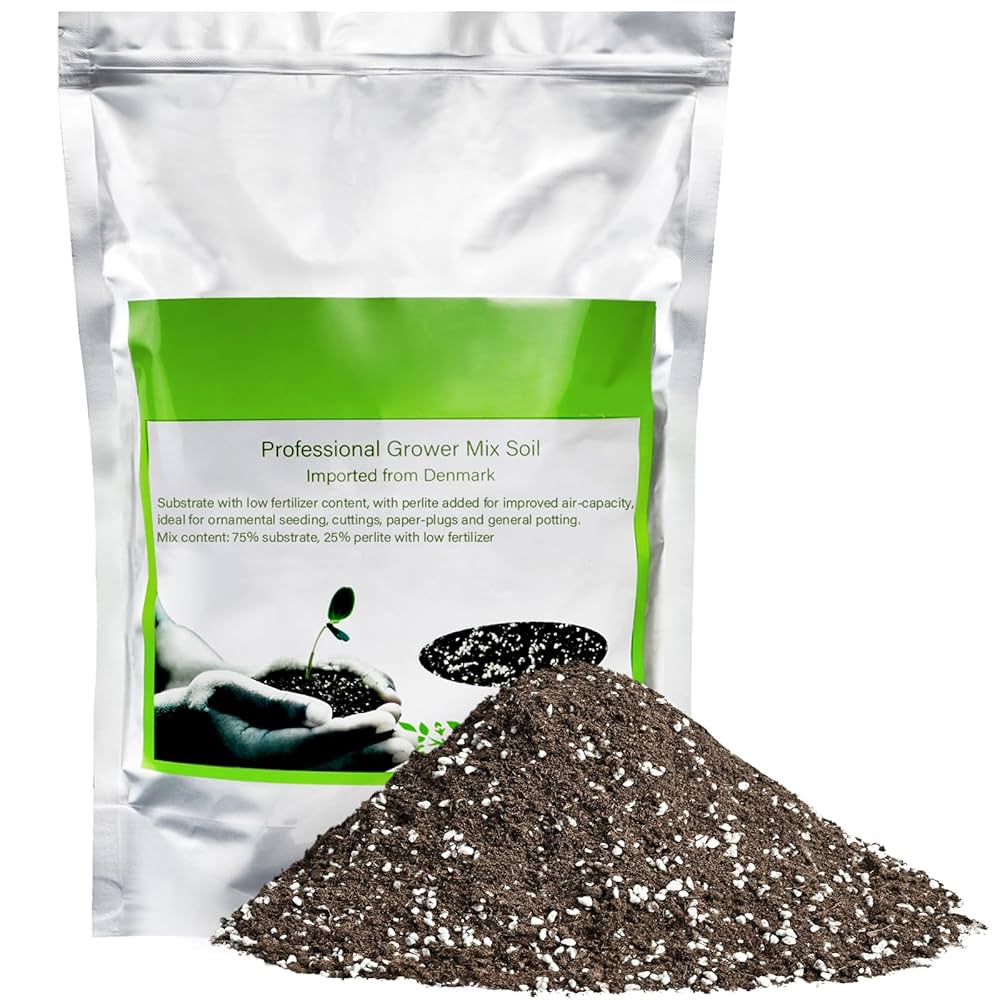
Potting mix is a top choice for indoor plants, offering a light and airy texture that promotes healthy root growth. Unlike garden soil, potting mix is specifically formulated to drain well, preventing the common issue of overwatering. When choosing a potting mix, look for one that includes ingredients like peat moss, perlite, or vermiculite. These components ensure your plants get the right balance of moisture and aeration. Have you ever noticed how your plants seem to thrive better with a good potting mix? That’s because the mix supports optimal growth conditions.Coco Coir
Coco coir is a sustainable alternative that’s gaining popularity among indoor gardeners. Made from coconut husks, this medium retains moisture well without becoming soggy. It’s an excellent choice if you’re looking to reduce your environmental footprint. Using coco coir can transform your indoor gardening experience. It’s easy to handle and holds nutrients effectively, making it a favorite for many plant enthusiasts. Have you ever considered the environmental impact of your gardening choices? Coco coir offers a way to nurture your plants while caring for the planet. Whether you’re a seasoned plant parent or just starting, these alternatives to garden soil can make a significant difference in the health and happiness of your indoor plants. Why not try them and see the results for yourself?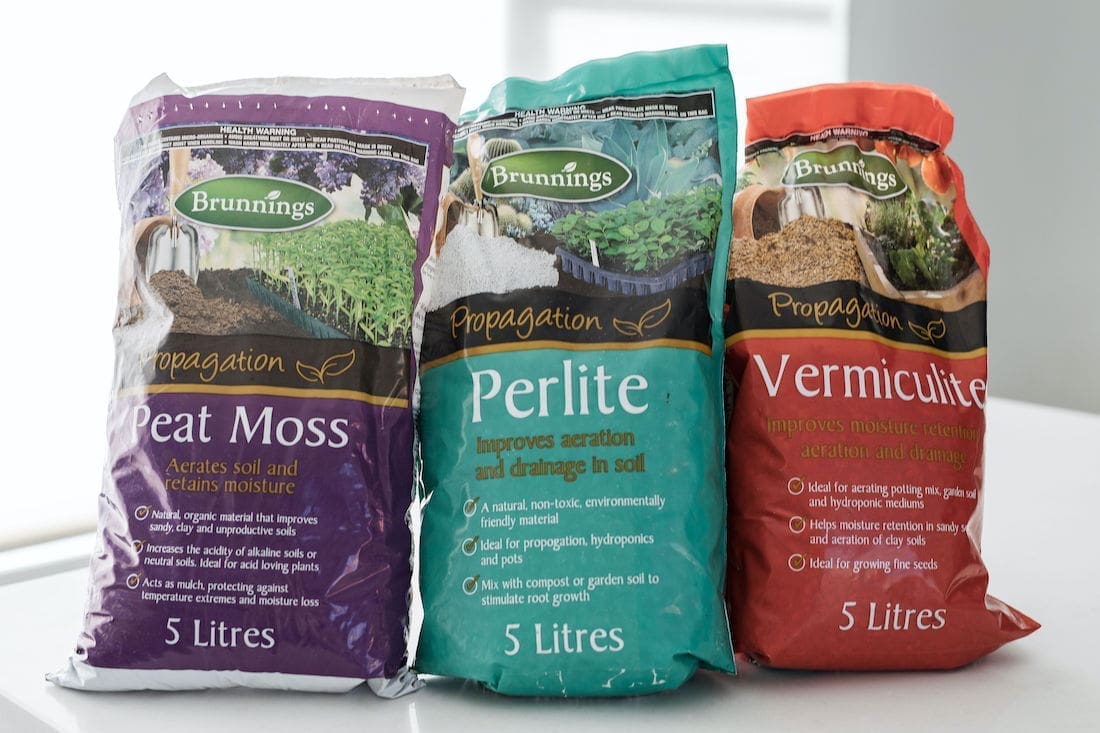
Credit: stylecurator.com.au
Tips For Successful Indoor Gardening
Creating a thriving indoor garden requires attention to detail. Soil, water, and light are key factors. Each element plays a role in plant health. Let’s explore some essential tips for indoor gardening success.
Choosing The Right Soil
Indoor plants need soil that drains well. All-purpose garden soil might not work well. It can be too heavy and retain too much water. Use potting mix instead. It’s lighter and drains better. Look for mixes with peat moss or perlite. These ingredients help with aeration.
Proper Watering Techniques
Watering needs vary for each plant. Overwatering can harm plants. Check soil moisture with your finger. If dry, it’s time to water. Use room temperature water. Cold water can shock the plant roots. Ensure pots have drainage holes. This prevents water from pooling.
Credit: rosysoil.com
Frequently Asked Questions
Is Garden Soil Suitable For Indoor Plants?
Using garden soil for indoor plants isn’t ideal. Garden soil may contain pests and pathogens. It can also compact easily, restricting root growth and drainage. Indoor plants need specific nutrients and conditions that garden soil may not provide. It’s better to use a potting mix designed for indoor plants.
Can I Improve Garden Soil For Indoor Use?
Improving garden soil for indoor use is possible. You can mix it with peat moss, perlite, or vermiculite. These amendments enhance drainage and aeration. However, it’s still best to use a store-bought potting mix. These are tailored for indoor plant needs and ensure healthier growth.
What Are The Risks Of Using Garden Soil Indoors?
Using garden soil indoors poses several risks. It may introduce pests and diseases into your home. Garden soil often lacks proper drainage, causing root rot. It can also compact over time, suffocating plant roots. Opting for potting soil reduces these risks and benefits plant health.
How Does Garden Soil Affect Indoor Plant Growth?
Garden soil can negatively affect indoor plant growth. It tends to compact, hindering root development and water drainage. This can lead to poor plant health and growth. Indoor plants thrive with potting mixes, which provide necessary nutrients, drainage, and aeration.
Always choose the right soil for your plants.
Conclusion
Choosing the right soil is crucial for indoor plants. All purpose garden soil might not be the best option. It can lead to drainage issues. Indoor plants need specific nutrients and a light mix. Consider using potting soil. It offers better aeration and moisture control.
Your plants will thrive with the right care. Always read labels before buying soil. Understand your plant’s needs. This ensures healthy growth and vibrant leaves. Experimenting can be fun, but research first. A little effort makes all the difference in plant health.
Happy gardening!