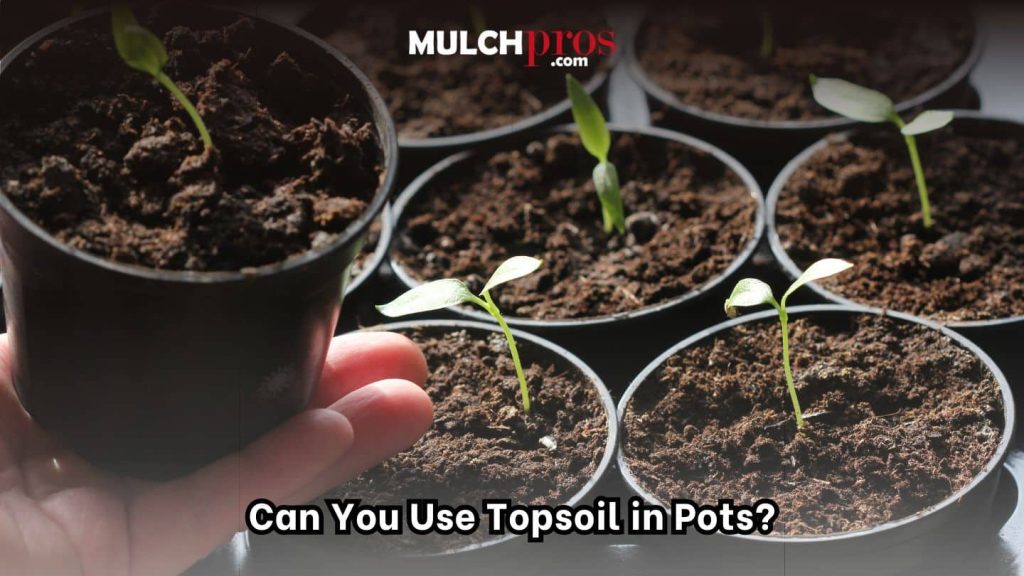
Have you ever wondered if you can use all-purpose garden soil for your potted plants? You’re not alone.
Many plant enthusiasts like yourself find themselves asking this very question. It seems simple enough, right? Just scoop some garden soil into a pot and you’re good to go. But wait! Before you grab that trowel, there are a few crucial things you need to know.
Using the wrong type of soil can mean the difference between a thriving plant paradise and a wilting disaster. You’ll discover the key differences between garden soil and potting mix, and why the choice you make is more important than you might think. Stick around to learn how to make the best decision for your beloved plants and ensure they flourish beautifully.
Credit: mulchpros.com
Differences Between Garden Soil And Potting Mix
Many people wonder if they can use garden soil for potted plants. It’s important to know the differences between garden soil and potting mix. Each serves a specific purpose. Using the wrong one can affect plant health.
What Is Garden Soil?
Garden soil is natural soil from the ground. It contains organic materials, minerals, and organisms. It’s great for outdoor gardens. It enriches the ground and supports plant growth.
Characteristics Of Potting Mix
Potting mix is specifically crafted for containers. It’s lightweight and sterile. It contains peat moss, vermiculite, and perlite. These materials help with water retention and aeration. Potting mix is free from diseases and pests.
Why Garden Soil Is Not Ideal For Pots
Garden soil is dense and heavy. It can compact easily in pots. This restricts root growth and reduces aeration. It may contain weeds, pests, and pathogens. These can harm potted plants.
Benefits Of Using Potting Mix
Potting mix ensures healthy root development. It drains well and maintains moisture balance. It’s free from weeds and pests. This keeps plants safe and thriving. It supports nutrient absorption effectively.
Choosing The Right Medium
Select potting mix for container plants. It’s designed for optimal growth. Garden soil is better suited for outdoor gardens. Consider plant needs before choosing the soil type.
Characteristics Of All Purpose Garden Soil
All-purpose garden soil is rich in nutrients and organic matter. It supports healthy plant growth. While suitable for garden beds, it might be too dense for potted plants, affecting drainage and aeration. Mixing it with potting soil can improve its texture for better use in pots.
All-purpose garden soil is a versatile option for many outdoor gardening needs, but is it the right choice for your potted plants? Understanding its characteristics can help you make informed decisions about your potting choices. Let’s dig into what makes all-purpose garden soil unique.Texture And Composition
All-purpose garden soil typically contains a blend of natural soil, organic matter, and sometimes added nutrients. It is designed to support a wide range of outdoor plants by enhancing soil structure and providing essential nutrients. However, its heavier texture can pose challenges for potted plants. In pots, the soil needs to allow for proper drainage and aeration, which can be difficult if the soil is too dense.Nutrient Content
Garden soil is often rich in nutrients, which is beneficial for ground plants. It usually contains organic matter like compost or manure, which contributes to its fertility. While this nutrient richness can be advantageous, it may not be balanced for container plants. Potted plants require specific nutrient ratios that garden soil might not provide, potentially leading to over-fertilization or nutrient deficiencies.Drainage Capability
Proper drainage is crucial for potted plants to prevent waterlogging and root rot. All-purpose garden soil can hold moisture well, which is great for outdoor gardens but may retain too much water in a confined pot. Consider how often you water your potted plants. If you notice the soil staying soggy, it might be time to reconsider using garden soil in containers.Weight Considerations
The weight of your potting mix can affect the ease of moving your plants and the stability of the pots. Garden soil can be quite heavy, making it cumbersome for indoor or hanging pots. Imagine trying to move a large pot filled with dense garden soil. It’s not only challenging but can also increase the risk of pot breakage or plant damage.Ph Level
The pH level of garden soil varies widely, depending on its source and composition. This variability can be problematic for potted plants, which often thrive best in a controlled pH environment. Have you tested the pH of your garden soil? If not, it’s a good step to ensure it aligns with the needs of your potted plants. Understanding these characteristics can help you decide whether to use all-purpose garden soil for your potted plants. It’s about matching the soil’s attributes with your plants’ specific needs to achieve healthy growth and vibrant blooms.Pros And Cons Of Using Garden Soil In Pots
Using garden soil in pots can be tricky. It may compact, reducing air flow and drainage. Garden soil also contains nutrients, but it might harbor pests. Mixing it with potting soil can help balance these pros and cons.
Garden soil is often used in outdoor gardens, but can it work in pots? This section explores the advantages and disadvantages of using all-purpose garden soil for potted plants. Many gardeners are curious about its effectiveness. Understanding the benefits and drawbacks can help make informed decisions.Pros Of Using Garden Soil In Pots
Garden soil is rich in nutrients. It contains natural minerals that boost plant growth. This soil type holds moisture well, reducing watering needs. Its organic matter improves soil fertility. It’s often more affordable than potting mixes. Garden soil can enhance root health.Cons Of Using Garden Soil In Pots
Garden soil can compact in pots. This may restrict root movement. It might contain weeds or pests. These can harm potted plants. Drainage is often poor, leading to waterlogged roots. It can be heavy, making pots difficult to move. Soil from gardens may lack proper aeration.
Credit: homefortheharvest.com
Potential Issues With Garden Soil In Containers
Garden soil may seem like a convenient choice for potted plants, but it can cause problems in containers. These issues can affect plant growth and health. Let’s explore some potential challenges of using garden soil in containers.
Drainage Challenges
Garden soil often retains too much water. This can lead to poor drainage in containers. Excess water can drown plant roots, causing rot. Without proper drainage, plants struggle to thrive. Containers need soil that drains well to keep roots healthy.
Compaction Problems
Garden soil tends to compact easily. Compaction reduces air space in the soil. Roots need air to grow strong. Without enough air, plants can become weak. Compacted soil makes it hard for roots to spread. This limits plant growth and vitality.
Nutrient Imbalances
Garden soil may not provide balanced nutrients for potted plants. It might lack essential minerals. Plants in containers rely on soil for nourishment. Uneven nutrient supply affects plant health. Nutrient-rich soil helps plants grow better in pots.
Improving Garden Soil For Container Use
Using all-purpose garden soil for potted plants can be tricky. It’s often too dense for containers. Consider mixing it with perlite or sand for better drainage. Ensure the soil is light and airy to support healthy root growth in containers.
Improving garden soil for container use is a common challenge for many gardening enthusiasts. You might have lush, fertile soil in your garden, but transferring it directly into pots doesn’t always yield the best results. Potted plants have unique requirements that differ from those growing in the open ground. Understanding how to enhance your garden soil for containers can make a significant difference in the health and vitality of your potted plants.Enhancing Drainage
Proper drainage is crucial when using garden soil for potted plants. Without good drainage, your plants can become waterlogged, leading to root rot. Mixing in materials like perlite or coarse sand can improve the soil’s drainage capacity. Consider adding a layer of small rocks or broken pottery at the bottom of your pots. This simple technique creates space for excess water to escape, ensuring the roots stay healthy. Have you ever noticed how a neglected potted plant often looks soggy? It’s usually due to poor drainage.Adding Organic Matter
Organic matter is the magic ingredient that can transform regular garden soil into a powerhouse for containers. It enriches the soil, improves texture, and enhances water retention. Adding compost or well-rotted manure can work wonders for your potted plants. Think about the compost pile in your backyard—it’s not just a heap of waste, but a nutrient-rich resource. By mixing a bit of this into your garden soil, you give your plants a boost that mimics their natural environment. Have you tried this before? The results can be astonishing.Balancing Nutrients
One key aspect often overlooked is the balance of nutrients. Garden soil might not have the right mix for container plants, which can lead to nutrient deficiencies. A slow-release fertilizer can help balance the nutrients throughout the growing season. Consider conducting a simple soil test to understand what your soil lacks. With this knowledge, you can customize your nutrient mix to meet the specific needs of your plants. Could this be the missing piece in your gardening puzzle? Balancing nutrients might just be the secret to your container gardening success.Expert Tips For Successful Potting
Using all-purpose garden soil for potted plants can be tricky. Success in potting requires attention to detail and proper techniques. Here are some expert tips to help you along the way.
Choosing The Right Containers
Select containers with drainage holes. This prevents water from pooling. Too much water can cause root rot. Choose pots that fit the plant’s size. As the plant grows, consider repotting into larger containers.
Monitoring Moisture Levels
Check soil moisture regularly. Insert your finger an inch into the soil. If it feels dry, water the plant. Overwatering can harm the roots. Ensure the soil is damp but not soggy.
Regular Soil Amendments
Garden soil may lack nutrients for potted plants. Add compost or a slow-release fertilizer. This boosts plant growth. Amend the soil every few months for better results.
Alternatives To Garden Soil For Potted Plants
When it comes to growing healthy potted plants, choosing the right soil can make all the difference. All-purpose garden soil might seem like a convenient option, but it often lacks the proper drainage and nutrients that potted plants need. Fortunately, there are several alternatives that can provide your potted plants with the ideal growing environment. Let’s explore some viable options that can help your plants thrive.
Commercial Potting Mix Options
Commercial potting mixes are specifically formulated to support plant growth in containers. These mixes typically contain ingredients like peat moss, perlite, and vermiculite, which offer excellent drainage and aeration. Some also include added nutrients to give your plants a head start.
Consider picking a mix based on the specific needs of your plants. If you’re growing succulents, look for a mix that emphasizes fast drainage. For flowering plants, a mix enriched with nutrients might be ideal. Have you ever noticed how your plants respond differently to various soils? Experimenting with different mixes can be a game-changer.
Diy Soil Mix Recipes
If you prefer a hands-on approach, creating your own soil mix can be both rewarding and cost-effective. A basic DIY recipe might include equal parts of peat moss, compost, and perlite. Adjust the ratios to suit the specific needs of your plants.
For a more customized mix, consider adding ingredients like sand for better drainage or coconut coir for moisture retention. Making your own mix allows you to tailor it to your plants’ preferences. Do you enjoy experimenting and tweaking recipes? This could be a fun project that pays off with healthier plants.
Choosing the right soil alternative for your potted plants is crucial for their growth and health. Whether you opt for a commercial mix or decide to craft your own, understanding the needs of your plants will guide you to the perfect solution. What changes have you noticed in your plants when switching soils? Share your experiences and help others make informed decisions.

Credit: www.instagram.com
Frequently Asked Questions
Is Garden Soil Suitable For Potted Plants?
Garden soil is not ideal for potted plants. It may compact easily, reducing airflow and drainage. Potted plants need a well-draining mix, often containing peat moss, perlite, and vermiculite. These ingredients provide the right balance of moisture retention and drainage, essential for healthy root growth in containers.
Can Garden Soil Harm Potted Plants?
Yes, garden soil can harm potted plants. It can lead to poor drainage, waterlogging, and root rot. Soil from gardens may contain pests or diseases harmful to potted plants. Using a sterile potting mix ensures a healthy environment, promoting optimal growth and preventing potential plant health issues.
What Is The Difference Between Garden And Potting Soil?
Garden soil is dense and may lack drainage. Potting soil is lighter, promoting better aeration and drainage. Potting soil often contains added nutrients beneficial for container plants. It provides a balanced environment, enhancing root development and plant health, unlike garden soil, which can compact and suffocate roots.
How To Improve Garden Soil For Pots?
To improve garden soil for pots, mix it with potting soil or perlite. Add organic matter like compost to enhance drainage and nutrient content. Ensure the mix is light and airy, allowing for proper root growth. These adjustments create a more suitable environment for potted plants.
Conclusion
Choosing the right soil for potted plants is crucial. Garden soil is often heavy and dense. It may not drain well in pots. This can lead to root problems. Potted plants thrive with a lighter soil mix. Using potting soil is a safer choice.
It supports healthy plant growth. Ensures proper aeration and drainage. Always consider plant needs when selecting soil. Check labels for ingredients. Opt for mixes with peat, perlite, or vermiculite. This approach boosts plant health. Encourages vibrant growth. Helps avoid common soil-related issues.
Your plants will thank you. Enjoy a flourishing indoor garden!







