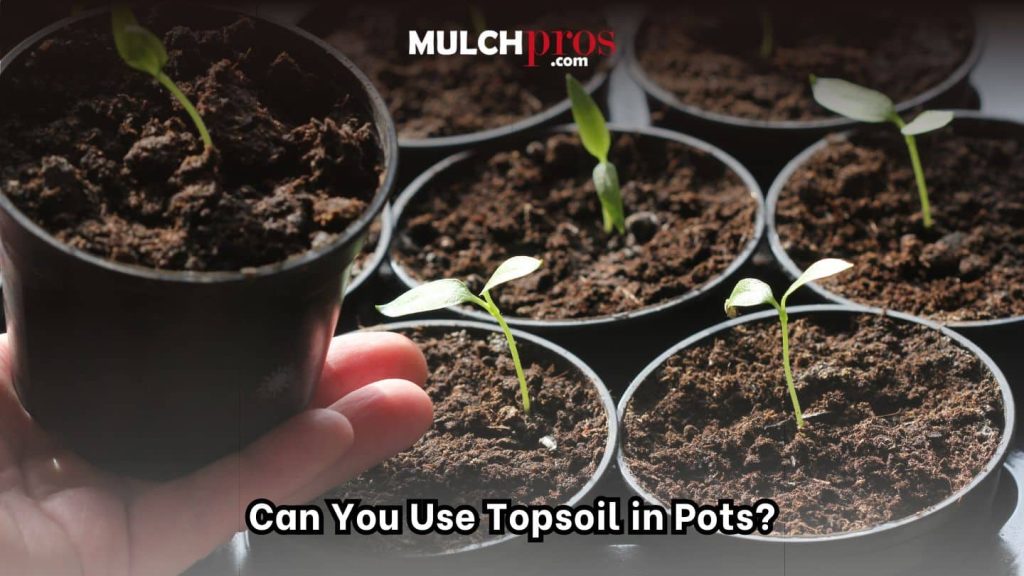
Ever wondered if the soil from your garden can be used for your indoor plants? You’re not alone.
Many plant enthusiasts have pondered this question, hoping to save time and money. But before you scoop up a handful of that rich, earthy garden soil, there are a few things you should know. Is it truly suitable for your beloved indoor greens, or could it be hiding potential pitfalls?
Understanding the pros and cons could save you from a gardening mishap and help your indoor plants thrive. Dive in to discover the truth about using garden soil indoors, and ensure your plants get the best start possible. Your indoor garden deserves the best—let’s make sure you give it just that!
Garden Soil Vs. Potting Mix
Choosing the right medium for your indoor plants can be a game-changer in how they thrive. While garden soil might seem like an economical and convenient option, it often falls short compared to potting mix. Understanding the differences between garden soil and potting mix helps ensure your indoor plants receive the care they deserve.
Garden Soil: Pros And Cons
Garden soil is nutrient-rich and abundant, making it a tempting option for indoor plants. However, it often contains pests and diseases that can harm your indoor garden. Its dense structure can lead to poor drainage, suffocating plant roots and hindering growth.
Potting Mix: The Indoor Plant Champion
Potting mix, on the other hand, is specifically designed for container gardening. It offers excellent drainage and aeration, crucial for healthy root systems. Potting mix is often sterilized, reducing the risk of pests and diseases invading your indoor sanctuary.
Which Should You Choose?
Consider the specific needs of your plants. Are they prone to root rot? Do they require consistent moisture? Potting mix usually provides a balanced environment for most indoor plants, making it a preferred choice. If budget constraints lead you to garden soil, ensure it’s properly treated and mixed with components like perlite or sand to improve aeration.
Personal Experience: Lessons Learned
In my early gardening days, I opted for garden soil due to its availability. My plants struggled with poor growth and yellowing leaves. Switching to potting mix transformed my indoor garden into a thriving oasis. Have you ever experienced a similar dilemma with your plants?
Final Thoughts: Making The Right Choice
Choosing between garden soil and potting mix ultimately depends on your plant’s needs and your commitment to providing the best care. The right choice can lead to flourishing plants that enhance your living space. What steps will you take to ensure your indoor plants thrive?
Properties Of Garden Soil
Garden soil can be used for indoor plants but requires careful adjustment. It may hold too much moisture, causing root problems. Mixing with potting soil helps improve drainage and nutrient balance for healthy indoor plants.
Garden soil possesses unique properties that make it ideal for outdoor gardening. It is rich in organic matter, minerals, and microorganisms that support plant growth. But can it be used for indoor plants? Before deciding, it’s essential to understand its properties. This will help determine if it meets the needs of indoor plants.Composition Of Garden Soil
Garden soil includes a mix of sand, silt, and clay. This combination affects its texture and drainage capabilities. Sand improves drainage, while clay retains moisture. Silt contributes to nutrient content. The balance of these components affects plant health.Nutrient Content
Garden soil is nutrient-rich, containing essential minerals. These include nitrogen, phosphorus, and potassium, vital for plant growth. It also contains trace elements like magnesium and calcium. These elements support plant metabolism and structure.Microbial Activity
Garden soil teems with beneficial microorganisms. These include bacteria, fungi, and earthworms. They break down organic matter, enriching the soil with nutrients. This activity enhances soil fertility and plant health.Ph Level
Garden soil has varying pH levels. It can be acidic, neutral, or alkaline. The pH level affects nutrient availability to plants. Most plants prefer a slightly acidic to neutral pH. Testing soil pH helps ensure it suits the plant’s needs.Water Retention
Garden soil’s water retention depends on its composition. Clay-heavy soil retains water well. Sandy soil drains quickly. Proper water retention is crucial for indoor plants. It affects their ability to absorb nutrients and remain hydrated.Air Circulation
Good soil structure allows air circulation. Roots need oxygen to thrive. Compacted soil restricts airflow, harming plant health. A balance of particles ensures healthy air movement in soil.Organic Matter Content
Garden soil is rich in organic matter. This includes decomposed leaves, plant material, and animal waste. Organic matter enhances soil structure and nutrient content. It improves water retention and supports microbial life.Challenges Of Using Garden Soil Indoors
Garden soil often carries pests and lacks nutrients for indoor plants. Its dense texture can hinder root growth and drainage. Choosing a specialized potting mix ensures healthier indoor plant care and prevents common gardening issues.
Garden soil seems convenient for indoor plants, but it comes with challenges. Using garden soil indoors can pose significant issues for your houseplants. These challenges can affect the health and growth of your plants. Understanding these problems helps create a better indoor environment.Drainage Issues
Garden soil retains water, which is problematic indoors. Indoor pots lack natural drainage systems like those outdoors. This can lead to waterlogged soil, which suffocates plant roots. Poor drainage also creates a perfect environment for root rot. It is essential to have a well-draining soil mix for indoor plants.Pest And Disease Risks
Garden soil often contains pests and diseases. Bringing this soil indoors can introduce unwanted guests. Pests like insects and larvae may infest your indoor plants. These pests are difficult to manage once they spread. Diseases from garden soil can also harm your plants’ health. Indoor plants need a clean, disease-free environment to thrive.Nutrient Imbalances
Nutrient levels in garden soil vary greatly. Some soils may lack essential nutrients for indoor plants. Others might have excess nutrients, causing imbalances. Nutrient imbalance affects plant growth and health. Indoor plants require a balanced soil mix with the right nutrients. Regular monitoring and adjustments ensure optimal plant health.
Credit: www.amazon.com
Benefits Of Garden Soil For Indoor Plants
Garden soil enriches indoor plants with essential nutrients. Its natural minerals boost plant growth and health. Using it can improve root development and moisture retention.
Indoor gardening offers a delightful way to bring nature inside your home. While many opt for specialized potting mixes, the idea of using garden soil for indoor plants might seem appealing. But what are the benefits of using garden soil indoors? Let’s dive into some advantages you might not have considered.Natural Composition
Garden soil is rich in organic matter, which can provide a more balanced nutrition profile for your plants. This natural composition includes beneficial microorganisms that help break down nutrients, making them more accessible to plants. Imagine having a mini ecosystem right in your living room, working constantly to keep your plants healthy. Moreover, garden soil can improve the texture and structure of the potting mix, offering better aeration and drainage. This is crucial for plant roots, as they require air to breathe and excess water can lead to root rot.Cost-effectiveness
Using garden soil can be a budget-friendly option for those looking to cut down on gardening expenses. Specialized potting mixes can be costly, especially if you’re nurturing a large number of indoor plants. By using soil you already have, you can allocate funds to other gardening needs, like fertilizers or pest control. Think about the savings over time. You might even consider starting a compost bin to enrich your garden soil further, adding value without additional costs. Are there areas in your home where you could put these savings to use? While garden soil is beneficial, remember to ensure it’s free from pests and diseases before bringing it indoors. A simple sterilization process can save you from potential plant issues. By making informed choices, you can enjoy thriving indoor plants without breaking the bank.Adapting Garden Soil For Indoor Use
Adapting garden soil for indoor plants requires some adjustments. Sterilize to kill pests and bacteria. Mix with potting soil to improve drainage and aeration. This creates a healthier environment for indoor plants.
Adapting garden soil for indoor use might seem like a straightforward task, but it requires careful consideration to ensure the health of your indoor plants. Garden soil can be dense and may harbor pests or diseases that could harm plants. With a few adjustments, you can transform garden soil into a suitable medium for your indoor garden. Let’s dive into the essential steps to make this transformation successful.Sterilization Techniques
Sterilizing garden soil is crucial to eliminate any pathogens or pests that could harm your indoor plants. You can do this by baking the soil in an oven. Set your oven to 180°F (82°C) and place the soil in a shallow pan for about 30 minutes. Alternatively, you can use the microwave method. Place moist soil in a microwave-safe bag, leaving it open, and heat for 90 seconds per pound. Remember to let the soil cool down completely before using it.Adding Amendments
To improve garden soil for indoor use, you should consider adding amendments. Organic matter like peat moss or compost can enhance soil structure and fertility. Perlite or vermiculite are excellent choices for improving aeration and moisture retention. Mixing a balanced fertilizer into your soil is also beneficial, providing essential nutrients your indoor plants need to thrive.Improving Drainage
Good drainage is vital for indoor plants to prevent root rot. You can improve drainage by adding materials like sand or fine gravel to your garden soil. Consider using a pot with drainage holes, and place a layer of small stones at the bottom. This ensures excess water can escape, keeping your plant’s roots healthy. Have you ever tried using garden soil indoors? What challenges did you face, and how did you overcome them?Expert Tips For Using Garden Soil Indoors
Using garden soil for indoor plants can be tricky. It often lacks the right balance for indoor environments. Yet, with careful steps, garden soil can work. Here are some expert tips to guide you.
Choosing Suitable Plants
Not all plants thrive with garden soil indoors. Select hardy plants. Those that adapt well. Spider plants and pothos are good choices. They require less attention and adapt easily.
Monitoring Plant Health
Keep an eye on your plants. Watch for signs of stress. Yellowing leaves or slow growth might occur. Check for pests regularly. Indoor conditions differ, so adjustments may be needed.
Regular Soil Testing
Test soil pH and nutrients often. Indoor conditions can alter soil quality. Use simple kits available in stores. Regular checks help maintain plant health. Adjust nutrients as needed for optimal growth.
Alternatives To Garden Soil
Indoor plants often struggle with garden soil. It can be too dense, lacking proper drainage. Consider alternatives like potting mix or coco coir. These options promote healthy root development and better moisture control for indoor greenery.
If you’ve ever tried using garden soil for your indoor plants, you might have encountered problems like pests, poor drainage, or nutrient deficiencies. But don’t worry, there are great alternatives that can help your indoor plants thrive. Whether you’re a seasoned gardener or a beginner, understanding these options can make all the difference in your plant’s health.Commercial Potting Mixes
Commercial potting mixes are specifically designed for indoor plants. They offer excellent drainage and aeration, which are crucial for root health. These mixes often contain a blend of peat moss, perlite, and vermiculite, providing a balanced environment for your plants. Choosing the right potting mix can make your plant care routine much easier. Look for mixes that include slow-release fertilizers to reduce the hassle of frequent feeding. Have you ever wondered why your plant’s leaves turn yellow? It could be a sign of poor soil nutrients, which a good potting mix can help prevent.Hydroponic Solutions
Hydroponics is a soil-free method of growing plants using nutrient-rich water solutions. This technique can be a fun and innovative way to care for your indoor plants. With hydroponics, you can precisely control the nutrients your plants receive, ensuring optimal growth. Setting up a hydroponic system might seem intimidating, but it can be simplified with starter kits available in garden centers. Imagine growing lush basil or crisp lettuce right in your living room. Have you considered the environmental benefits of reducing soil usage? Hydroponics offers a sustainable alternative by conserving water and reducing soil waste.:max_bytes(150000):strip_icc()/PerliteinSoil-0bebf44ce6774e2aae89e08fc162e4b4.jpg)
Credit: www.marthastewart.com
Case Studies And Real-life Experiences
Garden soil can harm indoor plants due to pests and inconsistent nutrients. Successful indoor gardeners prefer specialized potting mixes. These mixes offer better drainage and balanced nutrients, enhancing plant health indoors.
When it comes to nurturing indoor plants, the question of whether garden soil is suitable often arises. Understanding real-life experiences and case studies can provide valuable insights into this topic. Let’s explore some intriguing stories and practical lessons that can guide your indoor gardening journey.Success Stories Of Using Garden Soil Indoors
Many indoor gardeners have shared their positive experiences using garden soil for their houseplants. One avid plant enthusiast recounted how her spider plant thrived in a mix of garden soil and perlite. She mentioned that the key was ensuring good drainage to prevent waterlogging. Her success story highlights the importance of adjusting soil texture for indoor conditions. Another plant lover shared her success with succulents using a blend of garden soil and sand. She discovered that adding sand helped mimic the natural environment of succulents, leading to healthier growth. These experiences suggest that with a few tweaks, garden soil can be a viable option for certain indoor plants.Challenges Faced By Indoor Gardeners
Not all experiences with garden soil indoors have been successful. A reader shared how her peace lily struggled when planted in garden soil. The soil retained too much moisture, leading to root rot. This case emphasizes the need for careful monitoring of moisture levels and the potential need for amendments. Another gardener faced a pest infestation after using untreated garden soil indoors. Her experience underscores the importance of sterilizing garden soil to avoid bringing pests into your home. It’s a reminder that while garden soil can be used, precautions are necessary to protect your indoor ecosystem.Lessons Learned And Practical Tips
From these case studies, several practical tips emerge. First, always consider the specific needs of your indoor plants. Some may thrive with a customized blend of garden soil, while others may not. Experiment with different soil mixtures, like adding perlite or sand, to enhance drainage. This can make a significant difference in plant health. Sterilizing garden soil before use is crucial to prevent pests and diseases. Baking the soil in the oven or using a microwave can effectively eliminate unwanted organisms. Finally, observe your plants closely after planting. Adjust watering practices and be ready to make changes if your plants show signs of distress. Your vigilance can turn a potential challenge into a rewarding indoor gardening experience. Are you ready to experiment with garden soil for your indoor plants, or do you have your own story to share? Your insights might inspire others and help them navigate the fascinating world of indoor gardening.
Credit: agriscaping.com
Frequently Asked Questions
Can Garden Soil Harm Indoor Plants?
Garden soil can harm indoor plants due to its dense texture. It may retain excess moisture, leading to root rot. Indoor plants require well-draining soil mixes to thrive. Garden soil might also contain pests or diseases harmful to indoor plants.
It’s best to use specially formulated potting mixes for indoor gardening.
Is Garden Soil Too Dense For Pots?
Yes, garden soil is often too dense for pots. It compacts easily, hindering root growth and water drainage. This can suffocate plant roots and cause poor air circulation. Indoor plants thrive in lighter, well-aerated potting mixes. These mixes ensure proper drainage and nutrient availability, essential for healthy indoor plant growth.
Do Indoor Plants Need Special Soil?
Indoor plants need special soil mixes for optimal growth. These mixes are lighter and provide good aeration and drainage. They often contain peat, perlite, or vermiculite, ensuring proper moisture balance. Garden soil lacks these properties, making it unsuitable for indoor plants.
Using the right soil mix enhances plant health and vitality.
Can Pests In Garden Soil Affect Indoor Plants?
Pests in garden soil can affect indoor plants. Garden soil may harbor insects like aphids or fungus gnats. These pests can infest indoor environments, harming plant health. Using sterile potting mixes reduces the risk of pest infestations. It’s crucial to maintain clean conditions for thriving indoor plants.
Conclusion
Garden soil might seem tempting for indoor plants. Yet, it often lacks essential nutrients. Consider using potting mix instead. It’s designed for indoor needs. Potting mix ensures better growth and health. Plus, it reduces pests and diseases. Your plants will thank you.
Regular care and the right soil make a difference. Indoor plants thrive in controlled environments. Choose wisely for vibrant, healthy plants. Keep your green friends happy and flourishing indoors. Embrace the joy of nurturing indoor greenery. Your home will become a lively, fresh oasis.
Enjoy the satisfaction of thriving indoor plants.







