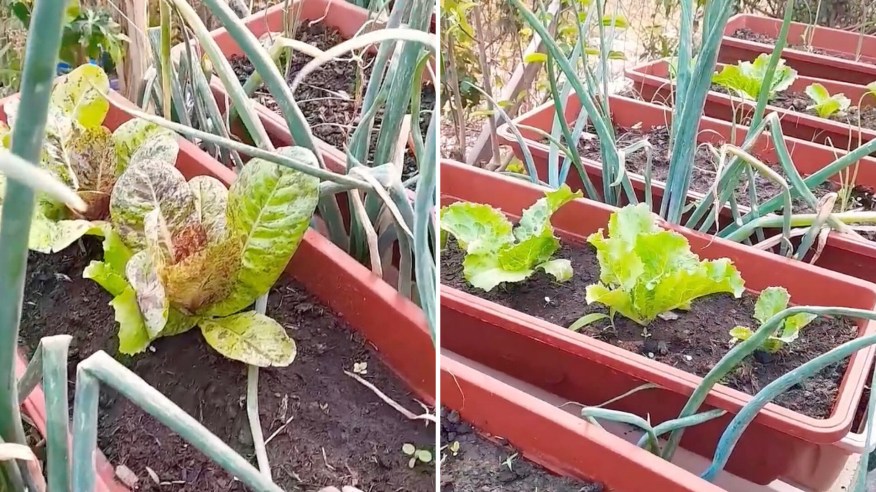
Imagine stepping into your garden and being greeted by vibrant, thriving plants at every turn. It’s a sight that brings joy and satisfaction, isn’t it?
Yet, achieving and maintaining such a lush garden can sometimes feel like a mystery. You might find yourself wondering why some plants flourish while others struggle. The secret to a thriving garden isn’t just luck; it’s about nurturing your plants with the right care and attention.
In this guide, you will discover simple and effective strategies to keep your garden plants healthy and bursting with life. Dive in, and learn how you can transform your garden into a vibrant oasis that not only captivates the eye but also fills you with pride and happiness. Let’s get started on creating the garden of your dreams, where every plant tells a story of health and vitality.
Choosing The Right Plants
Choosing the right plants is crucial for a thriving garden. The health of your garden begins with selecting species that fit your environment. Consider climate, soil type, and sunlight when making your choices. These factors greatly influence plant health and growth.
Understanding Plant Needs
Each plant has unique needs for optimal growth. Some prefer sunlight, others thrive in shade. Know the water requirements of each species. Too much or too little can harm plants. Soil type is another critical factor. Acidic, alkaline, or neutral soils suit different plants. Match plant needs with your garden conditions.
Selecting Disease-resistant Varieties
Choose plants that resist diseases common in your area. Disease-resistant varieties reduce the need for chemical treatments. These plants often have stronger natural defenses. Consult local nurseries for advice on resilient species. This helps maintain a healthy garden with less effort.
Soil Quality And Preparation
Soil quality and preparation are vital for a thriving garden. Good soil provides plants with essential nutrients and a stable environment. Preparing the soil well can significantly enhance plant growth and resilience. Let’s explore how to ensure your soil is ready for planting.
Testing Soil Health
Testing soil health is the first step in understanding its condition. Use a soil testing kit to check pH levels and nutrient content. This helps identify deficiencies that might hinder plant growth. Knowing your soil’s composition allows you to amend it effectively.
Enhancing Soil Fertility
Enhancing soil fertility involves enriching it with organic matter. Compost adds essential nutrients and improves soil structure. Manure is another excellent option for enriching the soil. It enhances fertility and promotes beneficial microorganisms. Mulching can also retain moisture and improve soil texture. Choose the right organic materials for your garden’s needs.
Watering Techniques
Water plants in the early morning to reduce evaporation and disease. Use a drip irrigation system for efficient watering. Check soil moisture regularly to avoid overwatering.
Watering Techniques are crucial for maintaining the lushness and vitality of your garden plants. Proper watering can be the difference between a thriving garden and one that struggles to survive. Misjudging the amount of water your plants need can lead to wilting or root rot. Let’s explore some effective ways to ensure your plants get the right amount of hydration.Optimal Watering Schedule
Finding the perfect watering schedule is key to healthy plants. It often depends on the type of plants you have and the climate you live in. For instance, succulents might only need water once a week, while vegetables might require daily watering. Morning is generally the best time to water, allowing plants to absorb moisture before the sun intensifies. This reduces evaporation loss and minimizes the risk of fungal diseases. You can test the soil with your finger; if it’s dry an inch below the surface, it’s time to water.Efficient Irrigation Methods
Consider investing in drip irrigation systems. They deliver water directly to the plant roots, reducing water waste and keeping foliage dry. This can be especially helpful in arid regions. Another efficient method is using soaker hoses. They allow water to seep into the soil slowly, ensuring deep penetration without runoff. This method is great for garden beds and helps maintain consistent soil moisture. If you’re on a budget, a simple watering can with a long spout can do wonders. It allows you to target the base of the plants, minimizing water contact with leaves. This is crucial for preventing fungal issues and ensuring efficient water usage. Have you ever thought about creating a rainwater collection system? It’s an eco-friendly way to gather water that would otherwise go to waste. This not only conserves water but also saves you money on utility bills.Pest And Disease Management
Ensure garden plants remain healthy by regularly checking for pests and diseases. Use natural remedies and maintain proper plant care to prevent issues. Keep soil healthy and plants well-watered for optimal growth.
Pest and disease management is crucial for maintaining a thriving garden. Unwanted pests and diseases can quickly turn your green oasis into a battlefield. By taking proactive measures, you can protect your plants and ensure they grow healthy and strong.Identifying Common Garden Pests
Knowing your enemy is half the battle. Recognize common garden pests such as aphids, caterpillars, and snails. Each pest leaves telltale signs like holes in leaves, distorted growth, or sticky residue. Regularly inspect your plants. Early detection helps you tackle issues before they escalate. Keep a magnifying glass handy to examine leaves and stems closely. Consult local gardening resources or online forums. They often have visual guides to help you identify pests specific to your region.Natural Pest Control Solutions
Chemical pesticides are not your only option. Natural solutions can be just as effective without harming the environment. Introduce beneficial insects like ladybugs and lacewings to your garden. They naturally prey on harmful pests, creating a balanced ecosystem. Use homemade sprays. A mixture of water, dish soap, and garlic can deter many soft-bodied insects. Spray it on affected plants in the early morning or late afternoon. Consider companion planting. Certain plants, like marigolds and basil, repel pests when grown alongside your vegetables. This strategy adds beauty and function to your garden. Have you tried any of these natural methods? If not, why not give them a shot and see the difference they make in your garden’s health?Nutrient Management
Nutrient management is key for healthy garden plants. Plants need nutrients to grow and thrive. Without proper nutrients, plants may become weak. They might not produce flowers or fruits. Managing nutrients well can make a big difference.
Understanding Plant Nutrients
Plants need three main nutrients: nitrogen, phosphorus, and potassium. These are often called NPK. Nitrogen helps plants grow leaves. Phosphorus aids in root growth and flowering. Potassium strengthens plants and helps fight disease.
There are also secondary nutrients like calcium, magnesium, and sulfur. These support overall plant health. Micronutrients such as iron, manganese, and zinc are needed in tiny amounts. They help with specific plant functions.
Fertilizer Application Tips
Fertilizers provide essential nutrients to plants. Choose the right fertilizer for your plants. Read the labels carefully. Use organic fertilizers like compost for a natural boost. Compost adds nutrients and improves soil structure.
Apply fertilizers evenly around the plant base. Water thoroughly after applying. This helps nutrients reach the roots. Avoid over-fertilizing. Too much can harm plants and the environment. Follow recommended guidelines for the best results.

Credit: www.prewettread.com
Pruning And Maintenance
Regular pruning removes dead branches, encouraging new growth. It ensures sunlight reaches every part of the plant. Proper maintenance, like watering and soil care, keeps plants strong and disease-free.
Pruning and maintenance are essential for healthy garden plants. They encourage growth, prevent diseases, and enhance the garden’s beauty. These tasks might seem daunting but are quite simple. With regular attention, your plants will thrive.Benefits Of Regular Pruning
Pruning removes dead or diseased branches. This promotes healthier growth. It allows sunlight and air to reach all parts of the plant. This reduces the risk of mold and pests. Pruning also shapes plants, making them more attractive. It encourages more flowers or fruit, enhancing productivity. By removing excess growth, nutrients get better distributed.Seasonal Maintenance Tasks
Each season requires different maintenance tasks. In spring, inspect plants for winter damage. Trim any broken branches. Summer needs more frequent pruning to control growth. Remove dead flowers to encourage more blooms. In autumn, prepare plants for winter. Cut back perennials and mulch around roots. Winter is for planning. Consider what worked well and what needs changing. Regular attention through the seasons keeps plants healthy year-round.Companion Planting
Companion planting is a fascinating practice that can transform your garden into a thriving ecosystem. By strategically pairing plants, you can enhance their growth, deter pests, and even improve flavor. This method isn’t just about aesthetics; it’s about creating a symbiotic environment where plants support each other. Imagine strolling through your garden, where each plant is contributing to the health and vitality of its neighbors. This approach can make gardening more rewarding and less about battling pests and diseases.
Benefits Of Plant Pairing
Pairing plants can significantly boost their health and productivity. Some plants, like marigolds, naturally repel harmful insects, protecting your tomatoes from potential damage. Others, such as basil, can enhance the flavor of nearby vegetables like tomatoes.
Companion planting also helps in nutrient sharing. Deep-rooted plants can bring nutrients closer to the surface, benefiting shallow-rooted companions. This strategy reduces the need for synthetic fertilizers and promotes a more sustainable garden.
Have you ever wondered why some gardens are more resilient than others? Companion planting might be the secret. It can increase biodiversity, attracting beneficial insects and providing habitats that support a balanced ecosystem.
Best Companion Plants
Choosing the right companion plants is crucial. Basil pairs well with tomatoes, boosting their flavor and deterring insects. Planting carrots alongside onions can help repel the pesky carrot fly.
If you’re looking to ward off aphids, consider planting garlic near your roses. Not only does it keep pests at bay, but it also enhances the roses’ fragrance.
Consider adding nasturtiums to your garden. They’re not only beautiful but also act as a trap crop for aphids, keeping them away from your more valuable plants. What innovative combinations have you tried in your garden?
Engage with the natural rhythm of your garden and let the plants work together. Companion planting can turn gardening into a delightful and rewarding experience.

Credit: www.instagram.com
Climate Considerations
Understanding the climate is key to healthy garden plants. Different plants thrive in different weather conditions. Knowing your local climate helps in selecting the right plants. It also aids in caring for them effectively. Climate considerations involve adapting to local weather and protecting against extreme conditions.
Adapting To Local Weather
Research your area’s climate patterns. Identify the average temperature and rainfall. Choose plants that match these conditions. For instance, succulents do well in dry, sunny areas. Ferns prefer shady, moist spots. Check local plant nurseries for advice on native plants. Native plants are already adapted to your climate. They need less maintenance and water. This makes them a sustainable choice.
Protecting Against Extreme Conditions
Extreme weather can harm garden plants. Prepare for sudden changes in temperature. Use mulch to keep roots warm during cold spells. In hot weather, mulch also retains soil moisture. Consider using shade cloths to protect plants from intense sun. During heavy rains, ensure proper drainage to prevent waterlogging.
Planting windbreaks can shield delicate plants from strong winds. Trees or tall shrubs act as effective barriers. Frost can also damage plants. Cover them with frost blankets during cold nights. Regularly check weather forecasts to stay informed. Being prepared can save your garden from extreme weather damage.
Credit: urbanmali.com
Frequently Asked Questions
How Often Should I Water Garden Plants?
Watering frequency depends on plant type and weather. Most garden plants need watering once or twice a week. During hot, dry periods, increase watering to prevent dehydration. Check soil moisture by inserting a finger into the soil. If it’s dry, it’s time to water.
What Nutrients Do Garden Plants Need?
Garden plants thrive with essential nutrients like nitrogen, phosphorus, and potassium. Nitrogen promotes leaf growth, phosphorus aids root development, and potassium enhances overall health. Use a balanced fertilizer to provide these nutrients. Regularly check soil pH and nutrient levels to ensure optimal plant health.
How Can I Prevent Plant Diseases?
Prevent plant diseases by ensuring proper spacing for air circulation and using disease-resistant varieties. Rotate crops annually to reduce soil-borne pathogens. Keep foliage dry by watering at the base. Regularly inspect plants for signs of disease and remove affected parts promptly.
What Is The Best Soil For Garden Plants?
The best soil for garden plants is well-draining, nutrient-rich loam. It should be a mix of sand, silt, and clay. Loamy soil retains moisture without becoming waterlogged. Add organic matter like compost to improve soil quality. Test soil pH to ensure it suits your plants’ needs.
Conclusion
Keeping your garden plants healthy is vital for growth. Consistent care makes a big difference. Water regularly and check for pests. Use good soil and fertilize wisely. Sunlight helps plants thrive. Understand each plant’s needs for best results. Healthy plants add beauty to your garden.
Enjoy watching them flourish with your care. Simple steps lead to vibrant greenery. Anyone can nurture a thriving garden. Start today with these easy tips. Your plants will thank you. Gardening is a rewarding hobby. Keep your plants happy and enjoy their beauty every day.







