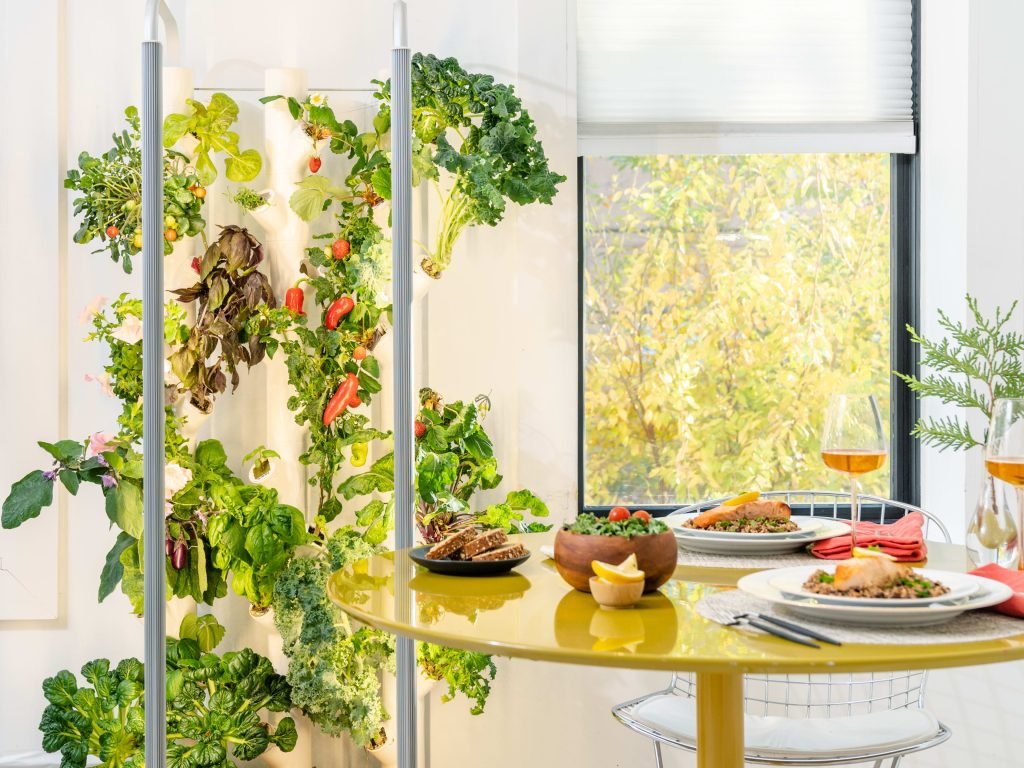
Imagine having a lush, thriving garden right inside your living room. No soil, no weeds, just fresh, home-grown produce at your fingertips.
Sounds amazing, right? Indoor hydroponic gardening is making this dream a reality for many. It’s not just a hobby; it’s a revolutionary way to grow your favorite fruits, vegetables, and herbs year-round. Whether you’re an experienced gardener or a complete beginner, you can master the art of hydroponics.
This guide will unveil the secrets to starting your very own indoor hydroponic garden. Get ready to transform your home into a green oasis and enjoy the freshest produce you’ve ever tasted. Curious to know how it’s done? Keep reading to discover the simple steps that will turn your home into a gardener’s paradise.

Credit: www.amazon.com
Benefits Of Indoor Hydroponic Gardening
Indoor hydroponic gardening offers fresh produce year-round, free from soil pests and weather issues. It maximizes space and saves water, making it ideal for urban living. Perfect for beginners and experts alike.
Indoor hydroponic gardening offers numerous benefits to gardening enthusiasts. This method of growing plants without soil is gaining popularity. It provides a cleaner and more controlled environment for plants to thrive. By harnessing the power of water and nutrients, indoor hydroponic gardens present several advantages.Efficient Use Of Space
Hydroponic systems require less space than traditional gardens. You can grow plants vertically, maximizing your available area. This is ideal for urban dwellers with limited space.Water Conservation
Hydroponic gardening uses less water compared to soil gardening. The system recycles water, reducing waste. This makes it an eco-friendly option for sustainable gardening.Faster Plant Growth
Plants in hydroponic systems grow faster. They receive direct nutrients and oxygen. This can lead to quicker harvests and increased yields.Year-round Gardening
Indoor hydroponic gardens are not affected by weather changes. You can grow your favorite plants throughout the year. This provides fresh produce regardless of the season.Pest And Disease Control
Indoor systems reduce the risk of pests and diseases. No soil means fewer chances for soil-borne issues. This keeps your plants healthier and reduces the need for pesticides.Minimal Weeding
Weeding is almost non-existent in hydroponic gardening. Without soil, weeds have no medium to grow in. This saves time and effort for gardeners.Choosing The Right Hydroponic System
Choosing the right hydroponic system is crucial for indoor gardening success. Each system offers unique benefits and caters to different plant needs. Understanding these systems helps you make an informed choice.
Deep Water Culture
Deep Water Culture (DWC) is a simple system. Plants grow with roots submerged in nutrient-rich water. This setup suits beginners due to its straightforward design. It requires an air pump to oxygenate the water. DWC supports leafy greens like lettuce and herbs.
Nutrient Film Technique
Nutrient Film Technique (NFT) is popular for its efficiency. Plants sit in a shallow stream of nutrients. This continuous flow provides constant nourishment. NFT works well for smaller plants with short growth cycles. Ensure proper angles for nutrient flow.
Aeroponics
Aeroponics uses mist to deliver nutrients to plant roots. Roots hang in air and get sprayed with nutrient mist. This system promotes fast growth and high yields. Aeroponics needs careful monitoring of mist intervals. It’s ideal for advanced gardeners.
Essential Equipment And Supplies
Starting an indoor hydroponic garden requires specific equipment and supplies. These tools ensure your plants grow healthy and strong. Let’s explore the essential items you need for a successful setup.
Grow Lights
Grow lights mimic sunlight for indoor plants. They provide the energy needed for photosynthesis. LED grow lights are a popular choice. They are energy-efficient and last long. Position them close to plants for the best results. Adjust the height as plants grow.
Pumps And Reservoirs
Pumps circulate nutrient-rich water to plant roots. A reliable pump ensures even water distribution. The reservoir holds the nutrient solution. It should be large enough for your plant’s needs. Regularly check and refill to keep plants nourished.
Growing Mediums
Growing mediums support plants in hydroponic systems. They replace soil and anchor roots. Common options include rockwool, clay pellets, and coco coir. Each has unique benefits. Choose based on your plant type and system. Ensure the medium stays moist but not waterlogged.
Selecting Suitable Plants
Selecting Suitable Plants for an indoor hydroponic garden involves considering light, space, and water needs. Choose herbs like basil or lettuce, which thrive in controlled environments. Ensure the plants suit your setup for a successful indoor garden.
Selecting suitable plants for your indoor hydroponic garden is crucial for success. Not all plants thrive in a hydroponic environment, so choosing wisely can make all the difference. Consider the space you have and your personal preferences, and you’ll be well on your way to a thriving indoor garden.Leafy Greens
Leafy greens are perfect for hydroponic systems. They grow quickly and require minimal space, making them ideal for indoor setups. Spinach, lettuce, and kale are popular choices. You can enjoy fresh salads and nutrient-rich greens all year round. Imagine the delight of picking crisp lettuce for dinner, grown right in your living room. It’s not just convenient; it’s also incredibly rewarding. Plus, leafy greens are forgiving, so even if you’re new to hydroponics, they’ll likely flourish under your care.Herbs
Herbs are a fantastic addition to your indoor hydroponic garden. Basil, mint, and cilantro are excellent options. These aromatic plants can elevate your cooking and bring a fresh burst of flavor to your meals. Have you ever reached for a sprig of fresh basil only to find it wilted and forgotten in the fridge? Growing your herbs hydroponically means you can snip just what you need, exactly when you need it. It’s fresh, it’s flavorful, and it’s right at your fingertips.Fruits And Vegetables
Fruits and vegetables can be trickier but are definitely worth the effort. Tomatoes, peppers, and strawberries can thrive in a hydroponic system. They require more attention and space, but the taste of homegrown produce is unmatched. Picture biting into a juicy strawberry, knowing it was nurtured by you without pesticides or soil. It’s an experience that connects you to your food in a profound way. Are you ready to take on the challenge of growing fruits and vegetables indoors? The rewards might surprise you.Setting Up Your Hydroponic Garden
Create your indoor hydroponic garden by choosing a suitable space with ample light. Select a hydroponic system that fits your needs and budget. Assemble all necessary components, including grow lights, nutrient solutions, and seeds, for a thriving setup.
Setting up your indoor hydroponic garden can be an exciting journey. This innovative method allows plants to grow without soil, using nutrient-rich water instead. It’s perfect for urban dwellers with limited space. Before starting, understand the essential steps to create a thriving hydroponic garden.Space Considerations
Choose a location with enough room for your system. Ensure good access to natural or artificial light. Avoid cramped spaces, which can hinder plant growth. A corner in your living room or a dedicated section of your kitchen works well. Make sure the area is free from drafts and temperature fluctuations. This helps maintain a stable environment for your plants.System Assembly
Assemble your hydroponic system carefully. Different types include deep water culture, nutrient film technique, and aeroponics. Pick one based on your space and skill level. Follow the instructions included with your kit. Securely connect all parts to prevent leaks. Check the water pump and air stone for proper function. Set up the reservoir to hold water and nutrients. Ensure the system is stable before adding plants.Initial Planting
Select plants suited for hydroponic growth. Herbs like basil and mint are ideal choices. Use seedlings or seeds to start your garden. Place them in net pots filled with growing medium. Ensure the roots can reach the nutrient solution below. Monitor plant progress closely during the first few weeks. Adjust light and nutrient levels as needed. Keep the environment consistent for healthy growth.
Credit: www.yahoo.com
Managing Nutrients And Water
Indoor hydroponic gardening thrives on balanced nutrients and precise water management. Ensure nutrient solutions are mixed correctly for plant health. Regularly monitor water levels to maintain optimal growth conditions.
Managing nutrients and water is crucial in hydroponic gardening. It ensures plants grow healthy and strong. Balancing these elements helps in achieving optimal yields. Let’s explore the key factors in managing nutrients and water effectively.Nutrient Solutions
Nutrient solutions provide essential minerals to plants. They replace soil nutrients. Choose a solution specifically designed for hydroponics. These contain the right balance of nutrients. Mix them with water as per instructions. Overfeeding can harm plants. Underfeeding leads to poor growth. Monitor plant health regularly. Adjust concentrations if needed. This ensures plants receive proper nutrition.Water Quality
Water quality affects plant growth significantly. Use clean, filtered water for your system. Tap water may contain harmful chemicals. These can affect plant health. Test water for impurities before use. High levels of chlorine or fluoride can be problematic. Consider using distilled water if impurities are present. Regularly change the water to prevent buildup of salts. Clean water promotes healthy roots and growth.Ph Levels
pH levels play a vital role in nutrient absorption. Ideal pH for hydroponics is between 5.5 and 6.5. Test pH levels frequently using a reliable meter. Adjust pH using pH up or down solutions. Maintaining proper pH ensures nutrients are accessible. Incorrect pH levels can lock out nutrients. This results in deficiency symptoms in plants. Keeping pH in check promotes vigorous and healthy growth.Lighting And Temperature Control
Proper lighting and temperature are vital for a thriving indoor hydroponic garden. Use LED grow lights to mimic sunlight and maintain consistent warmth. Adjust settings to match plant needs, ensuring optimal growth and productivity.
Lighting and temperature play a crucial role in indoor hydroponic gardening. Proper lighting ensures plants photosynthesize effectively, while temperature affects growth rates. Balancing these elements fosters a healthy and productive garden.Light Cycles
Light cycles mimic the natural day-night rhythm. Most plants need 12 to 16 hours of light daily. LED grow lights are energy-efficient and effective. Position lights close to plants, but avoid overheating. Adjust light height as plants grow to prevent leaf burn.Temperature Regulation
Temperature control is vital for plant health. Most plants thrive between 65°F and 75°F. Use a thermometer to monitor room temperature. Consider fans or heaters to maintain consistent levels. Avoid sudden temperature changes to prevent plant stress.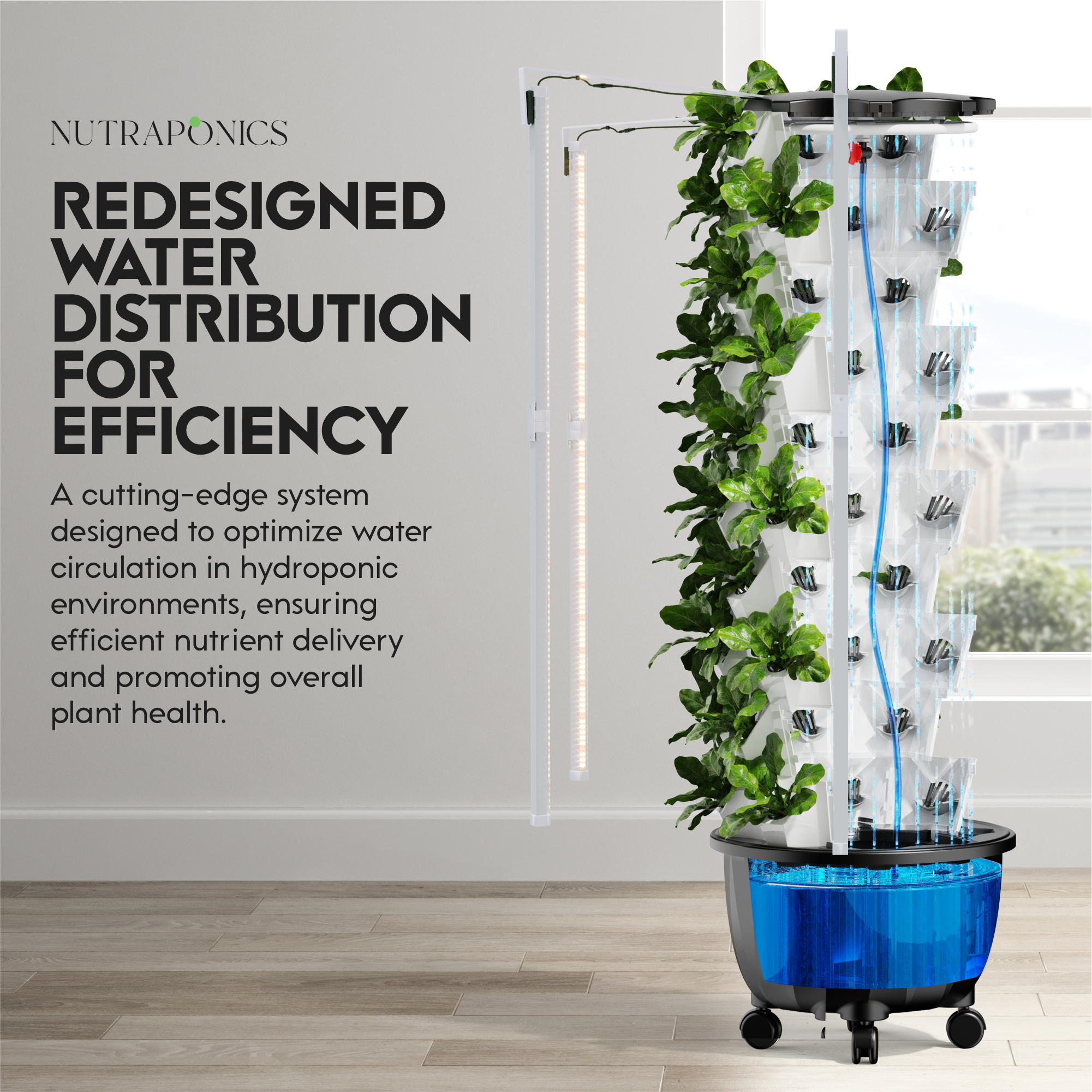
Credit: nutraponics.com
Monitoring And Maintenance
Regular checks ensure plants receive proper nutrients and light. Adjust water levels frequently to maintain optimal conditions. Keep an eye on pH and temperature for healthy growth.
Monitoring and maintaining your indoor hydroponic garden is crucial to ensure healthy and thriving plants. Just like any living system, hydroponic gardens require attention and care to flourish. By keeping a close eye on your setup, you can prevent small issues from becoming major problems.Routine Checks
Conducting routine checks is the backbone of hydroponic maintenance. Make it a habit to inspect your garden daily. Look at the water level in your reservoir; it should be stable to ensure nutrients are consistently available to your plants. Keep an eye on the pH level. An ideal range is usually between 5.5 and 6.5. Use a pH meter for accuracy and adjust as needed. Observe your plants closely. Are the leaves vibrant and healthy? Any discoloration or wilting could be a sign of nutrient imbalance.Troubleshooting Common Issues
Even with the best care, issues can arise. Nutrient deficiencies are common, often showing up as yellowing leaves. A nutrient solution adjustment can resolve this. Algae growth can be another problem. It thrives in light-exposed water, so ensure your reservoir is opaque or covered. Pests can sneak into indoor setups too. If you notice any bugs, consider using organic insecticides or introducing beneficial insects like ladybugs. Have you ever faced a problem in your garden that seemed unsolvable? Sometimes, a fresh perspective or a little research can lead you to a simple solution. Stay vigilant and proactive; your plants will thank you for it.Harvesting And Replanting
Indoor hydroponic gardening involves careful harvesting and replanting. Pick mature plants to free space for new growth. Use clean tools to prevent disease and ensure healthy replanting.
Indoor hydroponic gardening offers a delightful way to grow plants efficiently. Harvesting and replanting are crucial steps in this process. They ensure continuous growth and productivity. Knowing the right time to harvest and the techniques for replanting can make a difference. Let’s explore these aspects for a thriving indoor hydroponic garden.Optimal Harvest Times
Understanding when to harvest your plants is key. Timing affects flavor and yield. Many leafy greens are ready in 4 to 6 weeks. Check plant maturity signs for the best taste. Avoid harvesting too early or late for optimal results. Regularly monitor plant growth for precise timing.Replanting Techniques
Replanting keeps your hydroponic garden productive. Start by cleaning and preparing new growth sites. Use healthy seedlings for better chances of success. Ensure roots are gently placed in the system. Maintain proper nutrient levels for new plants. Regular care leads to thriving regrowth.Tips For Year-round Success
Creating an indoor hydroponic garden that thrives all year round can be incredibly rewarding. But it requires some strategic adjustments and a willingness to learn continuously. Whether you’re a seasoned gardener or a newbie, understanding the nuances of hydroponics and how to navigate seasonal challenges is crucial. Here are some practical tips to ensure your indoor garden flourishes no matter the time of year.
Seasonal Adjustments
Each season brings its own set of challenges and opportunities for your indoor hydroponic garden. Adjusting your system to accommodate these changes can make a big difference in plant health and yield.
- Light Levels:During the winter, natural sunlight is limited. Consider investing in LED grow lights to mimic the longer daylight hours of summer.
- Temperature Control:Keep an eye on room temperatures, especially during extreme weather. Use heaters or cooling systems to maintain optimal growing conditions.
- Humidity:Seasonal fluctuations can affect humidity levels. Use humidifiers or dehumidifiers as needed to keep conditions stable.
These adjustments might seem minor, but they can significantly impact your garden’s productivity. Do you notice any specific changes in your plants during different seasons?
Continuous Learning
Your hydroponic garden is a living system, and just like any other endeavor, there’s always something new to learn. Staying updated on the latest techniques and innovations can transform your gardening experience.
- Stay Curious:Read books, watch online tutorials, and join gardening forums to expand your knowledge.
- Experiment:Try new plant varieties and nutrient solutions to see what works best for your setup.
- Connect with Others:Sharing experiences with fellow gardeners can lead to valuable insights and tips.
Embracing a mindset of continuous learning keeps your garden thriving and makes the process more enjoyable. What new techniques have you tried recently?
Frequently Asked Questions
What Is Indoor Hydroponic Gardening?
Indoor hydroponic gardening is growing plants without soil, using nutrient-rich water solutions. This method is efficient and space-saving, ideal for urban settings. It allows control over plant growth conditions, leading to faster growth and higher yields. Hydroponic systems can be simple or complex, catering to various plant types.
How Does Hydroponic Gardening Work Indoors?
Hydroponic gardening indoors involves using water-based nutrient solutions to grow plants. These systems replace soil with inert mediums like clay pellets or rock wool. Nutrients are directly absorbed by the plant roots, promoting efficient growth. Indoor setups allow for precise control of light, temperature, and humidity, optimizing plant health.
What Are The Benefits Of Indoor Hydroponics?
Indoor hydroponics offer several benefits, including faster plant growth and higher yields. It conserves water and space, making it ideal for urban areas. This method reduces pests and diseases, as plants grow without soil. Additionally, hydroponics allows year-round gardening, unaffected by external weather conditions.
Is Hydroponic Gardening Suitable For Beginners?
Yes, hydroponic gardening is suitable for beginners. Many simple systems are available, requiring minimal setup and maintenance. Beginners can start with small-scale kits and gradually expand. This method provides a rewarding experience, as plants grow faster, offering a hands-on learning opportunity in controlled environments.
Conclusion
Indoor hydroponic gardening offers fresh produce year-round. Plants thrive without soil, using nutrient-rich water. This method saves space and time. Beginners find it easy to start. You can grow vegetables, herbs, and fruits indoors. The system fits any home size.
It requires less water than traditional gardening. Control light and temperature to optimize growth. Enjoy healthier plants with fewer pests. Hydroponic gardening is a rewarding hobby. It provides food and beauty in your home. Begin your journey today and watch your indoor garden flourish.