Imagine stepping into your home and being greeted by a lush garden of vibrant greens and fragrant herbs, all thriving indoors. You might think that growing plants without soil seems futuristic or complex, but a small indoor hydroponic garden can be simple and incredibly rewarding.
With this guide, you’ll discover how to easily set up your own hydroponic haven, where plants grow faster and healthier. Why should you consider hydroponics? It’s clean, efficient, and perfect for small spaces. Plus, there’s something magical about watching your plants flourish in water.
You can say goodbye to worrying about garden pests and soil-borne diseases. Just imagine picking fresh basil for your pasta or mint for your tea, right from your living room. This article is designed to guide you through each step, from choosing the right setup to nurturing your plants. You’ll find yourself drawn into the possibilities, eager to dive deeper into creating your own green sanctuary. So, are you ready to transform a corner of your home into a thriving oasis? Let’s get started!
Benefits Of Hydroponic Gardening
Discover the advantages of hydroponic gardening. Grow fresh produce indoors without soil, maximizing space and reducing pests. Enjoy faster growth and higher yields, all while conserving water and creating a sustainable green oasis at home.
Hydroponic gardening is transforming how we grow plants, especially in small indoor spaces. This method allows you to cultivate a variety of plants without soil, using nutrient-rich water. It’s efficient, sustainable, and offers numerous benefits that can make your gardening experience both rewarding and enjoyable.Increased Growth Rate
One of the most exciting benefits of hydroponic gardening is the accelerated growth rate. Plants often grow up to 50% faster than those grown in soil. This means you can enjoy fresh herbs or veggies weeks earlier than usual.Year-round Gardening
Imagine harvesting fresh produce in the middle of winter. With a hydroponic system, you can grow plants indoors all year long. This eliminates the limitations posed by weather conditions and seasonal changes.Space Efficiency
Living in a small apartment or home? Hydroponics is your friend. These systems are designed to maximize space, allowing you to grow a lush garden in a compact area. Vertical systems can even transform a small corner into a thriving green space.Water Conservation
Hydroponic systems use significantly less water than traditional gardening. In fact, they can use up to 90% less water. This is because water in the system is recirculated, reducing waste and conserving this precious resource.Reduced Pest And Disease Issues
Soil often harbors pests and diseases that can harm your plants. By eliminating soil, you cut down on these risks. This means healthier plants and less need for pesticides.Easy Maintenance
Think gardening is too time-consuming? Hydroponic systems require less maintenance than traditional gardening. With automated systems for watering and nutrient delivery, you spend less time on upkeep and more time enjoying your plants.Customizable Nutrient Control
You have full control over what your plants consume. Adjusting the nutrient solutions allows you to tailor the growth conditions to each plant’s needs. This results in healthier plants and a more bountiful harvest. So, are you ready to transform a small corner of your home into a thriving hydroponic garden? The benefits are compelling, and the rewards are delicious!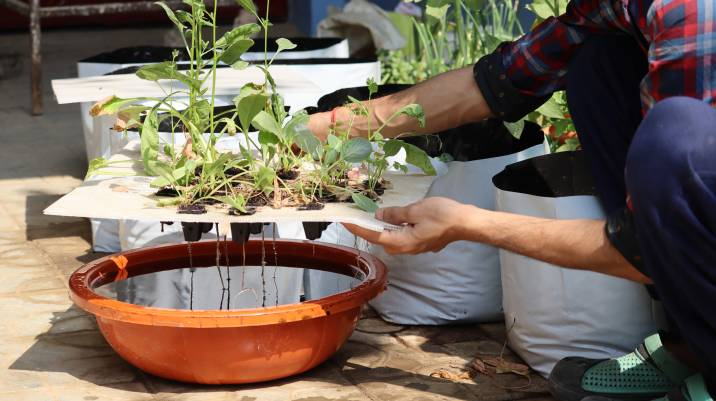
Credit: www.airtasker.com
Choosing The Right Space
Selecting a suitable location is crucial for a small indoor hydroponic garden. Ensure ample light and proper ventilation. Consider space efficiency for optimal plant growth.
Choosing the right space for your indoor hydroponic garden is crucial. The environment affects plant growth and health. Selecting the ideal spot can make a big difference.Lighting Considerations
Plants need adequate light to thrive. Natural light is beneficial, but not always available. Consider a location near a window with sufficient sunlight. If natural light is scarce, use artificial lights. LED grow lights are effective for indoor gardening. Ensure the lights are adjustable to mimic natural cycles. Position the lights close to the plants, but not too close. Avoid placing the garden in overly shaded areas.Temperature And Humidity
Maintain a stable temperature for optimal plant growth. Most plants prefer temperatures between 65°F and 75°F. Avoid spots near heaters or air conditioners. These can create temperature fluctuations. High humidity levels can harm plants. Use a hygrometer to monitor humidity levels. Aim for 50% to 70% humidity for most plants. Consider a dehumidifier if levels are too high. Keep the area well-ventilated to prevent mold growth.Selecting Your System
Creating a small indoor hydroponic garden is an exciting endeavor, and choosing the right system is crucial. The system you select will determine how your plants receive nutrients and grow. Let’s explore some popular options that can transform your home into a thriving garden.
Wick Systems
Wick systems are perfect for beginners due to their simplicity. This passive system uses a wick to draw nutrient solution up to the plant roots. It’s like magic—no pumps or electricity required. Imagine a self-sustaining setup where all you do is add water and nutrients. Though ideal for small plants, it may not work as effectively for larger ones. Consider starting with herbs like basil or mint, which thrive in this system.
Water Culture Systems
Water culture systems offer another straightforward approach. Picture your plant roots suspended in nutrient-rich water, receiving constant nourishment. This system is great for fast-growing plants like lettuce. You’ll need an air pump to oxygenate the water, ensuring your plants don’t drown. Remember, your plants need air as much as they need water. Think about how quickly you could enjoy fresh salads from your own indoor garden!
Ebb And Flow Systems
Ebb and flow systems, also known as flood and drain systems, are a bit more complex but incredibly efficient. Imagine your plant roots being periodically flooded with nutrient solution and then draining away. This mimics natural conditions and promotes robust growth. It requires a timer and a pump, but the results are rewarding. Ideal for a variety of plants, this system allows you to experiment with tomatoes or peppers. Are you ready to nurture a mini jungle in your living room?
Gathering Materials
Gather essential materials like containers, nutrient solutions, and grow lights for your indoor hydroponic garden. Choose seeds or seedlings suitable for hydroponic growth to ensure healthy plants.
Creating a small indoor hydroponic garden is an exciting way to bring fresh greens into your home. To get started, gathering the right materials is crucial. The process might feel overwhelming at first, but with a clear list, it becomes manageable and even enjoyable. Imagine the satisfaction of harvesting your own produce from a mini-garden right in your living space. The key to a flourishing hydroponic system is having the right tools and materials, and understanding your options for growing mediums.Essential Tools
A successful indoor hydroponic garden requires a few essential tools. You’ll need a hydroponic system, which could be as simple as a container or as advanced as a kit with a water pump. Consider the space available in your home and choose a system that fits. Lighting is another crucial component, as most indoor spaces lack sufficient natural light. LED grow lights are energy-efficient and provide the right spectrum for plant growth. You’ll also need a pH meter to ensure the nutrient solution remains balanced, as plant health depends on the right acidity levels. Having a timer for your lights and pumps can automate the process, making it easier to manage. This is particularly helpful if you’re juggling multiple responsibilities and need a set-it-and-forget-it solution.Growing Medium Options
Choosing the right growing medium can impact the success of your hydroponic garden. Unlike traditional soil, hydroponic systems use inert mediums to support plant roots. Some popular options include rockwool, coco coir, and clay pellets. Rockwool is a favorite among hydroponic gardeners for its excellent water retention and aeration properties. It’s perfect for beginners because it maintains a steady supply of moisture to the roots. Coco coir, derived from coconut husks, is an eco-friendly choice that provides good drainage and aeration. It also has natural antifungal properties, which can help keep your plants healthy. Clay pellets, or LECA, offer excellent aeration and are reusable, making them a sustainable option. They are ideal for plants that prefer less moisture around their roots. Which medium feels right for your needs and lifestyle? The choice depends on the type of plants you want to grow and the level of maintenance you’re comfortable with.Preparing The Setup
Creating a small indoor hydroponic garden is a rewarding project that can bring fresh produce to your home year-round. Before you can enjoy the benefits of your garden, you need to prepare the setup. This process involves assembling your hydroponic system and ensuring the right lighting is in place to help your plants thrive.
Assembling The System
Begin by selecting the type of hydroponic system that suits your space and needs. A simple starter kit with a nutrient reservoir and net pots can be a great choice for beginners. Ensure that all components are clean and ready for assembly.
Position the reservoir on a sturdy surface that can support the weight when filled with water. Secure the net pots and ensure they fit snugly in the designated holes. This step is crucial for maintaining plant stability as they grow.
Think about the plumbing: proper tubing for water flow and an air pump to oxygenate the water are vital. Double-check that connections are tight to prevent leaks. Have you ever had an unexpected water spill indoors? It’s best to be prepared!
Installing Lighting
Lighting is essential for indoor hydroponics. Plants need sufficient light for photosynthesis, especially in an indoor setting. Consider using LED grow lights, which are energy-efficient and provide the full spectrum of light needed for plant growth.
Place the lights about 6 to 12 inches above the plants, adjusting as they grow. This ensures they receive adequate light without the risk of burning. An adjustable setup allows you to modify the height easily.
Set a timer to mimic the natural daylight cycle, typically 12-16 hours of light per day. Consistency is key for healthy plant growth. What lighting schedule works best for your daily routine?
Planting Your Garden
Create a small indoor hydroponic garden effortlessly. Choose a sunny spot and gather materials like water, nutrients, and containers. Enjoy fresh herbs and vegetables year-round with minimal space and effort.
Planting your indoor hydroponic garden brings you closer to nature. It transforms your living space into a lush, green oasis. The process begins with selecting the right plants and using effective planting techniques.Choosing Plants
Selecting the right plants is crucial for your garden’s success. Opt for plants that thrive indoors and in hydroponic systems. Herbs like basil, cilantro, and mint are excellent choices. Leafy greens such as lettuce and spinach also flourish in hydroponic gardens. Consider the space available and the amount of light your garden receives.Planting Techniques
Proper planting techniques ensure healthy growth. Start with clean containers and fresh nutrient-rich water. Position plants so their roots are fully submerged. Ensure they have enough space to spread and grow. Use pH-balanced water to maintain plant health. Monitor growth regularly and adjust water levels if needed.Maintaining Your Hydroponic Garden
Creating a small indoor hydroponic garden involves using water, nutrients, and light to grow plants without soil. This method saves space and allows for year-round gardening. Ensure proper light and nutrient levels for healthy plant growth.
Maintaining Your Hydroponic Garden Creating a small indoor hydroponic garden is only the beginning of your exciting journey into the world of soil-less gardening. Once your setup is ready and plants are growing, the key to success lies in proper maintenance. Regular care ensures your plants thrive and yield bountiful harvests. Let’s dive into some essential aspects of keeping your hydroponic garden healthy and productive.Water And Nutrient Management
Water is the lifeline of your hydroponic garden. Regularly check the water levels, ensuring they are adequate for your plants. It’s vital to change the water every two weeks to prevent the buildup of unwanted substances. Nutrient balance is crucial. Use a reliable hydroponic nutrient solution to provide your plants with essential minerals. Over time, you’ll learn the specific needs of your plants, adjusting the nutrient mix accordingly. Are your leaves turning yellow? It might be a sign of nutrient imbalance needing your attention.Pest Control
Even without soil, pests can find their way into your indoor garden. Keep an eye out for common intruders like aphids and spider mites. Regularly inspecting your plants can help detect infestations early. Consider using natural remedies like neem oil or soap sprays to combat pests. These options are often safer for your plants and home environment than chemical pesticides. Have you noticed tiny webbing on your leaves? That could be the work of spider mites needing immediate action. By focusing on water and nutrients, and staying vigilant about pests, your hydroponic garden will flourish. Regular maintenance ensures that your indoor oasis remains a thriving green space, providing fresh produce year-round.
Credit: nosoilsolutions.com
Troubleshooting Common Issues
Fix nutrient imbalances by checking solution pH and concentration regularly. Ensure proper lighting to prevent plant stress. Address water flow issues by inspecting pump functionality and system setup.
Creating a small indoor hydroponic garden can be a rewarding endeavor, but like any gardening project, it comes with its own set of challenges. Recognizing and resolving common issues is crucial to ensure your plants thrive. Let’s dive into some of the typical problems you might face and how to tackle them effectively.Nutrient Deficiencies
Your hydroponic garden relies heavily on nutrient solutions. If your plants start showing signs of yellowing leaves or stunted growth, they might be lacking essential nutrients. It’s crucial to monitor the pH levels and nutrient balance regularly. Use a reliable hydroponic nutrient solution and follow the recommended dosage. Over time, you may need to adjust as your plants grow. Have you noticed any unexpected changes in your plants’ appearance? This could be a sign that your nutrient mix needs tweaking.Algae Growth
Algae can quickly become a nuisance in your hydroponic system. It thrives in moist, light-rich environments, and can compete with your plants for nutrients. If you spot green slime on your growing medium or in the nutrient reservoir, it’s time to act. Consider covering exposed areas with opaque materials to block light. Regular cleaning and maintenance of your system can also help. Have you checked the cleanliness of your setup lately? Keeping things tidy is key to preventing algae from taking over. By addressing these common issues head-on, you can ensure your hydroponic garden remains healthy and productive. Regular monitoring and maintenance will keep your plants thriving and your indoor oasis flourishing.
Credit: www.thedailymeal.com
Frequently Asked Questions
What Is A Small Indoor Hydroponic Garden?
A small indoor hydroponic garden is a soil-less growing system. It allows plants to grow in water enriched with nutrients. This method is ideal for limited spaces. It ensures optimal growth conditions indoors. It helps grow herbs, vegetables, and small fruits efficiently.
How Do I Start A Hydroponic Garden Indoors?
To start, choose a suitable space and hydroponic system. Gather essential materials like nutrient solutions and grow lights. Select plants that thrive indoors. Assemble the system and ensure proper water and nutrient circulation. Monitor and maintain the system regularly for best results.
What Plants Are Best For Indoor Hydroponics?
Lettuce, herbs like basil and mint, and strawberries are ideal. Spinach, kale, and tomatoes also thrive well. Choose plants that suit your space and system. Consider light and temperature requirements for each plant. This ensures healthy growth and bountiful harvests.
How Much Light Does A Hydroponic Garden Need?
Hydroponic gardens need 12 to 16 hours of light daily. Use LED or fluorescent grow lights for efficiency. Ensure even light distribution across plants. Adjust light distance based on plant growth stage. Proper lighting promotes healthy growth and yield.
Conclusion
Creating a small indoor hydroponic garden is rewarding. It’s simple and fun. Your plants grow faster with less water. You don’t need soil, which keeps things tidy. Start with easy plants like lettuce or herbs. Watch them flourish right in your living space.
Adjust light and nutrients for the best growth. Experiment and learn as you go. Soon, you’ll enjoy fresh produce at home. Gardening indoors saves space and offers year-round harvests. Dive into hydroponics and discover a new way to garden. It’s a step towards sustainability and health.
Enjoy the journey!







