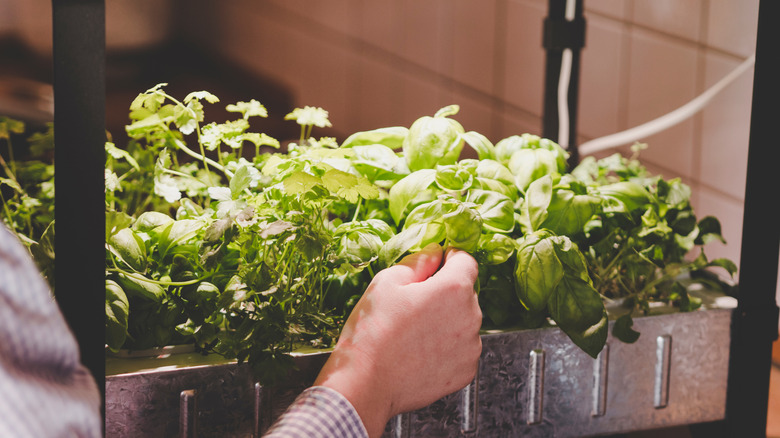
Imagine stepping into your kitchen and plucking fresh herbs directly from your own indoor garden. Sounds delightful, right?
With a hydroponic herb garden, you can transform this dream into reality effortlessly. No need for a sprawling backyard or worrying about soil conditions. You can grow your favorite herbs right inside your home, even in the tiniest of spaces.
Curious about how to get started? You’re not alone. Many people are discovering the joy and convenience of growing herbs hydroponically. It’s easier than you might think, and you don’t need to be a gardening guru to succeed. By following a few simple steps, you can cultivate a thriving herb garden that will not only brighten up your space but also elevate your culinary creations. The secret lies in understanding the basics of hydroponics and selecting the right setup for your needs. Once you do, you’ll be amazed at how quickly your garden flourishes. This guide will walk you through everything you need to know, from choosing the best herbs to setting up your system and maintaining it for optimal growth. Ready to dive in? Let’s explore how you can create your own indoor hydroponic herb garden and enjoy fresh flavors all year round.
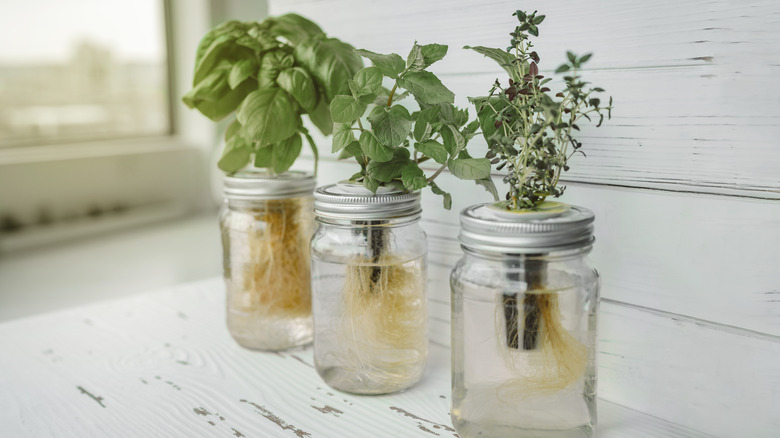
Credit: www.thedailymeal.com
Benefits Of Indoor Hydroponic Herb Gardens
How to Make Indoor Hydroponic Herb Garden Indoor hydroponic herb gardens offer fresh herbs year-round with minimal space. These systems use water, not soil, enhancing growth speed and flavor. Perfect for urban living, they reduce grocery costs and ensure pesticide-free produce.
Indoor hydroponic herb gardens offer many benefits. They bring fresh herbs into your home, saving you trips to the store. Enjoy growing herbs year-round without worrying about weather conditions. These gardens are compact, perfect for small spaces. Plus, hydroponic systems use less water than traditional gardening.Easy Maintenance And Care
Hydroponic systems require minimal upkeep. No soil means fewer pests and diseases. Spend less time weeding and more time enjoying your herbs. The nutrients are delivered directly to the plant roots. This ensures optimal growth with less effort.Space Efficiency
These gardens fit into small spaces. Ideal for apartments or urban living. Vertical systems maximize space, allowing you to grow more in less area. You can place them on a kitchen counter or a sunny windowsill.Faster Growth And Higher Yields
Herbs grow faster in hydroponic systems. Plants receive nutrients directly, speeding up growth. Expect higher yields compared to soil gardening. Enjoy a constant supply of fresh herbs at home.Environmentally Friendly
Hydroponic gardens use less water. This is due to the recirculation of water in the system. There is no need for harmful pesticides. Grow your herbs in a clean and sustainable way.Better Flavor And Nutrition
Herbs grown hydroponically often taste better. Control over nutrients enhances flavor and nutritional value. Enjoy fresher and more aromatic herbs in your meals.Choosing The Right Herbs
Selecting herbs like basil, mint, and cilantro enhances your indoor hydroponic garden. Choose varieties suited for hydroponic growth. Consider flavor preferences and space availability for optimal results.
Choosing the right herbs for your indoor hydroponic garden is crucial. Not all herbs thrive in a hydroponic setup. Some herbs adapt better and yield more. This section will guide you in selecting the best herbs.Popular Herb Options
Certain herbs are well-suited for hydroponic growth. Basil grows fast and is versatile in cooking. Mint spreads quickly and refreshes the air. Cilantro adds flavor to dishes and grows swiftly. Parsley is another excellent choice, rich in vitamins. Chives are easy to grow and add a mild onion flavor.- Basil
- Mint
- Cilantro
- Parsley
- Chives
Factors To Consider
Consider the growth rate of herbs. Fast-growing herbs give quick yields. Check the size of the mature plant. Some herbs need more space. Light requirements are essential. Ensure you can provide enough light. Temperature tolerance varies among herbs. Choose herbs that suit your indoor climate. Taste preference is personal. Pick herbs you enjoy using.Setting Up Your Hydroponic System
Setting up your indoor hydroponic herb garden is an exciting journey. You’ll create a space where herbs can thrive without soil. The process begins with selecting the right hydroponic system. You’ll also need the necessary equipment to support your plants’ growth.
Types Of Hydroponic Systems
There are various hydroponic systems suitable for indoor gardens. Each type has its unique benefits and setup requirements.
- Deep Water Culture (DWC):This system suspends plant roots in nutrient-rich water. It is simple and great for beginners.
- Nutrient Film Technique (NFT):A shallow stream of water flows over the roots. It requires a bit more management but is efficient.
- Wicking:This system uses a wick to draw nutrients to the roots. It’s passive and low-maintenance.
- Ebb and Flow:Also known as flood and drain. Nutrients flood the roots periodically.
Essential Equipment
Gathering the right tools ensures a healthy hydroponic system. Here’s what you’ll need:
- Grow Lights:Essential for providing light to your herbs. LED lights are energy-efficient.
- Pumps and Timers:Keep nutrients flowing and manage watering schedules.
- pH Meter:Measures the acidity or alkalinity of your nutrient solution. Maintaining the right pH is crucial.
- Reservoir:Holds the nutrient solution. Ensure it’s clean and of adequate size.
With the right setup, your hydroponic herb garden will thrive. Enjoy fresh herbs all year round.
Preparing The Growing Medium
Creating the perfect growing medium is crucial for a thriving hydroponic herb garden. Select a lightweight and sterile medium like coconut coir or perlite. Ensure it provides ample air and water circulation for healthy root development.
Creating an indoor hydroponic herb garden is an exciting way to bring nature into your home while enjoying fresh flavors year-round. One crucial aspect of setting up your garden is preparing the growing medium. This step ensures your herbs receive the right balance of nutrients and support to thrive. Let’s dive into how you can select and prepare the ideal growing medium for your hydroponic herbs.Selecting The Best Medium
Choosing the right growing medium is vital for your herbs’ success. Various options are available, each with its unique benefits. For example, coconut coir is popular due to its excellent water retention and aeration properties. Another option is perlite, which is lightweight and promotes root aeration. Consider your herbs’ specific needs. Basil might prefer a medium with high water retention, while rosemary thrives in one that allows good drainage. Experiment with small batches to find what works best for your garden.Sterilization Process
Sterilizing your growing medium is a simple yet crucial step to prevent diseases and pests. Start by soaking the medium in a solution of water and hydrogen peroxide. This helps eliminate any harmful pathogens. Next, rinse thoroughly to remove any chemical residues. This step is essential to ensure your herbs are not exposed to harmful substances. Why skip this step when it can save you from potential headaches later? A clean medium means a healthier garden, and healthier herbs mean tastier meals. Have you ever wondered how much cleaner your indoor environment would be with a pest-free herb garden? By taking the time to sterilize, you’re ensuring a successful and fulfilling gardening experience. Make this small effort now, and enjoy the benefits of a thriving indoor herb garden.Planting The Herbs
Creating an indoor hydroponic herb garden offers fresh flavors at your fingertips. Choose a sunny spot and set up your hydroponic system. Select herbs like basil, mint, or parsley for easy growth.
Planting herbs in an indoor hydroponic garden is a rewarding task. It involves choosing the right seeds or seedlings and ensuring correct spacing and depth. This process sets the foundation for a thriving indoor herb garden. Let’s explore how to plant your herbs effectively.Seed Vs. Seedling
Decide between seeds or seedlings for your hydroponic garden. Seeds offer a broader choice of herb varieties. They are often more affordable than seedlings. Growing from seeds takes longer, though. Seedlings provide a head start on growth. They are ideal for beginners who want quicker results. Consider your patience and experience level before choosing.Spacing And Depth
Proper spacing and depth are crucial for healthy growth. Herbs need enough room to develop their roots. Follow the guidelines for each herb type. Generally, leave at least 4-6 inches between plants. This prevents overcrowding and ensures better air circulation. Plant seeds at the recommended depth, usually 1/4 to 1/2 inch deep. Seedlings should be placed with their root system fully covered. Correct placement promotes strong, healthy plants in your hydroponic garden.
Credit: www.youtube.com
Maintaining Optimal Conditions
Creating an indoor hydroponic herb garden requires attention to light, temperature, and humidity. Ensure consistent light exposure and maintain temperatures between 65-75°F for optimal herb growth. Monitor humidity levels to keep them moderate, preventing plant stress.
Maintaining optimal conditions is crucial for a thriving indoor hydroponic herb garden. Without the right environment, your herbs might struggle to grow, leaving you with lackluster results. Let’s dive into the essentials to ensure your garden flourishes.Lighting Requirements
Herbs need plenty of light to grow healthy and strong. Indoor gardens often lack natural sunlight, so it’s vital to supplement with artificial lighting. LED grow lights are a popular choice due to their energy efficiency and full-spectrum capabilities. Position the lights above your herbs, mimicking the sun’s natural path. A timer can help maintain consistent light exposure, ensuring your herbs get about 12-16 hours of light daily. This setup mimics long summer days, promoting robust growth.Temperature And Humidity
Your herbs thrive in moderate temperatures, ideally between 65°F and 75°F. Too cold, and growth slows; too hot, and leaves might wilt. Consider using a small fan to circulate air, keeping temperatures stable and preventing mold. A simple thermometer can help you monitor this. Humidity plays a significant role in your garden’s success. Aim for a humidity level of 40-60%. If your home is dry, a humidifier can aid in maintaining the right moisture levels. Regularly checking these conditions ensures your herbs are comfortable, allowing them to grow lush and flavorful. Are your herbs getting the TLC they deserve?Nutrient Solutions
Creating an indoor hydroponic herb garden opens up a world of fresh flavors. One key element for success is nutrient solutions. These solutions provide essential minerals to your plants, ensuring healthy growth and abundant yields. Understanding how to mix and apply these nutrients is crucial for your garden’s vitality.
Understanding Nutrient Needs
Plants require specific nutrients to thrive. Hydroponic systems deliver these nutrients directly to the roots. Essential elements include nitrogen, phosphorus, potassium, and trace minerals. Each element plays a role in plant health. Nitrogen promotes leafy growth. Phosphorus supports root development. Potassium enhances overall vigor. Trace minerals aid various plant processes.
Different herbs have unique needs. Basil needs more nitrogen. Mint prefers a balanced mix. Tailor your nutrient solutions to match your herbs. Proper understanding leads to lush, productive gardens.
Mixing And Application
Mixing nutrient solutions requires precision. Start with clean water. Measure each nutrient carefully. Follow the recommended ratios for your chosen herbs. Use a digital scale for accuracy. Stir the mixture until fully dissolved. Ensure no sediments remain.
Apply the solution to your hydroponic system. Fresh solutions maintain plant health. Change the solution regularly. Monitor plant response and adjust as needed. Watch for signs of nutrient deficiency. Yellow leaves may indicate nitrogen lack. Dark spots suggest potassium need. Keep records for better results.
Watering And Circulation
Creating an indoor hydroponic herb garden requires attention to watering and circulation. These elements ensure plants receive nutrients and oxygen. This section will guide you through the essentials of watering and promoting healthy circulation.
Frequency Of Watering
Hydroponic systems need regular water checks. Water is the lifeline for your plants. Ensure the water level stays consistent. Most systems need a check every few days. This maintains plant health and growth.
Overwatering can harm plants. Monitor water quality and levels closely. Use clean water, free of chemicals. This prevents plant damage and ensures nutrient uptake. Adjust based on plant size and system type.
Importance Of Aeration
Aeration is crucial in hydroponic gardening. Plants need oxygen to thrive. Without it, roots may suffocate. An air pump can help provide adequate oxygen. This creates a healthy environment for root systems.
Aeration also prevents nutrient solution stagnation. Stagnant water can lead to disease. Regular circulation keeps nutrients evenly distributed. This promotes healthier and stronger plants.
Managing Pests And Diseases
Managing pests and diseases in an indoor hydroponic herb garden requires vigilance and regular monitoring. Use natural remedies like neem oil or insecticidal soap to control infestations. Ensure proper air circulation and hygiene to prevent mold and other diseases.
Managing pests and diseases in an indoor hydroponic herb garden can be a real challenge, but it’s an essential part of ensuring your plants stay healthy and productive. You might think that growing indoors would keep pests at bay, yet small invaders can still make their way in, and diseases can develop in a controlled environment. Understanding how to identify and address these issues will keep your herbs thriving. Let’s dive into common problems and how you can prevent them.Common Issues
Even in the controlled environment of an indoor hydroponic system, pests like aphids, spider mites, and whiteflies can find their way in. These pests can quickly multiply and cause significant damage to your herbs. Diseases such as root rot can also be a concern. It’s often caused by overwatering or poor drainage, leading to fungal growth that attacks the plant roots. Nutrient imbalances may also lead to deficiencies or toxicities, affecting plant health and making them more susceptible to pests and diseases. Identifying these problems early is key.Preventive Measures
Regular inspection of your plants is your first line of defense. Check both the top and underside of leaves for signs of pests or disease. Maintain a clean growing environment. Wipe down surfaces, clean tools, and ensure water reservoirs are free from debris to prevent disease spread. Consider using natural pest control methods such as introducing beneficial insects like ladybugs or using neem oil. These are safe for your plants and effective against common pests. Ensure your hydroponic system is properly balanced with nutrients, and check pH levels regularly. Healthy plants are less likely to fall victim to pests and diseases. Have you ever noticed how much healthier your plants look when you give them the right attention? It’s all about being proactive rather than reactive in your approach. By taking these preventive measures, you’ll save yourself from future headaches and ensure a lush, vibrant indoor herb garden.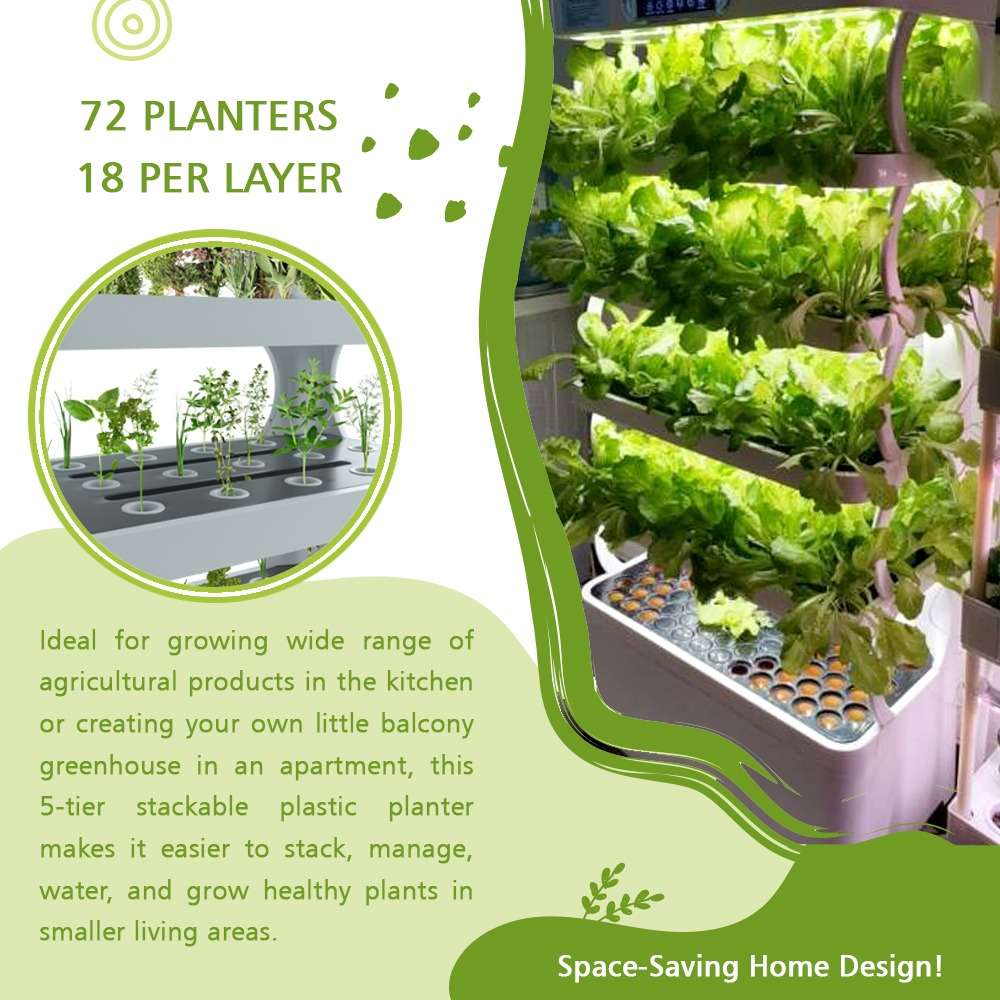
Credit: nutraponics.com
Harvesting Your Herbs
Creating an indoor hydroponic herb garden involves using water, nutrients, and light to grow herbs without soil. This method allows for fresh herbs year-round, even in small spaces. Regularly check water levels and adjust lighting to ensure healthy growth.
Harvesting your herbs is one of the most rewarding aspects of tending to your indoor hydroponic garden. It’s a moment where you get to savor the fruits of your labor, quite literally. However, knowing the right time and method to harvest can make all the difference in flavor and plant health.Timing And Techniques
Understanding when to harvest your herbs is crucial. Generally, herbs are at their peak flavor just before they flower. Keep an eye on your plants and aim to harvest them in the morning when the oils are most concentrated. Use sharp scissors or pruning shears to snip the herbs, ensuring you cut just above a leaf node to encourage new growth. For leafy herbs like basil and mint, pinch off a few leaves at a time rather than cutting the entire stem. This method allows the plant to keep producing.Storage Tips
Once you’ve harvested your herbs, proper storage is essential to maintain their freshness. You can store fresh herbs in the refrigerator by wrapping them in a damp paper towel and placing them in a plastic bag. This method can keep them fresh for up to a week. For longer storage, consider drying or freezing your herbs. Hang them upside down in a dark, dry place for drying, or chop and freeze them in ice cube trays with a little water or oil. This way, you’ll have a burst of flavor ready at hand whenever you need it. Have you ever considered how much better your meals could taste with herbs that you’ve nurtured yourself? Harvest with care, store with intention, and enjoy the delicious rewards.Frequently Asked Questions
What Is Hydroponic Gardening?
Hydroponic gardening is a method of growing plants without soil, using nutrient-rich water. It’s ideal for indoor spaces and allows for precise control over plant growth conditions. This technique can enhance growth rates and yields compared to traditional gardening methods.
How Do I Start An Indoor Hydroponic Herb Garden?
Start by selecting herbs like basil, mint, or cilantro, which thrive in hydroponic systems. Choose a hydroponic setup, such as a nutrient film technique or deep water culture system. Ensure proper lighting, temperature, and nutrients to optimize growth. Regularly monitor and adjust conditions for healthy herb development.
Which Herbs Grow Best Hydroponically?
Herbs like basil, mint, cilantro, and parsley grow exceptionally well in hydroponic systems. These herbs benefit from the controlled environment, leading to faster growth and higher yields. Their adaptability makes them ideal for indoor hydroponic gardening, providing fresh herbs year-round.
How Much Light Do Hydroponic Herbs Need?
Hydroponic herbs typically require 12 to 16 hours of light daily. Use LED grow lights for energy efficiency and optimal growth. Proper lighting ensures healthy development and robust flavors, mimicking natural sunlight conditions for indoor gardens. Adjust light intensity based on specific herb requirements.
Conclusion
Creating an indoor hydroponic herb garden is simple and rewarding. You can enjoy fresh herbs year-round. No soil means less mess and fewer pests. Hydroponics saves space and water. Perfect for small homes and apartments. Begin with easy herbs like basil and mint.
Make sure to check light and nutrient needs. Regular maintenance ensures healthy growth. Share your gardening experience with friends and family. They might want to start their own garden too. Enjoy the taste and aroma of home-grown herbs. Happy gardening!