Have you ever looked at your garden and felt a pang of disappointment because your plants aren’t thriving like they used to? You’re not alone.
Sometimes, even the healthiest-looking plants can start to wilt, turn yellow, or lose their charm. But don’t give up just yet. What if you could breathe new life into your garden without starting all over? You’ll discover simple, effective steps to revive your garden plants and bring back their vibrant beauty.
Keep reading—your garden’s comeback story starts here.
Signs Of Plant Distress
Garden plants show signs when they are not healthy. Recognizing these signs helps you save them early.
Look closely at your plants daily. Noticing problems early makes revival easier.
Wilting And Yellowing Leaves
Leaves that droop or lose their green color show stress. Wilting means the plant lacks water or has root issues.
Yellow leaves may mean too much water, poor soil, or nutrient problems. Check soil moisture first.
- Wilting leaves feel soft and limp
- Yellow leaves start at the bottom or edges
- Check soil for dryness or sogginess
Stunted Growth
Plants that grow very slowly or stay small may be stressed. Lack of sunlight or poor soil can cause this.
Root damage or pests can also stop growth. Look for new shoots or leaves that are smaller than usual.
- New leaves are smaller or fewer
- Plants look smaller than others of the same type
- Check if roots are crowded or damaged
Pest And Disease Symptoms
Spots, holes, or webs on leaves show pests or diseases. These harm the plant’s health quickly.
Look for sticky residue or powdery coatings. These signs often mean insects or fungi are present.
- Holes or chewed edges on leaves
- Discolored spots or patches
- Sticky or powdery substances on leaves
- Visible insects or webs
Assessing Soil And Water Needs
Healthy soil and proper watering are key to reviving garden plants. Knowing what your soil and plants need helps them grow strong again.
Check soil moisture and quality before you water. This prevents overwatering or underwatering, which can harm plants.
Checking Soil Moisture Levels
Use your fingers or a moisture meter to test the soil. If the soil feels dry below the surface, your plants need water. If it feels wet or soggy, hold off on watering.
Improving Soil Quality
Good soil holds water and nutrients well. Add organic matter like compost or peat moss to improve soil quality. This helps plants get the food they need.
- Add compost to enrich the soil.
- Mix in peat moss to improve water retention.
- Use mulch to keep soil moist and cool.
- Test soil pH and adjust if needed for your plants.
Watering Techniques For Recovery
Water plants deeply but less often to encourage strong roots. Avoid watering leaves to prevent disease. Early morning is the best time to water.
| Watering Method | Benefit |
| Deep watering | Promotes deep root growth |
| Drip irrigation | Delivers water directly to roots |
| Watering in morning | Reduces evaporation loss |
| Avoid wetting leaves | Prevents fungal problems |
Pruning And Trimming
Pruning and trimming help keep garden plants healthy. These techniques remove unwanted parts and encourage growth.
Understanding these methods can make a big difference in your garden. Let’s explore how to revive plants with careful cutting.
Removing Dead Or Damaged Parts
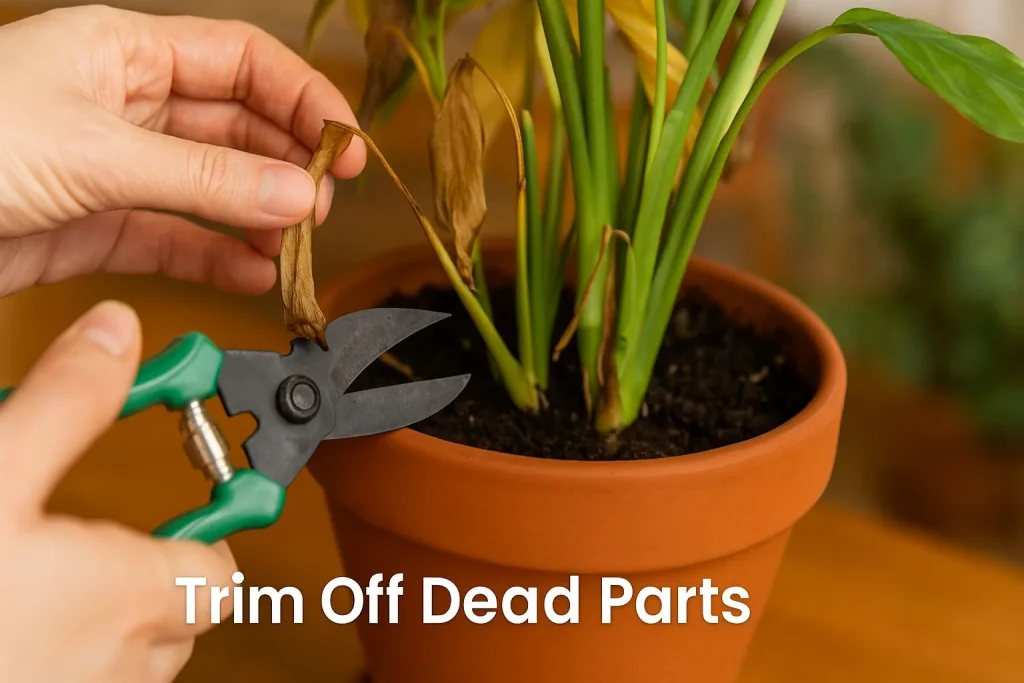
Dead or damaged parts can harm the entire plant. Removing them keeps the plant safe from disease and insects.
Check your plants often for brown or broken branches. Cut them off to promote a healthy environment.
- Use clean, sharp scissors or pruners
- Cut at an angle to prevent water damage
- Dispose of removed parts properly
Encouraging New Growth
Pruning not only removes bad parts but also encourages new growth. It stimulates the plant to grow more branches and leaves.
Trim lightly to give your plant a chance to grow back fuller and stronger. This helps in increasing flowers or fruit production.
Tools And Timing
Using the right tools makes pruning easier and safer. Timing is also key to ensure your plant benefits the most.
Choose tools that are clean and sharp. Prune during the growing season for best results.
- Hand pruners for small branches
- Loppers for thicker branches
- Prune in spring or early summer

Credit: www.youtube.com
Fertilizing For Health
Fertilizing garden plants helps them grow strong and healthy. Proper nutrients support leaves, flowers, and roots. Knowing how to fertilize can bring your plants back to life.
Use the right fertilizer and apply it correctly. The right amount and timing keep plants from getting sick or weak. This guide explains the basics of fertilizing for plant health.
Choosing The Right Fertilizer
Pick fertilizers based on the needs of your garden plants. Different plants need different nutrients. Look for fertilizers that supply nitrogen, phosphorus, and potassium.
- Use balanced fertilizers like 10-10-10 for general growth.
- Choose high nitrogen fertilizers for leafy plants.
- Pick high phosphorus fertilizers to boost flowers and fruits.
- Consider organic fertilizers for slow and steady nutrient release.
Application Methods
Fertilizers can be applied in several ways. Each method suits different plant types and garden setups.
| Method | Description | Best For |
|---|---|---|
| Granular | Spread dry fertilizer around plants | Vegetables, shrubs |
| Liquid | Mix fertilizer with water and spray or pour | Indoor plants, flowers |
| Slow-Release | Fertilizer that releases nutrients over time | Lawn, trees |
| Foliar Feeding | Spray nutrients directly on leaves | Quick nutrient boost |
Frequency And Dosage
Feed plants at the right time and amount. Too much fertilizer can harm plants. Too little slows growth.
- Apply fertilizer every 4 to 6 weeks during growing season.
- Check fertilizer packaging for specific dosage instructions.
- Reduce feeding in fall and winter when plants grow slower.
- Water plants after fertilizing to help nutrients soak in.
Managing Pests And Diseases
Garden plants often suffer from pests and diseases. Managing them helps plants stay healthy and grow strong.
Using safe and natural methods can protect your plants without harming the environment.
Natural Pest Control Options
Natural pest control uses plants and animals to keep pests away. It avoids harsh chemicals and helps the garden balance.
- Introduce ladybugs to eat aphids.
- Use neem oil spray to repel insects.
- Plant marigolds to deter nematodes.
- Apply garlic spray to keep pests off leaves.
- Encourage birds that feed on insects.
Identifying Common Diseases
Plants get sick from fungi, bacteria, and viruses. Spotting disease signs early helps stop spread.
| Disease | Signs | Plant Type |
| Powdery Mildew | White powder on leaves | Roses, cucumbers |
| Leaf Spot | Dark spots on leaves | Tomatoes, beans |
| Root Rot | Wilting, brown roots | Houseplants, shrubs |
| Rust | Orange spots on leaves | Beans, hollyhocks |
Preventive Measures
Stopping pests and diseases is better than fixing them. Careful steps keep plants healthy all season.
- Water plants early in the day to dry leaves quickly.
- Remove dead or diseased leaves regularly.
- Space plants to allow good air flow.
- Use clean tools to avoid spreading germs.
- Rotate crops to reduce soil diseases.
Repotting And Transplanting
Garden plants sometimes need a new home to grow healthy and strong. Repotting and transplanting help plants get more space and fresh soil.
These actions can save plants that look weak or have stopped growing well. Knowing when and how to do this is important for plant health.
When To Repot
Repot plants when their roots fill the pot or grow out of drainage holes. Also repot if soil dries out too fast or the plant looks unhealthy.
Young plants usually need repotting every year. Older plants may need it every two to three years.
- Roots circling the pot surface
- Plant grows slower than usual
- Soil loses nutrients quickly
- Plant wilts easily after watering
Steps For Successful Transplant
Start by watering the plant a day before transplanting. This keeps the roots moist and less stressed.
Gently remove the plant from its pot. Loosen the roots carefully if they are tightly bound. Place the plant in the new container or garden spot.
- Water the plant before moving
- Remove the plant carefully
- Loosen tight roots with fingers
- Use fresh soil in the new pot
- Water the plant after transplanting
- Keep the plant shaded for a few days
Choosing Suitable Containers
Pick containers that are slightly bigger than the current pot. This gives roots room to grow without drowning the plant.
Make sure the pot has drainage holes. Good drainage stops water from sitting at the bottom and harming roots.
- Size 1-2 inches larger in diameter
- Made of breathable materials like clay or terracotta
- Has enough drainage holes
- Fits the plant’s growth needs
Providing Optimal Light
Garden plants need the right light to grow strong and healthy. Too little or too much light can harm them.
Giving plants the proper light helps revive them and supports new growth.
Adjusting Light Exposure
Watch your plants daily to see how they react to light. Move them to brighter or shadier spots as needed.
- Place plants in a spot with morning sun and afternoon shade.
- Turn pots every few days for even light on all sides.
- Remove any objects blocking sunlight from reaching the leaves.
Indoor Vs Outdoor Light Needs
| Light Type | Indoor Plants | Outdoor Plants |
| Sunlight Hours | 4-6 hours indirect | 6-8 hours direct |
| Light Intensity | Low to medium | Medium to high |
| Common Issues | Too dark, leggy growth | Too much sun, leaf burn |
Indoor plants need gentler light than outdoor plants. Outdoor plants handle stronger sun but need shade during peak hours.
Using Grow Lights
Grow lights help plants get light inside homes or in low sunlight places. Use them to fill light gaps.
- Keep lights 6 to 12 inches above plants.
- Use full-spectrum LED lights for best growth.
- Provide 12 to 16 hours of light daily.
- Turn lights off at night to mimic natural cycles.

Credit: www.youtube.com
Maintaining Consistent Care
Keeping your garden plants healthy needs steady attention. Consistent care helps plants grow strong and recover fast.
Regular care includes watering, feeding, and checking plants often. This keeps them safe from stress and damage.
Establishing A Care Routine
Create a daily or weekly schedule for your plants. Water them at the right times and give fertilizer as needed.
Stick to your routine even if plants look fine. This prevents problems before they start.
- Water early in the morning or late in the evening
- Use the right amount of water for each plant type
- Apply fertilizer according to plant needs and season
- Remove dead leaves and check soil health regularly
Monitoring Plant Progress
Watch your plants closely for signs of change. Look for new growth, leaf color, and overall strength.
Keep notes or photos to track their health. This helps you spot problems early and adjust care.
- Check leaves for yellowing or spots
- Look for wilting or drooping stems
- Notice new buds or flowers forming
- Record any pests or diseases found
Adapting To Seasonal Changes
Change your care routine as the seasons change. Plants need different water and light in spring, summer, fall, and winter.
Prepare plants for colder or hotter weather by adjusting their location or protection.
- Reduce watering in cooler months
- Increase watering during hot, dry periods
- Move plants to shaded areas in summer
- Cover plants to protect from frost in winter

Credit: www.youtube.com
Frequently Asked Questions
How Can I Tell If My Garden Plant Is Dying?
Look for wilting leaves, discoloration, and slow growth. Dry or soggy soil and pest damage also indicate plant stress.
What Are The First Steps To Revive A Garden Plant?
Remove dead leaves, check soil moisture, and prune damaged parts. Ensure proper sunlight and avoid overwatering for recovery.
How Often Should I Water Struggling Garden Plants?
Water when the top inch of soil feels dry. Avoid waterlogging by ensuring good drainage to prevent root rot.
Can Fertilizing Help Revive Unhealthy Garden Plants?
Yes, use a balanced fertilizer to provide essential nutrients. Avoid over-fertilizing, which can harm stressed plants.
Conclusion
Reviving garden plants takes patience and care. Water them well, but avoid overwatering. Give them enough sunlight each day. Remove dead leaves and branches regularly. Use fresh soil or fertilizer to help growth. Watch your plants closely for signs of stress.
Small changes bring big results over time. Keep trying, and your garden will thrive again. Every plant deserves a second chance to grow strong. Gardening is a rewarding journey, step by step.