
Do you ever wonder if you’re giving your garden plants the right amount of water? You’re not alone.
Many gardeners find themselves questioning the best watering schedule to ensure their plants thrive. Watering too much or too little can lead to problems like wilting, root rot, or stunted growth. Imagine your garden bursting with vibrant colors and healthy plants.
This dream can be yours if you understand the right watering frequency. You’ll discover the secrets to perfect watering, tailored to your garden’s needs. Dive in to learn how to make your garden a flourishing paradise!
Factors Affecting Watering Frequency
Watering garden plants is not a one-size-fits-all task. Various factors influence how often your plants need watering. Understanding these factors helps ensure your plants thrive.
Climate And Weather Conditions
Climate plays a vital role in watering frequency. In hot climates, plants need more water due to faster evaporation. Rainy areas require less frequent watering. Keep an eye on daily weather changes. On hot or windy days, your plants might need extra water. Adjust watering routines based on current weather conditions.
Soil Type And Drainage
Soil type significantly affects water retention. Sandy soil drains quickly, so plants need water more often. Clay soil holds water longer, reducing the need for frequent watering. Check your garden’s soil type. Ensure proper drainage to avoid waterlogging. Poor drainage can harm plant roots.
Plant Type And Growth Stage
Different plants have varied water needs. Succulents require less water compared to vegetables. Newly planted seeds or young plants need more frequent watering. Mature plants with established roots can withstand longer periods without water. Always consider the specific needs of each plant type and their growth stage.

Credit: savvygardening.com
Signs Your Plants Need Water
Wilting leaves and dry soil are clear signs your garden plants need water. Check soil moisture regularly, especially during hot weather. Adjust watering schedules based on plant type and climate to keep them thriving.
Understanding the signs your plants need water is crucial for their health. Plants communicate their needs through various signals. Observing these signs helps prevent overwatering or underwatering. Keep your garden thriving with informed care.Wilting Leaves
Leaves droop when plants lack water. It’s a clear distress signal. The plant’s cells lose turgor pressure. This causes leaves to wilt. Check them during midday heat. If leaves recover by evening, water is needed.Dry Soil Surface
Dry soil indicates a need for water. Test the soil by touch. If it feels dry, the plant is thirsty. Insert your finger into the soil. If the top inch is dry, it’s time to water. Soil should be moist but not soggy.Slow Growth
Slow growth suggests water scarcity. Plants need water for photosynthesis. Lack of water hinders nutrient uptake. Observe growth patterns regularly. If growth stagnates, assess watering habits. Adjust to ensure steady development.Optimal Watering Techniques
Watering garden plants might seem simple, but it requires careful attention. Optimal watering techniques ensure plants thrive without wasting water. By understanding these methods, gardeners can keep their plants healthy and vibrant.
Deep Watering Methods
Deep watering encourages roots to grow deeper into the soil. This method helps plants withstand dry periods. Use a slow trickle of water to soak the soil thoroughly. Water should reach at least six inches deep. This promotes strong root systems. Deep watering is more effective than frequent shallow watering.
Timing For Watering
Timing is crucial for effective watering. Early morning is the best time to water plants. Cooler temperatures prevent water from evaporating quickly. Avoid watering in the evening to reduce the risk of fungal diseases. If morning watering isn’t possible, late afternoon is the next best option.
Using Mulch For Moisture Retention
Mulch is a gardener’s friend for moisture retention. It helps keep the soil cool and moist. Spread a layer of mulch around your plants. This reduces evaporation and keeps roots insulated. Organic mulch like straw or wood chips works well. Mulch also suppresses weeds, which compete for water.
Common Watering Mistakes
Watering your garden plants might seem straightforward, but common mistakes can hinder their growth and health. It’s easy to fall into habits that do more harm than good. Let’s dive into some frequent watering missteps and how to avoid them.
Overwatering Dangers
Overwatering is a pitfall many gardeners face, often with the best intentions. You might think more water means healthier plants, but excess water can suffocate roots and lead to rot. Imagine spending hours nurturing your garden only to find it wilting due to too much care. To avoid this, check the soil moisture before watering and ensure proper drainage. Even plants that love water can drown if their roots can’t breathe.
Ignoring Seasonal Changes
Seasons change, and your watering routine should too. During the cooler months, plants require less water compared to the scorching summer days. Have you noticed how your garden perks up after a light rain in spring but struggles with overwatering in winter? Adjusting your watering schedule with the seasons can prevent stress on your plants, keeping them vibrant and thriving. Always consider the climate and the plant’s natural cycle.
Improper Watering Tools
The right tools make all the difference in effective watering. Using a hose with high pressure can damage delicate plants, while a watering can might not evenly distribute water to larger areas. Ever tried watering a bed of flowers with a small jug only to find some parts dry and others soaked? Investing in a good quality watering system that suits your garden size and plant needs can save time and ensure each plant gets the right amount of water. Choose tools that match the scale and type of your garden for optimal results.
Watering Tips For Different Plants
Watering garden plants properly is crucial for their health and growth. Different plants have different watering needs. Understanding these needs helps maintain a thriving garden. Here are some watering tips for various types of plants.
Vegetables And Herbs
Vegetables and herbs need consistent moisture. They often have shallow roots. Water them deeply but less frequently. This encourages deeper root growth. Early morning is the best time for watering. This reduces evaporation and fungal diseases. Consider the weather; rain can reduce the need for watering. Mulch around plants helps retain soil moisture.
Flowers And Ornamentals
Flowering plants have varied water needs. Annuals usually need more water than perennials. Check soil moisture before watering. Flowers prefer deep watering to reach the roots. Morning watering is ideal for flowers. This helps prevent leaf diseases. Drip irrigation is effective for ornamentals. It directs water to the root zone, reducing waste.
Trees And Shrubs
Trees and shrubs need less frequent watering. They have deeper roots than other plants. Water deeply to encourage strong root growth. Focus on the drip line rather than the trunk. The drip line is where water naturally drips from the canopy. During dry spells, increase watering frequency. Young trees need more water as they establish. Mulching helps retain moisture and keep roots cool.
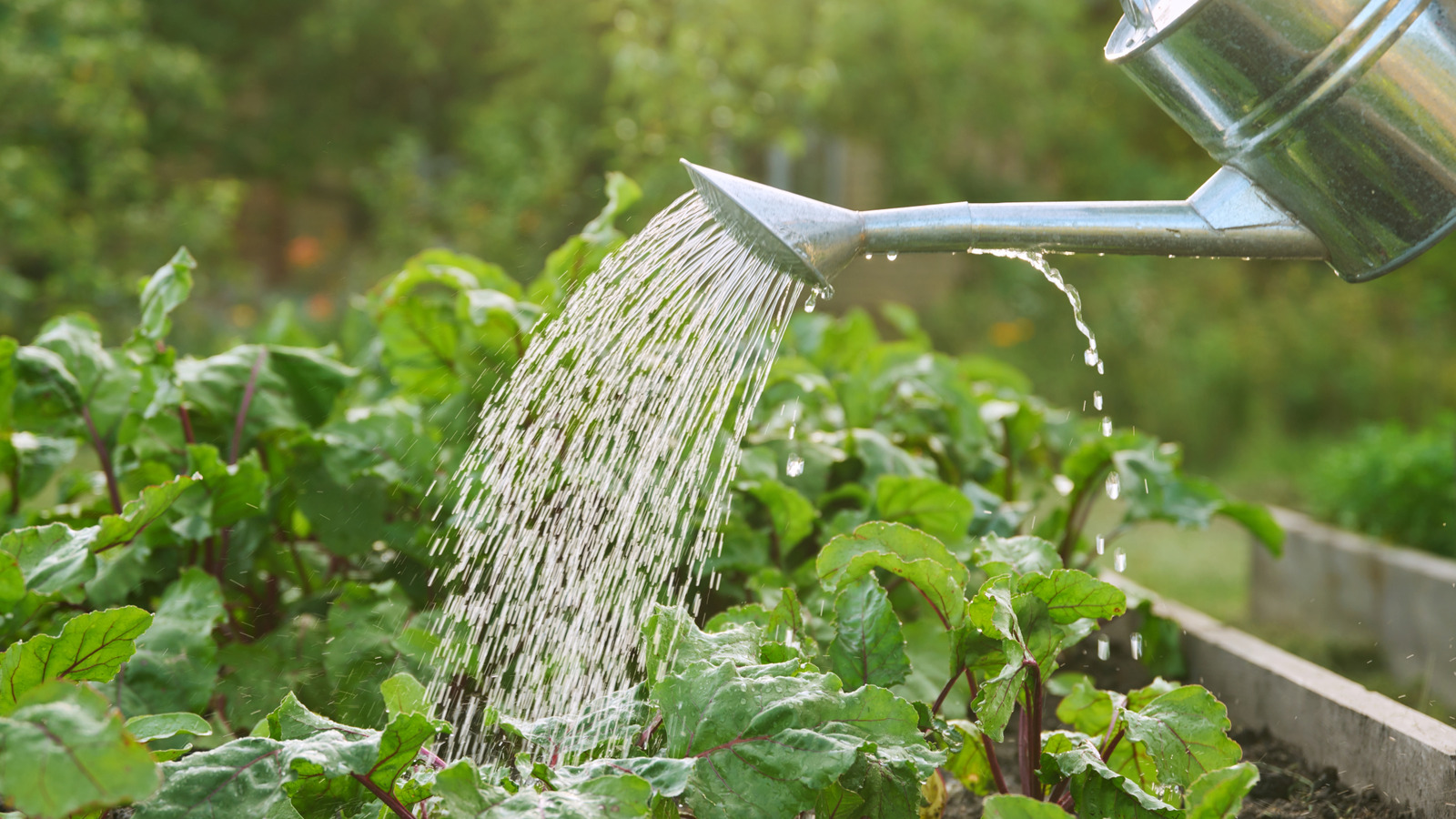
Credit: www.chowhound.com
Adapting Watering Practices
Adjust watering based on plant type, weather, and soil. Most garden plants need water once or twice weekly. Always check soil moisture before watering to ensure proper hydration.
Adapting your watering practices is crucial to maintaining a thriving garden. Every plant has unique needs, and understanding these will help you make informed decisions. Environmental factors like climate and location also play a significant role in how often you should water your garden plants.Drought Conditions
During drought conditions, water conservation becomes vital. It’s essential to water deeply but less frequently to encourage roots to grow deeper into the soil. You might consider using drip irrigation or soaker hoses to minimize water waste and ensure that the water reaches the plant roots effectively. Mulching can also help retain soil moisture by reducing evaporation. My neighbor once transformed her garden during a drought by mulching her plants and switching to a nighttime watering schedule. This simple change helped her conserve water and keep her plants healthy.Rainy Seasons
Rainy seasons can be tricky, as overwatering can lead to root rot and other issues. It’s important to assess the soil moisture before adding any additional water. Stick your finger into the soil; if it feels moist, hold off on watering. Creating adequate drainage is another key aspect. For instance, raised beds or containers with drainage holes can prevent water from pooling and drowning your plants.Indoor Vs. Outdoor Plants
Indoor plants typically require less frequent watering compared to outdoor plants, as they are not exposed to direct sun and wind. However, indoor environments can vary, so it’s crucial to monitor humidity levels and adjust accordingly. Outdoor plants might need more frequent watering, especially during hot, dry spells. You can group plants with similar water needs together to streamline your watering routine. Whether your plants are inside or outside, always consider their specific needs to keep them healthy and thriving.
Credit: savvygardening.com
Frequently Asked Questions
How Often Should I Water Garden Plants?
Water garden plants once or twice a week, depending on weather conditions. In hotter climates, plants may require more frequent watering. Ensure the soil is moist, not soggy. Consistent watering helps plants thrive and grow well.
What Factors Affect Plant Watering Frequency?
Several factors influence watering frequency, including plant type, soil quality, and climate. Plants in sandy soil need more water. Environmental factors like humidity and rainfall also affect watering needs. Understanding these factors ensures optimal plant health.
Can Overwatering Harm Garden Plants?
Yes, overwatering can damage garden plants by suffocating roots and causing root rot. It prevents oxygen from reaching roots, weakening plants. Monitor soil moisture levels to avoid overwatering. Proper drainage is crucial to maintain healthy plants.
How Can I Tell If Plants Need Water?
Check soil moisture by sticking your finger into the soil. If the top inch is dry, water your plants. Wilting leaves and dry soil are signs of dehydration. Regularly monitor plants for these indicators to ensure proper hydration.
Conclusion
Watering garden plants needs careful attention. Each plant has different needs. Check soil moisture before watering. This helps prevent overwatering. Overwatering can harm plants. Observe plant leaves for signs of thirst. Wilting leaves mean it’s time to water. Morning is the best time to water.
It reduces evaporation. Use mulch to retain soil moisture longer. Adjust watering frequency with weather changes. Hot days might need more water. Cooler days require less. Consistent care ensures healthy plants. Happy gardening!







