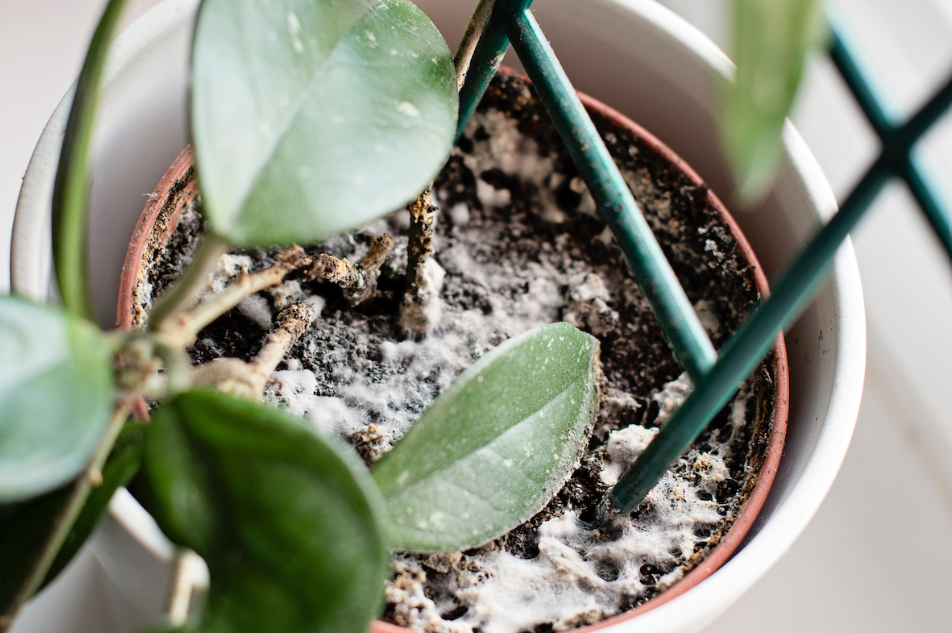
Are you struggling with mold on your indoor garden plants? It’s a common problem that can turn your lush, green sanctuary into a moldy mess.
You might feel frustrated seeing your beloved plants suffocate under layers of mold, but don’t worry – you’re not alone, and you can fight back. You’ll discover simple and effective ways to kill mold and prevent it from returning, ensuring your indoor oasis thrives.
Imagine walking into your room and breathing in the fresh, clean air, with your plants looking healthier than ever. Keep reading to unlock the secrets to a mold-free indoor garden. Your plants deserve it, and so do you!
Identifying Mold On Plants
Spotting mold on plants can be tricky. Look for white, fuzzy patches or black spots on leaves and stems. Ensuring proper ventilation and reducing moisture helps eliminate mold in indoor gardens.
Identifying mold on indoor garden plants can be a bit of a detective task. But knowing what to look for can save your plants from potential harm. Mold isn’t just unsightly; it can be a sign of underlying issues with your plant care routine. Spotting mold early can prevent it from spreading and ensure your plants stay healthy and vibrant.Common Mold Types
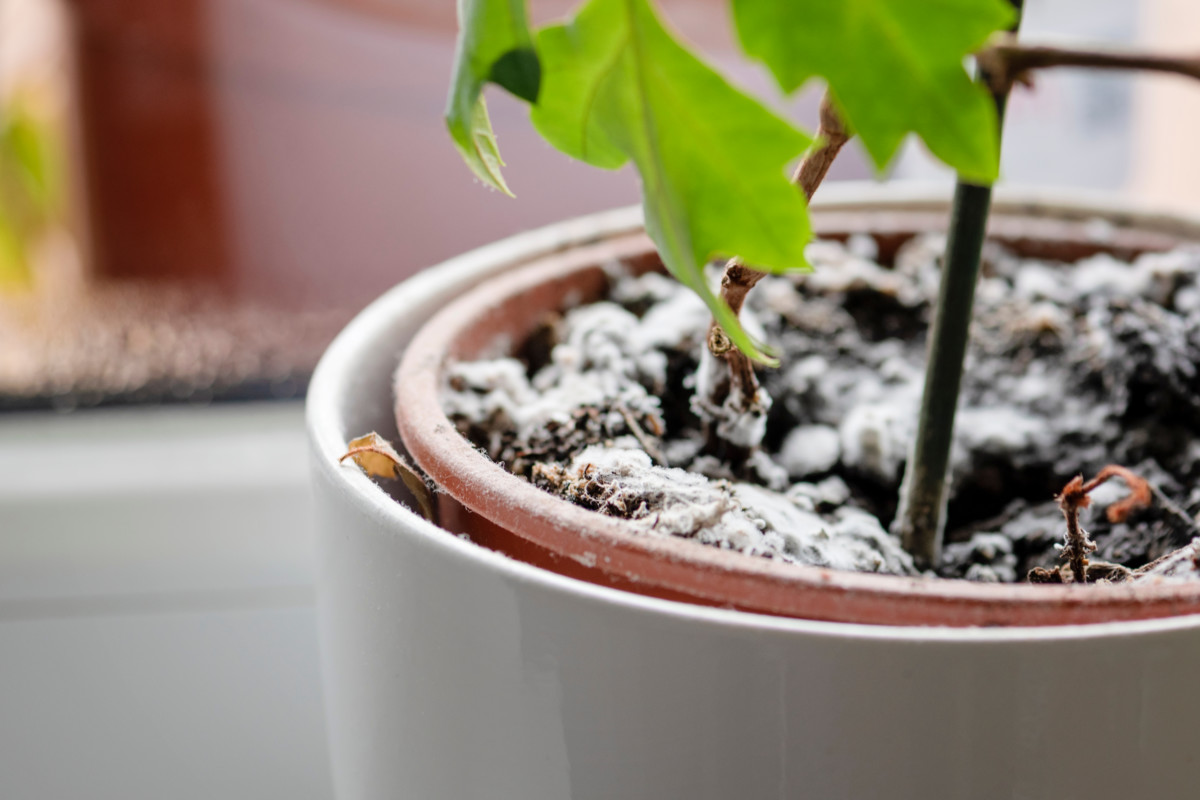
There are various types of mold that can affect indoor plants. White mold often appears as a fuzzy, cotton-like growth on soil or plant surfaces. Grey mold, also known as Botrytis, tends to form in humid conditions and is commonly found on flowers and stems. Black mold usually appears as dark spots on leaves and is particularly harmful as it can spread quickly. Each type requires specific attention to ensure it doesn’t wreak havoc on your garden.Signs Of Mold Presence
How can you tell if mold is lurking on your plants? Look for discoloration or unusual spots on leaves. If you notice a fuzzy coating or powdery substance, it could be mold. Take note of wilting or stunted growth, as these can be signs that mold is affecting your plant’s health. Remember, healthy plants should have vibrant leaves and consistent growth. If your plant’s appearance changes, it’s time to investigate. Are you checking your plants regularly? Regular observation is your best defense against mold. Consider keeping a diary of your plant’s health, noting any changes. It might seem tedious, but it can reveal patterns and help you catch mold early. A little vigilance can go a long way in keeping your indoor garden thriving.Causes Of Mold Growth
High humidity and poor air circulation encourage mold growth on indoor garden plants. Overwatering can also lead to mold problems, creating a damp environment.
Mold on indoor garden plants can be a real nuisance, and understanding its causes is the first step in tackling this pesky problem. Mold thrives in specific conditions, and by identifying these, you can take targeted actions to prevent its growth. Let’s dive into the primary factors that contribute to mold growth on your beloved plants.Environmental Factors
Mold loves humidity, and indoor environments can often provide the perfect breeding ground. If your home is too humid, mold spores can settle and grow on plant leaves and soil. Consider the placement of your plants. Are they near a drafty window or a humid bathroom? Such locations can create microclimates that encourage mold growth. Additionally, lack of airflow can exacerbate the situation. Ensure your plants are in a spot with good air circulation to keep mold at bay.Watering Practices
Overwatering is one of the most common mistakes that lead to mold growth. When soil remains too wet, it creates an ideal environment for mold to flourish. Be mindful of how much water your plants actually need. Check the soil moisture before watering to avoid drenching it unnecessarily. You might be surprised to learn that watering at the wrong time can also be a factor. Watering in the evening can leave leaves damp overnight, giving mold an opportunity to develop. By addressing these causes, you can significantly reduce mold growth on your indoor plants. Have you noticed any other factors contributing to mold in your indoor garden?Preventative Measures
Keep indoor plants mold-free by ensuring good air circulation. Water plants only when the soil is dry. Use natural antifungal sprays like neem oil to prevent mold growth effectively.
Preventative measures play a crucial role in keeping mold at bay on indoor garden plants. By implementing simple strategies, you can maintain a healthy and vibrant indoor garden. Mold can damage your plants, but with the right steps, you can prevent it effectively.Proper Ventilation
Ensure your indoor garden has good airflow. Open windows or use fans to circulate air. This helps keep the environment dry and discourages mold growth. Avoid placing plants too close together. Space them out to allow air to move freely around each plant.Regular Maintenance
Inspect your plants regularly for signs of mold. Look under leaves and on the soil surface. Remove any dead leaves or debris promptly. This reduces areas where mold can thrive. Water your plants only when necessary. Overwatering can create a damp environment perfect for mold.Natural Remedies
Indoor gardening is a delightful hobby, but mold can be a persistent issue that threatens the health of your plants. Luckily, natural remedies offer an effective way to tackle this problem without resorting to harsh chemicals. Utilizing ingredients commonly found in your pantry, you can easily create solutions that not only combat mold but also support the well-being of your plants.
Vinegar Solution
Vinegar is a versatile household staple that can serve as a powerful mold fighter. Its acidity works to kill mold spores and prevent their return. Mix one part vinegar with three parts water in a spray bottle. Apply directly to the affected areas of your plants.
Ensure thorough coverage, especially on leaves and stems where mold tends to thrive. I once had a stubborn mold problem on my indoor basil plant. After using vinegar, the mold disappeared within days, and my basil leaves regained their vibrant green color.
Vinegar is safe for most plants, but it’s wise to test a small area first to ensure there’s no adverse reaction. What unexpected uses have you found for vinegar in your home?
Baking Soda Spray
Baking soda is another kitchen hero that can come to your rescue. Its alkaline nature helps to inhibit mold growth. Create a spray by mixing one tablespoon of baking soda with two cups of water. Add a few drops of dish soap to help the solution adhere to plant surfaces.
Spray generously on moldy areas, ensuring the leaves are well-coated. In my experience, this remedy worked wonders on a moldy tomato plant, restoring its health and vitality. It’s a simple yet effective solution that also neutralizes odors.
Consider applying this spray weekly as a preventive measure. Have you ever tried using baking soda for cleaning purposes? It might surprise you how versatile it can be!
Chemical Solutions
Chemical solutions effectively eliminate mold on indoor garden plants. These solutions target mold growth while preserving plant health. Proper application ensures mold-free indoor gardens.
Chemical solutions offer a reliable way to tackle mold on indoor plants. They work quickly and effectively. Yet, they require careful use. Understanding the right products and how to apply them is crucial. This ensures plants remain healthy and mold-free. Let’s explore the most common chemical solutions and how to use them safely.Fungicides
Fungicides are a popular choice for mold control. They target and eliminate mold spores on contact. There are different types available, including organic and synthetic options. Choose a fungicide labeled for indoor plants. This ensures safety and effectiveness. Before using a fungicide, read the label carefully. Follow the instructions for mixing and application. Spray the solution evenly on affected plant areas. Repeat treatments as recommended for best results.Safe Usage Tips
Always wear protective gear when handling chemicals. Gloves and masks keep you safe. Apply fungicides in a well-ventilated area. This minimizes inhalation risks. Avoid spraying fungicides during the plant’s flowering phase. This prevents damage to blooms. Keep pets and children away during and after application. Store chemicals in a cool, dry place, out of reach. Mix only the amount needed for immediate use. This prevents waste and potential hazards. Check the plant’s response after application. Discontinue use if any adverse effects occur.
Credit: www.idyl.co.in
Improving Plant Health
Removing mold from indoor garden plants involves using a mild solution of water and vinegar. Gently wipe leaves with a cloth soaked in the mixture to eliminate mold. Ensure proper air circulation and sunlight to prevent future mold growth.
Improving Plant Health Taking care of your indoor garden plants is crucial in preventing mold and other diseases. Healthy plants are more resilient and less susceptible to infections. By focusing on enhancing their overall health, you can create a thriving environment that naturally deters mold growth.Nutrient Management
Ensuring your plants receive the right nutrients is vital. Use a balanced fertilizer to provide essential minerals, which boost their immunity against mold. Monitor your soil’s pH levels regularly. Adjust them as needed to maintain optimal conditions for nutrient absorption. Consider natural alternatives such as compost or worm castings to enrich the soil. These can improve plant health without harsh chemicals.Pruning Techniques
Pruning is more than just cutting away dead leaves. It’s a strategic way to improve airflow around your plants, reducing moisture and the risk of mold. Trim off any crowded or overlapping leaves. This opens up space for light and air, promoting healthy growth. Regularly remove any infected or damaged parts of the plant. This prevents mold from spreading and helps maintain a healthier plant overall. Are there areas in your garden that seem prone to mold? Focus your pruning efforts there to improve conditions and protect your plants.When To Seek Professional Help
Dealing with mold on indoor garden plants can be challenging. Sometimes, the infestation might be too severe for home remedies. Knowing when to seek professional help is crucial for protecting your plants and home environment.
Severe Mold Cases
In severe mold cases, the growth spreads rapidly across multiple plants. Mold can damage plant health and spread to other areas. If mold covers large areas of your plants, it’s time to consider expert advice.
Professionals can assess the situation and determine the best treatment. This ensures mold doesn’t return. They can also help identify underlying issues that cause mold growth.
Professional Services
Professional services offer specialized treatments for mold removal. These experts use safe techniques that won’t harm your plants. They have access to tools and products that are not easily available. This ensures thorough and effective mold elimination.
Hiring a professional might seem costly, but it saves time and effort. It also prevents further damage to your indoor garden. Consider reaching out to mold removal experts if the problem persists.

Credit: www.facebook.com
Credit: www.ruralsprout.com
Frequently Asked Questions
How Do I Identify Mold On Plants?
Mold appears as fuzzy, discolored spots on leaves or stems. It can be white, black, or gray. Check for wilting or stunted growth as signs. Regularly inspect your plants, especially in humid conditions. Early detection is key to effective treatment and ensuring plant health.
What Causes Mold In Indoor Gardens?
Mold thrives in damp, humid environments with poor air circulation. Overwatering and lack of sunlight can contribute. Ensure your plants are not overcrowded and have adequate ventilation. Adjust watering habits and increase sunlight exposure to prevent mold growth in your indoor garden.
Can Mold Harm Indoor Garden Plants?
Yes, mold can damage plants by blocking photosynthesis and stunting growth. It may cause leaves to wilt and die. Mold can spread quickly if untreated, affecting surrounding plants. Regular inspections and timely interventions help maintain plant health and prevent mold damage.
How Do I Remove Mold From Plants?
Remove mold by cutting off affected areas and disposing of them. Use fungicidal sprays or homemade remedies like diluted vinegar. Ensure plants are well-ventilated and reduce humidity levels. Monitor plants closely to prevent recurrence and maintain a healthy indoor garden environment.
Conclusion
Mold on indoor plants can be a real issue. It affects growth and health. Regular care keeps plants mold-free. Remove affected leaves right away. Ensure proper air circulation and light. Water plants carefully to prevent mold. Use natural solutions for treatment.
Baking soda and vinegar work well. These methods ensure a healthy indoor garden. Consistent care leads to happy plants. Enjoy your beautiful, mold-free plants at home.







