
Imagine spending countless hours nurturing your garden, only to wake up and find deer have turned it into their midnight buffet. Frustrating, isn’t it?
These graceful creatures might be a delight to watch from afar, but when they trample through your carefully tended plants, the charm quickly fades. You might feel like you’re fighting a losing battle, but there’s good news. You can reclaim your garden and protect your plants without resorting to drastic measures.
You’ll discover effective strategies to keep deer at bay, ensuring your garden thrives. Ready to safeguard your green sanctuary? Let’s dive in and explore practical tips that work.
Credit: www.homesandgardens.com
Understanding Deer Behavior
Understanding deer behavior can help protect garden plants. Use strong-smelling plants or barriers to deter curious deer.
Understanding deer behavior is crucial if you want to keep them away from your garden plants. These graceful creatures can easily turn your thriving garden into a buffet, munching on your hard-earned greenery. But why do deer find your plants so irresistible? What motivates their movements and feeding habits? By grasping the basics of deer behavior, you can develop more effective strategies to protect your garden.Understanding Deer Feeding Habits
Deer are primarily nocturnal feeders, often visiting gardens under the cover of darkness. They are attracted to tender shoots and leaves, especially during spring and summer when vegetation is lush. Recognizing this pattern can help you schedule deterrents effectively. Deer have a preference for certain types of plants. They tend to avoid those with strong scents or fuzzy textures, like lavender or lamb’s ear. Knowing which plants deer favor can guide your planting choices and help you design a garden that’s less appealing to them.Deer Movement Patterns
Deer travel along established paths, often following terrain features like tree lines or streams. Observing these trails can provide insights into their entry points into your garden. By understanding their routes, you can place barriers or deterrents strategically. Seasonal changes influence deer movement. During mating season or harsh weather, deer may alter their usual paths. This unpredictability means you need to adapt your strategies to keep them at bay effectively.Deer Senses And Perception
Deer possess acute senses, especially smell and hearing. They can detect predators or disturbances from a significant distance. Using this knowledge, you can employ repellents that target these senses, making your garden less inviting. Visual deterrents also play a role in keeping deer away. Deer are cautious creatures, wary of unfamiliar objects. Introducing visual barriers or motion-activated devices can confuse and deter them from entering your garden.Personal Experience: The Curious Case Of The Missing Roses
One evening, I noticed my prized roses were nibbled down to the stems. The culprit? A family of deer passing through. By understanding their behavior, I added strong-scented plants as a natural barrier. This simple change significantly reduced their visits. Have you ever found your garden mysteriously ravaged overnight? What insights can you gain from understanding deer behavior that might change the way you protect your plants?Effective Fencing Solutions
Gardens attract deer, drawn by tender plants and flowers. Protecting your garden requires effective solutions. Fencing is a reliable choice to keep deer away. It creates a physical barrier, ensuring your plants remain untouched. Let’s explore how to build an efficient fence for your garden.
Choosing The Right Height
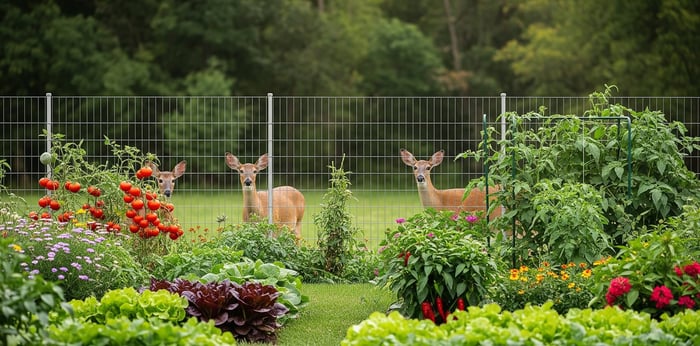
Deer are skilled jumpers; a tall fence is necessary. Aim for a fence at least 8 feet high. This height deters most deer from attempting to jump over. In areas with high deer activity, consider taller options for better protection.
Materials And Installation Tips
Choose sturdy materials like wire mesh or wood. These provide durability and can withstand weather conditions. When installing, ensure the fence is firmly anchored. This prevents deer from pushing through or knocking it down.
Consider adding angled extensions at the top. This further prevents deer from jumping over. For added protection, use electric fencing. It delivers a small shock, deterring deer from approaching. Ensure the fence is visible. Deer often avoid barriers they can clearly see.
Using Natural Deterrents
Natural deterrents can help keep deer away from garden plants. Try planting strong-scented herbs like mint or rosemary. Hanging bars of soap or sprinkling human hair around can also deter deer effectively.
Keeping deer away from your garden can be a challenging task, but natural deterrents offer a humane and eco-friendly solution. These methods not only protect your plants but also ensure that the local ecosystem remains undisturbed. Let’s dive into some practical ways you can deter deer using natural methods.Scent-based Repellents
Deer have a keen sense of smell, which can be used to your advantage. By introducing certain scents around your garden, you can effectively keep them at bay. Consider using strong-smelling herbs like rosemary or lavender. Plant them around the perimeter of your garden to create a natural barrier. Another option is to use essential oils such as peppermint or eucalyptus. Dilute them with water and spray the mixture around your garden. This approach not only deters deer but also provides a pleasant aroma for you to enjoy.Homemade Remedies
Have you ever thought about using ingredients from your kitchen as a deterrent? A simple solution of garlic and chili pepper can work wonders. Mix minced garlic and crushed chili peppers with water, let it sit overnight, and spray it around your plants. Another effective remedy is a mix of eggs and water. The smell of eggs can be off-putting to deer. Blend eggs with water, let the mixture sit for a few hours, and apply it to your garden. Remember, these solutions need reapplication, especially after rain. Incorporating these natural deterrents into your gardening routine can make a noticeable difference. What other creative solutions have you tried to keep deer away from your garden?
Credit: www.facebook.com
Selecting Deer-resistant Plants
Choose deer-resistant plants to protect your garden. Opt for aromatic or textured varieties like lavender, marigolds, or sage. These plants deter deer, helping preserve your garden’s beauty.
Selecting plants that deer find unappealing can protect your garden. These plants are less likely to attract hungry deer. Knowing which plants to choose can save your garden from damage.Types Of Plants
Some plants are naturally deer-resistant. Herbs like lavender and sage have strong scents. Deer dislike these smells. Ornamental grasses, such as fountain grass, are also good choices. Their texture is not appealing to deer. Shrubs like boxwood and juniper are often avoided by deer. They prefer softer foliage.Planting Strategies
Planting strategically can deter deer. Place deer-resistant plants at the garden’s edge. This creates a natural barrier. Interplanting can also be effective. Mix deer-resistant plants with more vulnerable ones. The scent and texture can confuse deer. Use dense planting. Crowded plants are harder for deer to navigate. These strategies help create a deer-free zone in your garden.Incorporating Physical Barriers
Gardening is a rewarding hobby, but it can be frustrating when deer treat your garden like a buffet. One effective way to protect your plants is by using physical barriers. These barriers can deter deer without harming them, allowing you to enjoy your garden in peace. Let’s explore some practical ways to keep deer out using physical barriers.
Netting And Mesh Options
Using netting and mesh is a straightforward solution. They create a physical barrier that deer cannot easily penetrate. You can use materials like polypropylene mesh, which is durable and resistant to weather changes. This type of mesh is easy to install and can cover large areas or specific plants. Deer are less likely to approach a garden with these barriers, as their noses and legs don’t enjoy the tangled feel.
Consider using flexible mesh that can be draped over shrubs or wrapped around trees. Choose colors like black or green to blend naturally with your garden landscape. Mesh is often more affordable than fencing, making it a practical option for large gardens. Have you considered using netting as a temporary solution during peak deer activity? It’s a great way to protect new plantings or vulnerable species.
Strategic Plant Placement
Plant placement can be just as effective as physical barriers. By strategically placing deer-resistant plants around your garden, you can create a natural deterrent. Species like lavender, marigolds, and rosemary are less appealing to deer due to their strong scent and taste. Surrounding your more vulnerable plants with these can act as a natural barrier.
Consider placing taller, robust plants on the outer edges of your garden. This not only creates a visual barrier but also makes deer less likely to venture further in. Have you thought about mixing plant heights to add complexity to your garden layout? This can confuse deer, making it harder for them to reach their preferred snacks.
Ultimately, combining physical barriers with strategic plant placement can create an effective and harmonious defense against deer. What’s your strategy for keeping your garden safe from these unwelcome visitors?
Credit: deerbusters.com
Utilizing Motion-activated Devices
Deer can be charming from afar but troublesome in gardens. They feast on plants, leaving gardeners frustrated. Motion-activated devices can protect your garden effectively. These tools startle deer, keeping them away without harm. Let’s explore some effective options for safeguarding your plants.
Sound And Light Deterrents
Sound deterrents use sudden noises to scare deer. Devices emit sounds when they detect movement. This unexpected noise frightens deer, prompting them to leave. Light deterrents flash bright lights when activated. The sudden burst of light startles deer, encouraging them to retreat. These tools create an uncomfortable environment for deer, keeping them away.
Water Sprinkler Systems
Water sprinkler systems activate when motion is detected. They spray water at any moving creature. The sudden burst of water surprises deer, discouraging them from entering. This harmless method is effective in deterring deer. It also provides extra water for your plants. This dual function makes water sprinklers a smart choice for gardeners.
Community And Expert Resources
Gardening can be a peaceful hobby, but deer can disrupt that joy. They munch on your plants, leaving you frustrated. Community and expert resources offer valuable help. They provide advice and solutions to keep deer away. Let’s explore how local groups and wildlife experts can assist you.
Local Gardening Groups
Local gardening groups are a treasure trove of knowledge. They share tips from personal experiences. You can learn what has worked for other gardeners. Join these groups for regular meetings. Online forums and social media groups are also helpful. Members often share real-time updates about deer activity. This shared wisdom can help you protect your garden.
Consulting Wildlife Experts
Wildlife experts understand animal behavior deeply. They can advise you on effective deterrents. Reach out to local wildlife agencies for guidance. They may offer workshops or informational sessions. Some experts can visit your garden for a detailed assessment. They suggest specific plants that deer dislike. This can help you plan your garden layout wisely.
Frequently Asked Questions
How Can I Naturally Deter Deer From My Garden?
Plant strong-scented herbs like lavender and rosemary. Use homemade sprays with garlic or hot pepper. Install motion-activated lights or sprinklers. These methods can help keep deer away without harming them.
What Are The Best Deer-resistant Plants?
Deer-resistant plants include marigolds, daffodils, and lavender. These plants have scents or textures that deer dislike. Incorporating these into your garden can help deter deer naturally.
Do Deer Repellents Really Work?
Yes, commercial deer repellents can be effective. They often contain scents or tastes that deer find unpleasant. Regular application is necessary for best results. Combining repellents with other deterrents increases effectiveness.
Will Fencing Keep Deer Away From Plants?
Yes, fencing is an effective barrier. A fence should be at least 8 feet high. This prevents deer from jumping over it. Ensure it’s sturdy and regularly checked for any damage.
Conclusion
Keeping deer away from garden plants is achievable with smart strategies. Try natural repellents like garlic or soap. Consider installing fences for protection. Plant deer-resistant flowers and herbs. Use motion sensors to deter their presence. Regularly check your garden for signs of deer.
Experiment with different techniques until you find what works best. Stay consistent in your efforts. This ensures your garden remains safe and beautiful. Protecting your plants requires patience and creativity. Make your garden an unwelcome place for deer. Enjoy a thriving garden without the worry of deer damage.
Happy gardening!







