Imagine stepping into your kitchen, ready to elevate your culinary creations with a pinch of fresh basil or a sprig of fragrant rosemary. Having your own indoor herb garden can make this a reality, and it’s easier than you might think.
Whether you’re a seasoned chef or a beginner cook, growing your own herbs indoors offers not only fresh flavors but also a delightful, aromatic experience. This video guide will walk you through every step of the process, ensuring your indoor herb garden flourishes.
Discover how simple it is to transform a small space into a vibrant, green oasis. You won’t just learn how to plant herbs; you’ll unlock a new level of freshness in your cooking. Ready to cultivate your green thumb and enhance your meals? Let’s dive in and watch your kitchen come alive.
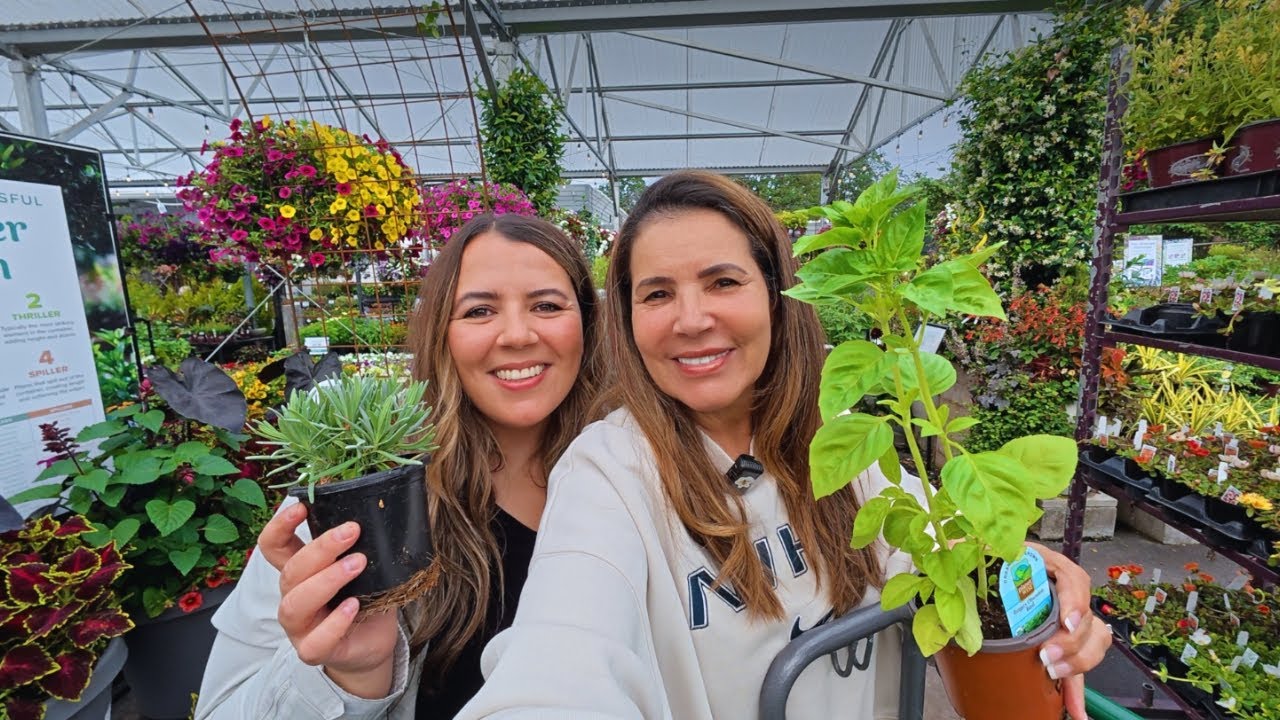
Credit: www.youtube.com
Choosing Herbs For Indoor Growth
Creating an indoor herb garden brings fresh flavors to your kitchen. The first step is choosing the right herbs for indoor growth. Some herbs thrive indoors, offering fragrance and beauty. Selecting suitable varieties ensures a thriving garden. Let’s explore popular herb varieties and herbs perfect for an indoor environment.
Popular Herb Varieties
Several herbs are popular for indoor gardens. Here are some favorites:
- Basil:Ideal for Italian dishes. Needs sunlight and regular watering.
- Mint:Perfect for teas and desserts. Grows well in pots.
- Parsley:Adds flavor to soups. Easy to grow indoors.
- Chives:Great for salads. Requires minimal care.
- Thyme:Complements roasted dishes. Thrives in sunny spots.
Herbs Suitable For Indoor Environment
Certain herbs adapt well to indoor settings. Consider these options:
- Oregano:Prefers dry conditions. Suits sunny windowsills.
- Cilantro:Likes cool temperatures. Needs indirect sunlight.
- Sage:Low maintenance. Enjoys moderate sunlight.
- Rosemary:Needs good drainage. Loves bright light.
- Dill:Requires deep pots. Appreciates moderate light.
Choose herbs based on your space and light availability. Experimenting with different herbs can be rewarding. Enjoy fresh flavors year-round with your indoor herb garden.
Setting Up Your Indoor Garden
Discover the art of growing herbs indoors with our engaging video guide. Learn essential tips on selecting the right herbs, preparing soil, and ensuring proper lighting. This video simplifies the process, making it easy for anyone to start their own indoor herb garden.
Setting up your indoor garden is the first exciting step towards having fresh herbs at your fingertips. It’s not just about placing pots on a windowsill. It’s about creating a thriving environment where your plants can flourish. With the right containers and layout, your indoor herb garden will become a lush and vibrant part of your home.
Selecting Containers And Planters
Choosing the right containers is crucial for the health of your herbs. Opt for pots with drainage holes to prevent waterlogged roots. Consider the size of the herbs you plan to grow. Basil might need a larger pot than thyme. Material matters too. Ceramic, plastic, or metal can affect soil temperature. What will suit your herbs best?
Optimizing Space And Layout
Think creatively about where you can place your garden. Windowsills, shelves, or even hanging planters can transform into herb havens. Vertical gardens are a great solution for limited space. They allow you to grow more without cluttering surfaces. Arrange your herbs according to their sunlight needs. This ensures each plant gets the right amount of light to thrive.
Soil And Planting Basics
Starting an indoor herb garden is an exciting journey, but success depends heavily on understanding the soil and planting basics. The right soil mix can be the difference between thriving herbs and a droopy disaster. Planting techniques are equally crucial, ensuring your herbs have a strong start to flourish indoors.
Best Soil Mixes For Herbs
Choosing the best soil mix is essential for your indoor herb garden. Herbs generally thrive in well-draining soil, so avoid dense potting soil that retains too much moisture. You might want to create a mix using equal parts of potting soil, perlite, and coarse sand to ensure good drainage.
Consider adding organic matter like compost for additional nutrients. This is particularly important if you plan to use your herbs in cooking. A nutrient-rich soil mix supports robust growth, making your herbs more flavorful.
Have you ever noticed how some herbs wilt or grow weak despite regular watering? It could be the soil’s fault. Ensure the soil isn’t compacted and allows for air circulation to keep your plants’ roots healthy.
Planting Techniques
Proper planting techniques set the foundation for a healthy indoor herb garden. Begin by choosing the right size pot with adequate drainage holes to prevent waterlogging. Herbs like basil and parsley need room to grow, so opt for a pot that’s at least six inches deep.
When planting seeds, follow the instructions on the seed packet, but a general rule is not to bury them too deep. A light dusting of soil over the seeds is often sufficient. This allows them to receive sunlight and sprout successfully.
Spacing is key. Overcrowding can lead to competition for nutrients and light, stunting growth. Do you have a favorite herb you want to plant more of? Consider planting in separate pots to give each plant ample space.
Finally, label your plants. This might seem trivial, but it’s easy to forget what’s what, especially when the herbs are still small. Knowing which plant is which helps in providing specific care tailored to each herb’s needs.

Credit: www.familyhandyman.com
Lighting Requirements
Bright, indirect light is essential for indoor herb gardens. Natural sunlight or LED grow lights work well. Ensure herbs receive 6-8 hours of light daily for optimal growth.
Lighting is crucial for growing a thriving indoor herb garden. Herbs need adequate light to photosynthesize and develop healthily. Whether you choose natural light or artificial options, understanding lighting requirements is essential. Let’s explore the options for lighting your indoor herb garden.
Natural Light Vs Artificial Light
Natural light is a free and eco-friendly option for indoor gardening. Place your herbs near south-facing windows for optimal sunlight. Direct sunlight provides the full spectrum of light that herbs need. But, not all homes have ideal natural light. Artificial light offers flexibility for indoor herb gardens. It allows you to grow herbs anywhere, regardless of natural light availability. Artificial lighting can mimic the sun’s spectrum, ensuring herbs get needed light.
Types Of Grow Lights
Grow lights come in various types, each with unique benefits. Fluorescent lights are popular and affordable, ideal for small herb gardens. They provide a balanced light spectrum suitable for most herbs. LED grow lights are energy-efficient and long-lasting. They offer customizable light spectrums and are suitable for all growth stages. Though they cost more initially, their efficiency makes them a wise investment. Incandescent bulbs are less common but can be used for supplementary lighting. They emit more heat, which might not be ideal for all herbs. It’s essential to monitor the temperature around your plants when using them.
Watering And Maintenance
Proper watering ensures healthy herb growth indoors. Keep the soil moist but not waterlogged. Consistent care and trimming encourage lush development.
Caring for your indoor herb garden can be a rewarding experience, and understanding the nuances of watering and maintenance is crucial to your garden’s success. Each herb has its own unique needs, and learning how to cater to these requirements can make a world of difference. With a bit of diligence and attention, you’ll have a thriving indoor oasis that adds flavor to your meals and freshness to your home.
Watering Schedule
Creating a consistent watering schedule is key to keeping your herbs happy. Over-watering is a common mistake; always check if the top inch of soil is dry before adding water. Consider using a spray bottle for more delicate herbs like basil and parsley, which appreciate gentle misting. Always remember, it’s easier to recover from under-watering than drowning your plants.
Pruning And Pest Management
Pruning your herbs not only keeps them looking tidy but encourages healthy growth. Regularly snip off any dead or yellowing leaves to allow more energy to flow to the healthy parts of the plant. Keep an eye out for pests like aphids and spider mites. A simple solution of water and dish soap can be a natural deterrent. Have you ever thought about why some plants attract pests more than others? Often, healthier plants are less susceptible, so maintaining overall plant health is your best defense.
Harvesting Your Herbs
Harvesting your herbs is an exciting stage in your indoor gardening journey. It’s the moment when your care and patience pay off, and you get to enjoy fresh flavors right from your own home. Understanding when and how to harvest can make all the difference between a flourishing herb garden and one that struggles.
Optimal Harvesting Times
Timing is crucial in harvesting herbs. Picking them at the right moment ensures maximum flavor and growth. Most herbs are best harvested in the morning after the dew has dried but before the sun gets too hot. This is when the essential oils, which give herbs their flavor, are most concentrated.
Consider the specific needs of each type of herb. Basil, for example, should be harvested before it flowers to maintain its sweet taste. On the other hand, herbs like thyme and rosemary are more forgiving and can be picked throughout the growing season.
Methods For Harvesting
How you harvest your herbs can impact their future growth. Use clean, sharp scissors or pruning shears to avoid damaging the plant. Snip just above a leaf node, which encourages new growth.
For leafy herbs, such as mint or cilantro, you can pinch off individual leaves or cut entire stems, leaving enough foliage to keep the plant healthy. Woody herbs, like sage or oregano, benefit from a gentle trim to stimulate bushier growth.
Consider the amount you need. While it’s tempting to harvest a lot at once, picking only what you need ensures your herbs continue to thrive. Have you ever noticed how a carefully harvested herb plant seems to reward you with even more abundance?
Creative Uses For Your Herbs
Discover creative uses for your herbs by growing an indoor herb garden. Watch the video to learn simple steps for planting and nurturing herbs indoors. Enhance your cooking and wellness routines with fresh, aromatic herbs from your own garden.
Growing an indoor herb garden is a rewarding hobby. Fresh herbs can transform any dish. They also enhance your living space in many other ways. Let’s explore some creative uses for your herbs. These ideas will inspire you to make the most of your green bounty.
Culinary Applications
Fresh herbs elevate the taste of your meals. Add basil to your pasta dishes. Sprinkle chives over scrambled eggs. Mint can refresh your salads and beverages. Herbs like thyme and rosemary are perfect for roasting meats. Create your own herb-infused oils or vinegars. Just add your favorite herbs to olive oil or vinegar. Let them sit for a few weeks. You’ll have a delightful condiment for your kitchen.
Herbs For Decoration
Herbs are not only tasty but also visually appealing. Use them to decorate your home. Place small pots on windowsills or shelves. They add a touch of green to any room. Arrange herbs in vases for a fragrant centerpiece. Dry herbs like lavender or sage for decorative wreaths. You can also tie small bundles with twine. Hang them in your kitchen for a rustic feel. Herb bouquets make lovely gifts too. They bring nature indoors and create a warm atmosphere.
Credit: www.tiktok.com
Troubleshooting Common Issues
Learn to solve typical indoor herb garden issues with our video guide. Understand lighting, watering, and soil needs to ensure healthy growth.
Growing an indoor herb garden can be a delightful and rewarding experience. However, just like any other gardening venture, it can come with its own set of challenges. Understanding how to troubleshoot common issues is crucial for maintaining a healthy garden and ensuring your herbs thrive. By identifying plant problems early and applying effective solutions, you can turn potential setbacks into learning opportunities.
Identifying Plant Problems
The first step in troubleshooting is identifying what might be going wrong with your plants. Common symptoms include yellowing leaves, wilting, or stunted growth. Look closely at your plants. Are there brown spots or a powdery substance on the leaves? These could be signs of disease or pests. Consider the environment, too. Is there enough light and proper humidity? Reflecting on these questions can offer insights into the health of your herbs.
Solutions For Common Challenges
Once you’ve identified the problem, it’s time to act. If your herbs are not getting enough light, try moving them to a sunnier spot. Alternatively, consider using a grow light to supplement their needs. For pests, a gentle spray of soapy water or introducing beneficial insects can help. If you notice mold, improve air circulation by using a fan or opening windows occasionally. Don’t be afraid to adjust your watering schedule. Overwatering is a common issue, so ensure your pots have proper drainage. Touch the soil with your finger; if it feels dry, it’s time to water. Troubleshooting might seem daunting, but each challenge is an opportunity to learn. With attention and care, your indoor herb garden will flourish, offering you fresh flavors and a green thumb reputation.
Frequently Asked Questions
How Do I Start An Indoor Herb Garden?
Begin by choosing herbs that thrive indoors, such as basil, mint, or thyme. Use pots with drainage holes and quality soil. Place them in a sunny spot and water regularly. Indoor herb gardens require minimal space and maintenance.
What Are The Best Herbs For Indoor Growing?
Basil, parsley, mint, and thyme are ideal for indoor gardens. They adapt well to indoor conditions and offer fresh flavors for cooking. Choose herbs based on your culinary preferences and available light.
How Much Light Do Indoor Herbs Need?
Indoor herbs need 6-8 hours of sunlight daily. Place them near a south-facing window or use grow lights if natural light is limited. Adequate light ensures healthy growth and flavor development.
How Often Should I Water My Indoor Herbs?
Water indoor herbs when the top inch of soil feels dry. Overwatering can lead to root rot, so ensure pots have drainage holes. Adjust watering frequency based on humidity and temperature conditions.
Conclusion
Growing an indoor herb garden is simple. Start with easy herbs like basil and mint. They need sunlight and water. Place them near a window. Use pots with drainage holes. This prevents root rot. Fertilize every few weeks. Watch your herbs flourish.
Cooking with fresh herbs is delightful. They add flavor and aroma. Plus, they’re handy. No more trips to the store. Enjoy fresh herbs at home. Share your gardening tips with friends. Inspire others to grow indoors. It’s fun and rewarding.
Happy gardening!