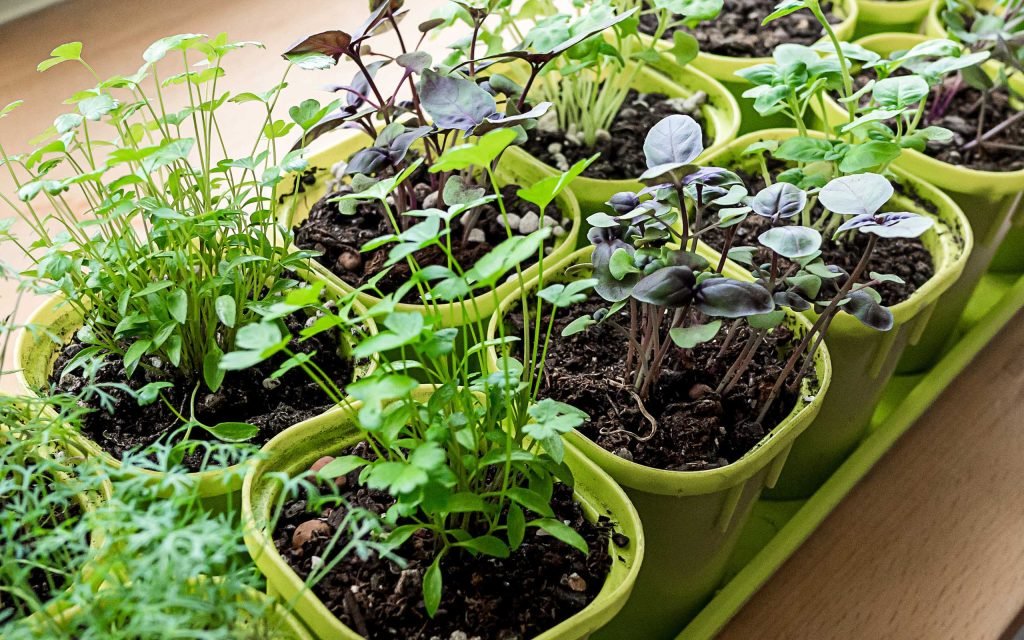
Imagine the joy of plucking fresh basil or mint right from your kitchen windowsill. An indoor herb garden brings nature’s flavors and scents into your home, turning your meals into aromatic masterpieces.
But where do you start? What do you need to make this green dream a reality? If you’re eager to spice up your culinary adventures and add a touch of greenery to your living space, you’re in the right place.
This guide will walk you through the essentials for creating your very own indoor herb haven. From the right containers to the perfect light conditions, we’ll ensure you have everything you need to nurture your plants successfully. Dive in to discover how easy and rewarding it is to cultivate your herbs indoors. Let’s unlock the secrets to a flourishing indoor garden that will not only enhance your cooking but also uplift your home atmosphere. Keep reading to find out how simple steps can lead to delicious results!
Choosing The Right Herbs
Choosing the right herbs for your indoor garden is crucial to both your enjoyment and success. You want herbs that will thrive indoors and complement your cooking. Imagine the delight of snipping fresh basil for your pasta or mint for your tea, all grown just steps away in your cozy kitchen. But how do you decide which herbs are best suited for your indoor garden?
Popular Herb Choices
Some herbs are more popular for indoor gardening due to their adaptability and usefulness. Basil is a favorite, offering aromatic leaves perfect for Italian dishes. Mint is another top choice, known for its refreshing flavor that can be used in drinks and desserts. Rosemary is loved for its robust scent and flavor, ideal for seasoning meats. Consider adding thyme, which grows well indoors and complements a wide range of recipes.
Considerations For Beginners
If you’re new to indoor herb gardening, starting simple is key. Choose herbs that require minimal care and are forgiving of beginners’ mistakes. Parsley and cilantro are great options—they grow easily and require little maintenance. Avoid herbs that demand specific lighting or watering conditions, like lavender, which can be tricky indoors. Ask yourself which herbs you use most in your cooking. This ensures you’ll not only enjoy growing them but also benefit from their fresh flavors.
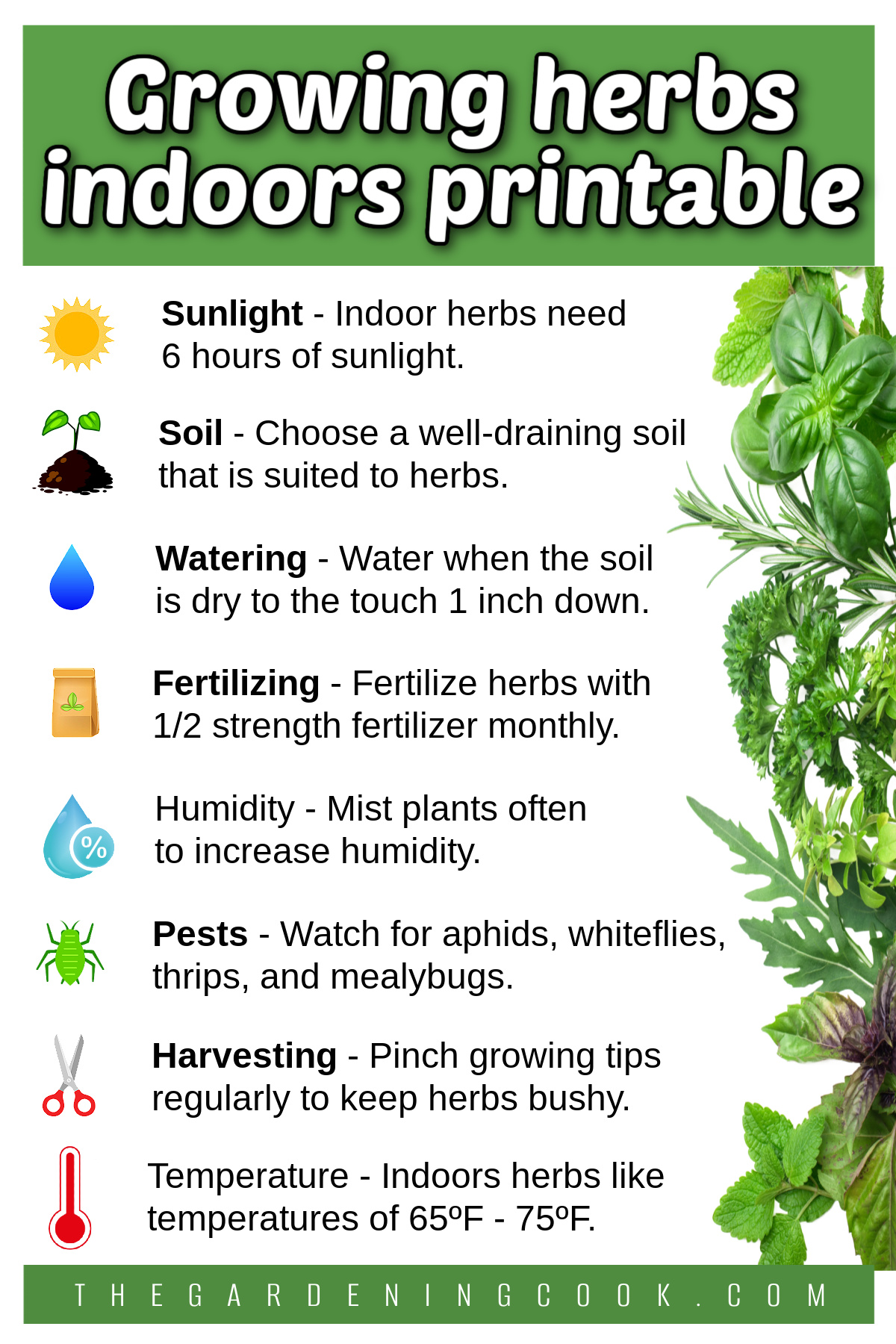
Credit: thegardeningcook.com
Containers And Pots
Containers and pots are essential for an indoor herb garden. Select small to medium-sized pots with drainage holes. This ensures healthy herb growth. Use lightweight containers for easy movement and positioning indoors.
Containers and pots are essential for an indoor herb garden. They hold the soil, support the plants, and add aesthetic value. Choosing the right container ensures healthy plant growth. Factors like material, size, and drainage play a crucial role. Let’s explore what makes a good container for your herbs.Types Of Containers
Selecting the right type of container is important. Options range from clay pots to metal tins. Clay pots are porous and allow air exchange. Plastic pots are lightweight and easy to move. Ceramic pots come in various designs and are visually appealing. Metal containers are durable but can heat up in the sun. Wooden boxes provide a rustic look but need a lining to prevent rot. Each type has its own advantages and limitations.Drainage And Size Considerations
Proper drainage is crucial for healthy herbs. Ensure your container has drainage holes. This prevents water from accumulating and causing root rot. If a pot lacks drainage, consider adding stones at the bottom. The size of the container affects plant growth. Choose a pot that provides enough space for roots to spread. Small pots are ideal for windowsills but may limit plant size. Larger pots allow more growth but require more space. Picking the right size helps your herbs thrive indoors.Soil And Fertilizer
Healthy indoor herb gardens need nutrient-rich soil and the right fertilizer. Organic potting mix supports plant growth. Balanced fertilizers ensure herbs thrive indoors.
Having the right soil and fertilizer is crucial for your indoor herb garden to thrive. The soil provides the foundation for your plants, while fertilizer gives them the nutrients they need to grow healthy and strong. Understanding these two components can make a significant difference in the success of your indoor herb garden.Selecting The Right Soil
Choosing the right soil is like setting the stage for a perfect performance. You want a well-draining potting mix that retains enough moisture yet allows excess water to escape. Avoid using garden soil as it can be too dense and may harbor pests. Instead, opt for a light, airy potting mix specifically designed for container gardening. A good mix often includes components like perlite, vermiculite, or coconut coir, which improve aeration and drainage.Organic Vs. Synthetic Fertilizers
Deciding between organic and synthetic fertilizers can be a bit like choosing between natural and processed foods. Organic fertilizers, such as compost or fish emulsion, provide a slow release of nutrients, improving soil health over time. They are great if you prefer a natural approach and don’t mind the slight odor some organic fertilizers have. On the other hand, synthetic fertilizers offer a quick nutrient boost and are generally odorless. However, they may not improve soil structure in the long run. Which one will you choose for your indoor herb garden? Consider what aligns best with your gardening goals and personal preferences.
Credit: www.amazon.com
Lighting Requirements
Ensure your indoor herb garden receives enough light. Bright, indirect sunlight is ideal for most herbs. Consider grow lights if natural light is limited.
Lighting is crucial for indoor herb gardens. Herbs need the right light to grow well. Let’s explore how you can provide this light.Natural Light Options
Place your herbs near windows. South-facing windows are the best choice. They offer the most sunlight during the day. East or west-facing windows are also good options. They provide moderate sunlight, suitable for many herbs. Observe your herbs daily. Ensure they receive at least 6 hours of sunlight. Rotate the pots regularly. This helps all sides of the plant get light. If the herbs lean towards the light, they need more.Artificial Light Solutions
Artificial lights are great for dark homes. LED and fluorescent lights are popular. They are energy-efficient and produce less heat. Choose full-spectrum lights for best results. They mimic natural sunlight. Position the lights close to the plants. Maintain a distance of 6-12 inches. Turn the lights on for 12-16 hours each day. Use a timer to automate this process. Monitor the herbs’ growth and adjust light duration if needed.Watering Techniques
Indoor herb gardens thrive with consistent watering techniques. Ensure pots have drainage holes to prevent overwatering. Use a spray bottle for gentle moisture, avoiding waterlogged soil.
Watering techniques play a vital role in the success of an indoor herb garden. Proper watering ensures your herbs remain healthy and lush. Understanding the right methods can prevent common issues like overwatering or underwatering.Frequency And Amount
Watering frequency depends on the type of herb and environmental conditions. Most indoor herbs need watering once or twice a week. Check the soil moisture before watering. The top inch should be dry before you water again. Use a pot with drainage holes to avoid waterlogging. For the amount, ensure water reaches the roots but doesn’t drown them. A slow, steady pour is best. Use a watering can with a narrow spout. It helps control the flow. Always empty the saucer under the pot after watering.Signs Of Overwatering
Overwatering is a common mistake in herb gardening. Look for yellowing leaves. They are the first sign. Wilting can also indicate too much water. Check the soil. If it’s soggy, reduce watering. Mold on the soil surface is another sign. It occurs when moisture is excessive. Root rot might develop if the problem persists. Ensure proper drainage and adjust watering habits. Regularly inspect your herbs to catch these signs early.Temperature And Humidity
Maintaining ideal temperature and humidity levels is crucial for an indoor herb garden. Herbs thrive in warm, moist environments, typically around 65-75°F and 40-50% humidity. Proper conditions ensure healthy growth and flavorful leaves.
Creating an indoor herb garden is a delightful way to bring fresh flavors into your kitchen and improve your cooking experiences. However, to ensure your herbs thrive, it’s crucial to pay attention to temperature and humidity. These two factors play a significant role in the health and growth of your plants. Let’s dive into the specifics that will help you create the perfect environment for your indoor herb garden.Ideal Temperature Range
Most herbs prefer a consistent temperature between 65°F and 75°F (18°C to 24°C). This range mimics their natural environment, allowing them to flourish indoors. Keep your garden away from cold drafts or heating vents that can cause fluctuations. Consider the placement of your herbs—near windows can be ideal during winter but might be too hot during summer months. In my experience, using a digital thermometer is handy. It helps track the temperature easily and makes adjustments smoother. You’d be surprised how a few degrees can make a difference in the growth of your basil or mint.Managing Indoor Humidity
Humidity is another key player in the success of your indoor herb garden. Generally, herbs like a humidity level of around 40% to 60%. Too low, and they might dry out; too high, and you risk mildew or mold. If your home is dry, especially during winter, a small humidifier can work wonders. Alternatively, placing a shallow tray of water near the plants can also raise humidity levels. Remember to group plants together; this increases the moisture in the air around them naturally. It’s fascinating how the simple act of positioning can enhance the microclimate for your herbs. How do you maintain humidity in your home? Exploring these small adjustments can lead to flourishing greenery right on your windowsill.Pest And Disease Management
Healthy plants need careful pest and disease management. Regularly inspect herbs for signs of pests or disease. Use natural remedies like neem oil or soapy water. Keep the environment clean and well-ventilated.
Managing pests and diseases in your indoor herb garden is crucial to keeping your plants healthy and productive. As you nurture your basil, mint, or rosemary, you’ll want to ensure they are free from pesky invaders and harmful diseases. Let’s explore how you can effectively manage these issues, ensuring your herbs thrive year-round.Common Pests
When you grow herbs indoors, some common pests may still find their way to your plants. Aphids, spider mites, and whiteflies are frequent visitors that can cause damage. They can multiply quickly, so catching them early is key. Regularly inspect the leaves and stems of your herbs. Look for signs of tiny insects or sticky residue, which might indicate an infestation. Early detection allows you to take swift action, minimizing damage.Natural Remedies
Chemical pesticides can be harsh on your indoor environment, but there are natural solutions. Neem oil is a popular choice; it’s effective against various pests and safe for your herbs. Mix it with water and spray it on the affected areas. You can also use a simple soap solution. Mix mild dish soap with water and spray it on your plants. This can help deter pests without harming your herbs. Another remedy is introducing beneficial insects like ladybugs. They can naturally control pests by feeding on them, creating a balanced ecosystem right in your home. What methods have you tried in your indoor garden? Experiment with these natural options to find what works best for you. Your herbs will thank you with bountiful growth and flavor.
Credit: www.familyhandyman.com
Harvesting And Maintenance
Harvesting and maintenance are crucial for a thriving indoor herb garden. Proper care ensures your herbs remain healthy and productive. Regular attention to these tasks allows your garden to flourish.
Proper Harvesting Methods
Harvest herbs in the morning when oils are most concentrated. Use sharp scissors or pruning shears to avoid damage. Snip the stems above a leaf pair for regrowth. Harvest only one-third of the plant at a time. This practice promotes continued growth and vitality.
Regular Pruning Tips
Prune herbs to encourage bushy growth. Remove dead or yellowing leaves regularly. Cut back leggy stems to maintain shape. This practice increases airflow and light penetration. Regular pruning keeps herbs from flowering prematurely.
Frequently Asked Questions
What Tools Do You Need For An Indoor Herb Garden?
To start an indoor herb garden, you’ll need pots, soil, seeds or seedlings, and a watering can. Ensure proper drainage and sunlight. Use organic potting mix for best results. Consider using a grow light if natural light is limited. Regularly check the soil moisture to keep herbs healthy.
How Much Sunlight Do Indoor Herbs Require?
Indoor herbs typically need at least 4-6 hours of sunlight daily. South-facing windows are ideal for this purpose. If natural sunlight is insufficient, use grow lights. Adjust the distance between the light and the herbs for optimal growth. Rotate pots occasionally to ensure even light exposure.
What Herbs Grow Best Indoors?
Basil, mint, parsley, and thyme are popular indoor herbs. They adapt well to indoor conditions and require minimal maintenance. Cilantro and chives are also suitable for indoor gardening. Choose herbs based on your cooking preferences and available space. Regularly harvest to encourage growth and maintain freshness.
How Often Should You Water Indoor Herbs?
Water indoor herbs when the top inch of soil is dry. Overwatering can cause root rot, so be cautious. Use a pot with drainage holes to prevent waterlogging. In winter, herbs may need less water due to reduced growth. Adjust watering based on humidity and temperature.
Conclusion
Creating an indoor herb garden is simple and rewarding. Gather essential supplies: pots, soil, and seeds. Choose a sunny spot for your herbs. Regular watering helps them thrive. Use fertilizer sparingly for healthy growth. Prune to keep plants productive and neat.
You enjoy fresh herbs all year round. Cooking with homegrown herbs adds flavor. Health benefits are a bonus. Great for beginners and seasoned gardeners alike. Start small and expand as you gain confidence. Your indoor garden brings nature inside. Experience the joy of growing your own food.
It’s a hobby that nurtures both plants and soul.







