Imagine stepping into your kitchen and plucking fresh basil or mint for your favorite recipes. Sounds delightful, right?
Growing a herb garden indoors is easier than you might think, and it’s a rewarding hobby that brings nature right into your home. You don’t need a sprawling backyard or a green thumb to get started. With a few simple steps, you can transform a small corner of your living space into a lush, aromatic haven.
In this guide, you’ll discover the secrets to nurturing your own indoor herb garden, enhancing your cooking, and bringing a touch of greenery to your life. Ready to dive in? Let’s explore how you can make this refreshing dream a reality.
Choosing The Right Herbs
Choosing the right herbs for your indoor garden is a crucial step towards ensuring a thriving and productive space. With numerous options available, selecting herbs that suit your environment and lifestyle can make a significant difference. Consider your culinary preferences, the light conditions in your home, and your commitment to care when deciding which herbs to grow.
Best Herbs For Indoor Growth
Some herbs are particularly well-suited for indoor environments. Basil, mint, and parsley are popular choices due to their adaptability and ease of care. Basil thrives in warm, sunny spots, making it perfect for a kitchen windowsill. Mint is a hardy herb that can tolerate less light and occasional neglect, while parsley is versatile and can be used fresh in a variety of dishes.
Chives and cilantro are also excellent options. Chives add a mild onion flavor to dishes and grow well in small pots. Cilantro is a favorite in many cuisines and prefers cooler temperatures, making it ideal for less sunny areas of your home.
Factors To Consider
- Light:Assess the natural light available in your home. Some herbs require direct sunlight, while others can thrive in partial shade.
- Space:Evaluate how much space you have. Choose herbs that fit well in your available area, considering both pot size and plant growth.
- Watering Needs:Consider the frequency of watering each herb requires. Do you prefer low-maintenance plants or are you ready for daily care?
- Temperature:Think about the indoor climate. Some herbs prefer warmth, while others do better in cooler conditions.
Choosing herbs that align with your home environment and personal preferences can lead to a more rewarding gardening experience. Do you have a sunny kitchen window that could host a thriving basil plant, or perhaps a cozy corner perfect for growing mint? Experiment with different herbs and discover what works best for you.

Credit: goebbertspumpkinfarm.com
Selecting Containers And Soil
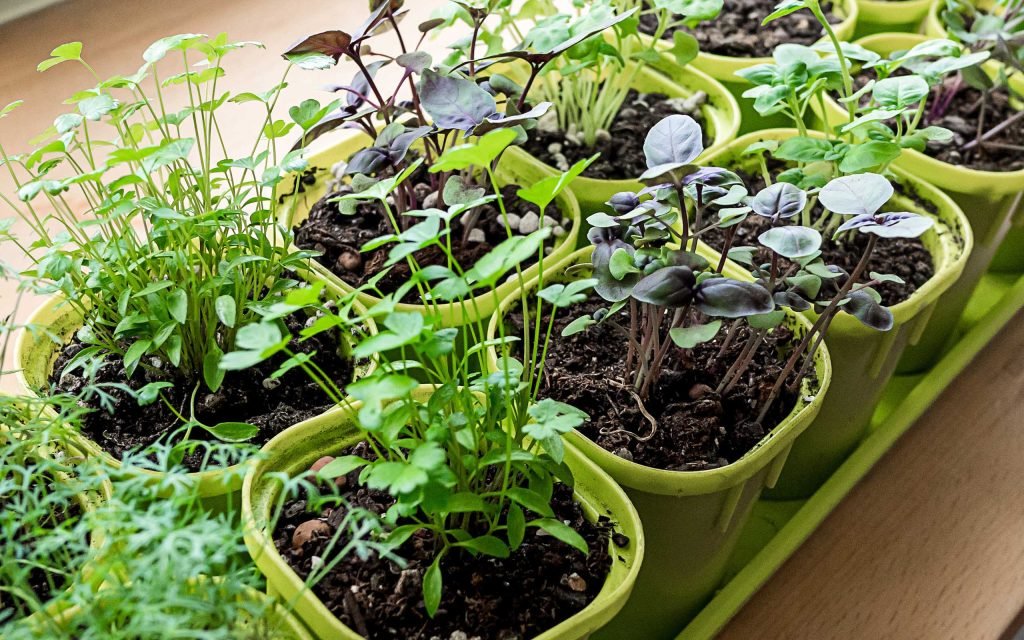
Choosing the right containers for your indoor herb garden is essential. Opt for pots with good drainage holes. Use light, nutrient-rich soil to help herbs thrive indoors.
To grow a thriving indoor herb garden, choose the right containers and soil. These elements affect the health and productivity of your herbs. Containers provide a home for roots, while the soil supplies nutrients. Together, they create the environment your herbs need to flourish.Types Of Containers
Different containers suit different herbs. Consider size, material, and drainage.- Clay Pots:Clay is porous, allowing air and moisture to pass. It helps prevent root rot. But, they dry out quickly. Regular watering is needed.
- Plastic Pots:Lightweight and affordable. They retain moisture better than clay. Ideal for herbs needing consistent moisture.
- Ceramic Pots:Attractive and durable. Ensure they have drainage holes. They hold moisture well, but can be heavy.
- Metal Containers:Modern and sleek. They heat up in sunlight. Use with caution indoors.
- Wooden Containers:Natural and rustic. They need a plastic liner to prevent rot. Perfect for a natural look.
Optimal Soil Mix
The right soil mix ensures herbs get nutrients and proper drainage.- Potting Soil:Choose a light, well-draining mix. Avoid garden soil. It’s too heavy and may contain pests.
- Perlite or Vermiculite:Add these to improve drainage. They also help aerate the soil.
- Compost:Enrich the soil with organic matter. It provides essential nutrients. Use sparingly to avoid over-fertilization.
- Sand:Mix in a small amount for herbs needing excellent drainage. Ideal for Mediterranean herbs like thyme and rosemary.
Light And Temperature Requirements
Herbs need bright, indirect light for healthy growth. Place them near a sunny window. Maintain a temperature between 65°F and 75°F for optimal results.
Growing a herb garden indoors can be a rewarding experience, but it comes with its own set of challenges. One of the most crucial aspects to consider is the light and temperature requirements of your herbs. These two factors play a significant role in ensuring the healthy growth of your indoor garden.Importance Of Light
Light is the lifeline for your herbs. Without adequate light, your plants may become leggy, weak, and less flavorful. Natural sunlight is ideal, so placing your herbs near a south-facing window can provide them with the best exposure. However, if natural light is limited, consider using grow lights that mimic sunlight. They’re a great investment, especially during the shorter days of winter.Ideal Temperature Range
Just like light, temperature affects the growth of your herbs. Most herbs thrive in temperatures between 65-75°F (18-24°C) during the day. At night, a slight drop in temperature is okay, but avoid extremes. Consistent temperatures help maintain steady growth and prevent stress on your plants. If you have a drafty window, consider moving your herbs away during colder months. This simple change can make a big difference. Are you ensuring your herbs receive the right light and temperature? Small adjustments can lead to a flourishing indoor herb garden.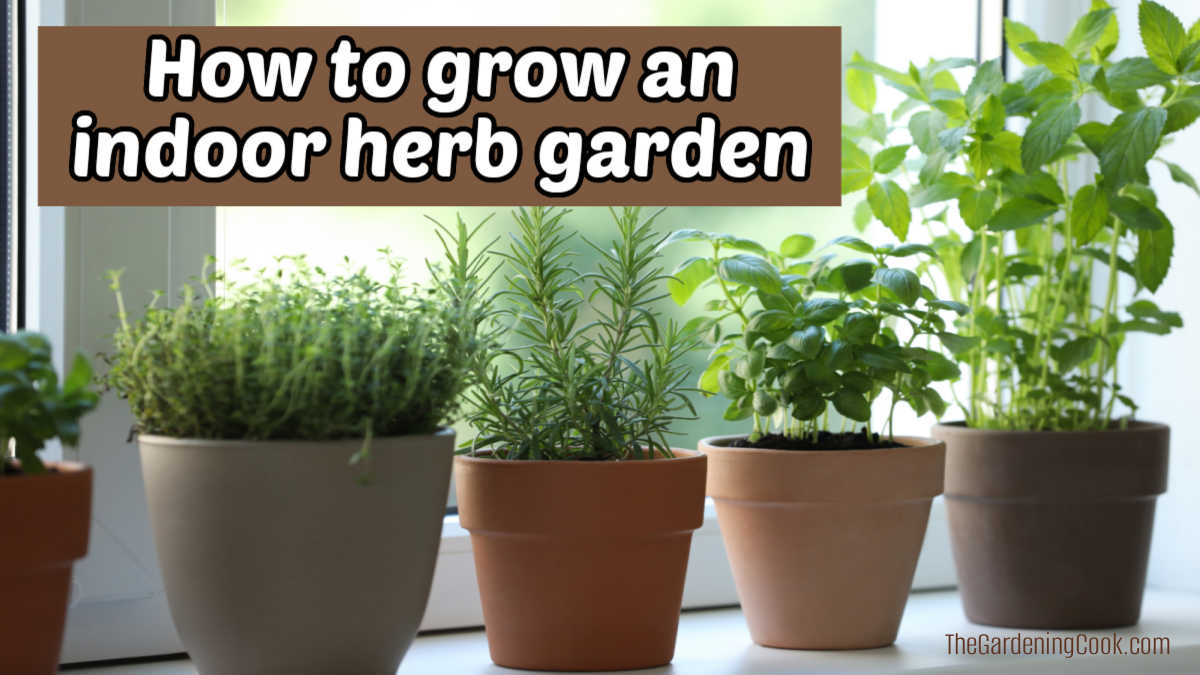
Credit: thegardeningcook.com
Watering Techniques
Proper watering is key to growing a healthy indoor herb garden. Use a spray bottle to mist herbs lightly, ensuring soil is evenly moist but not drenched. Regularly check moisture levels to prevent overwatering and root rot.
Watering your indoor herb garden might seem straightforward, but it’s an art that requires a delicate balance. The right amount of water can spell the difference between lush, vibrant herbs and wilting, unhappy plants. Let’s dive into the essential watering techniques to ensure your indoor herbs thrive.Frequency Of Watering
Watering frequency can be a game-changer for your herb garden. Most herbs prefer to dry out slightly between watering. Check the soil by sticking your finger about an inch deep—if it feels dry, it’s time for a drink. Basil, for instance, loves moisture but hates soggy roots. Water it enough to keep the soil moist, but allow the top inch to dry out before the next watering. On the other hand, rosemary thrives on less frequent watering. You might find yourself watering it only once every couple of weeks.Signs Of Overwatering
Are your herbs looking a bit under the weather? Overwatering could be the culprit. Watch for yellowing leaves and wilting, which often indicate too much water. To rescue an overwatered plant, let the soil dry out completely before watering again. Also, ensure your pots have proper drainage holes. If water can’t escape, your herb’s roots may rot. Have you ever lost a plant due to overwatering? Share your experience and what you learned in the comments. Remember, when it comes to watering, less is often more.Fertilizing Your Herbs
Fertilize your indoor herb garden to ensure healthy growth. Use a balanced, water-soluble fertilizer every few weeks. This helps herbs thrive and maintain their flavor.
Growing a herb garden indoors can be a rewarding endeavor, but nourishing your plants is essential for a thriving garden. Fertilizing your herbs is a crucial step that can significantly impact their growth. Just like us, plants need food to flourish, and using the right fertilizer can make all the difference. But how do you choose the perfect one and apply it effectively?Choosing The Right Fertilizer
Selecting the right fertilizer for your indoor herb garden can seem daunting at first. Your choice largely depends on the type of herbs you’re growing and their specific needs. – Organic vs. Synthetic: Organic fertilizers, like compost or manure, are great if you prefer natural options. They improve soil structure and provide slow-releasing nutrients. Synthetic fertilizers are convenient and often more affordable, but they might not provide the long-term benefits that organics do. – Balanced Fertilizers: A balanced fertilizer, such as a 10-10-10, provides equal parts nitrogen, phosphorus, and potassium, essential for overall plant health. However, some herbs might require a boost in specific nutrients. For instance, leafy herbs like basil benefit from higher nitrogen levels. – Liquid vs. Granular: Liquid fertilizers can be diluted and applied directly to the soil or leaves, offering quick absorption. Granular options release nutrients slowly over time, reducing the frequency of application.Application Tips
Applying fertilizer correctly ensures your herbs get the nutrients they need without overwhelming them. – Frequency and Timing: Most herbs benefit from fertilizing every few weeks during their growing season. But be cautious—too much can lead to nutrient burn. Spring and summer are ideal times for feeding, as this is when most herbs are actively growing. – Quantity Matters: Follow the instructions on the fertilizer package. Using too much can harm your plants. A light hand is often better than overdoing it. A personal trick is using half the recommended amount initially and observing how your herbs respond. – Watering After Fertilizing: Always water your herbs after applying fertilizer. This helps distribute the nutrients evenly and prevents root burn. Imagine the joy of seeing your herbs perk up after a good feed! As you nurture your indoor herb garden, consider this: are your herbs getting the right nutrients to thrive? With the correct fertilizer and application techniques, you can ensure they remain vibrant and healthy.
Credit: www.familyhandyman.com
Pruning And Harvesting
Trim herbs regularly to boost growth and ensure healthy plants. Harvest leaves just before they flower for the best flavor.
Growing a herb garden indoors is a rewarding experience. You get fresh herbs right in your kitchen. Pruning and harvesting are crucial steps in maintaining your indoor herb garden. They ensure healthy growth and maximize your herb yield. Proper pruning encourages bushier plants. Harvesting at the right time gives you flavorful herbs. Let’s dive into how to prune and harvest your herbs effectively.When To Prune
Pruning is essential for maintaining healthy herbs. Start pruning when your plants are about 6 inches tall. This helps them grow bushier. Use clean scissors or pruning shears. Focus on removing dead leaves and stems. Prune regularly to keep your plants neat.Harvesting Methods
Harvesting herbs requires careful techniques. Pick leaves from the top of the plant first. This encourages new growth. For herbs like basil, pinch off the flower buds. This keeps the plant producing tasty leaves. Always harvest in the morning. This is when the leaves are most flavorful. Use sharp scissors for clean cuts. Avoid pulling or tearing the leaves. Regular harvesting promotes healthy plants.Pest Control Strategies
Keeping pests away is key to a thriving indoor herb garden. Use natural remedies like neem oil or garlic spray. Regularly inspect plants for signs of pests to catch problems early.
Growing an indoor herb garden is a wonderful way to bring fresh flavors into your kitchen all year round. However, maintaining a healthy and thriving herb garden requires vigilance, especially when it comes to keeping pests at bay. Pest control is crucial to ensure your herbs remain lush and flavorful. With the right strategies, you can protect your herbs from unwanted visitors and ensure a bountiful harvest.Common Indoor Pests
Indoor herb gardens are not immune to pests. Some common culprits include aphids, spider mites, and whiteflies. These tiny invaders can wreak havoc by sucking the sap from your plants, leaving them weak and damaged. One day, you might notice tiny webs on your basil or little white specks on your mint. These are telltale signs of pest activity. Catching these pests early is essential to prevent an infestation from spreading.Natural Pest Control Options
Before reaching for chemical solutions, consider natural pest control methods. These are often safer for you and the environment. Neem oil is a popular choice, known for its effectiveness in repelling a wide variety of pests. Simply mix it with water and spray it on your herbs. It acts as both a deterrent and a treatment. Introducing beneficial insects like ladybugs can also be a game-changer. They feast on pests, keeping your garden clean naturally. For a more hands-on approach, create a homemade spray using ingredients like garlic or peppermint oil. These can deter pests without harming your plants or your household. Have you ever tried wiping the leaves with a damp cloth? It’s a simple yet effective way to remove pests manually. It also gives you the chance to inspect your plants closely. By implementing these strategies, you can keep your indoor herb garden flourishing and free from pesky intruders. What natural methods have you found successful in your gardening journey?Creative Uses For Your Herbs
Growing a herb garden indoors allows fresh flavor at your fingertips. Use herbs to enhance dishes and create natural scents. Enjoy the greenery and add a touch of nature to your space.
Growing a herb garden indoors opens up a world of possibilities. Not only do you get the joy of nurturing plants, but you also reap the benefits of having fresh herbs at your fingertips. Whether you’re a cooking enthusiast or someone interested in holistic health, your herbs can transform daily living in delightful ways.Culinary Applications
Imagine the aroma of fresh basil wafting through your kitchen as you prepare a homemade pizza. Adding fresh herbs to your dishes can elevate the flavors and provide a gourmet touch. Try sprinkling chopped parsley over pasta or adding rosemary to roasted potatoes for an extra layer of taste. Herbs like mint can be a refreshing addition to beverages. Use it to enhance the flavor of your iced tea or lemonade. Have you tried infusing olive oil with garlic and thyme? It’s a simple way to make your meals feel special.Herbs In Home Remedies
Beyond cooking, herbs can be a natural ally in maintaining wellness. A calming chamomile tea can soothe nerves after a long day. You might find relief from a headache with a peppermint oil rub on your temples. Consider creating your own herbal infusions for skincare. Aloe vera, grown indoors, can be used directly on the skin for its soothing properties. Lavender, when dried, can be used in sachets to promote relaxation and better sleep. What creative uses can you think of for your herb garden? The possibilities are endless, and experimenting could lead to unexpected delights. Your indoor herb garden is not just a source of fresh flavors but a gateway to a more enriched lifestyle.Frequently Asked Questions
How Do I Start An Indoor Herb Garden?
To start an indoor herb garden, choose a sunny spot with 4-6 hours of light. Use pots with drainage holes and high-quality potting soil. Select herbs like basil, mint, or parsley. Water regularly, but avoid overwatering. Ensure proper air circulation to prevent mold growth.
Enjoy fresh herbs year-round!
What Are The Best Herbs For Indoor Gardening?
The best herbs for indoor gardening include basil, mint, parsley, cilantro, and thyme. These herbs adapt well to indoor conditions and require minimal maintenance. They thrive in sunny locations with regular watering. Start with these easy-to-grow varieties for a successful indoor herb garden experience.
How Much Light Do Indoor Herbs Need?
Indoor herbs need 4-6 hours of sunlight daily to thrive. Place them near a south-facing window or use grow lights. Rotate pots regularly to ensure even light exposure. Adequate light is essential for healthy growth and flavorful herbs. Adjust light sources as needed for optimal results.
Can Herbs Grow Indoors Without Sunlight?
Yes, herbs can grow indoors without direct sunlight using grow lights. LED or fluorescent lights mimic sunlight, providing essential light for photosynthesis. Position lights 6-12 inches above the herbs for best results. Adjust duration and intensity based on the specific herb’s light requirements.
Conclusion
Growing a herb garden indoors is a rewarding experience. Fresh herbs add flavor to meals. Indoor gardening saves space. It’s simple and fun. Start with easy herbs like basil or mint. Use pots with good drainage. Place them in sunny spots.
Water them regularly. Harvest leaves when needed. Enjoy the freshness right at home. Indoor gardens fit any lifestyle. They bring nature indoors. Perfect for city dwellers. A hobby that boosts well-being. Cooking with homegrown herbs feels special. Explore the world of herbs.
Create your own green corner. Let nature thrive inside your home. Happy gardening!