Imagine the aroma of fresh basil, mint, or rosemary right in your kitchen. Starting an indoor herb garden could be the secret to enhancing your cooking and adding a touch of green to your home.
You might be wondering, “What do I need to get started? ” The good news is, it’s simpler than you think. By nurturing your own herbs, you not only bring nature indoors but also create a delightful sensory experience. Whether you’re a gardening novice or a culinary enthusiast, this guide will walk you through the essentials.
Discover how easy it is to cultivate your own herbs and transform your meals from ordinary to extraordinary. Stay with us as we delve into the must-have tools and tips to kickstart your indoor herb garden.
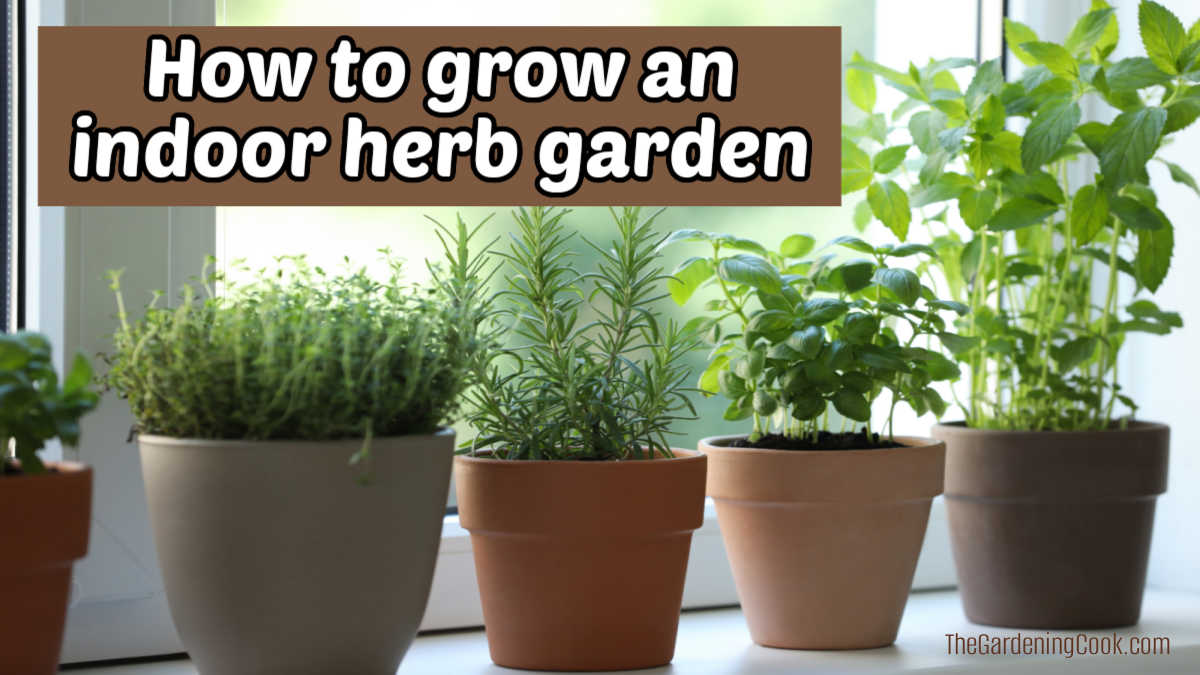
Credit: thegardeningcook.com
Choosing The Right Herbs
Starting an indoor herb garden requires selecting herbs that thrive indoors. Consider basil, mint, or parsley for their easy care. Choose pots with drainage holes, and ensure access to sunlight or grow lights.
Choosing the right herbs is crucial for a thriving indoor herb garden. The selection impacts growth success and culinary use. Start with herbs easy to grow and manage.Popular Herbs For Beginners
Beginner-friendly herbs simplify the gardening journey. Basil is versatile and grows quickly. Mint thrives indoors and adds fresh flavor. Chives are hardy and require minimal care. Parsley is robust and suits many dishes. Cilantro grows well in cooler environments. These herbs require little attention and deliver rewarding results.Factors To Consider
Selecting herbs involves understanding their needs. Light is essential. Herbs like basil need full sunlight. Space matters. Ensure each plant has room to grow. Water requirements differ. Mint prefers moist soil, while rosemary needs less. Temperature plays a role. Some herbs thrive in cooler conditions. Consider the available climate in your home. Soil quality influences growth. Use nutrient-rich potting mix.Selecting Containers
Choosing the right containers is essential for a successful indoor herb garden. Ensure they have drainage holes to prevent root rot. Lightweight pots like plastic or ceramic work well, keeping herbs healthy and thriving indoors.
Selecting the right containers is crucial for your indoor herb garden. Containers influence the growth and health of your herbs. They need to suit the needs of each plant. Let’s explore the different types and key considerations for size and drainage.Types Of Containers
There are many container types to choose from. Clay pots are popular for their natural look. They allow air and moisture to pass through, helping roots breathe. Plastic pots are lightweight and inexpensive. They retain moisture well, reducing the need for frequent watering. Metal containers offer a modern look, but they can heat up quickly. Glass containers provide a stylish option but may lack drainage. Wooden boxes add a rustic touch and are good for larger setups.Size And Drainage Considerations
Container size affects root growth and herb size. Small pots suit herbs like thyme or basil. Larger pots fit rosemary or mint better. Ensure containers have drainage holes. Proper drainage prevents waterlogging and root rot. Use trays to catch excess water and protect surfaces. Consider the space available in your home. Choose containers that fit your space and allow easy access.Finding The Ideal Location
Finding the Ideal Location Choose a spot with plenty of sunlight for your indoor herb garden. A windowsill facing south is perfect. Ensure the area has good ventilation to keep herbs healthy.
Finding the Ideal Location Starting an indoor herb garden requires selecting the perfect spot. The right location ensures your herbs grow healthy and strong. Consider light, temperature, and humidity when choosing where to place your plants.Lighting Requirements
Herbs need sunlight to thrive. Most herbs require at least 6 hours of light daily. A south-facing window often provides the best light. If natural light is scarce, use grow lights. They mimic sunlight and keep herbs healthy.Temperature And Humidity
Herbs prefer stable temperatures. Aim for a range between 60°F and 70°F. Avoid placing herbs near drafts or heat sources. Consistent humidity levels are also important. Use a humidity tray or mist plants regularly. This keeps them from drying out.
Credit: goebbertspumpkinfarm.com
Preparing Soil And Fertilizer
Starting an indoor herb garden is a rewarding venture. It brings fresh flavors to your kitchen and a touch of nature to your home. One key to success is preparing the right soil and fertilizer. This ensures your herbs grow strong and healthy.
Best Soil Mix For Herbs
Herbs thrive in well-draining soil. A good mix includes potting soil, perlite, and peat moss. These components create a light and airy texture. They help roots breathe and prevent waterlogging.
- Potting Soil:Provides essential nutrients.
- Perlite:Improves aeration and drainage.
- Peat Moss:Retains moisture without drowning roots.
Mix these in equal parts. This balance supports herb growth and health. Avoid heavy garden soil. It’s too dense for indoor plants.
Organic Vs. Synthetic Fertilizers
Choosing the right fertilizer affects herb flavor and growth. Organic fertilizers come from natural sources. They enrich soil slowly, providing steady nutrients.
- Organic Fertilizer:Derived from compost or manure.
- Synthetic Fertilizer:Manufactured with chemical compounds.
Synthetic fertilizers offer immediate nutrient boost. They can encourage rapid growth but risk nutrient burn. Organic options enhance soil health over time. This leads to better tasting herbs.
Both types have their advantages. Consider your preferences and the needs of your herbs. Proper soil and fertilizer set the stage for a thriving indoor herb garden.
Watering Techniques
Watering your indoor herb garden requires attention and care. Proper techniques ensure healthy and thriving plants. Understanding how much and how often to water is key. Recognizing signs of overwatering helps prevent root rot and plant stress.
Frequency And Amount
Water herbs based on their specific needs. Most herbs prefer the soil to dry out slightly between waterings. Check the top inch of soil with your finger. If it feels dry, it’s time to water. Use a watering can with a spout for control. This prevents water from splashing on leaves, which can cause disease.
Different herbs have different needs. For example, basil likes more water than rosemary. Adjust your watering schedule based on each plant’s preference. Consistency is important. Irregular watering can lead to stress and weak growth. Keep a schedule or set reminders to ensure regular care.
Signs Of Overwatering
Overwatering is a common mistake in indoor gardening. Look for signs like yellowing leaves or wilting stems. These indicate too much water or poor drainage. Touch the soil. If it’s always wet, reduce watering frequency. Ensure pots have drainage holes to prevent water accumulation.
Mold on the soil’s surface also signals overwatering. Adjusting your watering habits can save your plants from further damage. Remove excess water from saucers or trays under pots. This prevents roots from sitting in water and rotting.
Pruning And Harvesting
Pruning ensures healthy growth and prevents overcrowding in your indoor herb garden. Regular harvesting keeps herbs fresh and encourages new growth. Use clean scissors to trim herbs above a leaf node for best results.
Pruning and harvesting are crucial for a thriving indoor herb garden. Proper pruning ensures healthy growth and prevents overcrowding. Harvesting at the right time enhances flavor and vitality. These practices not only maintain the plant’s health but also encourage new growth.When And How To Prune
Prune your herbs regularly for best results. Look for leaves that are dead or discolored. Use clean, sharp scissors to cut them. Always cut above a leaf node to promote growth. This encourages the plant to branch out and become bushier. Avoid cutting more than one-third of the plant at once.Harvesting Tips
Harvest herbs when they are most flavorful. Morning is the best time. The oils are most concentrated after a night’s rest. Use sharp scissors to snip the leaves. Focus on the outer leaves first. This allows the plant to continue growing. Remember, frequent harvesting can stimulate more growth. Avoid taking too much at once to prevent stress on the plant.Pest And Disease Management
Starting an indoor herb garden requires careful pest and disease management. Ensure proper air circulation to prevent mold. Regularly inspect plants for signs of pests or disease, and use natural remedies like neem oil for treatment.
Pest and disease management is a crucial part of maintaining a thriving indoor herb garden. Even in a controlled environment, your herbs are not immune to unwanted guests. Understanding how to identify and tackle these issues can save your plants and enhance your gardening experience.Common Pests To Watch For
Indoor herb gardens can attract several common pests. Aphids, tiny insects that suck sap from plants, might be the first invaders you notice. They usually cluster on the underside of leaves and can be identified by the sticky residue they leave behind. Spider mites are another frequent visitor. These microscopic creatures can cause leaf discoloration and webbing, making your herbs look less vibrant. Whiteflies, small and moth-like, are also notorious for feeding on plant juices and weakening your herbs. Do you know what else to look for? Check for mealybugs, which appear as small cotton-like spots on stems and leaves. These pests can stunt growth if not addressed promptly.Natural Remedies
Before reaching for chemical solutions, consider natural remedies that can be just as effective. Neem oil is a popular choice among gardeners. This natural pesticide disrupts the life cycle of pests, making it an effective solution when used regularly. For a homemade approach, try a mixture of water and dish soap. A simple spray can suffocate aphids and spider mites. Be sure to rinse your herbs thoroughly to remove any soap residue. Have you ever tried introducing beneficial insects? Ladybugs and lacewings can help control pest populations by feeding on them. Creating a balanced ecosystem in your indoor garden can reduce the need for additional interventions. By staying vigilant and using these natural strategies, you can keep your indoor herb garden healthy and flourishing. What pest management techniques have worked for you? Share your insights and learn from others in the gardening community.
Credit: goebbertspumpkinfarm.com
Tips For Year-round Growth
Curious about starting an indoor herb garden? Choose a sunny spot and gather containers with good drainage. Select easy-to-grow herbs like basil or mint, and ensure they get regular watering. With these simple steps, enjoy fresh herbs all year round.
Starting an indoor herb garden can be a rewarding venture, offering fresh herbs at your fingertips all year round. The key to success lies in understanding the nuances of growing herbs indoors, especially the adjustments needed for different seasons. Let’s delve into some practical tips for achieving year-round growth.Seasonal Adjustments
Your indoor herb garden will thrive if you pay attention to seasonal changes. During winter, daylight hours are shorter, meaning your herbs will need additional light. Consider using LED grow lights to supplement natural sunlight and keep your herbs happy. In summer, herbs might require more water due to increased evaporation. However, ensure you don’t overwater. A simple trick is to stick your finger into the soil. If the top inch is dry, it’s time to water.Indoor Gardening Tricks
Maximize your indoor space by using vertical planters or hanging pots. This allows you to grow more herbs without cluttering your space. Plus, it adds a touch of green to your decor. Rotate your pots every few days to ensure even light distribution. This helps prevent your plants from leaning towards the light source and promotes balanced growth. Keep a close eye on humidity levels. Many herbs thrive in environments with moderate humidity. If your home is too dry, especially during winter, consider using a small humidifier or misting the plants regularly. Do you have a personal ritual for caring for your plants? Establishing a routine, like checking them every morning, can help you catch issues early and nurture a thriving indoor herb garden.Frequently Asked Questions
How Do I Choose Herbs For My Indoor Garden?
Start by selecting herbs you frequently use in cooking, like basil, mint, or parsley. Consider your indoor space and light availability. Some herbs thrive in low light, while others need direct sunlight. Research each herb’s care requirements to ensure they fit your environment and lifestyle.
What Type Of Containers Should I Use?
Use containers with good drainage to prevent root rot. Clay pots, plastic pots, or recycled containers work well. Ensure each pot has drainage holes. Choose containers that fit your space, whether they’re small for countertops or larger for windowsills.
How Much Sunlight Do Herbs Need Indoors?
Most herbs need 6-8 hours of sunlight daily. Place them near south or east-facing windows for optimal light. If natural sunlight is limited, consider using grow lights. Adjust the light source’s distance based on the herb’s specific needs to promote healthy growth.
How Often Should I Water Indoor Herbs?
Water indoor herbs when the top inch of soil feels dry. Avoid overwatering, which can lead to root rot. Check each herb’s specific moisture needs. Typically, herbs prefer consistent but moderate watering. Adjust your watering frequency based on humidity and season.
Conclusion
Starting an indoor herb garden is simple and rewarding. It brings fresh flavors to your kitchen. Begin with basic herbs like basil, mint, or parsley. Choose pots that fit your space. Ensure proper sunlight and watering. Remember, herbs thrive with care.
Experiment with different herbs over time. Enjoy the satisfaction of growing your own ingredients. It’s a relaxing hobby with tasty results. Perfect for any home cook. Dive into the world of indoor gardening today. Enjoy the freshness and fragrance of home-grown herbs.
Transform your cooking with these delightful plants. Happy gardening!