Imagine stepping into your backyard and being greeted by a vibrant flutter of colors. Designing a butterfly garden in Florida offers a unique opportunity to create a haven for these beautiful creatures, right in your own space.
You might be wondering how to start or what plants to choose. Don’t worry, because we’ve got you covered. In this guide, you’ll discover simple steps to transform your garden into a butterfly paradise. You’ll learn how to attract different species, select the best plants, and maintain a thriving ecosystem.
Each tip is crafted to make your garden a magnet for butterflies, bringing joy and a touch of nature’s wonder to your everyday life. So, if you’re ready to turn your garden into a lively sanctuary filled with the delicate dance of butterflies, keep reading. Your garden transformation is just a few steps away, and you’ll soon experience the delight of nature’s beauty right at your doorstep.
Choosing The Right Location
Selecting the right spot for a butterfly garden in Florida is crucial. Choose a sunny area with shelter from strong winds to encourage butterflies to visit and thrive.
Choosing the right location for your butterfly garden is crucial. The ideal spot will attract vibrant butterflies and support their lifecycle. Florida’s climate offers perfect conditions, but placement is key. Consider several factors when selecting your garden’s location.Understanding Sunlight Needs
Butterflies love sunlight. Ensure your garden receives at least six hours of sun daily. Sunlight helps butterflies warm their bodies, enabling flight. Observe your yard throughout the day. Identify areas that bask in sunlight.Providing Shelter From The Wind
Wind can deter butterflies from visiting. Choose a spot with natural windbreaks. Trees, shrubs, or fences can provide protection. Avoid open areas exposed to strong winds.Ensuring Proximity To Water Sources
Butterflies need water to thrive. Position your garden near a natural water source. A small pond or birdbath can also suffice. Ensure water sources are easily accessible.Evaluating Soil Conditions
Healthy soil is essential for plant growth. Test the soil in your chosen location. Ensure it drains well and is rich in nutrients. Amend soil with compost if necessary. This supports healthy plant life, attracting more butterflies.Considering Accessibility And Maintenance
Ensure your garden is easy to access. This makes maintenance simpler. Regular care keeps plants healthy and inviting. Plan pathways for easy navigation around the garden. By considering these factors, your butterfly garden will flourish. It will become a haven for butterflies in Florida.Essential Butterfly Plants
Native plants like milkweed and lantana attract butterflies in Florida gardens. These plants provide nectar and host habitats. Designing a butterfly garden with diverse plant species ensures vibrant and thriving butterfly populations.
Creating a butterfly garden in Florida is a delightful way to invite nature’s most delicate creatures into your backyard. The key to attracting a colorful array of butterflies lies in selecting the right plants. These essential butterfly plants will not only provide nourishment but also serve as host plants for their entire life cycle.Native Florida Species
Embrace the beauty of native Florida plants, as they are well-adapted to the local climate and soil conditions. They require less maintenance and water, making them an eco-friendly choice for your garden. Some excellent native options include the Firebush (Hamelia patens), which boasts vibrant red flowers, and the Corkystem Passionflower (Passiflora suberosa), a host plant for several butterfly species.Host Plants For Caterpillars
To support the full life cycle of butterflies, you need plants that caterpillars can feed on. Consider planting Milkweed (Asclepias spp.), a must-have for Monarch butterflies. Another favorite is the Cassia plant, which attracts Sulphur butterflies. Including these plants ensures that your garden becomes a nursery for new generations of butterflies.Nectar-rich Flowers
Butterflies are drawn to bright, nectar-rich flowers that provide essential energy. Opt for plants like the Pentas (Pentas lanceolata), known for its clusters of star-shaped blooms. Lantana is another great choice, offering a variety of colors that appeal to different butterfly species. These flowers not only attract butterflies but also add vibrant hues to your garden. By carefully selecting these essential plants, you create a thriving habitat for butterflies. Have you considered how the presence of these beautiful creatures might transform your outdoor space into a living masterpiece?Creating A Habitat
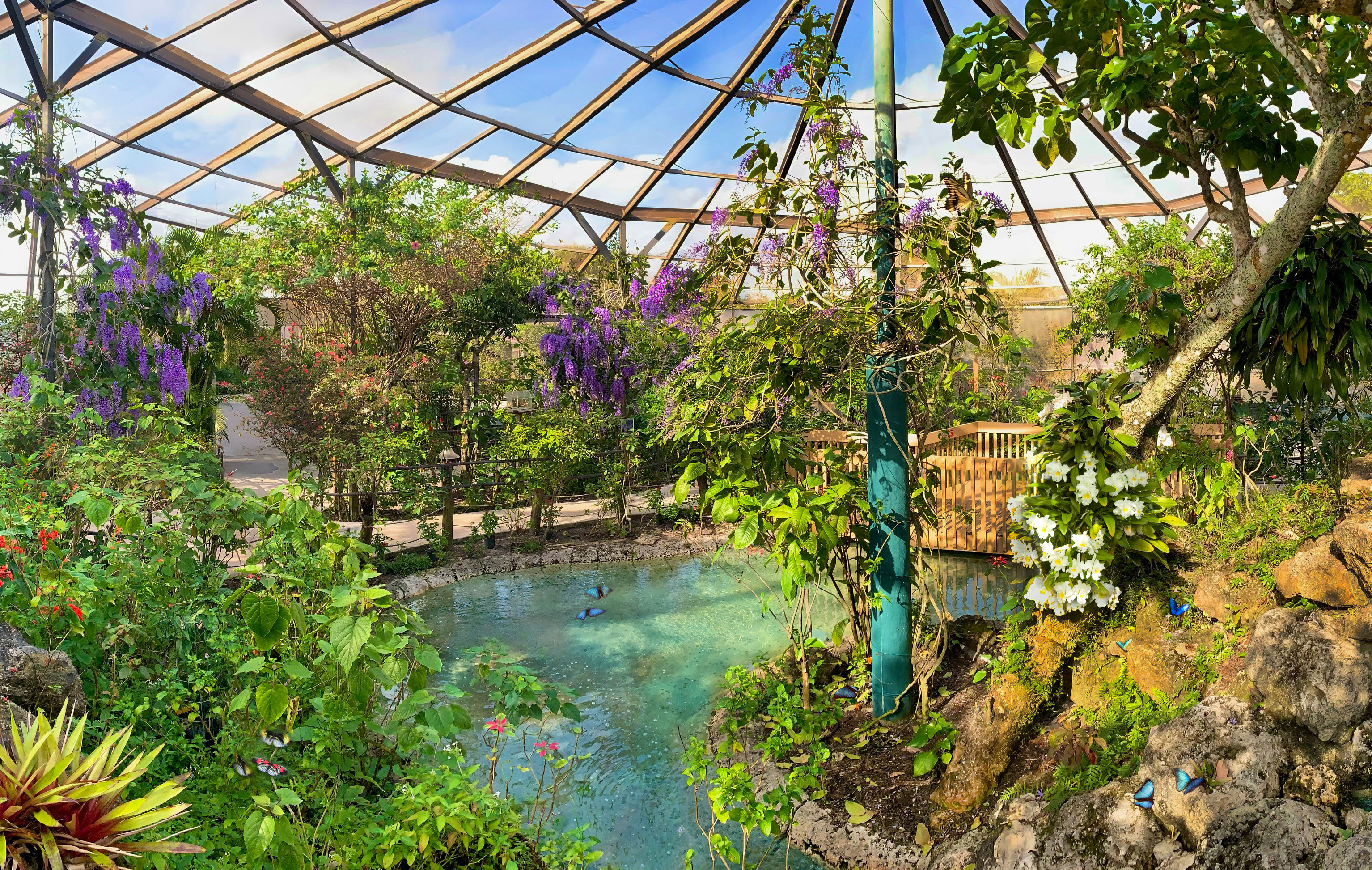
Crafting a butterfly garden in Florida involves selecting vibrant native plants that attract these delicate creatures. Arrange nectar-rich flowers like milkweed and lantana to create a flourishing habitat. Ensure sunlight, shelter, and water sources are available for optimal butterfly presence.
Creating a butterfly garden in Florida involves more than planting a few flowering bushes. You need to create a habitat that supports these delicate creatures throughout their lifecycle. This means considering their needs for water, shelter, and resting spots.Water Sources
Butterflies, like all living beings, need water to thrive. But they don’t drink water the same way we do. Instead, they prefer “puddling,” a process where they sip moisture from damp soil or shallow water. You can easily create puddling stations by placing shallow dishes of water in your garden and adding a few rocks or pebbles. This allows butterflies to perch safely as they drink. Have you ever noticed how butterflies seem drawn to muddy spots? By regularly moistening soil patches, you can mimic these natural puddles. Adding sand or salt to these areas can also attract butterflies, as they often seek out minerals and nutrients in addition to water.Shelter And Shade
Florida’s intense sun can be overwhelming. Butterflies appreciate a respite from the heat, just like you do. Planting shrubs and trees not only adds beauty to your garden but also provides essential shelter. Choose native plants like Southern Red Cedar or Firebush to offer shade and protection from predators. Think about creating a layered garden with varied heights. Taller trees can block harsh afternoon sun, while lower bushes can offer hiding spots. This layered approach gives butterflies plenty of options to choose from, ensuring they feel safe and welcome.Resting Spots
Butterflies spend a lot of time resting, sunning themselves, and conserving energy. Designate areas in your garden for these activities by placing flat stones or logs where they can bask in the sun. These spots should be in direct sunlight, ideally away from heavy foot traffic to minimize disturbance. Ever wondered why butterflies often land on your garden furniture? They seek stable surfaces to rest and warm up. Providing stable, sunlit resting spots can encourage butterflies to linger longer, allowing you to enjoy their beauty even more. Creating a butterfly habitat requires thoughtfulness and a little creativity. With these elements in place, your garden can become a sanctuary for butterflies, enhancing your outdoor experience and contributing to local biodiversity. What will you add to your garden to make it more butterfly-friendly?
Credit: www.youtube.com
Seasonal Considerations
Designing a butterfly garden in Florida requires understanding seasonal changes. Choose native plants that bloom year-round to attract butterflies. Ensure the garden offers shelter and water during hotter months.
Designing a butterfly garden in Florida demands attention to seasonal changes. Florida’s climate offers a unique opportunity to nurture vibrant blooms and healthy habitats. Understanding the seasonal dynamics is key to creating a garden that thrives year-round.Spring And Summer Blooms
Spring brings warmer temperatures, encouraging butterflies to emerge. Plant nectar-rich flowers like milkweed and pentas. These attract butterflies and provide essential nutrients. Choose bright colors. Butterflies love reds, oranges, and purples. Maintain soil moisture to support blooming. Regular watering keeps plants healthy. Summer intensifies the heat, which can stress plants. Select drought-tolerant species. Coneflowers and lantana are great choices. They withstand heat and attract butterflies. Ensure adequate shade. Trees and shrubs offer cool resting spots for butterflies.Fall And Winter Care
Fall requires preparation for cooler days. Trim plants to promote growth. Reduce watering but keep soil slightly moist. Introduce late-blooming flowers. Goldenrod and asters provide nectar through the season. Monitor for pests. Cooler weather can invite unwanted insects. Winter in Florida is mild but requires care. Protect delicate plants from frost. Use mulch to insulate roots. Choose hardy plants like holly and camellias. They withstand cooler temperatures. Prune plants for spring readiness. This ensures robust growth when temperatures rise.Attracting Specific Butterflies
Design a Florida butterfly garden by choosing native plants like milkweed and passionflower. Create sunny spots and provide water sources to attract specific butterflies. Use diverse flowering plants to ensure nectar availability throughout the year.
Attracting specific butterflies to your Florida garden is like crafting a personalized invitation to nature’s most delicate guests. Each butterfly species has its own preferences for nectar plants and habitat conditions. By understanding these preferences, you can tailor your garden to attract the specific butterflies you wish to see fluttering about.Monarchs And Swallowtails
Monarchs are the royalty of the butterfly world, and attracting them requires a simple yet essential element: milkweed. Milkweed serves as both a host plant and a nectar source. Planting a variety of milkweed species, such as tropical milkweed or swamp milkweed, can create a thriving environment for Monarchs. Swallowtails, on the other hand, are drawn to a different set of plants. Consider planting fennel, dill, or parsley to cater to these elegant butterflies. These plants serve as host plants where Swallowtails lay their eggs, ensuring future generations grace your garden.Zebra Longwings
The striking Zebra Longwing, Florida’s state butterfly, brings a unique beauty to any garden. To attract these butterflies, passion vines are a must-have. These vines not only provide a place for egg-laying but also offer a food source for caterpillars. In addition to passion vines, nectar-rich flowers like lantana or pentas can lure adult Zebra Longwings. By offering a mix of these plants, you create an enticing habitat for these distinctive butterflies. Have you ever considered how the simple addition of a specific plant can transform your garden into a butterfly haven? Imagine the joy of spotting a Monarch or Zebra Longwing making your garden its home.Maintaining Your Garden
Butterfly gardens thrive in Florida’s warm climate. Choose native plants like milkweed and lantana to attract butterflies. Arrange plants in clusters for vibrant colors and easy butterfly access.
Maintaining your butterfly garden in Florida is as rewarding as it is essential. With the right care, your garden will flourish, offering a vibrant habitat for these enchanting creatures year-round. Let’s dive into some key practices that will ensure your garden remains a thriving sanctuary.Regular Pruning
Regular pruning keeps your garden tidy and encourages the growth of new blooms. Trim back overgrown plants and remove dead or diseased branches. This not only shapes your garden but also promotes healthier plant growth, providing more nectar for butterflies. A personal tip: I find that pruning in the early morning, when the Florida heat is less intense, makes the task more enjoyable and effective.Pest Management
In Florida, pests can be a persistent challenge. Use eco-friendly solutions, like neem oil or insecticidal soap, to manage unwanted visitors without harming butterflies. Handpicking pests or using traps can also be effective and environmentally friendly. Have you considered introducing natural predators like ladybugs? They can keep the pest population under control while maintaining the garden’s natural balance.Soil Health
Healthy soil is the foundation of a thriving butterfly garden. Regularly test your soil to ensure it has the right pH and nutrient levels. Adding organic compost not only enriches the soil but also improves its texture, promoting better root growth. Remember, healthy soil supports robust plants, which in turn attract more butterflies. Have you checked your soil’s health lately? It might be time to give it a little love.Local Resources And Support
Local gardening clubs and extension offices offer expert advice and resources for designing butterfly gardens in Florida. Access native plant lists and tips for attracting butterflies from these community-based sources.
Creating a butterfly garden in Florida is an exciting journey that brings nature to your doorstep. But where do you find the best advice and support to make your garden a haven for these delicate creatures? Leveraging local resources and support can make a significant difference in your garden’s success. Let’s dive into some valuable community resources that can guide you through this rewarding process.Gardening Clubs
Joining a local gardening club can be a game-changer. These clubs often have members with years of experience in Florida’s unique climate and can offer personalized advice. You might find a club member who has transformed their own garden into a butterfly paradise and is eager to share their secrets. Many clubs organize regular workshops and field trips. These events are fantastic opportunities to learn from experts and see successful butterfly gardens in action. Plus, the camaraderie and shared passion can be incredibly motivating.Wildlife Organizations
Wildlife organizations in Florida are deeply committed to preserving native butterfly species. They can be a treasure trove of information on which plants attract specific butterflies. Engaging with these organizations can provide you with access to resources like native plant lists and conservation tips. Consider volunteering with a local wildlife group. It’s a great way to learn hands-on and contribute to broader conservation efforts. Plus, you might discover new plant species that are perfect for your garden while helping to protect Florida’s diverse butterfly population. Have you thought about how these local resources can transform not just your garden, but your entire approach to gardening? Embrace the support around you and watch your butterfly garden flourish.
Credit: www.youtube.com
Credit: www.visitflorida.com
Frequently Asked Questions
What Plants Attract Butterflies In Florida?
Choose native Florida plants like Milkweed, Passionflower, and Pentas. These provide nectar and host sites for butterflies. Native flora supports local ecosystems and attracts various butterfly species. Prioritize diversity in your plant selection to sustain butterflies throughout the year.
How Do I Maintain A Butterfly Garden?
Regularly water, mulch, and prune your garden to keep it thriving. Remove weeds and monitor for pests to ensure plant health. Maintain a balanced ecosystem by introducing beneficial insects. Use organic fertilizers to nourish plants without harming butterflies.
What Is The Best Location For A Butterfly Garden?
Select a sunny spot with wind protection for your garden. Butterflies thrive in areas with at least six hours of sunlight daily. Avoid shaded areas and ensure easy access to water sources. Consider proximity to other gardens for expanded butterfly habitats.
How Can I Attract Specific Butterfly Species?
Research butterfly species native to Florida and their plant preferences. Plant specific host plants like Milkweed for Monarchs or Cassia for Sulphurs. Tailor your garden layout to accommodate these butterflies’ needs. Diverse plant choices ensure various butterfly species visit your garden.
Conclusion
Creating a butterfly garden in Florida is fun and rewarding. You invite vibrant life into your yard. Choose native plants to attract local butterflies. Remember to provide water and shelter. Keep your garden simple and colorful. Butterflies love sunny spots, so plan accordingly.
Regular maintenance keeps your garden thriving. Watching butterflies flutter adds beauty to your days. Encourage friends and family to visit. Share the joy and wonder of your garden. Your garden becomes a peaceful haven. Enjoy every moment spent with nature.
Feel the harmony of life in your backyard.