Imagine transforming your garden into a picturesque oasis, where each step you take feels like a walk through a dream. Designing garden steps is not just about functionality; it’s an art that adds charm and character to your outdoor space.
If you’ve been staring at your garden, wondering how to make it more inviting, you’re in the right place. This guide will show you how to design garden steps that not only enhance beauty but also elevate your garden’s appeal to the next level.
Whether you’re a seasoned gardener or a complete beginner, you’ll find insights and tips that resonate with your style and needs. Discover how choosing the right materials, shapes, and layouts can make a world of difference. Dive in and unlock the secrets to creating garden steps that will leave your guests in awe and make your outdoor area a true extension of your home. Your dream garden is just a few steps away!

Credit: www.instagram.com
Benefits Of Garden Steps
Creating garden steps offers a practical solution to navigate varying elevations. They enhance the garden’s aesthetic appeal and provide safer, easier access. Thoughtful design can blend steps seamlessly with natural surroundings, ensuring both functionality and beauty.
Garden steps add charm and functionality to outdoor spaces. They guide visitors and create visual interest. Steps transform uneven terrain into accessible areas, enhancing garden enjoyment.Improved Accessibility
Garden steps make sloped areas easy to navigate. They provide safe footing and reduce the risk of falls. Steps allow everyone to explore the garden comfortably.Aesthetic Appeal
Steps enhance the garden’s visual flow. They add structure and elegance to any landscape. Well-designed steps become focal points, drawing the eye naturally.Space Definition
Steps divide the garden into distinct zones. They create a sense of order and purpose. Each level can host unique plantings or features.Increased Property Value
Beautiful garden steps boost curb appeal. They make properties more attractive to potential buyers. Well-maintained steps signal care and attention to detail.Enhanced Drainage
Properly designed steps improve water flow. They prevent erosion by directing rainwater efficiently. Steps help maintain garden health and soil stability.Encouragement Of Exploration
Steps invite visitors to explore different garden areas. They create curiosity about what lies beyond. Steps can lead to hidden spots or breathtaking views.Assessing Your Landscape
Assessing your landscape is crucial to designing garden steps that blend seamlessly with the surroundings. Consider the slope, soil type, and existing vegetation to ensure a harmonious and functional design. Proper assessment leads to steps that enhance both aesthetics and accessibility in your garden.
Assessing your landscape is the first step in designing garden steps. Understanding your landscape helps plan effective and beautiful garden steps. Each garden is unique, so knowing your space is crucial. Let’s dive into some key considerations.Evaluating Slope And Terrain
Every garden has its own slope and terrain. Observe the natural incline of your garden. Is it steep or gentle? A steep slope may need more steps for safety. A gentle slope might require fewer steps, creating a smooth transition. Identify any rocky areas or uneven surfaces. These might need additional work or creative solutions.Space Considerations
Space is a critical factor in garden step design. Measure the available area carefully. Are there existing plants or structures nearby? Consider the space needed for comfortable foot movement. Wide steps allow for easier navigation. Think about the step width and depth. Ensure they fit within your garden space. Proper spacing ensures both safety and aesthetics.Choosing Materials
Designing garden steps is a delightful task that combines aesthetics with functionality. The choice of materials plays a pivotal role in determining the overall look and feel of your garden. With a variety of options available, selecting the right materials can be overwhelming. However, by understanding the characteristics and benefits of each, you can make an informed decision that suits your garden’s style and your personal taste.
Natural Stone Options
Natural stones like granite, limestone, and sandstone provide a timeless and elegant look. They are durable and can withstand weather changes, making them perfect for outdoor settings. Imagine the rustic charm of weathered stones guiding your steps through vibrant greenery.
Granite is a popular choice for its strength and low maintenance. Limestone offers a softer look with its subtle colors and textures. Sandstone, with its warm tones, can add an inviting touch to your garden. Consider how these stones can complement your garden’s theme.
Concrete And Brick Choices
If you’re seeking a modern or industrial vibe, concrete steps might be your answer. Concrete is versatile, allowing you to shape and texture it to fit your design vision. It’s also cost-effective and durable.
Bricks offer a classic appearance and can be arranged in various patterns, adding character to your garden. Reflect on how the geometric precision of bricks can bring an orderly beauty to your natural landscape.
Wood Alternatives
Wood provides a natural and warm aesthetic that blends seamlessly with garden greenery. Opt for treated timber to ensure longevity and resistance to pests and rot. Picture the cozy, welcoming feel of wooden steps beneath your feet.
Cedar and redwood are excellent choices for their resilience and attractive grain patterns. As you plan, think about how wood can bring a touch of nature’s warmth to your garden, inviting you to explore further.
Choosing the right material for your garden steps can significantly enhance your outdoor experience. What vision do you have for your garden? Consider how each material option aligns with your personal style and garden goals.
Design Styles
Designing garden steps blends functionality with style. Choose materials like stone or wood for durability and charm. Integrate plants alongside for a natural look.
Designing garden steps can transform your outdoor space, enhancing both its beauty and functionality. The style you choose sets the tone for your garden, making it essential to match the steps with the overall theme. Whether your preference leans towards traditional charm, modern flair, or rustic warmth, there are numerous design styles to consider. Let’s delve into these styles to inspire your garden makeover.Traditional Designs
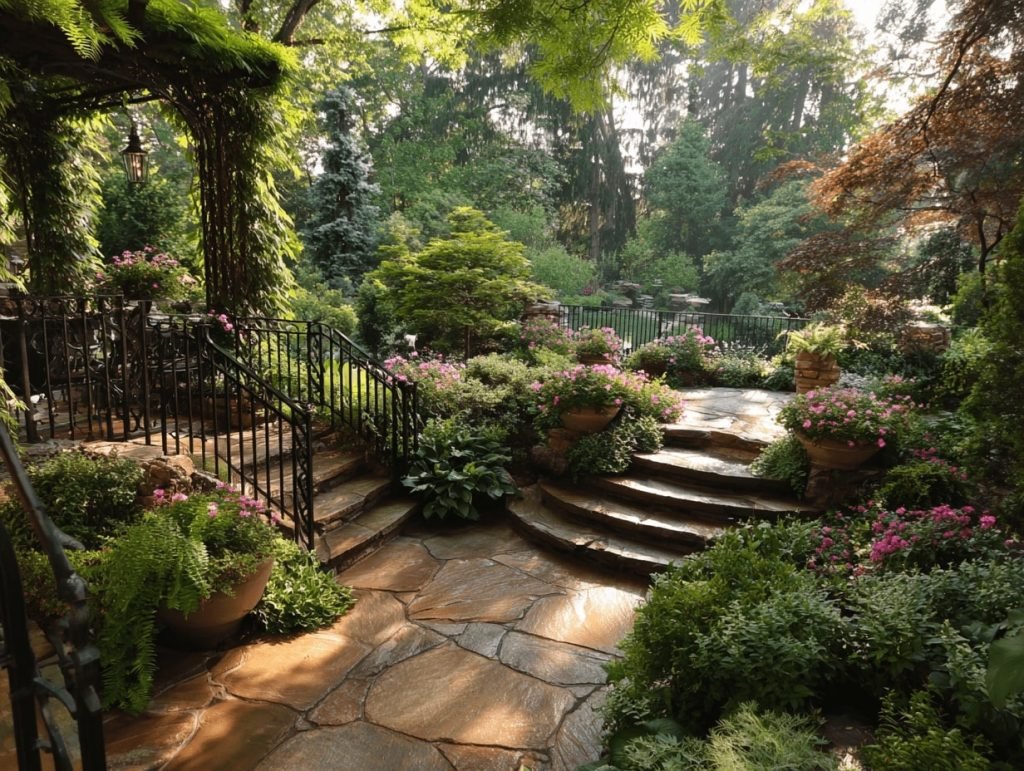
Traditional garden steps often evoke a sense of timeless elegance. Think of materials like natural stone or brick, which blend seamlessly with lush greenery. These steps often have gentle curves and are flanked by classic elements like hedges or flowering borders. Imagine walking through a garden that feels like it’s been there for centuries. Consider adding wrought iron railings for added charm and safety. Do you have a favorite plant that could accentuate this timeless look? Plant it alongside your steps for a cohesive feel.Modern Approaches
Modern garden steps prioritize clean lines and minimalistic design. Materials like concrete, sleek metal, or smooth tiles are often used to create a contemporary look. These steps are typically more geometric, with right angles and clear edges. Would a pop of color in the form of LED lighting under each step interest you? This not only adds a futuristic touch but also enhances safety during nighttime. Modern designs can be both stunning and practical.Rustic Aesthetics
Rustic steps bring a touch of nature into your garden with their earthy materials and organic shapes. Wood, gravel, and irregular stone are popular choices for a rustic feel. These steps often appear as though they are a natural extension of the landscape. Imagine the crunch of gravel underfoot or the warmth of aged timber on a sunny day. Have you thought about incorporating native plants to enhance this natural look? The key here is to maintain the raw, unrefined beauty that makes rustic steps so charming. Each design style offers a unique way to express your personal taste. What resonates most with you? As you ponder, remember that the best design is one that complements your lifestyle and brings joy every time you step outside.Step Dimensions
Designing garden steps requires careful attention to step dimensions. Ensure each step is consistent in height and depth for safety. Ideal dimensions promote comfort and accessibility, enhancing the garden’s overall aesthetic.
Designing garden steps requires careful thought about step dimensions. Well-designed steps ensure safety and comfort. They also enhance the garden’s beauty. Dimensions affect how people use and enjoy the garden.Optimal Height And Depth
The height of each step should be consistent. Ideally, steps should be about 4 to 6 inches high. This height is comfortable for most people. Depth is equally important. Each step should be at least 12 inches deep. This provides enough space for footing. If space allows, deeper steps can be more comfortable.Width Considerations
Step width impacts ease of use. Wider steps offer more space for movement. A width of at least 36 inches is recommended. This allows two people to pass comfortably. If the garden has a narrow area, adjust accordingly. Ensure there is enough space for safe navigation.
Credit: www.youtube.com
Safety Features
Ensure safe garden steps by considering non-slip surfaces and sturdy handrails. Adequate lighting enhances visibility and prevents accidents. Regular maintenance keeps steps secure and free from hazards.
Designing garden steps involves more than just aesthetics. Safety is a crucial factor to ensure you, your family, and guests can navigate the steps with confidence. A well-designed garden path not only enhances your garden’s appeal but also guarantees peace of mind. Let’s delve into some essential safety features that can make your garden steps both beautiful and secure.Non-slip Surfaces
A rainy day can turn your beautiful garden steps into a slippery hazard. To prevent this, consider using non-slip materials like textured stone, brick, or treated wood. These materials provide a rough surface that increases traction. You can also add anti-slip strips or coatings to existing steps. These are easy to install and come in various designs to blend seamlessly with your garden aesthetic. Imagine walking up your garden path without fear of slipping—it’s a small change that offers significant peace of mind.Handrail Installation
Handrails are not just for indoor staircases. They add an extra layer of safety to your garden steps, especially if they are steep or long. Think of them as your garden’s silent guardian. When installing handrails, consider materials that withstand weather conditions, such as treated wood or metal. A well-placed handrail can be both a safety feature and a decorative element, enhancing the garden’s charm. Do you often host gatherings in your garden? A sturdy handrail can prevent accidents and make your guests feel secure as they explore your outdoor space.Incorporating Lighting
Incorporating lighting can enhance the beauty of garden steps. Use soft lights to create a welcoming ambiance. Solar-powered options are eco-friendly and easy to install, providing safety and charm.
Incorporating lighting into garden steps enhances safety and beauty. It transforms your garden into a stunning night-time oasis. Thoughtful lighting creates a warm and inviting atmosphere. It also highlights the natural beauty of your garden.Types Of Lighting
Garden steps can feature various lighting types. Solar lights are eco-friendly and easy to install. LED lights are energy-efficient and long-lasting. String lights add a whimsical touch. Spotlights focus on specific garden features. Choose the right type to suit your garden’s style and needs.Placement Strategies
Strategic placement enhances both safety and aesthetics. Position lights at the edge of steps for clear visibility. Use staggered placement to avoid harsh shadows. Highlight focal points like plants or water features. Consider ambient lighting for a softer glow. Proper placement ensures a balanced and inviting garden space.Enhancing With Plants
Design garden steps with plants to create a serene outdoor space. Choose sturdy materials like stone or wood. Integrate greenery alongside steps for a natural look.
Enhancing garden steps with plants transforms them into a green oasis. Plants add color, texture, and life. The right plants can soften hard edges, making steps welcoming and beautiful. Consider using vertical and complementary planting strategies to create a harmonious look.Vertical Planting Ideas
Vertical planting maximizes space and enhances visual interest. Use planters attached to step railings or walls. Hang pots with cascading flowers for a lush effect. Consider climbers like ivy to soften step edges. Vertical gardens bring layers of greenery to your steps.Choosing Complementary Flora
Select plants that thrive in your local climate. Shade-loving plants suit steps in shadowy areas. Sun-loving plants flourish in sunny spots. Choose colors that match or contrast with your steps. Harmonize plant textures for a cohesive look. Complementary flora enhances your garden’s natural beauty.Maintenance Tips
Garden steps can be a stunning addition to your outdoor space, but like any other feature, they require regular maintenance to stay in top shape. Whether your steps are made of stone, wood, or concrete, maintaining them enhances both their longevity and aesthetic appeal. Below are some practical maintenance tips that will keep your garden steps looking beautiful and safe for years to come.
Regular Cleaning
Routine cleaning is the cornerstone of garden step maintenance. Dirt, leaves, and moss can accumulate over time, making your steps slippery and unsightly. A simple sweep with a broom can remove loose debris. For a deeper clean, use a pressure washer to tackle stubborn stains and moss growth. Be cautious with wooden steps; too much pressure can damage the surface. Additionally, consider using eco-friendly cleaning products to protect your plants and soil.
Repair Strategies
Cracks and chips in your garden steps are not only unattractive but can also pose safety risks. Address these issues promptly. For stone steps, filling cracks with a suitable sealant can prevent further damage. Wooden steps may need sanding or replacing damaged planks. Concrete steps can be patched with mortar mix. Regular inspections will help you spot early signs of wear and tear. If repairs seem daunting, consulting with a professional can ensure the job is done correctly.

Credit: blog.renovationfind.com
Frequently Asked Questions
What Materials Are Best For Garden Steps?
Garden steps can be made from various materials, including stone, wood, concrete, and brick. Stone and brick offer durability and a classic look. Wood provides a natural aesthetic but may require maintenance. Concrete is versatile and cost-effective. Choose materials based on your garden design and budget.
How To Ensure Safety On Garden Steps?
To ensure safety on garden steps, incorporate handrails and adequate lighting. Ensure steps are even and properly spaced. Use non-slip materials or coatings, especially in wet climates. Regularly inspect and maintain steps to prevent hazards. Prioritize safety in design to prevent accidents.
How Do I Measure Garden Step Height?
Measure garden step height by determining the rise and run. The rise is the vertical height, while the run is the horizontal depth. Divide the total height by the number of steps. Ensure each step is comfortable to use. Typical step rise is 6-8 inches for accessibility.
How To Design Garden Steps For Steep Slopes?
Designing garden steps for steep slopes requires careful planning. Consider using switchback designs or zigzag patterns. Incorporate landings for rest and safety. Use retaining walls to support soil and prevent erosion. Ensure steps are wide and sturdy. Consult a landscape architect for complex designs.
Conclusion
Creating garden steps enhances beauty and access in your outdoor space. Simple designs make steps inviting and safe. Consider materials that match your garden style. Ensure steps are sturdy and weather-resistant. Good lighting adds charm and safety at night. Involve creativity in design for a personal touch.
Remember, planning saves time and money. Visualize the layout before construction begins. With thoughtful design, your garden becomes more enjoyable. Steps are not just functional; they transform your garden into a lovely retreat. Enjoy the process and the results. Your garden steps will delight for years to come.