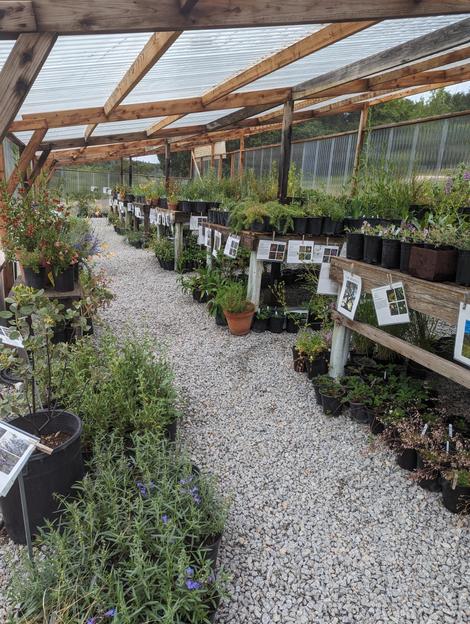
Imagine stepping into a garden where nature thrives effortlessly, a sanctuary for native wildlife, and a haven for your senses. Designing a native plant garden at Las Pilitas can transform your outdoor space into such a paradise.
You might wonder how to start, or which plants will flourish in this unique environment. That’s where we come in. By tapping into your desire for a sustainable, beautiful garden that requires less maintenance, we’ll guide you through the steps to create your own native plant oasis.
From selecting the right species to arranging them harmoniously, you’ll soon discover the secrets to crafting a garden that not only looks stunning but also benefits the ecosystem. Keep reading to learn how to make your dream garden a reality, and turn your outdoor space into a vibrant, living masterpiece.
Credit: www.laspilitas.com
Choosing The Right Native Plants
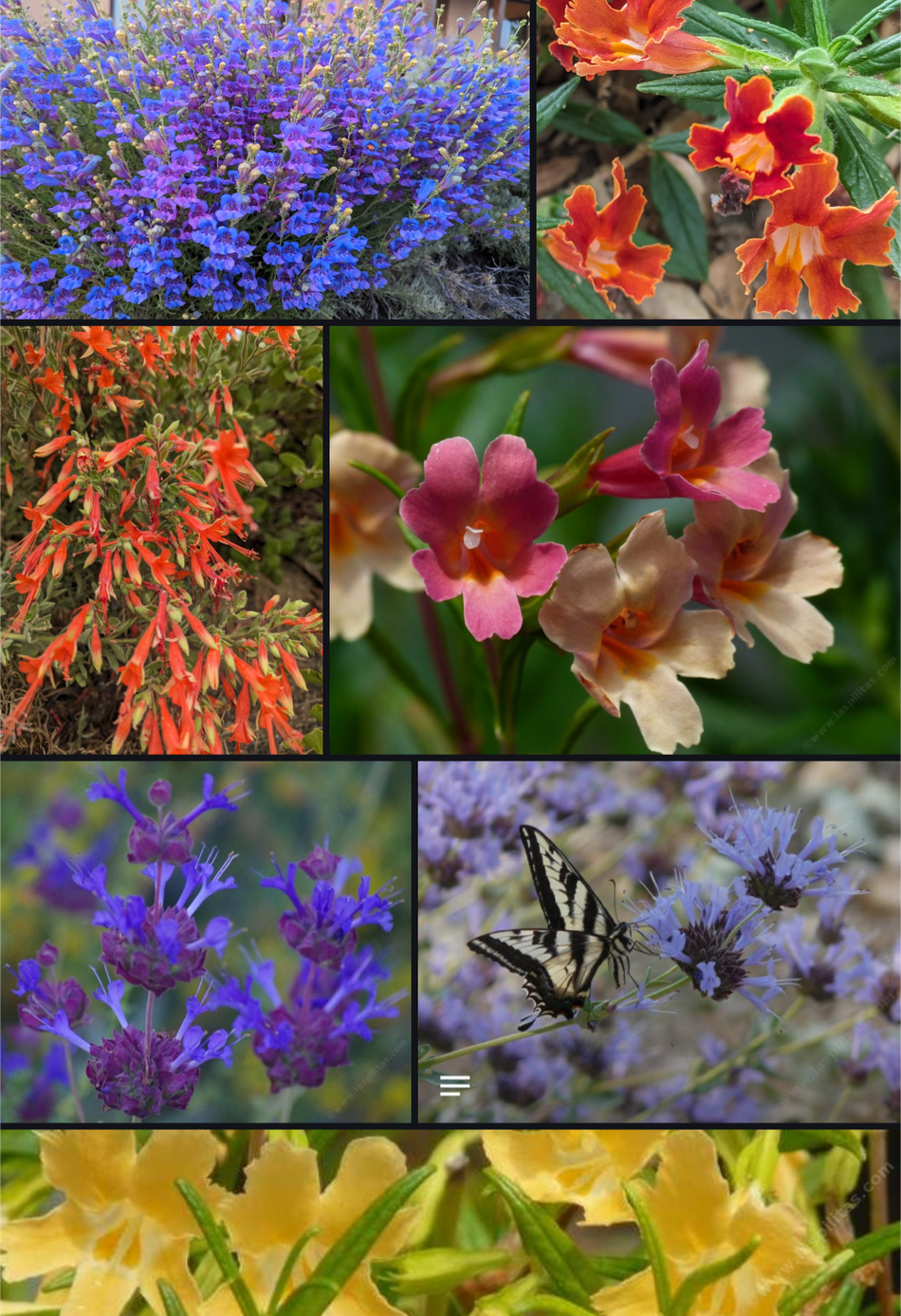
Design a native plant garden in Las Pilitas by selecting drought-tolerant species. Prioritize local plants that thrive in the area’s climate. Ensure your garden supports local wildlife and preserves natural beauty.
Choosing the right native plants for your garden in Las Pilitas can make a significant difference in its success and sustainability. Native plants are adapted to the local climate and soil, making them easier to maintain and beneficial for local wildlife. When selecting these plants, it’s essential to consider their benefits, regional suitability, and seasonal growth patterns.Benefits Of Native Flora
Native plants offer numerous advantages. They require less water and fewer fertilizers, reducing your garden’s environmental impact. Additionally, they attract local pollinators like bees and butterflies, enhancing biodiversity in your backyard. A friend once shared how her native garden turned her yard into a haven for hummingbirds. Imagine the joy of sipping morning coffee as vibrant wildlife dances around your plants.Selecting Regional Species
Choosing plants that thrive in your specific region is crucial. In Las Pilitas, the climate can be quite varied, so selecting plants that naturally occur in your area ensures they will flourish. Visit a local nursery or consult online databases to identify species native to your locale. This research can save you time and money by preventing the purchase of unsuitable plants.Seasonal Plant Considerations
Think about how your garden will look throughout the year. Some native plants bloom in spring, while others offer vibrant fall foliage or winter interest. Create a planting schedule that allows for year-round beauty and habitat for wildlife. This approach means your garden will always have something to offer, regardless of the season. Have you ever considered which season your garden shines the brightest? By planning ahead, you ensure it remains a captivating space all year long.
Credit: www.laspilitas.com
Garden Layout Planning
Designing a native plant garden at Las Pilitas involves selecting species that thrive locally. Consider soil type, sunlight, and water needs to create a sustainable ecosystem. Arrange plants in layers for visual appeal and biodiversity, ensuring a harmonious blend with the natural surroundings.
Planning the layout of your native plant garden at Las Pilitas is a crucial step that can transform your outdoor space into a thriving ecosystem. A well-thought-out garden design not only enhances the visual appeal but also supports local wildlife and conserves resources. Whether you are new to gardening or a seasoned enthusiast, creating a functional and aesthetically pleasing layout is key to success.Creating Functional Zones
Begin by dividing your garden into functional zones. Identify areas for relaxation, entertainment, and growing native plants. Consider pathways that guide visitors through your garden, creating a natural flow. Think about how each zone will be used. Do you want a peaceful corner for meditation? Or perhaps a lively space for gatherings? Each zone should have a clear purpose. Use natural barriers like shrubs or trees to define these zones. This helps in maintaining focus while allowing each area to serve its function effectively.Incorporating Natural Elements
Integrating natural elements into your garden design enhances its beauty and sustainability. Use rocks, wood, and water features to mimic the native landscape. Consider how these elements interact with the plants and wildlife. Rocks can provide shelter for small creatures, while water features attract birds and other pollinators. Don’t forget the subtle impact of light and shadow. Position elements to play with sunlight, creating dynamic and engaging spaces throughout the day.Designing For Wildlife Habitat
Designing your garden with wildlife in mind adds a layer of ecological value. Choose native plants that provide food and shelter for local species. Think about planting in layers: ground covers, shrubs, and trees can create diverse habitats. This encourages a variety of wildlife to visit and make your garden their home. Ask yourself, what can you do to make your garden a sanctuary for local creatures? Small changes in plant selection can have a big impact on biodiversity.Soil And Site Preparation
Preparing soil and site for a native plant garden in Las Pilitas enhances plant growth. Clear debris and unwanted plants for a clean start. Loosen the soil to improve drainage and root penetration, ensuring a healthy garden environment.
Soil and site preparation are vital for a successful native plant garden at Las Pilitas. Native plants thrive in conditions similar to their natural habitat. This makes the initial groundwork crucial. Proper soil management helps native plants establish roots and flourish.Assessing Soil Quality
Understanding your soil type is the first step. Test the soil for its pH level. Most native plants prefer slightly acidic to neutral soils. Check soil texture by feeling it. Sandy, clay, or loamy textures affect plant growth. Conduct a simple drainage test. Dig a hole, fill it with water, and observe drainage speed. Good drainage is essential for native plants.Improving Drainage
Las Pilitas gardens need efficient drainage. For clay soils, add organic matter to improve it. Use compost or well-rotted manure. These materials increase aeration and help water move. In sandy soils, incorporate organic matter to retain moisture. Consider raised beds for areas with poor drainage. These provide better control over water flow.Mulching Techniques
Mulching is important in maintaining soil health. Use organic mulch like wood chips or straw. These materials decompose and enrich the soil. Apply a 2-3 inch layer around the plants. Ensure mulch doesn’t touch plant stems. This prevents rot and pests. Mulch conserves moisture and reduces weeds. Keep your garden thriving with these simple steps.Water Management Strategies
Designing a native plant garden at Las Pilitas involves choosing local flora that thrives naturally. This enhances water efficiency and reduces maintenance. Native plants support local wildlife and create a sustainable ecosystem.
Water management is crucial for a successful native plant garden at Las Pilitas. A well-planned strategy ensures plants thrive while conserving water. Explore these effective methods to manage water in your garden.Implementing Irrigation Systems
An efficient irrigation system can save water and support plant growth. Drip irrigation delivers water directly to roots, minimizing waste. It reduces evaporation and keeps soil consistently moist. Set timers to water during cooler hours. This reduces evaporation further. Regular checks ensure the system functions well. Repair leaks promptly to prevent water loss.Drought-tolerant Planting
Select drought-tolerant plants native to Las Pilitas. These plants adapt well to local conditions. They require less water, reducing maintenance needs. Group plants with similar water needs together. This simplifies watering and promotes healthy growth. Mulch helps retain soil moisture. It also prevents weed growth, which competes for water.Rainwater Harvesting
Collect rainwater to use in your garden. It reduces dependency on municipal water. Install rain barrels under gutters to capture runoff. Use collected water during dry periods. Connect barrels to drip systems for easy distribution. Regularly clean barrels to prevent algae growth. This ensures the water remains usable.Maintaining Your Native Garden
Design a native plant garden at Las Pilitas by selecting local plants that thrive in the area. Arrange these plants to create a natural, sustainable landscape that supports local wildlife and conserves water.
Maintaining your native garden in Las Pilitas ensures it thrives year-round. Native plants require less maintenance but still need some care. Proper upkeep keeps your garden healthy and beautiful.Pruning And Trimming
Regular pruning helps maintain plant health. Remove dead or damaged branches. This encourages new growth and prevents disease. Trim plants to keep a tidy appearance. Avoid cutting more than one-third of a plant at a time. Use clean, sharp tools for best results.Pest And Disease Control
Native plants are more resistant to pests. But they still need protection. Inspect plants regularly for signs of trouble. Remove affected leaves or branches immediately. Encourage beneficial insects that eat harmful pests. Avoid chemical pesticides if possible. They can harm the ecosystem.Seasonal Care Routines
Different seasons require different care. In spring, add mulch to retain moisture. Summer needs regular watering during dry spells. Fall is the time for planting new species. In winter, protect young plants from frost. Use blankets or coverings as needed. Adjust care based on seasonal changes. Your garden will thrive all year.Incorporating Artistic Features
Incorporate artistic features into your native plant garden in Las Pilitas. Use natural stones and rustic pathways for charm. Select vibrant native flowers to add color and attract local wildlife.
Designing a native plant garden at Las Pilitas offers a unique opportunity to blend nature’s beauty with artistic flair. By thoughtfully incorporating artistic features, you can elevate your garden from a simple collection of plants to a stunning landscape that tells a story. Here’s how you can transform your garden into a living masterpiece.Using Natural Materials
Natural materials are the backbone of a cohesive garden design. They harmonize with native plants, creating a seamless integration between flora and decor. Consider using stones and logs for pathways or borders. Wood, in particular, ages gracefully, blending over time with the surrounding greenery. Opt for materials sourced locally to maintain the authenticity of your garden. Have you ever noticed how a simple stone arrangement can echo the rugged beauty of nearby hills? It’s this connection that resonates with visitors.Adding Decorative Elements
Decorative elements can add personality to your garden. Think of sculptures or birdbaths that complement the natural environment. Choose pieces that reflect the local culture or personal memories. Consider incorporating colorful pottery or rustic benches that invite relaxation. These elements can be a conversation starter, sparking interest and admiration. Could a vibrant mosaic mirror the diverse flora in your garden?Creating Focal Points
A well-designed focal point draws attention and enhances the visual appeal of your garden. This could be a striking tree, a water feature, or an art installation. Position it strategically to lead the eye and create a sense of discovery. Perhaps a dramatic archway could frame a view of the mountains beyond. What story does your garden tell when guests pause at your focal point? Incorporating artistic features allows you to craft a garden that’s not only visually appealing but emotionally engaging. Let your creativity flow as you design a space that’s uniquely yours.Community And Environmental Impact
Designing a native plant garden in Las Pilitas promotes biodiversity and supports local wildlife. Native plants require less water and maintenance, enhancing sustainability. This garden approach nurtures community connections and environmental stewardship, fostering a healthier ecosystem.
Designing a native plant garden at Las Pilitas offers more than just aesthetic appeal. It creates a profound impact on your community and the environment. By choosing native plants, you not only support local ecosystems but also foster connections with your neighbors and fellow garden enthusiasts.Supporting Local Wildlife
Native plants provide essential habitats and food sources for local wildlife. Birds, butterflies, and bees thrive in environments where their natural food sources are abundant. By planting species native to Las Pilitas, you create a sanctuary where these creatures can flourish, contributing to the overall health of your local ecosystem.Promoting Biodiversity
A native plant garden is a powerful tool for promoting biodiversity. These plants are adapted to the local climate and soil, requiring less water and maintenance. As a result, they create a sustainable ecosystem that supports a variety of species, from insects to mammals, enhancing the natural balance of your surroundings.Engaging With Neighbors
Your garden can be a conversation starter and a way to engage with your neighbors. Sharing seeds, tips, and experiences can foster a sense of community and shared purpose. Moreover, you might inspire others to start their own native plant gardens, creating a network of green spaces that benefit everyone. Imagine your neighborhood transformed into a vibrant tapestry of native gardens. What role will your garden play in this green revolution?
Credit: www.laspilitas.com
Frequently Asked Questions
What Are Native Plants For Las Pilitas?
Native plants for Las Pilitas are species naturally occurring in the region. They are adapted to the local climate and soil. Choosing native plants helps in sustainable gardening. They require less water and maintenance and support local wildlife. Examples include California poppy and manzanita.
How To Start A Native Plant Garden?
Begin by researching native species suitable for your area. Plan your garden layout considering plant size and growth habits. Prepare the soil by removing weeds and improving drainage. Plant during the right season, typically fall or winter. Provide initial watering and watch your garden flourish.
Why Choose Native Plants For Gardening?
Native plants are low-maintenance and drought-resistant. They thrive in local soil and climate conditions. They support biodiversity by attracting local wildlife. Using native plants reduces water usage and need for chemical fertilizers. Overall, they create a sustainable and eco-friendly garden.
How To Maintain A Native Plant Garden?
Regularly check for weeds and remove them promptly. Water your plants deeply but infrequently, especially during dry spells. Mulch to retain moisture and suppress weeds. Prune dead or overgrown branches to promote healthy growth. Monitor for pests and diseases, and address issues swiftly.
Conclusion
Creating a native plant garden can be rewarding and beautiful. These gardens support local wildlife and conserve water. Start small and choose plants suited to your area. Test soil and make sure it drains well. Arrange plants in layers for a natural look.
Use mulch to keep weeds away. Water deeply, but not often, once plants are established. Regularly check for pests and disease. Enjoy the beauty and benefits of a native garden. Your garden will thrive with patience and care. Embrace the uniqueness of native plants.
Let nature lead the way.







