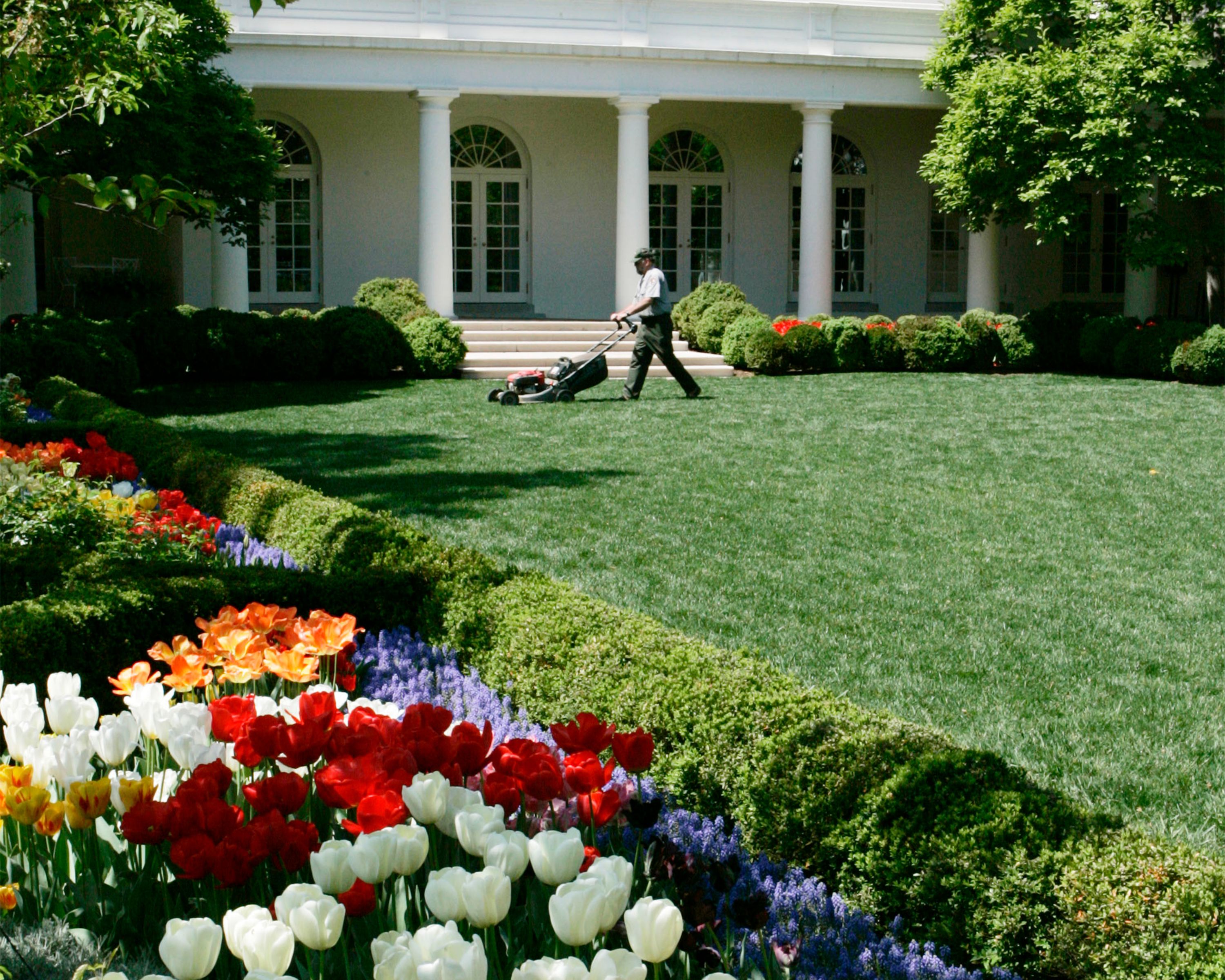
Have you ever wondered about the serene beauty that the White House Rose Garden exudes? It’s not just the vibrant flowers or the perfectly manicured lawns that capture the eye; it’s also the elegant benches that invite you to pause and soak in the history around you.
But when were these iconic benches designed? Uncovering the timeline and inspiration behind these benches is like unlocking a hidden chapter of American history. This article takes you through the captivating story of the White House Rose Garden benches. By the end, you’ll gain a deeper appreciation for these understated pieces of art that have witnessed countless historical moments.
Your curiosity will be piqued, and you might just find yourself daydreaming about a visit to this legendary garden. Keep reading to satisfy your curiosity and indulge in the intriguing narrative behind the benches that have quietly stood the test of time.

Credit: myrgv.com
Origins Of The Rose Garden
The White House Rose Garden benches were designed in 1962. Inspired by Pierre-Charles L’Enfant’s vision, the design aimed for elegance. These benches complement the garden’s timeless beauty.
The White House Rose Garden is not just a picturesque space; it’s a historical tapestry woven with stories of tradition, diplomacy, and design. Nestled on the west side of the White House, this iconic garden has been a silent witness to countless significant moments in American history. But where did it all begin? The origins of the Rose Garden are as fascinating as the blooms that adorn it.The Vision Of Ellen Axson Wilson
The story of the Rose Garden’s creation is intricately linked with Ellen Axson Wilson, wife of President Woodrow Wilson. Ellen, an accomplished artist, envisioned a garden that would reflect both beauty and functionality. Her passion for horticulture led to the establishment of a garden that was not just ornamental but a space for reflection and diplomacy.The Influence Of First Ladies
First Ladies have played pivotal roles in shaping the Rose Garden. From Jacqueline Kennedy’s elegant redesign in the 1960s to Melania Trump’s recent renovations, each has left a unique mark. Their contributions highlight the evolving nature of this historic space, ensuring it remains relevant and captivating.Architectural And Design Elements
The design of the Rose Garden is a blend of formal and informal elements, creating a harmonious balance. The pathways are meticulously planned to allow easy access while maintaining aesthetic appeal. Benches, strategically placed, invite visitors to pause and soak in the serene environment, offering a moment of tranquility amidst the hustle of political life.The Bench Designs: A Timeless Addition
The benches in the Rose Garden are more than just seating arrangements; they are pieces of art. Designed to complement the garden’s elegant layout, these benches have been an integral part of the garden since its early days. Each bench tells a story, offering a quiet space for contemplation and conversation. Have you ever visited a garden that left a lasting impression on you? Consider how the design and elements, like benches, contribute to its charm. The White House Rose Garden serves as a reminder of how thoughtful design can enhance our connection to nature and history.Early Landscaping Plans
The White House Rose Garden is not just a space filled with beautiful flowers; it’s a symbol of evolving design and thoughtful planning. The early landscaping plans for this iconic garden set the foundation for its timeless elegance. As you explore the history behind these plans, you’ll discover how each element was meticulously crafted to create an inviting and serene environment.
History Of The Rose Garden Design
The design of the Rose Garden dates back to the early 20th century. First Lady Ellen Wilson initiated the concept, seeking a peaceful retreat. Her vision was to blend the garden’s aesthetics with functionality, incorporating spaces for relaxation and diplomatic events.
Influence Of European Gardens
The early designs drew inspiration from European gardens, aiming to capture their grandeur and sophistication. You can imagine strolling through the garden and feeling transported to a European estate, surrounded by lush greenery and elegant benches.
Functionality Meets Beauty
The benches were designed not just for sitting but as focal points. They invite visitors to pause and reflect amidst the roses. Consider how a simple bench can transform a garden into a place of contemplation and conversation.
Evolution Over Time
While the initial plans laid the groundwork, the garden evolved with each administration. Changes were made to adapt to modern needs while preserving its historical essence. Each redesign aimed to enhance the garden’s charm without losing sight of its original purpose.
Personal Connection To The Space
Visiting the Rose Garden can evoke a sense of history and tranquility. Have you ever sat on one of the benches, feeling the weight of the garden’s legacy around you? Such experiences can deepen your appreciation for the thoughtful planning behind its creation.
The White House Rose Garden is more than a collection of roses and benches; it’s a testament to the enduring power of design. Its early landscaping plans continue to influence how we perceive and enjoy this cherished space. As you walk through the garden, what thoughts and emotions does it stir within you?
The Role Of First Ladies
The White House Rose Garden is more than just a beautiful space; it’s a testament to the influence and creativity of First Ladies throughout history. These remarkable women have played pivotal roles in shaping the garden’s design, each leaving a unique mark that reflects their personal taste and the era they represent. The story of the Rose Garden benches is intertwined with their vision and dedication.
First Ladies have traditionally been influential in the design and aesthetics of the White House gardens. Their role often extends beyond ceremonial duties, allowing them to impact the garden’s design and functionality. Some First Ladies have chosen to integrate elements that resonate with their personal style or the prevailing cultural trends of their time.
Influence On Garden Design
First Ladies have had a significant impact on the overall design of the Rose Garden. Their choices in plants, layout, and features like benches reflect their personal tastes and the garden’s intended use. Whether for state events or personal relaxation, their influence ensures the garden remains a versatile and welcoming space.
Consider Jacqueline Kennedy, whose vision for the Rose Garden included adding elegant benches that invite visitors to sit and enjoy the beauty around them. Her preference for classic designs helped shape a garden that’s both timeless and functional.
Notable Contributions
Several First Ladies have made notable contributions to the Rose Garden’s evolution. Lady Bird Johnson, for instance, emphasized the importance of native plants and sustainable gardening practices, leaving a lasting legacy of environmental consciousness.
Pat Nixon introduced vibrant roses that added a splash of color, enhancing the garden’s visual appeal. Her contribution was not just aesthetic but also symbolic, representing the blooming of new ideas and initiatives during her husband’s presidency.
Have you ever wondered how much of a garden’s charm is due to the personal touch of the designer? The benches in the Rose Garden are a reminder of the enduring legacy of the First Ladies who envisioned them as a place of tranquility and reflection.

Credit: www.townandcountrymag.com
Introduction Of Benches
The benches in the White House Rose Garden were designed in 1962. They reflect the elegance and charm of the historical garden. Crafted to complement the garden’s beauty, they offer a tranquil space for reflection.
The White House Rose Garden is a symbol of elegance and history. The benches add to its serene beauty, offering visitors a place to sit and reflect. These benches are not just functional; they are thoughtfully designed pieces.Design Inspiration
The design of the benches draws from classic garden furniture styles. Influences include European gardens known for their timeless charm. The designers aimed for simplicity and sophistication. They wanted benches that complement the garden’s roses and lush greenery.Materials Used
The benches are crafted from high-quality materials. Wood and metal are primarily used for durability. Wood provides warmth and natural appeal. Metal elements ensure sturdiness and longevity. Each bench is built to withstand the elements and time.Architectural Significance
The White House Rose Garden benches have a rich architectural significance. Their design reflects the elegance and history of the space. These benches, crafted with precision, enhance the garden’s charm. They are more than just seats. They are pieces of art that tell stories.
Symbolism In Design
The benches symbolize peace and reflection. Their design incorporates motifs that represent unity. The curves and lines evoke harmony. Each bench is a testament to thoughtful design. It blends tradition with function seamlessly.
Integration With Surroundings
The benches integrate well with the garden’s lush greenery. They complement the roses and the landscape. Their placement is strategic and intentional. It offers a perfect spot to enjoy nature’s beauty. The materials used echo the natural environment. The wood and stone choices are deliberate. They ensure durability and aesthetic appeal.
Historic Events In The Rose Garden
The White House Rose Garden is not just a lush oasis; it is a witness to countless historic events. Established in 1913, the garden has been a backdrop to presidential ceremonies and cultural celebrations, each adding layers to its rich narrative. As you wander through its pathways, imagine the moments of history that have unfolded here.
Presidential Ceremonies
Presidents have utilized the Rose Garden to address the nation during pivotal moments. From announcing legislative milestones to hosting foreign dignitaries, these ceremonies have defined political eras. Picture yourself standing where Presidents Franklin D. Roosevelt and John F. Kennedy once stood, shaping the future with their words.
The garden benches, designed to complement these grand events, offer a quiet place to reflect on the weight of history. Imagine sitting on one of these benches, pondering the decisions made here that altered the course of the nation. How might these historic events inspire your own leadership journey?
Cultural Celebrations
The Rose Garden has also been a venue for cultural celebrations, reflecting the diverse tapestry of American society. Events like jazz performances and Easter Egg Rolls have brought music and laughter to its serene atmosphere. These moments remind us that the garden is not only a political space but also a cultural hub.
As you sit on the garden benches, consider the stories of those who have gathered here for celebrations. How do these events shape your understanding of American culture? The benches offer a unique perspective, allowing you to engage with history in a personal way.
Whether you are drawn to the political significance or the cultural allure, the Rose Garden invites you to explore the depths of its legacy. What stories will you uncover in this historic sanctuary?
Preservation Efforts
The White House Rose Garden benches hold historical significance. Their preservation is vital for maintaining national heritage. Efforts focus on restoring the beauty and essence of these iconic benches. Meticulous care ensures they last for future generations.
Restoration Projects
Restoration projects aim to revive the original design of the benches. Experts carefully analyze old photographs and documents. Their goal is to recreate the benches’ authentic appearance. Skilled craftsmen use traditional techniques to ensure quality. These projects breathe new life into the historic benches.
Maintaining Historical Integrity
Maintaining historical integrity is a key priority. Original materials are preferred during restorations. This includes specific wood types and finishes. The craftsmanship stays true to the initial designs. This dedication preserves the benches’ historical essence.
Credit: www.cnn.com
Frequently Asked Questions
Who Designed The White House Rose Garden Benches?
The White House Rose Garden benches were designed by Rachel Lambert Mellon. Mellon was a renowned horticulturist and philanthropist. She worked closely with Jacqueline Kennedy in 1962 to redesign the Rose Garden. Her design remains iconic, blending aesthetics with functionality.
When Were The Rose Garden Benches Installed?
The benches in the White House Rose Garden were installed during the 1962 renovation. The renovation was led by Rachel Lambert Mellon. This project aimed to enhance the garden’s elegance and utility. The benches have since become a signature feature.
What Materials Are Used For Rose Garden Benches?
The White House Rose Garden benches are crafted from durable teak wood. Teak is chosen for its weather-resistant properties. It ensures longevity and a classic appearance. The material complements the garden’s natural beauty.
Why Are Benches Important In The Rose Garden?
Benches in the Rose Garden offer a place for relaxation and reflection. They enhance visitor experience by providing comfort. Their placement is strategic, allowing visitors to enjoy garden views. This feature adds to the garden’s charm and functionality.
Conclusion
The White House Rose Garden benches hold historical charm. Designed in the early 1960s, they reflect elegance. These benches add beauty and tranquility to the garden. Visitors enjoy the peaceful atmosphere they create. The design blends seamlessly with the garden’s lush surroundings.
It creates a perfect spot for reflection and relaxation. Their timeless appeal continues to draw admirers today. Learning about their history enriches our appreciation. It connects us to the garden’s past and present. These benches remain a symbol of style and grace.
They enhance the garden’s allure, inviting all to appreciate its serene beauty.