Imagine stepping into your backyard and feeling instantly transported to a lush, untamed paradise. A wild garden can offer you just that—a space where nature’s beauty thrives in its most authentic form.
It’s a haven for wildlife, a sanctuary for you, and a feast for the senses. If you’ve ever dreamed of creating such a magical escape, you’re not alone. Many people are turning to wild gardens to bring a touch of nature’s spontaneity into their lives.
But where do you begin? How do you design a garden that looks effortlessly wild but is thoughtfully planned? This guide will walk you through every step, giving you the confidence to create a vibrant ecosystem right in your own yard. Ready to unlock the secrets of designing your perfect wild garden? Let’s dive in and get started!
Choosing Native Plants
Designing a wild garden involves choosing native plants that thrive in local conditions. These plants support wildlife and require less maintenance. Selecting them ensures a harmonious blend with the environment.
Choosing native plants for your wild garden is a step towards creating a sustainable and thriving ecosystem. Native plants are those that naturally occur in your region, adapted to the local climate, soil, and wildlife. By incorporating these plants, you ensure that your garden is not only beautiful but also beneficial to the environment.Benefits Of Native Species
Native plants offer numerous advantages over exotic species. They require less water and maintenance, as they are accustomed to local weather conditions. This means you’ll spend less time and resources on irrigation and care. They also attract local pollinators such as bees and butterflies, boosting biodiversity in your garden. Imagine the delight of watching hummingbirds flit from flower to flower in your backyard! Moreover, native plants are more resistant to local pests and diseases, reducing the need for chemical pesticides. This creates a healthier garden environment for you and your family.Selecting Local Flora
Start by researching plants that naturally grow in your area. Local nurseries and botanical gardens are excellent resources for information on native species. Consider the specific conditions of your garden, such as sunlight and soil type, when choosing plants. For example, if you have a shady corner, opt for shade-tolerant native ferns or woodland flowers. Create a diverse mix of plants, including trees, shrubs, and perennials, to mimic natural ecosystems. A diverse plant palette not only enhances visual appeal but also supports a wider range of wildlife. Ask yourself: What do I want my garden to achieve? Whether it’s attracting birds, creating privacy, or simply providing a peaceful retreat, native plants can help you meet your goals. By choosing native flora, you’re not just planting a garden—you’re nurturing a slice of nature’s original masterpiece.Creating A Natural Layout
Designing a wild garden involves mimicking nature’s randomness and beauty. Use diverse plant species for a natural look. Create winding paths and varied plant heights to enhance the untamed aesthetic.
Designing a wild garden is an adventure where nature and creativity meet. A crucial aspect is creating a natural layout that mirrors the free-spirited essence of wilderness. This section will guide you through practical steps to cultivate a garden that feels like a spontaneous embrace of nature.Embracing Organic Shapes
Imagine your garden as a canvas where nature paints freely. Instead of rigid lines, think of curves and waves. These organic shapes mimic the natural world, making your garden seem as if it was crafted by nature itself. Start by sketching out your garden with wavy lines and soft edges. Use natural elements like stones or logs to form borders that flow with the landscape. This way, your garden will have a seamless transition between different areas, providing a more inviting and relaxing atmosphere.Incorporating Natural Pathways
Paths in a wild garden should be more than just functional. They should invite exploration and discovery. Consider using materials like gravel, bark, or stepping stones that blend with the surroundings. Think about how you naturally move through the space. Do you find yourself meandering towards a particular view or plant? Design your paths to lead to these focal points, creating a journey rather than a direct route. This encourages a deeper connection with your garden, transforming each walk into an experience. Remember, a natural layout is not just about aesthetics. It’s about creating a space that feels alive and evolving. How will you let your garden grow wild today?Encouraging Biodiversity
Creating a wild garden fosters biodiversity by inviting native plants and wildlife. Choose diverse species that thrive naturally. Incorporate layered plantings to offer shelter and food for insects and birds, enhancing the ecosystem.
Encouraging Biodiversity Creating a wild garden is a rewarding endeavor that invites nature to flourish right in your backyard. By encouraging biodiversity, you’re not just cultivating beauty; you’re nurturing a vibrant ecosystem. This approach benefits both the environment and your garden, fostering resilience and balance.Attracting Pollinators
Pollinators are crucial for a thriving garden. You can invite bees, butterflies, and other pollinators by planting a variety of native flowers. Think of bright blooms that offer nectar throughout the growing season. Consider adding plants like lavender, sunflowers, or coneflowers. These not only beautify your garden but also serve as a buffet for pollinators. It’s amazing how a simple change can transform your garden into a buzzing hub of activity. To make it even more appealing, avoid pesticides that can harm these vital creatures. A little observation reveals how the absence of chemicals leads to a healthier ecosystem.Supporting Local Wildlife
Your garden can be a sanctuary for local wildlife. Incorporate elements like bird baths or small ponds to provide water sources. These features attract birds, frogs, and beneficial insects, enhancing biodiversity. Plant shrubs and trees that offer shelter and food. Berry bushes or nut trees provide sustenance for birds and small mammals. It’s fascinating to see how adding a few strategic plants can create a lively environment teeming with life. Consider the needs of different species. Would a pile of leaves make a cozy home for hedgehogs? Small changes can have a big impact, and observing wildlife can become a joyful pastime. By focusing on these aspects, your wild garden becomes a thriving habitat, brimming with life and color. How will you transform your space to support the intricate web of life?
Credit: www.countryliving.com
Sustainable Gardening Practices
Embrace nature’s chaos by creating a wild garden that thrives with diverse plants and minimal intervention. Native plants, mixed with vibrant perennials, encourage a self-sustaining ecosystem. This approach reduces maintenance while enhancing biodiversity and fostering wildlife habitats.
Sustainable gardening practices are essential for a wild garden. They ensure your garden thrives while protecting the environment. By adopting these practices, you can create a habitat that supports local wildlife and conserves natural resources.Water Conservation Techniques
Efficient water use is key in sustainable gardening. Collect rainwater in barrels to reduce reliance on tap water. This method not only saves water but also cuts costs. Drip irrigation systems are another effective way to minimize water waste. They deliver water directly to plant roots, ensuring minimal evaporation. Mulching helps retain soil moisture, keeping plants hydrated longer. Choose drought-resistant plants to reduce water needs. These plants thrive with less water, making them ideal for sustainable gardens.Organic Pest Control
Pests can be managed without harmful chemicals. Introduce beneficial insects like ladybugs and lacewings. They naturally control pest populations. Companion planting is another organic method. Certain plants repel insects when grown together. For example, marigolds deter nematodes. Homemade sprays can also help. Use ingredients like garlic or soap to deter pests. Regularly inspect plants for signs of pests. Early detection helps manage infestations before they spread.Seasonal Planting Strategies
Designing a wild garden involves selecting native plants that thrive in your local climate. By planting seasonally, you ensure continuous blooms and a habitat for wildlife. Plan for a mix of perennials and annuals for year-round beauty.
Designing a wild garden is an art that thrives on the beauty of change. Seasonal planting strategies are essential to maintain a vibrant and ever-evolving landscape. By aligning your garden with nature’s cycles, you can enjoy a dynamic display of colors and textures throughout the year. Let’s dive into how you can embrace each season’s unique offerings and ensure your garden remains lively and engaging all year round.Embracing Seasonal Changes
Creating a garden that celebrates seasonal shifts is both rewarding and practical. Start by observing what blooms naturally in your area during different times of the year. Native plants are adapted to the local climate and often require less maintenance. Plan your planting schedule around these natural patterns. This not only supports local wildlife but also reduces the amount of work you need to do. Imagine stepping into your garden and discovering a new burst of color each season—it’s like nature’s own art gallery.Year-round Plant Interest
A well-designed wild garden captures interest every day of the year. Think beyond flowers; consider foliage, bark, and even the structure of plants. Evergreens can provide a steady backdrop while deciduous plants offer dynamic changes. Layering is key. Position plants of varying heights and textures to create depth and intrigue. For instance, pair tall grasses with low-growing perennials to form a visually appealing contrast. Don’t forget about winter. Include plants with interesting seed heads or vibrant stems. This ensures your garden isn’t just a summer spectacle but a year-round delight. What will your garden reveal in the quiet of winter or the awakening of spring?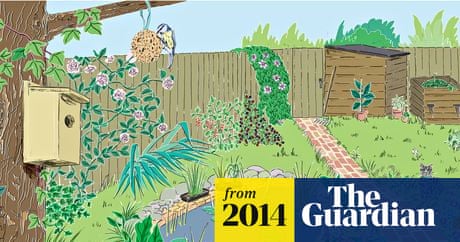
Credit: www.theguardian.com
Enhancing Soil Health
Creating a wild garden is a delightful venture, but the secret to its flourishing beauty lies beneath the surface—in the soil. Enhancing soil health is crucial to support the vibrant tapestry of flora in your garden. Healthy soil provides the nutrients plants need, improves drainage, and fosters a thriving ecosystem of beneficial organisms. But how do you nurture the soil effectively?
Natural Fertilizers
Natural fertilizers are your garden’s best friend, offering a nutrient-rich boost without the harsh chemicals found in synthetic options. Consider using options like bone meal, blood meal, or fish emulsion. These not only feed your plants but also improve the soil’s structure.
Have you ever noticed how certain areas in your garden thrive better than others? Often, it’s because of the organic materials naturally present in the soil. By adding natural fertilizers, you mimic these conditions, allowing your wild garden to flourish.
Think of it as cooking—adding the right ingredients can make all the difference. Experiment with different natural fertilizers to see which your plants respond to best. You’ll be surprised at how quickly your garden can transform with just a bit of extra care.
Composting For Soil Vitality
Composting is a powerful way to enhance soil vitality, turning kitchen scraps and garden waste into nutrient-rich humus. It’s a win-win situation—reducing waste while enriching your soil. Start by setting up a compost bin in a corner of your garden. Collect vegetable peels, coffee grounds, and grass clippings.
Have you ever wondered what happens to your leftover food? Instead of tossing it in the trash, composting allows you to recycle it into a valuable resource. As your compost decomposes, it creates a nutrient-dense material that invigorates your soil.
Consider the impact of your daily habits on your garden. By composting, you’re not only enhancing soil health but also contributing to a sustainable environment. As you watch your garden thrive, you’ll feel the rewarding connection between your actions and nature.
Designing For Low Maintenance
Creating a wild garden involves selecting native plants that require minimal care. Focus on hardy species that thrive with little watering and pruning. Arrange plants in natural clusters to mimic nature’s balance and reduce upkeep.
Designing a wild garden is all about embracing nature’s unpredictability while ensuring it doesn’t become a burden to maintain. By focusing on low maintenance design, you can enjoy the beauty of a wild garden without the constant upkeep. Imagine a garden that thrives on its own, with minimal intervention from you. Let’s delve into some practical ways to achieve this.Choosing Hardy Plants
Opt for plants that are resilient and well-suited to your local climate. Native species are often the best choice as they are adapted to the local soil, weather patterns, and pests. Consider perennials that return year after year, reducing the need for replanting. Mix in drought-resistant species to minimize watering efforts. What plants have you noticed thriving in your neighborhood without much care? These could be ideal candidates for your garden.Minimalist Care Techniques
Adopt a minimalist approach to gardening to keep your workload light. Mulching is a great technique; it retains soil moisture, suppresses weeds, and reduces the need for frequent watering. Implementing a no-dig gardening method can save time and energy, allowing the soil structure to remain intact and fostering a healthier ecosystem. Regularly assess your garden’s natural growth patterns. Is it self-sustaining? Adjust care routines based on observation rather than strict schedules. By choosing the right plants and care techniques, your wild garden can become a self-sustaining paradise.Integrating Water Features
Integrate water features to bring life and motion to your wild garden design. Small ponds or streams attract diverse wildlife, enhancing the natural feel. Adding rocks and native plants around them creates a harmonious ecosystem.
Integrating water features into your wild garden creates a serene atmosphere. Water elements draw wildlife, enhance biodiversity, and add visual interest. They create a soothing soundscape, transforming your garden into a peaceful retreat. Consider the size and layout of your garden when choosing a water feature.Natural Ponds And Streams
Natural ponds mimic ecosystems, encouraging frogs and dragonflies to visit. They attract birds seeking water and insects for food. Streams create gentle movement, enhancing garden aesthetics. Design them to follow the natural slope of your land. Use native plants along the banks to stabilize the soil and add habitat.Benefits Of Wetland Areas
Wetland areas support diverse plant and animal life. They filter rainwater, reducing pollution and improving water quality. Wetlands act as natural sponges, absorbing floodwaters and preventing erosion. They provide shelter for small mammals, birds, and amphibians. Add native wetland plants for a thriving ecosystem.
Credit: www.veranda.com
Frequently Asked Questions
What Is A Wild Garden Design?
A wild garden design mimics nature’s untamed beauty. It emphasizes native plants, informal layouts, and biodiversity. This approach creates habitats for wildlife, enhancing ecological balance. Wild gardens often feature natural elements like rocks and logs. They require less maintenance, offering a sustainable and environmentally friendly gardening option.
How Do I Start A Wild Garden?
Start by observing local ecosystems. Choose native plants suited to your climate and soil. Plan informal layouts and create diverse plant layers. Incorporate natural elements like rocks and water features. Ensure habitats for wildlife by including flowering plants and shrubs.
Gradually replace conventional garden areas with wild garden elements.
Which Plants Are Best For Wild Gardens?
Native plants are ideal for wild gardens. They thrive without excessive maintenance and support local wildlife. Consider wildflowers, grasses, and shrubs that attract pollinators. Trees like birch and oak provide shelter and structure. Mix textures and colors for visual interest.
Research native species to create a balanced ecosystem.
How Can I Attract Wildlife To My Garden?
To attract wildlife, include native plants that provide food and shelter. Incorporate water sources like bird baths or ponds. Avoid pesticides, allowing natural pest control. Create diverse plant layers for varied habitats. Add nesting boxes and feeders. Maintain a natural garden design for a welcoming environment.
Conclusion
Creating a wild garden brings nature to your doorstep. Birds, bees, and butterflies will find a home. Plants grow freely, offering vibrant colors and textures. Paths meander, inviting exploration and peace. Embrace the wild beauty. Enjoy the dance of nature in every season.
Start small, watch it evolve, and learn along the way. Your garden becomes a living canvas, full of surprises and charm. Celebrate the untamed spirit in your backyard. It’s not just a garden. It’s a haven for wildlife and a retreat for you.
Let nature lead the way and find joy in simplicity.