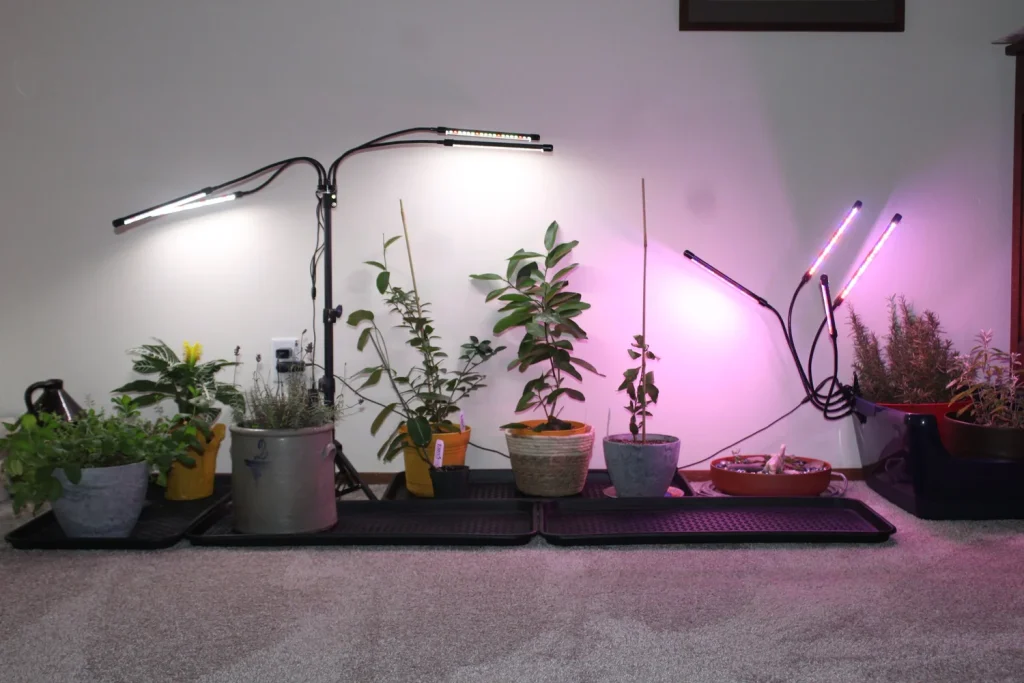
Imagine stepping into your home and being greeted by a vibrant indoor garden that flourishes all year round. Sounds amazing, right?
But here’s the secret: the key to a thriving indoor garden lies in choosing the right kind of light. You might have tried different methods to keep your plants healthy indoors, yet something always seems off. What if you could unlock the perfect environment for your green companions without guesswork?
You’ll discover exactly what kind of light to use for your indoor garden to ensure your plants not only survive but thrive. This isn’t just about lighting; it’s about creating a space that brings joy and beauty into your home. Dive in and explore how the right light can transform your indoor gardening experience.

Credit: www.amazon.ca
Choosing The Right Light
Choosing the right light ensures healthy growth for your indoor garden. LED and fluorescent lights are great options, providing the necessary spectrum for photosynthesis. Adjust light intensity and duration based on plant type to mimic natural sunlight effectively.
Choosing the right light for your indoor garden is crucial. The right light affects plant growth and health. Different plants need different light types. Understanding these needs ensures your garden thrives.Natural Vs Artificial Light
Natural light is cost-effective and readily available. It comes from the sun and varies with seasons. Not all indoor spaces receive enough natural light. Artificial light fills this gap. LED and fluorescent lights are popular choices. They are energy-efficient and mimic sunlight.Intensity And Duration
Light intensity influences plant growth. Some plants need bright light, others prefer shade. Consider your plant’s natural habitat. Light duration is also key. Most plants need 12 to 16 hours of light daily. Use timers for consistent light exposure. This routine supports healthy plant cycles.Types Of Grow Lights
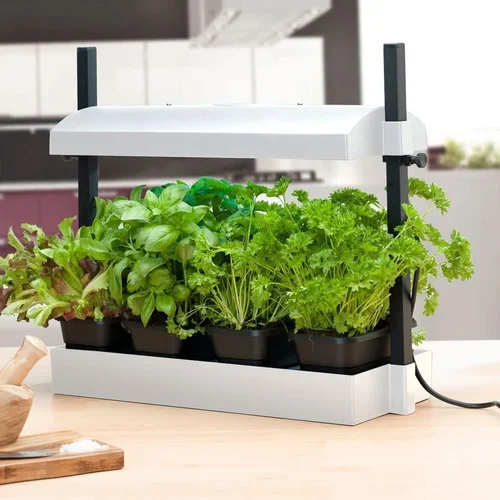
Grow lights come in various types for indoor gardens. LED lights are energy-efficient and versatile. Fluorescent lights are affordable and ideal for smaller spaces. High-Intensity Discharge (HID) lights provide strong illumination for larger plants. Each type offers unique benefits for different gardening needs.
Indoor gardening has grown in popularity. Choosing the right grow light is crucial. Grow lights provide the energy plants need for photosynthesis. Let’s explore the different types of grow lights available.Led Grow Lights
LED grow lights are energy-efficient. They produce less heat, making them safe for plants. These lights come in full-spectrum options. Full-spectrum lights mimic natural sunlight. They are durable and have a long lifespan. LED lights are often more costly upfront but save energy.Fluorescent Bulbs
Fluorescent bulbs are affordable and efficient. They provide good light for small indoor gardens. These bulbs are available in different sizes and shapes. Compact fluorescent lights (CFLs) are popular for home use. They emit less heat than incandescent bulbs. Fluorescent lights are ideal for seedlings and leafy greens.Incandescent Bulbs
Incandescent bulbs are the least efficient choice. They produce more heat than light. This can harm delicate plants. They are not ideal for serious indoor gardening. While cheap, they consume more energy. Use them only as a last resort.Hid Grow Lights
HID grow lights are powerful and effective. They are used in commercial indoor gardens. There are two types: Metal Halide (MH) and High-Pressure Sodium (HPS). MH lights are good for vegetative growth. HPS lights are best for flowering stages. HID lights require more setup and can be costly. They emit a lot of heat and need ventilation.Light Spectrum And Plant Growth
The light spectrum plays a crucial role in indoor gardening. Plants require specific types of light for optimal growth. Understanding how different wavelengths affect plants can enhance your indoor garden’s success.
Importance Of Full Spectrum
Full spectrum light includes all wavelengths necessary for plants. It mimics natural sunlight, promoting healthy plant growth. Full spectrum lights support photosynthesis throughout all plant stages.
They help plants grow strong roots and vibrant leaves. This type of light is ideal for indoor gardens needing balanced growth.
Role Of Blue And Red Light
Blue light is vital for vegetative growth. It encourages strong stem development and leaf expansion. Plants absorb blue light during early growth stages.
Red light plays a key role in flowering and fruiting. It triggers the flowering process and helps with seed germination. Red light is essential during the reproductive phase.
Combining blue and red light can maximize plant growth. They complement each other, ensuring plants grow efficiently at each stage.
Credit: thegreenmadhouse.com
Positioning And Setup
Positioning and setting up lights for an indoor garden is vital. Proper placement ensures plants receive enough light for healthy growth. Consider how light direction impacts plant development. This section explores effective positioning strategies.
Distance From Plants
Light distance plays a crucial role. Too close, plants might burn. Too far, they may struggle. Aim for optimal spacing. Generally, keep lights 12-24 inches above plants. Regular checks help maintain suitable distance. Adjust as plants grow taller.
Adjustable Light Fixtures
Adjustable fixtures offer flexibility. They let you change light angles easily. Different plants need varied light exposure. Adjustable fixtures cater to these needs. They help in directing light effectively. Consider models with adjustable heights. This ensures plants get consistent light.
Energy Efficiency And Cost
Choosing LED lights for indoor gardens ensures energy efficiency and cost-effectiveness. These lights consume less electricity and produce minimal heat, making them ideal for plant growth.
Growing plants indoors is an exciting journey, but the choice of lighting can significantly impact your garden’s success and your wallet. Energy efficiency and cost are crucial factors to consider when selecting the right lighting. The right balance will ensure your plants thrive without driving up your electricity bill. Let’s explore the energy usage and financial aspects of indoor garden lighting to help you make informed choices.Comparing Energy Usage
Different light sources consume varying amounts of electricity. LED lights are often the most energy-efficient option, using up to 75% less energy than traditional incandescent bulbs. Fluorescent lights are another good choice for energy-conscious gardeners, offering a middle ground between LEDs and older, more energy-hungry options. LEDs also have the advantage of producing less heat, which means your plants are less likely to suffer from overheating, and you won’t need to spend extra on cooling systems.Initial Investment And Long-term Savings
The initial cost of setting up LED lighting might seem steep, but consider it an investment. While traditional bulbs are cheaper upfront, they need frequent replacements and consume more power. LEDs, on the other hand, can last up to 50,000 hours, reducing the need for constant replacements and maintenance. Think of it like buying a reliable pair of shoes. Spending more initially often means fewer purchases in the long run. With LED lights, you’ll see the savings on your electricity bill over time, making it a cost-effective choice for any indoor gardener. By choosing energy-efficient lighting, you’re not just saving money; you’re also contributing to a more sustainable environment. What better way to nurture your indoor garden than with a light choice that benefits both your plants and the planet?
Credit: www.amazon.ca
Common Mistakes To Avoid
Growing an indoor garden can be rewarding and fulfilling. To ensure healthy plant growth, it’s crucial to understand common lighting mistakes. Many gardeners unknowingly make errors that hinder plant development. Avoiding these pitfalls can lead to a flourishing indoor garden.
Overexposure To Light
Plants need light, but too much can harm them. Overexposure can lead to scorched leaves and stressed plants. It’s essential to balance light duration and intensity. Monitor plant reactions and adjust lighting accordingly. Remember, each plant species has specific light requirements.
Ignoring Light Spectrum Needs
Plants require different light spectrums for various growth stages. Ignoring spectrum needs can stunt growth or cause poor flowering. Use full-spectrum lights to mimic natural sunlight. Consider the plant’s stage: vegetative or flowering. Providing the right spectrum promotes healthy growth and vibrant blooms.
Tips For Success
Choosing the right light can boost your indoor garden’s growth. LED lights are energy-efficient and mimic natural sunlight. Fluorescent lights are affordable and good for herbs and leafy greens.
Growing an indoor garden can be a rewarding venture, but it comes with its own set of challenges, especially when it comes to lighting. The right light choice can make a significant difference in the health and vitality of your plants. Here are some tips for success to help your indoor garden thrive.Monitoring Plant Health
Keep a close eye on your plants’ growth patterns. Regularly check for signs of stress, like yellowing leaves or stunted growth. These can indicate that your lighting setup may need adjustment. Consider using a simple light meter to measure the intensity of your current setup. This can help you understand if your plants are receiving enough light. Remember, different plants have varied lighting needs. Ask yourself: Are my plants flourishing or just surviving? Regular observation is key to making informed decisions about your lighting.Regular Adjustments And Maintenance
Indoor garden lighting is not a set-it-and-forget-it affair. Be prepared to make regular tweaks to your lighting setup based on plant growth and seasonal changes. If your plants are reaching for the light, it might be time to lower the fixture or increase the intensity. On the other hand, if they seem to be shrinking away, consider reducing exposure. Maintenance also includes checking for dust accumulation on light fixtures, which can diminish light intensity. A quick wipe can ensure your plants are getting the full benefit of your lighting system. By being proactive and attentive, you can ensure your indoor garden not only survives but thrives.Frequently Asked Questions
What Is The Best Light For Indoor Gardens?
The best light for indoor gardens is LED grow lights. They provide full-spectrum lighting essential for plant growth. LED lights are energy-efficient, long-lasting, and produce less heat, reducing the risk of plant damage. Their adjustable settings cater to various plant needs, ensuring optimal growth conditions.
Can Fluorescent Lights Support Plant Growth Indoors?
Yes, fluorescent lights can support plant growth indoors effectively. They emit sufficient light for small to medium-sized plants. Compact fluorescent lights (CFLs) are popular for their low energy consumption. While not as powerful as LEDs, they are an affordable option for beginners in indoor gardening.
How Do Grow Lights Benefit Indoor Plants?
Grow lights benefit indoor plants by mimicking natural sunlight. They provide essential wavelengths for photosynthesis. This promotes healthy growth, flowering, and fruiting. Grow lights are adjustable to cater to different plant stages. They ensure year-round gardening, irrespective of outdoor weather conditions.
Are Incandescent Lights Suitable For Indoor Gardening?
Incandescent lights are not ideal for indoor gardening. They produce more heat than light, risking plant damage. Their spectrum is limited, lacking essential wavelengths for plant growth. Incandescent lights are energy-consuming and less efficient compared to LEDs or fluorescents. They are better suited for decorative lighting.
Conclusion
Choosing the right light is crucial for indoor gardening success. LED lights save energy and offer full-spectrum lighting. Fluorescent lights work well for small plants and tight spaces. Consider your plant types and space size before deciding. Remember, light affects growth and health.
Regular adjustments might be necessary for optimal results. Your plants will thrive with proper lighting. Experiment to find the best setup for your garden. Happy growing!







