
Picture this: a lush, green paradise right in your living room. Imagine the satisfaction of plucking a fresh basil leaf or a ripe cherry tomato from your own indoor garden.
You don’t need acres of land or a perfect climate to start growing plants; all you need is a little space and some enthusiasm. If you’ve ever wanted to transform your home into a green oasis, you’re in the right place.
Starting an indoor garden can be a fulfilling hobby, a way to improve your home’s air quality, and even a source of fresh herbs and vegetables. So, how do you begin this exciting journey? Let’s explore simple steps that will turn your home into a thriving indoor garden. Don’t worry if you’re not a seasoned gardener—this guide is designed to make the process easy and enjoyable for you. Ready to dig in? Let’s get started!
Choosing The Right Space
Choosing the right space for an indoor garden is crucial. Consider natural light availability and ventilation. Ensure enough room for plants to grow.
Choosing the Right Space Starting an indoor garden can be an exciting journey, but where you choose to set up your plants is crucial. The right spot can make all the difference between thriving greenery and wilting leaves. Here’s how you can identify the ideal space for your indoor garden.Assessing Light Availability
Light is a plant’s best friend. Observe the natural light in various parts of your home throughout the day. South-facing windows generally offer the most sunlight, but east or west windows can also be suitable. Consider the types of plants you want to grow. Some plants, like succulents or herbs, need plenty of sunlight, while others, like ferns, thrive in lower light conditions. Use this knowledge to match your plant choices with the available light. If natural light is scarce, think about investing in grow lights. They can provide the necessary light spectrum for plants to photosynthesize effectively. This can be a game-changer for spaces with limited sunlight.Considering Temperature And Humidity
Temperature and humidity levels play a significant role in plant health. Most plants prefer a consistent temperature range, typically between 65°F and 75°F. Avoid placing plants near heaters, vents, or drafty windows where temperature fluctuations are common. Humidity is another factor to consider. Some plants, like orchids, require higher humidity levels. You can boost humidity with a small humidifier or by grouping plants together. A simple pebble tray with water can also help increase moisture levels around your plants. Take note of seasonal changes in your home. Winter might bring dry air, while summer could introduce excessive heat. Adjust your plant care routine accordingly to maintain an optimal environment.Space Constraints And Solutions
Limited space doesn’t have to limit your gardening ambitions. Vertical gardening can be a brilliant solution for small areas. Use shelves, hanging planters, or wall-mounted pots to maximize your space. Think creatively about unused spaces. A sunny kitchen counter or a bathroom with a skylight can double as a plant haven. Even a small balcony can be transformed into a lush garden spot with the right arrangement. Consider multi-functional furniture. A bookshelf can hold both books and plants, while a plant stand can add greenery to a corner without taking up much room. With a bit of imagination, you can turn any space into a thriving indoor garden. Choosing the right space for your indoor garden involves a bit of planning and creativity. What unique solution will you come up with for your space constraints?
Credit: www.dxbnewsnetwork.com
Selecting Suitable Plants
Choosing the right plants is essential for a thriving indoor garden. Consider light levels and space available before selecting. Opt for low-maintenance varieties like succulents or ferns for beginners.
Selecting the right plants is crucial for a thriving indoor garden. Not all plants adapt well to indoor conditions. Some need bright light, while others thrive in low-light. Choosing suitable plants ensures less stress and more success. Let’s explore some great options for your indoor garden.Best Plants For Beginners
New to indoor gardening? Some plants are forgiving and easy to care for. Snake plants are tough and can survive with little water. They also improve air quality. Spider plants are another excellent choice. They require minimal attention and grow quickly. Pothos plants are hardy and adapt to various environments. They also tolerate low light and irregular watering.Plants For Low-light Conditions
Not every indoor space has bright light. But some plants do well with less. ZZ plants thrive in low light and need little water. Peace lilies are lovely and flourish in dimly lit areas. They also purify the air. Cast iron plants are durable and survive even in shady corners. They require little maintenance and are perfect for beginners.Herbs And Edibles To Grow Indoors
Growing your own herbs is rewarding. Basil is a popular choice and grows quickly indoors. Mint is easy to maintain and adds flavor to drinks and dishes. Chives are simple to grow and enhance many recipes. For something different, try cherry tomatoes. They can thrive indoors with enough light. Enjoy fresh produce without a garden plot.Gathering Essential Tools
Selecting the right tools is crucial for starting an indoor garden. Choose quality pots, soil, and seeds to ensure healthy growth. Proper lighting and watering cans are also essential for success.
Starting an indoor garden is an exciting journey, but gathering the right tools can make all the difference in your gardening success. Are you ready to turn your living space into a lush green sanctuary? Let’s dive into the essentials you need to kickstart your indoor gardening adventure.Basic Gardening Tools
The foundation of any garden, indoor or outdoor, lies in having the right tools. A hand trowel, for instance, is crucial for planting seeds and transplanting seedlings. Pruning shears will help you trim plants to encourage growth. Don’t forget a watering can—choose one with a long spout for easy access to pots. A spray bottle is perfect for misting, especially for plants that thrive in humidity. Tip: Invest in a small garden fork; it’s perfect for loosening soil and aerating your plants.Choosing The Right Containers
Containers are more than just vessels for your plants; they’re part of your indoor décor. Consider size and material. Small pots are ideal for herbs, while larger containers can house bigger plants like tomatoes. Materials like terracotta are breathable, promoting healthy root growth. Plastic pots are lightweight and retain moisture well, making them suitable for plants that need constant hydration. Pro tip: Look for pots with drainage holes to prevent waterlogging, a common pitfall in indoor gardening.Soil And Fertilizer Options
The soil you choose plays a pivotal role in your garden’s success. Opt for a potting mix designed specifically for indoor plants, as it often contains materials like perlite or vermiculite to improve aeration. Consider organic fertilizers to nourish your plants naturally. Liquid fertilizers can be added during watering for an extra boost. Challenge yourself: Try composting kitchen scraps—it’s a sustainable way to enrich your soil and cut down on waste. Ready to start planting? With these essential tools, you’re well on your way to cultivating a thriving indoor garden. What will your first plant be?Understanding Watering Needs
Starting an indoor garden requires understanding plant watering needs. Different plants need different amounts of water. Keep soil moist, but avoid overwatering to prevent root rot.
Understanding Watering Needs Starting an indoor garden can be rewarding. Watering is a vital part of plant care. Knowing the right amount is essential. Too much or too little can harm plants.Frequency Of Watering
Each plant has unique watering needs. Some plants need water daily. Others prefer a drier soil. Research your plant types. Check soil moisture before watering. A consistent schedule helps plants thrive.Watering Techniques
Different techniques suit different plants. Use a watering can for precise control. Misting is gentle for delicate leaves. Drip systems work well for larger setups. Ensure water reaches roots. Avoid wetting leaves to prevent disease.Signs Of Overwatering And Underwatering
Overwatering can suffocate roots. Look for yellowing leaves and soggy soil. Underwatering leads to dry, brittle leaves. Wilting is a common sign. Feel the soil and observe your plants. Adjust your watering habits accordingly.Ensuring Proper Lighting
Proper lighting is key to starting an indoor garden. Natural sunlight and grow lights help plants thrive indoors. Choose lighting that matches your plants’ needs for healthy growth.
Ensuring proper lighting is crucial for a thriving indoor garden. Plants need light for photosynthesis, which helps them grow strong and healthy. Without adequate lighting, plants can become weak and leggy. Understanding the difference between natural and artificial light, choosing the right grow lights, and positioning them correctly can make a big difference in your indoor garden’s success.Natural Light Vs. Artificial Light
Natural light is often the easiest option for indoor gardeners. Position plants near windows to capture sunlight. South-facing windows provide the most light. But not all spaces have enough natural light. This is where artificial light comes in. It can supplement or even replace natural light. Artificial lights give you control over light intensity and duration.Types Of Grow Lights
There are several types of grow lights to consider:- Fluorescent Lights:Affordable and energy-efficient. Good for small plants.
- LED Lights:Long-lasting and low heat. Suitable for all plant types.
- Incandescent Lights:Less efficient. Best for plants needing less light.
- HID Lights:High intensity. Ideal for large growth areas.
Positioning Lights For Optimal Growth
Proper placement of grow lights is key. Hang lights 6 to 12 inches above plants. Adjust height as plants grow. Ensure light covers all parts of the plant. Use reflectors to maximize light distribution. Set timers to mimic natural daylight hours. This helps regulate plant growth cycles.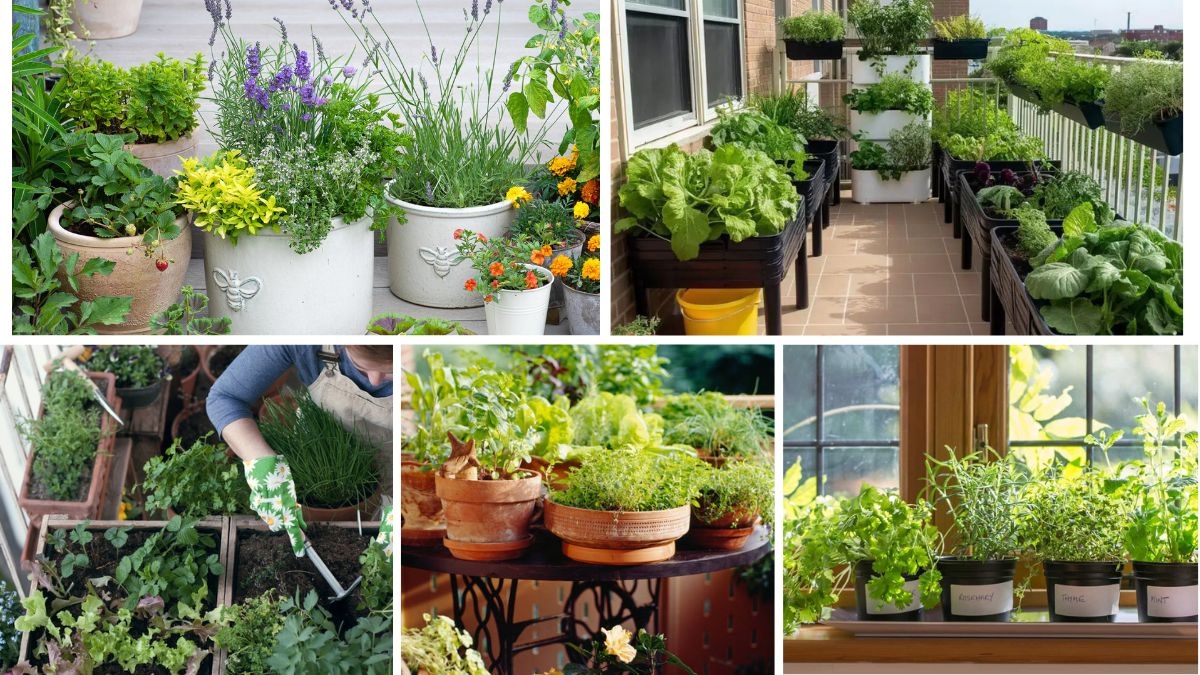
Credit: pune-okayamafriendshipgarden.com
Maintaining Plant Health
Starting an indoor garden boosts plant health. Choose suitable plants for your space and ensure proper light. Water them regularly and use quality soil to maintain their vitality.
Maintaining plant health is key to a thriving indoor garden. Healthy plants grow better and produce more. They also resist pests and diseases more effectively. Regular care ensures your indoor garden stays vibrant and lush. Here are some essential tips on maintaining plant health.Dealing With Common Pests
Pests can harm your indoor plants. To manage them, inspect plants regularly. Look for signs like holes in leaves or sticky residue. Use natural solutions like neem oil or insecticidal soap. These are safe for most plants. Introduce beneficial insects like ladybugs to control pests naturally. Keep the area clean to prevent pest infestations.Recognizing Plant Diseases
Diseases can affect plant growth. Watch for symptoms like yellowing leaves or wilting. Fungal infections often cause white spots. Remove affected leaves promptly. Ensure good air circulation to reduce disease risk. Water plants at the base to keep leaves dry. This helps prevent fungal growth. Use fungicides if necessary, following instructions carefully.Pruning And Trimming Techniques
Pruning helps plants grow well. It removes dead or excess growth. Use clean, sharp tools for cutting. Trim plants during their growing season for best results. Cut just above a leaf node to encourage new growth. Remove any yellow or brown leaves. Regular trimming keeps plants looking neat and healthy. Pruning also helps control plant size.Fostering Growth With Fertilization
Creating an indoor garden starts with selecting suitable plants and understanding their light needs. Use quality soil and apply the right fertilizers to promote healthy growth. Regular care and attention help nurture a thriving indoor oasis.
Fostering Growth with Fertilization Creating a thriving indoor garden requires more than just sunlight and water. Fertilization plays a crucial role in ensuring your plants grow strong and healthy. Understanding how to properly feed your plants can make all the difference in your garden’s success. Let’s explore how to nurture your plants with the right fertilization techniques.Types Of Fertilizers
Different plants have different needs. Organic fertilizers, like compost and manure, provide natural nutrients. They improve soil structure and promote healthy growth. Chemical fertilizers offer precise nutrient control. They contain specific ratios of nitrogen, phosphorus, and potassium. Choose wisely based on your plant type and growth stage.When And How To Fertilize
Timing is key for effective fertilization. Most plants benefit from feeding during their active growth period. Spring and summer are prime times for fertilization. Use liquid fertilizers for easy absorption. Mix them with water, and apply directly to the soil. Granular fertilizers are slow-releasing. Sprinkle them around the base of your plants. Follow package instructions carefully.Avoiding Over-fertilization
Over-fertilizing can harm your plants. It can lead to nutrient burn and weak growth. Signs include yellowing leaves and stunted development. Less is often more when it comes to fertilizing. Always start with a smaller amount and observe your plants. Adjust the quantity as needed, ensuring a balanced nutrient intake.
Credit: food52.com
Creating A Gardening Schedule
Creating a Gardening Schedule Starting an indoor garden requires a well-planned schedule to ensure plants thrive. Determine the types of plants you want and research their care needs. Organize tasks like watering, fertilizing, and light exposure on a calendar to keep plants healthy and flourishing year-round.
Creating a Gardening Schedule Starting an indoor garden is an exciting endeavor, but success hinges on consistency. A gardening schedule is your roadmap to nurturing thriving plants. By organizing tasks and tracking progress, you’ll ensure your indoor garden flourishes year-round.Daily And Weekly Tasks
To keep your indoor garden healthy, establish a routine for daily and weekly tasks. Check your plants every day for water needs—some may require a daily drink, while others can go longer. Use your fingers to test soil moisture. Weekly, dedicate time for tasks like pruning, cleaning leaves, and checking for pests. These small commitments prevent issues from escalating and keep your garden vibrant. Imagine the satisfaction of crossing these tasks off your list!Tracking Growth And Progress
Keep a journal to record your plants’ growth and milestones. Note when new leaves sprout or flowers bloom. This habit not only tracks progress but also reveals patterns in your plants’ health. Taking photos is another excellent way to observe changes over time. You’ll be amazed at how small differences accumulate. Are you noticing how your plants respond to different care routines?Adjusting Care Routines Seasonally
As seasons change, so should your care routines. Light levels and temperatures vary, impacting your indoor garden. Monitor how these changes affect your plants and adjust watering, feeding, and positioning accordingly. Consider the seasonal needs of specific plant species. Some might require more light in winter or less water during humid months. How will you adapt your schedule to meet these evolving requirements? Creating a gardening schedule transforms a hobby into a rewarding ritual. With a bit of planning and attention, your indoor garden will thrive, offering you the joy of nature at home.Frequently Asked Questions
What Do I Need To Start An Indoor Garden?
To start an indoor garden, gather essential supplies like pots, soil, seeds, and a watering can. Choose a location with sufficient sunlight or consider using grow lights. Ensure proper ventilation and humidity levels to keep plants healthy and thriving.
Which Plants Are Best For Indoor Gardening?
Best plants for indoor gardening include herbs like basil, mint, and rosemary. You can also grow leafy greens like spinach and lettuce. Succulents and small flowering plants like African violets add beauty and require minimal maintenance.
How Much Light Do Indoor Plants Need?
Indoor plants generally need 6 to 8 hours of light daily. Place them near windows with bright, indirect sunlight. If natural light is limited, use LED grow lights to supplement and ensure adequate light exposure for healthy growth.
How Often Should I Water Indoor Plants?
Water indoor plants when the top inch of soil feels dry. Overwatering can lead to root rot, so be cautious. The frequency varies based on plant type and environmental conditions, but generally, once a week is sufficient.
Conclusion
Starting an indoor garden is a fun and rewarding journey. You can enjoy fresh herbs and plants at home. Begin with easy-to-grow plants. Use containers that suit your space. Ensure enough light for healthy growth. Water your plants correctly and watch them thrive.
Gardening indoors is a great way to relax and enjoy nature. You’ll learn more about plants and their care. Plus, it adds beauty to your home. So, grab your tools and start today. Enjoy the green and the peace it brings.
Happy gardening!







