Have you ever dreamed of having your own lush indoor garden but hesitated, thinking it might break the bank? You’re not alone.
Many plant enthusiasts wonder if the cost of lighting an indoor garden could turn their green dreams into a financial nightmare. The good news is that understanding the costs involved can help you make informed decisions without feeling overwhelmed. Imagine the joy of nurturing your plants and watching them thrive, all without worrying about sky-high expenses.
We’ll explore the costs associated with lighting an indoor garden and uncover ways you can keep your garden vibrant and your budget intact. Stay with us to discover how to illuminate your green paradise without putting a strain on your wallet.
Factors Influencing Lighting Costs
Lighting costs for an indoor garden depend on bulb type, electricity rates, and garden size. Energy-efficient LEDs might reduce expenses, while larger gardens can increase costs.
Lighting an indoor garden can be both exciting and daunting, especially when you consider the costs involved. Understanding the factors that influence lighting costs can help you make informed decisions and keep your garden flourishing without breaking the bank. Let’s dive into these factors and explore how they impact your overall expenses.Type Of Lighting Systems
Choosing the right type of lighting system is crucial. LED, fluorescent, and incandescent lights vary in cost and efficiency. LED lights are popular for their energy efficiency and long lifespan. While they might have a higher upfront cost, they save money in the long run by consuming less energy and requiring fewer replacements. Fluorescent lights are another option, often preferred for their lower initial price. However, they may not be as energy-efficient as LEDs, potentially leading to higher electricity bills over time. Incandescent lights are generally less recommended for indoor gardens due to their inefficiency and shorter lifespan. They may be cheaper initially, but the frequent replacement costs can add up.Energy Consumption
Your choice of lighting system directly affects energy consumption. High-efficiency lights can significantly reduce your electricity bill. Consider how often you’ll need to keep the lights on. If your plants require long hours of light daily, energy-efficient options like LEDs could save you a substantial amount. Monitoring your energy usage can also help. Some gardeners use timers or smart plugs to control lighting schedules, optimizing usage and minimizing waste.Initial Setup Costs
The initial setup is often where you spend the most. Costs can vary widely based on the size of your garden and the complexity of the setup. Investing in quality lighting fixtures is essential. While cheaper options are available, they may not provide the longevity or effectiveness needed for healthy plant growth. Consider additional expenses, such as mounting equipment or wiring, which can add to the initial cost. Planning your setup carefully can help avoid unexpected expenses down the road. Are you thinking about your indoor garden lighting costs now? Balancing between initial investment and long-term savings can be tricky, but with the right choices, you’ll be nurturing a thriving garden without emptying your wallet.Comparing Lighting Technologies
Comparing lighting technologies for indoor gardens can reveal cost differences. LED lights often use less energy, reducing expenses. Meanwhile, traditional bulbs might lead to higher electricity bills.
Lighting technologies have evolved significantly, providing a variety of options for your indoor garden. Each lighting type comes with its own set of benefits and costs, impacting not just your plants but also your wallet. Understanding these differences can help you make an informed decision that balances growth efficiency with cost-effectiveness.Led Vs. Fluorescent
LED lights are increasingly popular due to their energy efficiency and long lifespan. They consume less power and produce less heat, making them ideal for indoor gardens where temperature control is crucial. While the initial cost may be higher, LEDs often prove cost-effective over time. Fluorescent lights, on the other hand, are less expensive upfront. They are a good option for beginners or those with smaller gardens. However, they consume more electricity and need to be replaced more frequently, which can add up.Halogen And Incandescent Options
Halogen and incandescent lights are among the oldest lighting technologies. They are usually cheaper to purchase, but they are not energy-efficient. These lights produce a lot of heat, which can be detrimental to delicate plants. If you have a small budget, you might be tempted by their low initial cost. Yet, the high electricity bills and frequent replacements could make them more expensive in the long run.Emerging Technologies
New lighting technologies are emerging, promising even more efficiency and effectiveness. Options like OLEDs and plasma lights are making their way into the market. They offer unique benefits like natural light spectrum and reduced energy usage. The question remains: Are these worth the investment for your indoor garden? While they are cutting-edge, their higher cost might not be justifiable for everyone. Keep an eye on their development, as prices might drop making them more accessible. When considering lighting for your indoor garden, think about not just the upfront costs but also the long-term implications. What type of gardener are you? Your choice can significantly impact your growing success and your utility bills.Energy Efficiency Considerations
Indoor gardening requires proper lighting to thrive. Energy efficiency is key. It impacts costs and plant health. Choosing the right light can save money and energy. Consider these factors for energy-efficient indoor garden lighting.
Lumens Per Watt
Lumens measure light brightness. More lumens mean brighter light. Watts measure energy use. An efficient bulb gives more lumens per watt. Look for bulbs with high lumens per watt. This ratio shows how efficient the light is. A higher number means less energy waste.
Lifespan Of Bulbs
Long-lasting bulbs reduce replacement costs. LED bulbs last longer than traditional ones. They can last up to 50,000 hours. Longer lifespan means less frequent changes. This saves money over time. Consider the lifespan when choosing bulbs for your garden.
Heat Output And Ventilation
Lights produce heat as they work. High heat can harm plants. LED lights produce less heat. This reduces the need for extra ventilation. Less heat means lower cooling costs. Ensure your garden has proper ventilation. It keeps plants healthy and energy costs down.
Cost-saving Tips
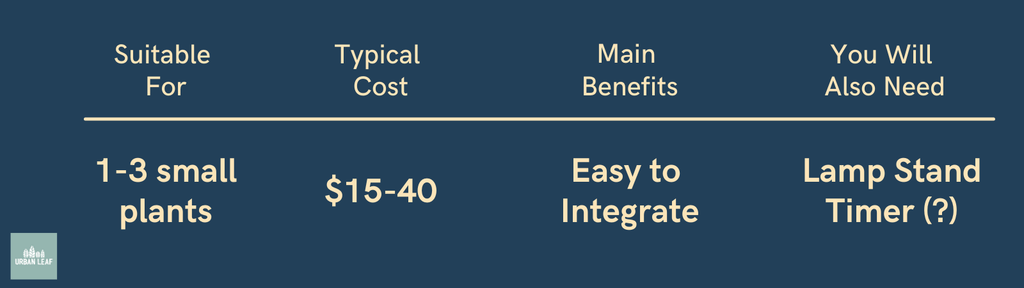
Lighting an indoor garden doesn’t have to be costly. Opt for LED grow lights to save energy and money. Use timers to control the lights, ensuring they’re on only when needed.
Lighting an indoor garden can seem costly. Yet, there are smart ways to save money and energy. Understanding how to choose the right bulbs, use natural light effectively, and implement smart lighting systems can cut expenses. These strategies can ensure your indoor garden thrives without breaking the bank.Choosing The Right Bulbs
Selecting bulbs wisely is essential for saving money. LED bulbs are energy-efficient and last longer. They use less power compared to traditional incandescent bulbs. This results in lower electricity bills. Consider full-spectrum LED bulbs, which mimic natural sunlight. They provide the necessary light for plant growth without excessive energy use.Utilizing Natural Light
Natural light can significantly reduce lighting costs. Position your indoor garden near windows to maximize sunlight exposure. This reduces the need for artificial lighting during the day. Use sheer curtains to diffuse harsh sunlight. This prevents plants from overheating while still benefiting from natural light.Implementing Smart Lighting Systems
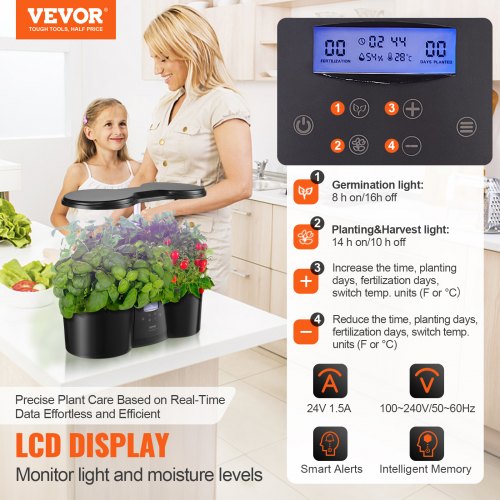
Smart lighting systems offer cost-saving benefits. They allow you to control lighting schedules and intensity remotely. You can set timers to ensure lights are on only when needed. This optimizes energy use and cuts unnecessary costs. Smart systems often adjust based on daylight levels, further conserving energy.Long-term Investment
Investing in an indoor garden can seem pricey at first glance, especially when considering the cost of lighting. However, it’s crucial to view this as a long-term investment. While the initial expenses might feel daunting, the benefits and savings over time can make it worthwhile.
Return On Investment
Think about the fresh produce you could grow year-round. Imagine the savings on grocery bills and the joy of picking fresh herbs or vegetables right in your kitchen. Over time, the money saved from not purchasing these items adds up, making the initial lighting cost a smart investment.
Additionally, some indoor gardeners find they can sell their surplus produce. This creates an extra income stream, further offsetting the initial lighting expenses. Have you considered the potential profit from your indoor garden?
Maintenance And Replacement Costs
While maintenance is necessary, it doesn’t have to break the bank. LED lights, for instance, are known for their longevity and efficiency. They may cost more upfront but require less frequent replacement compared to traditional bulbs.
Regular maintenance, such as cleaning the lights and checking for wear, ensures optimal performance and extends their lifespan. It’s a small effort that guarantees you get the most out of your investment.
Sustainability Benefits
Lighting an indoor garden supports sustainable living practices. LEDs consume less energy, reducing your carbon footprint. This is not just eco-friendly but can also lead to lower energy bills over time.
By growing your own produce, you’re reducing reliance on store-bought items that often involve transportation emissions. It’s a step towards a more self-sufficient lifestyle that benefits both your wallet and the planet.
Have you ever thought about how your gardening choices impact the environment?
:max_bytes(150000):strip_icc()/GettyImages-2169590396-ce1282b1a9b44dbca036552311cffd5b.jpg)
Credit: www.thespruce.com
Case Studies And Real-world Examples
Exploring case studies reveals that lighting an indoor garden can be affordable with energy-efficient LED lights. Real-world examples show that initial investments lead to long-term savings.
When considering the cost of lighting an indoor garden, looking at real-world examples can provide valuable insights. These case studies reveal how different setups manage their energy consumption and costs, offering practical lessons for both beginners and seasoned gardeners. Let’s dive into some specific examples from urban indoor gardens, commercial greenhouses, and home-based projects.Urban Indoor Gardens
Urban indoor gardens often face unique challenges due to limited space and natural light. In New York City, a community garden transformed a vacant basement into a lush haven by using LED grow lights. This choice reduced their energy bill by 30% compared to traditional lighting. They also utilized timers to optimize light usage, turning lights on during off-peak hours to save on electricity costs. Imagine having a vibrant garden in the heart of a bustling city without breaking the bank. Would you consider adopting these strategies for your urban garden?Commercial Greenhouses
In the commercial sector, efficiency is key. A greenhouse in California shifted from high-pressure sodium lamps to LED technology. This change slashed their lighting expenses by nearly 40%. By integrating solar panels, they further offset their energy consumption, creating a sustainable cycle. Such innovations not only cut costs but also enhance the quality of produce. For commercial growers, these investments can significantly boost profit margins. Could renewable energy be the future of commercial gardening?Home-based Projects
Home-based indoor gardens provide a personal touch to this exploration. A family in Chicago converted their attic into a vegetable garden using compact fluorescent lights (CFLs). They found CFLs to be an economical choice, balancing both cost and plant growth needs. To maximize efficiency, they insulated the space, reducing heat loss and further cutting down energy use. This project demonstrates how even small changes can make a big impact on your electricity bill. What small tweaks could you make in your own home garden to achieve similar savings? These examples show that with the right strategies, lighting an indoor garden doesn’t have to be prohibitively expensive. By evaluating real-world examples, you can find inspiration and practical solutions tailored to your own gardening needs.Budget Planning For Indoor Gardens
Creating an indoor garden can be a rewarding project, but it’s essential to plan your budget wisely. Understanding the costs involved can help you make informed decisions and avoid unexpected expenses. Let’s dive into some critical aspects of budget planning for your indoor garden.
Estimating Monthly Expenses
Lighting your indoor garden can be a significant part of your monthly expenses. The cost largely depends on the type and number of lights you choose. LED lights, for example, are energy-efficient and can save you money in the long run. On the other hand, traditional incandescent bulbs may increase your electricity bill.
To get a clearer picture, calculate the total wattage of your lights and multiply it by the number of hours they will be used daily. This will give you an idea of the monthly energy consumption. Remember to consider other costs such as water, soil, and nutrients, which can add up over time.
Cost Variations By Region
Did you know that the cost of lighting an indoor garden can vary depending on where you live? Electricity rates are not the same everywhere. For instance, urban areas often have higher rates compared to rural regions.
Additionally, some regions might have incentives or rebates for using energy-efficient lighting. It’s worth checking with your local utility provider to see if you can benefit from any such programs. Understanding these regional differences can help you plan your budget more accurately.
Planning For Scale
Whether you’re starting small or planning a large indoor garden, scaling is crucial. A small indoor garden might require fewer lights and resources, making it easier on your wallet. However, if you plan to expand, consider the additional costs involved in lighting, space, and maintenance.
Think about your long-term goals. Do you envision a green oasis in your home, or are you simply looking to grow a few herbs? Your vision will guide your investment. Planning for scale ensures that you can sustainably manage and grow your indoor garden without breaking the bank.
Are you ready to embark on your indoor gardening journey? With a well-thought-out budget plan, you can cultivate a thriving indoor garden while keeping your finances in check.
Credit: www.vevor.ca

Credit: www.facebook.com
Frequently Asked Questions
How Much Does Indoor Garden Lighting Cost?
The cost of indoor garden lighting varies widely based on equipment and energy. Basic setups can start at $50, while advanced systems may exceed $500. Energy consumption adds to monthly expenses. LEDs are popular for their efficiency. Consider initial investment and ongoing costs for a clearer financial picture.
What Type Of Lights Are Best For Indoor Gardens?
LED lights are best for indoor gardens due to their energy efficiency and long lifespan. They provide the full spectrum needed for plant growth. Although initial costs may be higher, they save money in the long run. Fluorescent lights are also popular but less efficient than LEDs.
Can Indoor Garden Lighting Be Energy-efficient?
Yes, indoor garden lighting can be energy-efficient. LED lights are the most energy-efficient option available. They use less power and have longer lifespans compared to other types. Properly timed lighting schedules can also reduce energy usage. Energy-efficient lighting helps lower electricity bills while maintaining optimal plant growth.
How Do I Choose Lights For My Indoor Garden?
Choose lights based on your garden’s needs and budget. Consider plant types and their light requirements. LED lights offer efficiency and full-spectrum coverage. Look for adjustable and dimmable features to customize light levels. Evaluate cost-effectiveness and energy consumption for the best results.
Conclusion
Lighting an indoor garden doesn’t have to break the bank. Smart choices can save money. LED lights are efficient and cost-effective. They consume less energy and last longer. Natural light also reduces costs. Consider your garden’s needs carefully. Choose the right setup for your plants and budget.
Research helps in making informed decisions. Compare different lighting options available. Balancing quality with cost is key. Remember, every garden is unique. Tailor your lighting to fit its requirements. With thoughtful planning, indoor gardening can be affordable and rewarding. Enjoy nurturing your green space without stressing over expenses.