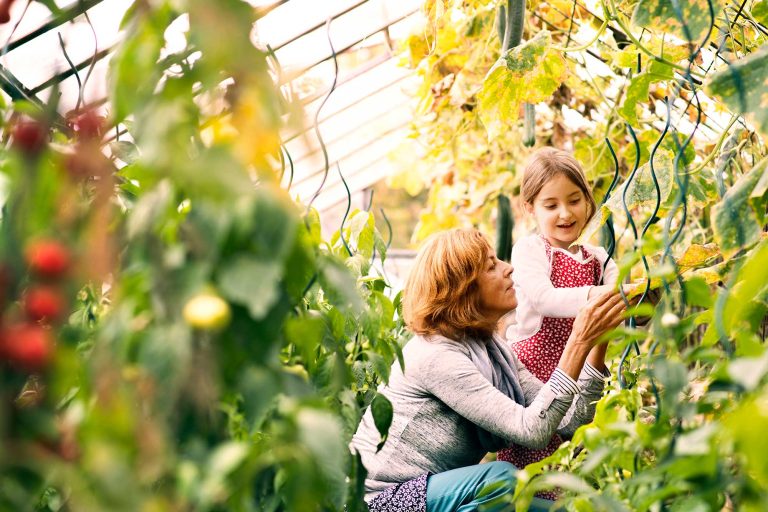
Imagine stepping into a garden that instantly makes you feel at peace. The colors, the textures, and the scents all work together to create a sanctuary that calms your mind and uplifts your spirit.
Have you ever wondered what makes a garden evoke such feelings? Whether you’re dreaming of transforming your own outdoor space or simply curious about the elements that make a garden truly captivating, this guide is for you. Discover how you can infuse harmony, beauty, and functionality into your garden design.
With insights into key principles and practical tips, you’ll be inspired to create a personal oasis that reflects your taste and enhances your lifestyle. Dive in to uncover the secrets to crafting a well-designed garden that speaks to your senses and fulfills your desires.

Credit: rootslandscapingct.com
Garden Layout Essentials
A well-designed garden balances beauty and function. Thoughtful plant selection creates harmony and color. Pathways and seating areas invite relaxation and enjoyment.
Crafting a well-designed garden starts with an effective layout. The layout is the backbone of your garden, guiding both the eye and the foot. It dictates how you and your guests move through the space, and how you interact with the environment. A well-thought-out garden layout balances beauty with practicality, creating a space that is both inviting and functional.Balancing Function And Aesthetics
Every garden should serve a purpose. Whether it’s for relaxation, entertainment, or growing your own food, your garden should reflect your lifestyle and needs. But functionality doesn’t mean you have to compromise on beauty. Consider how you use each part of your garden. Do you need a shaded area for reading or a sunny patch for growing vegetables? Use pathways to connect these spaces, guiding visitors on a journey through your garden. I remember a time when my garden felt disjointed until I added a simple stone path. It transformed the space, linking a cozy seating area with my vegetable patch seamlessly.Creating Zones For Activities
Dividing your garden into zones can help organize activities and enhance the overall experience. Think of your garden as a series of rooms. Each zone should have a clear purpose, like a dining area, a play zone for kids, or a meditation corner. Use natural dividers like hedges, trellises, or changes in elevation to define these spaces without disrupting the flow. In my own garden, I used a low hedge to separate the play area from the rest of the garden. It not only provided a clear boundary but also added an element of surprise as you move through the space. Ask yourself: Are you making the most of the available space? By carefully planning your garden layout, you can create a harmonious balance between utility and beauty, ensuring your garden is a true extension of your home.
Credit: plantologyusa.com
Plant Selection Strategies
Creating a well-designed garden requires thoughtful plant selection strategies. The right choices can transform your outdoor space into a vibrant haven. Whether you’re a seasoned gardener or a newbie, selecting plants that thrive in your specific environment is crucial. This section explores two key strategies: choosing native species and incorporating seasonal blooms.
Choosing Native Species
Native plants are naturally adapted to your local environment, making them a smart choice for your garden. They require less maintenance because they are accustomed to the local soil, climate, and pests. This means you’ll spend less time watering, fertilizing, and protecting them from diseases.
Imagine walking into your garden and seeing flourishing plants that have co-evolved with the local wildlife. Native species attract birds, butterflies, and other pollinators, enhancing biodiversity. Plus, they often have a unique charm that imported plants can’t match.
Consider your local ecosystem and the specific conditions of your garden. Do you have a sunny spot or a shaded area? Selecting native plants that match these conditions can lead to a thriving garden with minimal effort.
Incorporating Seasonal Blooms
Seasonal blooms add color and variety throughout the year. By planning your garden to include plants that bloom in different seasons, you ensure that there’s always something beautiful to look at, no matter the time of year.
Think about the joy of seeing bright daffodils in spring, vibrant lilies in summer, and rich chrysanthemums in fall. These transitions keep your garden dynamic and engaging. It’s like having a living canvas that changes with each season.
Make a list of plants that bloom in different seasons and fit them into your garden design. This approach not only maintains visual interest but also supports local wildlife. Bees and other pollinators will appreciate the continuous supply of nectar and pollen.
Designing Pathways And Walkways
A well-designed garden includes pathways that enhance beauty and functionality. Curved walkways invite exploration and offer scenic views. Natural materials blend seamlessly with plants, creating a harmonious landscape.
Designing pathways and walkways is crucial in creating a well-designed garden. They guide you through the garden, linking different areas. Paths add structure, define spaces, and enhance the garden’s visual appeal. Choosing the right materials and layout improves both aesthetics and functionality.Materials For Durability
Selecting durable materials ensures long-lasting pathways. Consider natural stone, brick, or concrete. These materials withstand weather changes and foot traffic. Gravel and mulch are budget-friendly choices. They add a rustic charm, though need more maintenance. Opt for materials that match your garden’s style. This creates a seamless look throughout your garden.Enhancing Flow And Movement
Paths should guide visitors smoothly through the garden. Curved paths create a sense of mystery and exploration. Straight paths give a formal and structured look. Consider the width of the path. Wide paths accommodate more visitors comfortably. Narrow paths suit intimate garden spaces. Use pathways to lead to focal points, like a fountain or seating area. This enhances the garden’s overall experience.Water Features And Their Impact
Water features transform gardens into tranquil retreats. They add soothing sounds and visual appeal. A well-designed garden includes elements like fountains or ponds, enhancing the landscape’s beauty and harmony.
Water features can transform any garden into a serene oasis. The gentle sound of flowing water soothes the mind. It attracts birds and other wildlife, enriching the garden ecosystem. A well-placed water feature adds a focal point. This enhances the garden’s beauty and tranquility.Types Of Water Features
There are many options for garden water features. Fountains create a calming sound with cascading water. Ponds bring life and movement, attracting frogs and dragonflies. Waterfalls provide a dramatic visual and auditory experience. Birdbaths offer a simple and elegant touch. Each type has its unique charm. Choose based on space and personal preference.Positioning For Maximum Effect
Strategic placement is key for water features. Near a patio, they enhance relaxation and ambiance. In a corner, they can create a private retreat. Consider the sunlight and shade patterns. Too much sun can cause algae growth. Check the wind direction to avoid water splashing. Proper positioning maximizes the impact of your water feature.Lighting For Ambiance
Lighting for ambiance transforms a garden into a magical space. Soft, warm lights highlight paths and plants, creating a welcoming atmosphere. Thoughtful placement enhances beauty while ensuring safety.
Lighting can transform your garden into a magical space, enhancing its beauty and functionality. As the sun sets, the right lighting adds ambiance and depth, turning your garden into a tranquil retreat or a lively party venue. But how do you choose the perfect lighting to achieve this?Types Of Garden Lighting
Choosing the right type of garden lighting is crucial. There are several options available, each serving a unique purpose. – Path Lights: These guide your way, illuminating paths and walkways for safety and aesthetic appeal. – Spotlights: Perfect for highlighting specific features like sculptures or water fountains, drawing attention where you want it most. – String Lights: These add a whimsical touch, perfect for casual gatherings or romantic evenings. – Solar Lights: Eco-friendly and cost-effective, ideal for those who want to conserve energy without sacrificing style. Consider mixing different types of lighting to create a layered effect. This approach can make your garden more dynamic and visually interesting.Highlighting Key Areas
Strategically placing lights can enhance key areas of your garden. Think about what you want to showcase. Do you have a favorite tree or a blooming flower bed? Use uplights to accentuate their natural beauty. If you have a seating area, soft lighting can create a cozy nook for relaxation. Consider placing lights at varying heights to add depth and texture. This creates a captivating visual narrative that changes as you move through the garden. Remember, less can be more. Too much lighting can overpower the natural charm of your garden. Aim for a balance that highlights its best features without overshadowing them. What areas in your garden could benefit from a touch of light?Sustainable Gardening Practices
Thoughtful planning is key to a well-designed garden. Sustainable gardening practices include native plants, efficient water usage, and soil health. These elements create harmony with nature and reduce environmental impact.
Sustainable gardening practices are essential for creating a well-designed garden that thrives today and into the future. Embracing these practices not only benefits the environment but also enhances the beauty and health of your garden. Imagine a space where nature and nurture coexist harmoniously, providing you with a peaceful retreat and a sense of accomplishment.Water Conservation Techniques
Water is a precious resource, and using it wisely in your garden can make a significant difference. Collect rainwater using barrels placed under downspouts. This practice not only saves water but also reduces your utility bills. Drip irrigation systems are another effective way to conserve water. They deliver moisture directly to plant roots, minimizing evaporation and ensuring that each plant gets just what it needs. Consider the use of mulch to help retain soil moisture. A layer of organic mulch around plants reduces the need for frequent watering and keeps the soil cool.Using Organic Materials
Organic materials enrich your garden soil naturally, promoting healthier plant growth. Composting kitchen scraps and garden waste is a simple way to create nutrient-rich soil. Your plants will thank you with vibrant blooms and lush foliage. Use organic fertilizers instead of chemical ones. They release nutrients slowly, reducing the risk of over-fertilizing and harming your plants. When it comes to pest control, opt for natural solutions. Introducing beneficial insects like ladybugs can control pests without harsh chemicals. You’ll maintain a healthy ecosystem and attract a variety of wildlife. How will you incorporate sustainable practices into your garden? Each small change can lead to a big impact, creating a garden that’s not only beautiful but also beneficial for the planet.Incorporating Garden Structures
Garden structures add beauty and function to any outdoor space. Arbors, pergolas, and trellises create focal points, offering shade and privacy. Thoughtful placement enhances visual appeal and complements plant arrangements.
Creating a well-designed garden is an art that combines beauty with functionality. One of the key elements that can elevate your garden’s aesthetic and usability is the inclusion of garden structures. These structures not only define spaces but also add a personal touch to your outdoor environment. Whether you have a sprawling backyard or a modest patio, adding thoughtful garden structures can transform your space into a tranquil haven.Arbors And Pergolas
Arbors and pergolas can serve as striking focal points in your garden. They provide shade and can act as gateways to different sections of your garden. Imagine walking through an arbor draped with blooming wisteria or enjoying a quiet afternoon under a pergola with vines weaving through its beams. When choosing between an arbor and a pergola, consider your garden’s size and style. Arbors are typically smaller and can be used to frame a path or entrance. Pergolas, on the other hand, can create an entire outdoor room, perfect for dining or relaxation. Both structures can be made from materials like wood, metal, or vinyl, depending on your budget and aesthetic preference.Garden Furniture Selection
Selecting the right garden furniture is crucial for creating a comfortable and inviting outdoor space. The furniture you choose should reflect your style and complement the garden’s theme. Do you prefer a rustic look with wooden benches, or does a sleek, modern set with metal chairs appeal more to you? Consider the climate and weather conditions in your area when choosing materials. In humid climates, teak or eucalyptus may be more durable than metal or plastic. Comfort is key, so don’t forget to add cushions or throws for a cozy touch. Think about how you’ll use the space: a bistro set may be ideal for intimate gatherings, while a larger table might be necessary for family get-togethers. Incorporating these structures and furniture thoughtfully can turn your garden into a delightful extension of your home. What garden structures would enhance your outdoor space?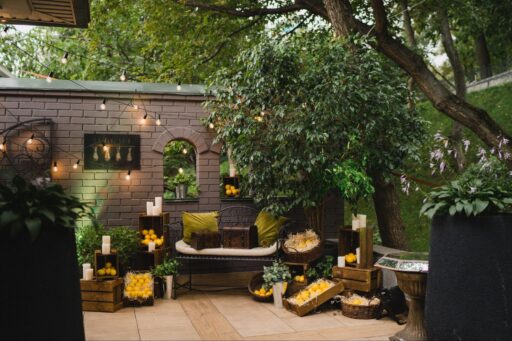
Credit: enthrallinggumption.com
Personalizing The Space
Personalizing the space in your garden is a delightful process that transforms it from a mere outdoor area to a true extension of your home. It’s about infusing your personality into every corner, making it a place where you feel truly comfortable and inspired. A well-designed garden doesn’t just look beautiful; it resonates with who you are, reflecting your tastes, interests, and passions.
Reflecting Personal Style
Your garden should be a mirror of your personal style, showcasing what you love and how you live. Think about what colors, plants, and designs speak to you. Are you drawn to the clean lines and minimalism of a modern garden, or do you prefer the lush, layered look of a cottage garden?
Consider how your indoor style can be translated outdoors. If your home is filled with vintage finds, let that aesthetic flow into your garden with antique planters or rustic benches. Perhaps you have a knack for bold colors; use vibrant flowers and painted pots to make a statement. Your garden is the canvas for your creativity, so let it reflect your unique flair.
Integrating Art And Decor
Art and decor can transform your garden into a living masterpiece. Adding sculptures, ornaments, or even water features can create focal points and add personality. Choose pieces that resonate with you—maybe a whimsical statue or a sleek modern sculpture. These elements can offer visual interest and spark conversations.
Consider how art can interact with nature. A sun-catcher can play with light, creating dazzling reflections. Or, a wind chime can add soothing sounds to your garden’s ambiance. Be mindful of how decor complements the natural beauty of your plants and landscape.
Think outside the box. Perhaps you have a collection of items that hold sentimental value. Incorporating them into your garden can make the space even more personal. Ask yourself, how can the objects you love enhance your garden’s atmosphere?
Frequently Asked Questions
What Makes A Garden Well Designed?
A well-designed garden balances aesthetics and functionality. It includes diverse plantings, clear pathways, and focal points. Effective use of color and texture adds interest. Sustainability practices, such as native plants, contribute to its success. A garden should reflect personal style while ensuring year-round appeal.
How Do I Plan A Garden Layout?
Start by assessing your space, sunlight, and soil type. Sketch a rough layout, considering plant heights and bloom times. Include areas for relaxation, paths, and focal points. Prioritize ease of maintenance. Test your design by visualizing plant placements before planting.
Which Plants Are Best For Garden Design?
Choose plants based on climate, soil, and sunlight. Native plants are sustainable and low-maintenance. Mix perennials for year-round interest, and annuals for seasonal color. Include a variety of textures and heights. Consider trees or shrubs for structure and privacy.
How Important Is Garden Maintenance?
Regular maintenance keeps your garden healthy and attractive. Tasks include watering, weeding, pruning, and fertilizing. Maintenance prevents pests and diseases. It ensures plants grow well and bloom beautifully. A well-maintained garden enhances property value and personal enjoyment.
Conclusion
A well-designed garden offers beauty and peace. It balances color, texture, and form. Paths guide you through its charm. Flowers and greenery add life and vibrance. Every plant has a purpose and place. Seating invites you to rest and reflect.
Lighting enhances the garden’s night allure. Water features bring soothing sounds. It feels like a natural extension of home. Creating this space takes thought and care. Enjoy the process and watch it grow. Your garden becomes a personal retreat. A sanctuary for moments of joy and calm.