Imagine stepping outside and being greeted by a serene oasis that instantly calms your senses and lifts your mood. A well-designed garden has the power to do just that.
It’s not just about planting pretty flowers or having a neat lawn; it’s about creating a harmonious space that speaks to your soul. You might wonder what elements turn an ordinary garden into a captivating retreat. Is it the choice of plants, the layout, or perhaps the clever use of colors and textures?
This article reveals the secrets behind creating a garden that not only looks beautiful but also feels like a personal sanctuary. As you read on, you’ll discover how simple design choices can transform your outdoor space into a haven where you can unwind and reconnect with nature. Whether you’re an experienced gardener or a complete novice, you’ll find valuable insights that will inspire you to craft the garden of your dreams. Dive in, and let’s explore what truly makes a garden well-designed.
Planning And Layout
Creating a well-designed garden begins with thoughtful planning and layout. This stage sets the foundation for a beautiful and functional outdoor space. Every element must be carefully considered to ensure harmony and balance. Let’s explore some key aspects that contribute to an effective garden design.
Assessing Space And Needs
Understanding your garden’s size is vital. Take note of every corner. Measure all dimensions accurately. Consider your needs too. Do you want a vegetable patch? Or a place to relax? Knowing these will guide your choices.
Creating A Focal Point
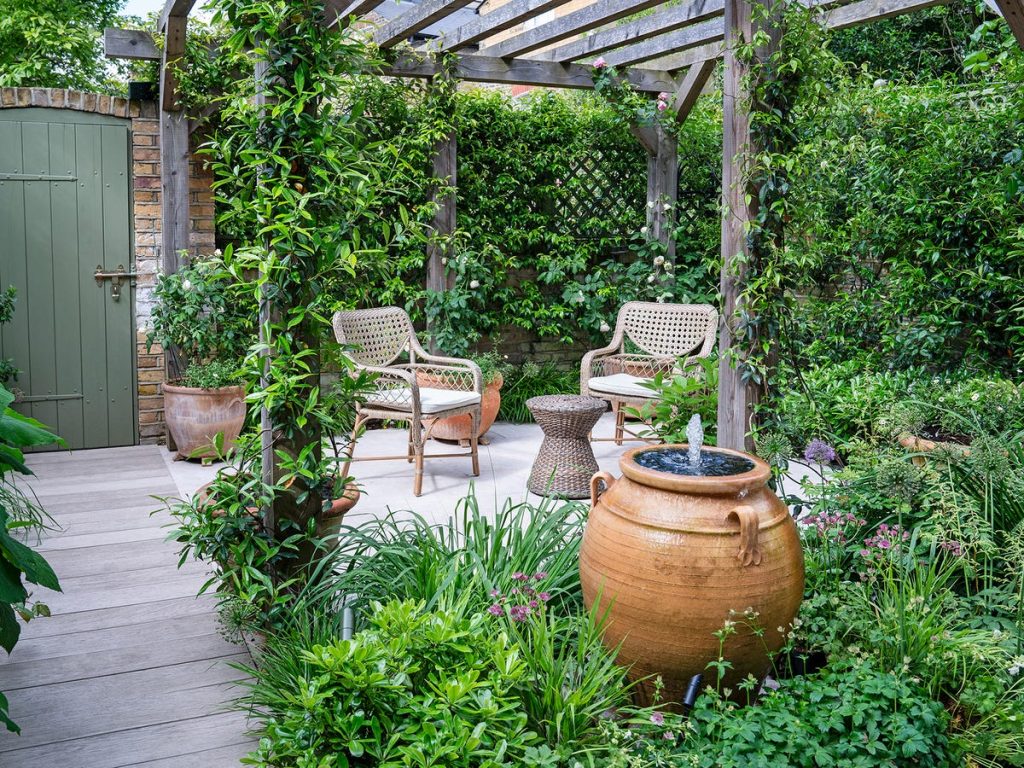
A focal point draws the eye. It gives your garden a unique identity. Choose a sculpture or a tree. Even a water feature can work. The focal point should be visible. It should enhance the garden’s theme.
Balancing Proportions
Balance is key to a harmonious garden. Large plants should not overpower small ones. Use paths to guide the eye naturally. Each area should feel integrated. This creates a sense of unity.

Credit: www.countryliving.com
Plant Selection
Choosing the right plants is key to a well-designed garden. Consider climate, soil, and sunlight for thriving plants. Variety in colors and textures adds visual interest and harmony.
Plant selection is a key part of garden design. The right plants create harmony and beauty. They enhance the garden’s function and appeal. Selecting the right plants involves understanding several factors. These include climate, soil, and aesthetics. Let’s explore the essential aspects of plant selection.Choosing The Right Plants
Select plants that suit your garden’s environment. Consider sunlight, soil type, and moisture levels. Choose plants that thrive in these conditions. This ensures a healthy, vibrant garden. Research plant needs and compatibility. Look for native species that adapt well. They often require less maintenance and resources.Understanding Plant Zones
Plant zones guide your selection process. They categorize regions by climate and temperature. Know your zone to choose suitable plants. This prevents planting species that won’t survive. Use online resources to find your zone. Match plants to your local climate for optimal growth.Incorporating Seasonal Varieties
Seasonal varieties add dynamic beauty. They ensure your garden looks appealing year-round. Choose plants that bloom in different seasons. This provides continuous color and interest. Include a mix of annuals and perennials. Annuals bloom once, adding vibrant color. Perennials return each year with lasting beauty.Use Of Color And Texture
A well-designed garden is a masterpiece of color and texture. These elements breathe life into your garden, transforming it from a simple outdoor space into a vibrant oasis. With the right combination, you can create a stunning visual experience that captivates anyone who steps into your garden.
Harmonizing Colors
Imagine walking through a garden where colors flow seamlessly from one plant to another. Harmonizing colors is about choosing hues that complement each other, creating a soothing and unified look. Consider selecting flowers in shades of pink, purple, and white to create a gentle and calming effect. You might have noticed how a garden with a consistent color scheme can feel more inviting and cohesive. What colors resonate with you and how can they harmonize in your garden?
Adding Visual Interest With Texture
Texture adds depth and dimension to your garden, making it visually intriguing. Mix different types of plants to achieve varied textures, such as pairing smooth-leaved plants with those that have spiky or feathery foliage. Think about the tactile experience when you brush past grasses or run your fingers over rough bark. Experimenting with texture can transform a flat garden into a dynamic landscape. What textures can you introduce to elevate your garden’s appeal?
Creating Contrast
Contrast is key to making individual plants stand out and drawing attention to specific areas of your garden. You can create contrast by juxtaposing light and dark colors, or pairing soft textures with rough ones. Consider planting dark-leaved shrubs next to bright flowers or mixing tall, spiky plants with low, bushy ones. A well-placed contrast can turn a simple corner into the focal point of your garden. How can contrast bring out the hidden beauty in your garden layout?

Credit: www.instagram.com
Sustainable Practices
A well-designed garden embraces sustainable practices through native plants, efficient irrigation, and composting. These elements foster biodiversity and reduce environmental impact. Thoughtful planning ensures harmony between aesthetics and functionality, creating a thriving ecosystem.
Sustainable practices in garden design not only benefit the environment but also enhance the beauty and functionality of your outdoor space. By adopting methods that conserve resources and support local ecosystems, you create a garden that thrives while reducing its ecological footprint. Let’s explore some key sustainable practices that can transform your garden into an eco-friendly haven.Water-efficient Solutions
Implementing water-efficient solutions can drastically cut down on your garden’s water usage. Consider installing a drip irrigation system, which delivers water directly to the plant roots, minimizing waste. Collecting rainwater using barrels is another effective way to supply your garden with natural hydration. Mulching your garden beds helps retain soil moisture and reduces the need for frequent watering.Using Native Plants
Native plants are well-adapted to your local climate and soil conditions, making them a sustainable choice for your garden. They require less water, fertilizers, and pesticides, which means less maintenance for you. Planting species that naturally occur in your area also supports local wildlife, providing habitats and food sources. Think about the beauty and diversity these plants can bring to your garden.Organic Gardening Techniques
Embrace organic gardening techniques to maintain a healthy garden ecosystem. Start by using natural fertilizers like compost or manure to enrich your soil. Avoid chemical pesticides by opting for natural pest control methods such as introducing beneficial insects or using neem oil. Growing companion plants can also help deter pests and improve plant health. What steps can you take today to make your garden more sustainable?Incorporating Hardscape Elements
Incorporating hardscape elements like stone pathways and retaining walls brings structure and texture to a garden. These features complement natural elements, creating a balanced and visually appealing outdoor space.
Incorporating hardscape elements transforms a garden from simple to spectacular. These elements define spaces and add structure. They provide visual contrast and practical function. A well-designed garden incorporates hardscape with natural elements seamlessly. This blend creates a balanced and harmonious outdoor space.Pathways And Walkways
Pathways guide visitors through your garden. They invite exploration and enjoyment. Choose materials like stone, gravel, or brick. Each offers a unique aesthetic and texture. A winding path creates mystery and intrigue. Straight paths offer a formal, clean look.Garden Structures
Garden structures add height and dimension. Arbors, pergolas, and gazebos provide focal points. They create shaded retreats and cozy nooks. Use them to support climbing plants. Structures can also define separate garden areas.Water Features
Water features bring tranquility and movement. Ponds, fountains, and streams add soothing sounds. Water attracts wildlife, like birds and butterflies. Choose a size that complements your garden space. Even small features can have a big impact.Lighting And Ambiance
Lighting plays a crucial role in transforming a garden into a magical evening retreat. It not only illuminates the space but also sets the mood, highlighting the best features of your garden. A well-thought-out lighting plan can enhance both the beauty and functionality of your outdoor area, inviting you to enjoy it long after the sun has set.
Highlighting Key Features
Strategic lighting can turn your garden into a work of art. Consider using spotlights to showcase your favorite trees or water features. This draws attention to their unique textures and forms, creating a focal point in the night.
Imagine a soft glow accentuating a stone pathway or a gentle wash of light highlighting a cascading waterfall. These elements, when lit, capture the imagination and invite exploration. Which feature of your garden do you want visitors to notice first?
Creating Mood With Lighting
The right lighting can transform the ambiance of your garden, making it feel inviting and serene. Think about using warm, soft lights for a cozy atmosphere, ideal for intimate gatherings or quiet reflection. Alternatively, vibrant colored lights can energize the space for lively parties.
Consider the effect of string lights draped over a pergola or lanterns lining a garden path. These touches add charm and whimsy, making your garden feel like a storybook setting. How do you want your garden to feel when the night falls?
Safety And Functionality
While beauty is essential, safety and functionality should never be overlooked. Proper lighting ensures that pathways, steps, and other potential hazards are visible, preventing accidents after dark. Solar-powered lights can be an eco-friendly option that charges during the day and lights up your garden at night.
Practical lighting solutions, like motion-sensor lights, can provide added security by deterring unwanted visitors. At the same time, they offer convenience, lighting your path as you move about. What practical lighting solutions could enhance your garden’s usability?
Maintenance And Care
Regular upkeep is essential for a well-designed garden. Pruning plants, mowing lawns, and removing weeds help maintain its charm. Proper care ensures plants stay healthy and vibrant, enhancing the garden’s beauty year-round.
Maintaining and caring for your garden is essential to keep it thriving and beautiful. A well-designed garden requires attention and effort to ensure it remains a stunning sanctuary. Regular maintenance not only enhances the aesthetic appeal but also promotes the health and longevity of your plants.Regular Pruning And Trimming
Regular pruning and trimming are vital to keeping your garden in top shape. By removing dead or overgrown branches, you encourage new growth and maintain the desired shape of your plants. Imagine walking through your garden and seeing every plant looking its best—it’s truly rewarding. Consistent trimming can also prevent diseases from spreading, as it removes infected parts before they cause harm.Soil Health And Fertilization
Healthy soil is the foundation of a flourishing garden. Testing your soil can reveal nutrient deficiencies, guiding you on the right type of fertilizer to use. Consider using organic fertilizers to boost soil health without harmful chemicals. Adding compost can also significantly improve soil structure and fertility. A well-nourished garden is not only more vibrant but also more resilient to adverse conditions.Pest And Disease Management
Effective pest and disease management is crucial for a healthy garden. Begin by identifying common pests and diseases that affect your plants. Armed with this knowledge, you can choose the best natural or chemical solutions to protect your garden. Regularly inspecting your plants can catch issues early, saving you time and effort in the long run. Have you ever noticed how a small problem can quickly escalate if left unchecked? Proactive management is key. Implementing companion planting can also deter pests and attract beneficial insects, adding another layer of defense. Embrace the journey of maintaining your garden, and you’ll enjoy a space that’s not only beautiful but also thriving and full of life.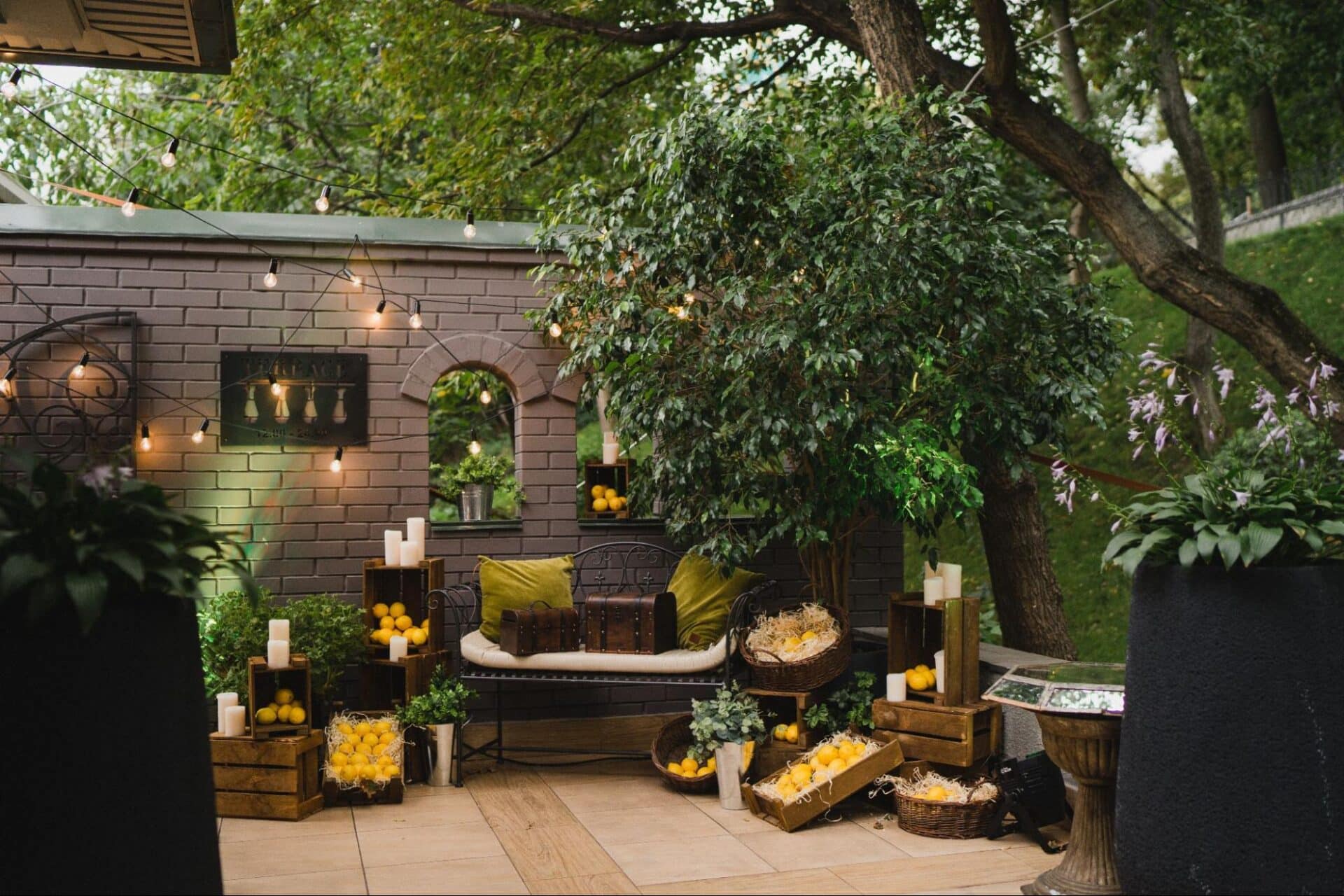
Credit: enthrallinggumption.com
Personal Touches
Personal touches make gardens unique and inviting. Adding favorite plants or a cozy seating area adds personality. These elements reflect the gardener’s style, creating a space that’s both beautiful and meaningful.
Personal touches transform a garden into a personal retreat. They reflect your personality and preferences. Adding unique elements can make a garden stand out. These touches create a sense of belonging and comfort. Let’s explore how you can add personal flair to your garden.Incorporating Personal Style
Your garden should mirror your personal style. Start by choosing plants that resonate with you. Do you love vibrant colors? Opt for bold flowers. Prefer a calm atmosphere? Go for greenery and soft hues. Your choice of plants can express your unique taste. Consider the garden layout. Curved paths can create a natural look. Straight lines offer a formal appearance. Let your personality guide your design choices.Using Art And Decor
Art can transform any space. Add sculptures or garden statues for visual interest. These pieces can reflect cultural interests or personal stories. Decorative items like birdhouses or wind chimes add charm. They also bring movement and sound to the garden. Choose items that speak to you. Make them focal points in your space.Creating Spaces For Relaxation
Relaxation spaces are essential in a garden. They provide a place to unwind. Consider adding a hammock or a cozy bench. These spots encourage rest and reflection. Shade is important for comfort. Use umbrellas or pergolas to create cool areas. Add cushions and throws for extra coziness. Lighting also enhances relaxation. Soft lights can create a peaceful atmosphere. String lights or lanterns add warmth and make evenings magical.Frequently Asked Questions
What Are Key Elements Of Garden Design?
A well-designed garden includes balance, harmony, and proportion. These elements create a visually pleasing space. Use a mix of plant types and colors. Consider paths, seating areas, and water features. They enhance functionality and beauty. Proper lighting highlights features and ensures usability.
A cohesive plan ties all elements together.
How Do Plants Affect Garden Design?
Plants shape a garden’s aesthetics and functionality. Choose a variety for texture and color. Consider growth habits and maintenance needs. Native plants thrive with less care. Seasonal blooms provide year-round interest. Trees and shrubs add structure and privacy. Their careful selection enhances the garden’s design and sustainability.
Why Is Garden Layout Important?
Garden layout impacts accessibility and flow. A thoughtful design considers pathways, seating, and focal points. Ensure easy navigation and use of spaces. Balance open and planted areas for visual appeal. Proper layout facilitates maintenance. It guides plant placement, maximizing sunlight and moisture.
This enhances the garden’s health and beauty.
How Does Lighting Improve Garden Design?
Lighting enhances a garden’s functionality and ambiance. It highlights features and extends usability into evening hours. Use solar or LED lights for energy efficiency. Pathway lights improve safety. Spotlights and uplights create dramatic effects. Choose lighting that complements the garden’s style.
Proper illumination transforms the garden into a magical space.
Conclusion
A well-designed garden offers peace and beauty. It balances colors and textures. Different plants create interest and variety. Paths guide visitors gently through the space. Seating areas invite relaxation and reflection. Water features add soothing sounds to the environment. Each element contributes to a harmonious whole.
This garden becomes a personal retreat. A place to enjoy nature and find calm. Thoughtful design ensures the garden is welcoming and vibrant. It’s a space to cherish and nurture. Every garden tells a unique story. Your garden can be a joyful expression of creativity and love.







