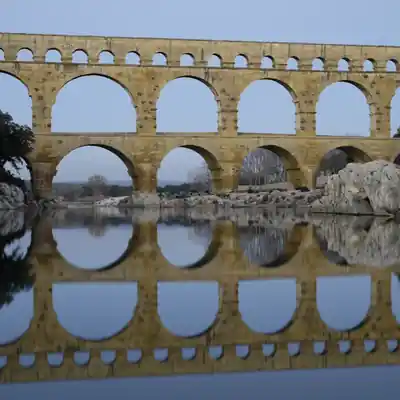
Imagine standing before a towering masterpiece of engineering, one that whispers stories of a time long past. The Pont du Gard in France is such a marvel, a testament to the ingenuity of an ancient empire.
But which civilization was brilliant enough to design this iconic aqueduct? This question piques your curiosity, doesn’t it? You’re about to delve into a world where history and innovation intersect. As you explore the secrets behind the Pont du Gard, you’ll uncover the remarkable skills and vision of the empire that brought this structure to life.
Your understanding of ancient architecture will deepen, and you’ll gain a new appreciation for the artistry and engineering of those who came before us. Keep reading to discover which ancient empire left its indelible mark on history with this incredible creation.
Credit: lovetovisitfrance.substack.com
The Architectural Marvel Of Pont Du Gard
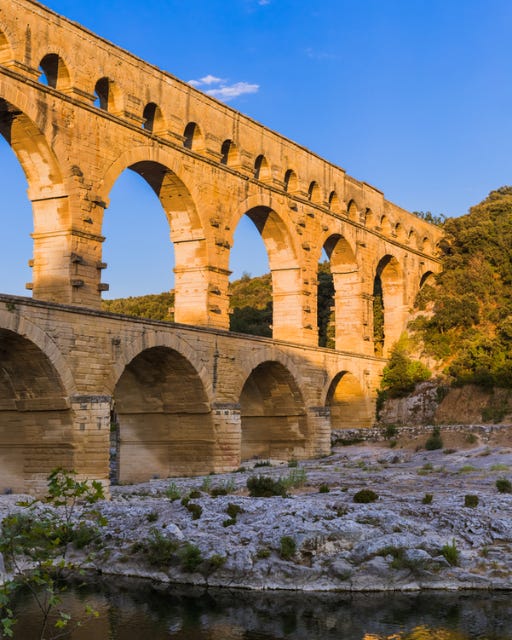
The Pont Du Gard stands as a testament to ancient engineering brilliance. Crafted by the Roman Empire, this aqueduct bridges history and innovation. With its stunning arches, it captivates and inspires. Its design showcases the Romans’ mastery over materials and space. Visitors today marvel at its size and symmetry. It serves as a reminder of the empire’s architectural prowess.
Structural Significance
The Pont Du Gard’s structure is both functional and beautiful. Its three tiers of arches supported water transport across the Gardon River. The Romans meticulously calculated its dimensions and weight distribution. This precision ensured the aqueduct’s stability over centuries. The choice of limestone added durability and aesthetic appeal. It reflects the Romans’ deep understanding of materials and their properties.
Engineering Feats
Building the Pont Du Gard was a feat of engineering. The Romans had limited tools but achieved remarkable results. They used cranes and scaffolds to place massive stones. The aqueduct’s gradient was carefully controlled for water flow. This required expert knowledge in hydrology and physics. The Romans demonstrated skill in managing resources and labor. Their methods set a foundation for future engineering endeavors.
The Roman Empire’s Influence
The Roman Empire left a lasting mark on the world. Their engineering feats were nothing short of remarkable. One such marvel is the Pont du Gard in France. This ancient aqueduct showcases Roman ingenuity and influence.
Expansion Across Europe
The Romans expanded their empire across Europe. They built roads, bridges, and aqueducts to connect their vast territories. This expansion allowed them to spread their culture and technology. The Pont du Gard is a testament to their reach. Its construction required advanced engineering skills. These skills were shared across the empire.
Cultural And Technological Advancements
The Romans were pioneers in many fields. They developed new building techniques and materials. Concrete and arches were among their notable innovations. These advancements made structures like the Pont du Gard possible. The aqueduct was not just a functional structure. It was also a work of art.
Roman architecture influenced future generations. Their designs inspired many during the Renaissance and beyond. The Pont du Gard stands as a symbol of Roman brilliance. It highlights their contributions to engineering and culture.
Purpose And Functionality Of Pont Du Gard
The Pont du Gard is a marvel of ancient engineering. Built by the Roman Empire, this iconic structure served a crucial purpose. It was not just a bridge but a vital part of the Roman water supply system. Let’s explore its functionality and significance.
Water Supply Systems
The Romans were pioneers in water management. They needed efficient systems to bring water to cities. The Pont du Gard was part of this innovative approach. It transported water from a spring to the city of Nîmes. This provided clean water for drinking, bathing, and irrigation. The system ensured a steady water flow, crucial for daily life and agriculture.
Aqueducts In Roman Times
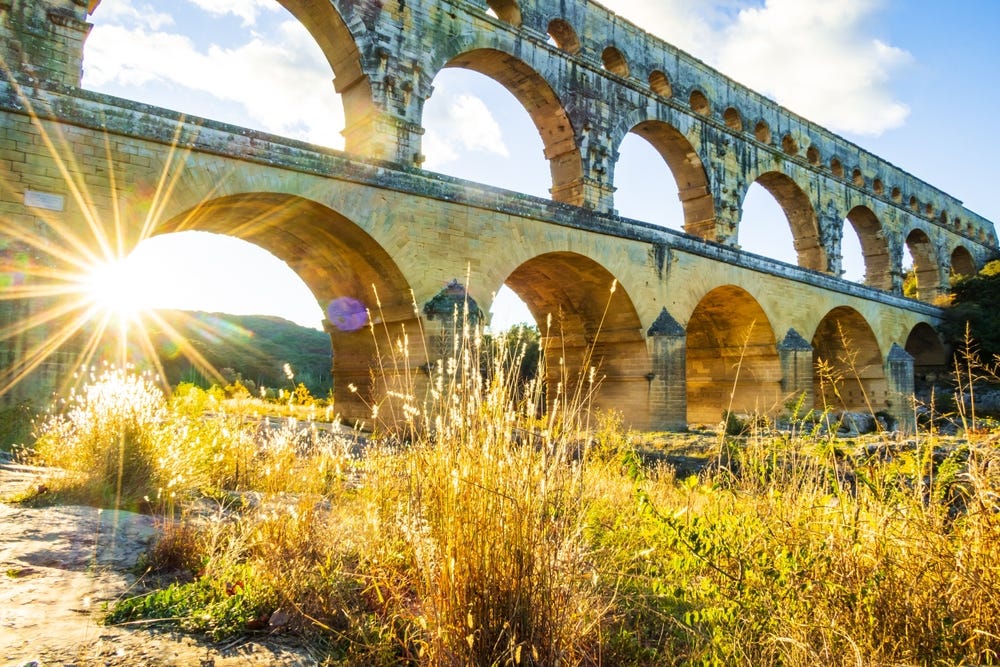
Aqueducts were essential in ancient Rome. They were designed to carry water over long distances. The Pont du Gard is one of the most impressive examples. It spans the Gardon River, showcasing Roman architectural skill. The aqueduct’s arches and construction techniques are remarkable. It highlights the Romans’ ability to solve engineering challenges. The Pont du Gard remains a testament to their ingenuity and foresight.
Credit: lovetovisitfrance.substack.com
Construction Techniques Of The Romans
The ancient Roman Empire designed the Pont du Gard using advanced construction techniques. Their expertise in engineering and architecture resulted in this majestic aqueduct, showcasing their ability to build enduring structures.
The Pont du Gard stands as a testament to the ingenious construction techniques of the Romans. This ancient aqueduct, part of the larger Nîmes aqueduct, showcases the remarkable engineering prowess that supported one of the most advanced civilizations of its time. As you admire its grandeur, have you ever wondered about the techniques that made such a structure possible?Materials Used
The Romans were masters in selecting and utilizing materials that would stand the test of time. They predominantly used local limestone, which was abundant and ideal for construction. This stone was not only durable but also contributed to the aesthetic appeal of the aqueduct. In addition to limestone, Roman builders also employed a form of concrete, known as opus caementicium. This material, made from lime mortar and volcanic ash, was revolutionary. It allowed them to create structures that were both strong and flexible.Labor And Craftsmanship
The construction of the Pont du Gard required the efforts of thousands of skilled laborers. These included engineers, stonemasons, and unskilled workers who all played vital roles. The Romans had a hierarchical system that ensured efficiency and precision. Craftsmanship was of utmost importance. Each stone was meticulously cut and placed, ensuring the aqueduct’s stability and function. The dedication to detail is evident in the precise alignment and smooth transitions of the arches. You might wonder how such organization was possible without modern tools. The Romans used simple yet effective tools like pulleys, cranes, and levers. These innovations highlight their ability to maximize the resources at their disposal. As you reflect on these techniques, consider the impact of innovation and skill in your own endeavors. What lessons can you draw from the ancient Roman builders in your pursuit of excellence?Historical Significance Of Pont Du Gard
The Pont Du Gard is not just a marvel of ancient engineering; it’s a testament to the ingenuity and ambition of the Roman Empire. Built in the 1st century AD, this aqueduct bridge stands as a symbol of the Roman ability to dominate both the natural and man-made world. Its historical significance extends beyond its architectural brilliance to its impact on society and engineering.
Impact On Local Populations
Imagine living in a time when clean water wasn’t just a turn of the tap away. For the local populations of ancient Nîmes, the Pont Du Gard was a game changer. It brought fresh water from distant springs right into the city, improving public health and daily life.
This access to clean water helped reduce diseases and allowed for the flourishing of gardens and public baths. The aqueduct not only improved living conditions but also enabled urban growth and economic stability. Have you ever wondered how such grand infrastructure projects influenced social hierarchies and daily routines?
Legacy In Modern Engineering
Fast forward to today, and you’ll find that the Pont Du Gard continues to inspire engineers and architects. Its design principles are studied in universities and referenced in modern bridge construction. The use of precise stone-cutting techniques and the innovative three-tiered structure are lessons in sustainability and efficiency.
Modern engineering often mirrors the Roman focus on durability and function. The Pont Du Gard stands as a reminder that true innovation often builds upon the wisdom of the past. Next time you cross a bridge, consider how ancient engineering feats like this one have shaped the infrastructure we rely on today.
Preservation Efforts
The Pont du Gard stands as a testament to the engineering prowess of the Roman Empire, captivating visitors with its grandeur and historical significance. However, preserving this ancient aqueduct requires continuous dedication and effort. The preservation efforts for Pont du Gard are multifaceted, combining restoration projects, tourism, and educational initiatives to ensure its legacy endures for future generations.
Restoration Projects
Preserving the integrity of the Pont du Gard involves meticulous restoration projects. These projects focus on repairing erosion damage and stabilizing the structure without compromising its historical value. A team of skilled artisans and engineers use traditional methods to ensure authenticity, often using the same materials the Romans did.
Have you ever wondered how such an ancient structure remains intact? The secret lies in consistent monitoring and innovative conservation techniques. Regular inspections detect any structural weaknesses, allowing for timely interventions. This proactive approach not only preserves the Pont du Gard but also offers valuable insights into ancient Roman construction techniques.
Tourism And Education
Tourism plays a crucial role in the preservation of Pont du Gard. Visitors contribute to its upkeep through entrance fees, which are reinvested into maintenance and educational programs. These programs aim to educate visitors about the historical significance and engineering marvels of the Roman Empire.
Imagine walking through the arches of Pont du Gard while learning about its history from expert guides. Such experiences enrich your visit and foster a deeper appreciation for cultural heritage. Educational initiatives, such as interactive exhibits and workshops, engage young minds, inspiring the next generation to value and protect historical landmarks.
Have you considered how your visit could contribute to preserving history? By supporting tourism and participating in educational activities, you become part of a global effort to maintain and cherish these ancient wonders. In doing so, you help ensure the story of Pont du Gard continues to inspire and educate for years to come.

Credit: www.ft.com
Frequently Asked Questions
Who Built The Pont Du Gard?
The Roman Empire designed and built the Pont Du Gard. This ancient aqueduct bridge is located in southern France. It was constructed in the first century AD. The Romans built it to carry water over the Gardon River. It showcases Roman engineering prowess.
Why Is Pont Du Gard Famous?
Pont Du Gard is famous for its architectural brilliance and historical significance. It is a UNESCO World Heritage Site. The bridge is remarkably preserved, showcasing Roman engineering skills. Its three-tiered design is visually stunning and attracts many visitors. It’s a testament to the Roman Empire’s innovative infrastructure.
How Old Is The Pont Du Gard?
The Pont Du Gard is over 2,000 years old. It was constructed in the first century AD, around 40-60 AD. This ancient Roman aqueduct has withstood the test of time. Its preservation allows us to admire Roman engineering and architectural excellence today.
It remains a popular historical site.
How Did Romans Use Pont Du Gard?
Romans used Pont Du Gard to transport water across the Gardon River. It was part of a 50-kilometer aqueduct system. The aqueduct supplied water to the Roman colony of Nemausus (modern-day Nîmes). This water supported the public baths, fountains, and homes of the city, showcasing Roman engineering.
Conclusion
The Pont du Gard stands as a testament to Roman engineering. Its construction showcases the incredible skills of the Roman Empire. This ancient aqueduct still amazes visitors from around the world. Built with precision and vision, it served vital purposes.
Water flowed efficiently to cities, improving life centuries ago. Today, it remains a symbol of Roman ingenuity. Exploring its history provides insight into ancient times. A visit offers a glimpse into the brilliance of the past. Marvel at the craftsmanship and legacy of the Romans.
This wonder of the ancient world continues to inspire and educate us all.