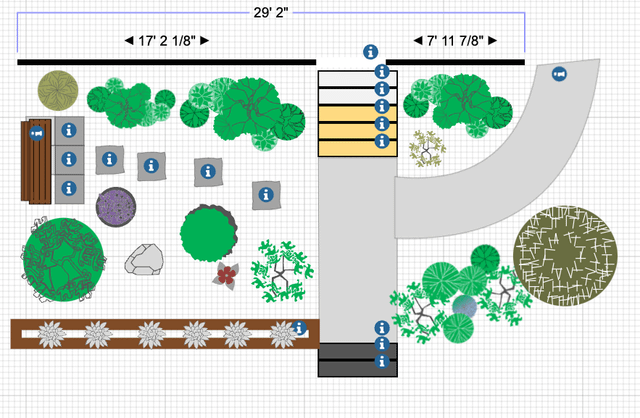
Imagine stepping into your garden and feeling a sense of harmony and balance. The secret to creating such a haven lies in understanding how to do dimensions for garden design.
Whether you’re dreaming of a cozy corner for morning coffee or a vibrant space for weekend gatherings, getting the dimensions right can make all the difference. You might be wondering how to start or if you even need to be precise.
The truth is, by learning to measure and plan accurately, you can transform any outdoor space into your personal paradise. This guide will walk you through simple yet powerful techniques to get your garden’s dimensions just right, ensuring your efforts lead to the stunning and functional garden you’ve always wanted. Ready to unlock the potential of your garden? Let’s dive in!

Credit: www.instagram.com
Planning The Space
Measuring dimensions is essential for garden design. Begin with assessing the available space accurately. Sketch your garden layout on graph paper, using scale measurements to visualize plant placement and pathways.
Planning the space for your garden design is a crucial step that lays the foundation for a beautiful and functional outdoor area. Whether you’re dreaming of a tranquil retreat or a vibrant hub for family gatherings, defining the dimensions of your garden is essential. It’s about more than just measuring; it’s about envisioning how you want to interact with the space and what purpose it will serve in your daily life.Assessing Available Area
Start by assessing the available area you have for your garden. Take precise measurements of your space using a tape measure or a measuring wheel. Note the length and width, and don’t forget to consider any existing structures like sheds or fences. Mapping out your space on graph paper can help you visualize the dimensions. This step will help you see any constraints or possibilities clearly. A friend once discovered a hidden nook in their yard perfect for a small herb garden by doing this. Consider the sunlight patterns and wind directions in your garden. These elements can significantly influence plant growth and comfort levels in seating areas. Ask yourself, where does the sun hit hardest at noon? This can guide you in planning shaded spots or sunny flower beds.Functional Zones
Think about dividing your garden into functional zones. This could include areas for dining, play, growing plants, or just relaxing. Designating zones helps in making the most out of your space. Create a list of activities you envision in your garden. Do you want a cozy reading nook or a space for barbecues? This clarity will aid in deciding the size and location of each zone. Use markers or string to outline these zones in your garden. This physical representation can help you better understand the flow and feel of the space. A surprising insight might be finding that a corner initially planned for plants works better as a seating area due to its peaceful vibe. Remember, your garden should reflect your lifestyle and preferences. How do you imagine spending your time there? By answering this, you ensure each functional zone enhances your garden experience.Scale And Proportion
Understanding scale and proportion is vital in garden design. Balance plant sizes and features to create harmony. Choose elements that complement each other for a cohesive look.
Designing a garden isn’t just about planting your favorite flowers and shrubs. It’s about creating a space that feels right, both to the eye and the soul. The key to achieving this is understanding scale and proportion. These two principles ensure that every element in your garden—whether it’s a towering tree or a tiny herb—is in harmony with the rest.Balancing Elements
When you think about balance, consider how different garden elements relate to each other in size. A garden where everything is the same size can feel monotonous. Imagine a garden where a small birdbath is overshadowed by towering shrubs. Instead, balance taller plants with shorter ones, creating a rhythm that feels natural. Balance is not just about height. Think about color and texture too. A garden with varied textures and colors can balance visual interest, making it more engaging.Creating Visual Harmony
Visual harmony in a garden is like a well-composed piece of music. Every note, or in this case, every plant, must complement the others. Consider how different elements relate to their surroundings. A large tree might look out of place in a small courtyard but perfect in a spacious backyard. Use repetition to create harmony. Repeating certain plants or colors throughout your garden can tie the space together, making it feel cohesive. Have you ever been in a garden that just felt “right”? That’s visual harmony at work. It’s about ensuring that each part of your garden speaks to the other, creating a unified whole.Choosing Plants
Accurate dimensions are key to effective garden design. Measure the space to determine plant size and spacing. Consider sunlight and water needs to ensure healthy growth.
Choosing the right plants is vital for a successful garden design. Plant selection impacts aesthetics and garden health. Consider plant dimensions, growth patterns, and maintenance needs. A well-chosen plant adds beauty and balance to the garden.Size Considerations
Select plants that fit your garden space. Assess mature plant size before planting. Large plants need ample space for root growth and canopy spread. Small gardens benefit from compact plants. Overcrowding leads to poor growth and disease.Growth Patterns
Understand plant growth habits before planting. Some plants grow vertically, while others spread horizontally. Vertical growers maximize limited space. Horizontal growers create lush ground cover. Plant growth patterns affect light and air circulation. Choose plants that suit your garden’s layout.Pathways And Patios
Pathways and patios are key elements in garden design. They guide visitors and define spaces. These features enhance the beauty and functionality of your garden. Proper dimensions are crucial for comfortable use and aesthetic appeal.
Defining Walkways
Walkways lead people through the garden. They should be wide enough for two people. A minimum width of 3 feet is recommended. Materials like stone, gravel, or wood can be used. Ensure the surface is level and smooth. Curved paths add interest and blend with natural landscapes.
Patio Dimensions
Patios serve as gathering spaces. They should accommodate furniture and movement. A common size is 12×12 feet for small patios. Larger patios can be 16×16 feet or more. Consider the number of people using it regularly. Choose materials that complement the garden design.
Water Features
Water features can transform any garden into a serene oasis. They add movement and sound, creating a peaceful atmosphere. Whether it’s a small birdbath or a large pond, water features enhance the visual appeal. They can also serve as a focal point in your garden design. Below are some key considerations for integrating water features.
Placement Guidelines
Selecting the right spot for your water feature is crucial. Consider areas that are visible from multiple angles. This maximizes the enjoyment of the water feature. Ensure it blends well with other garden elements. Choose a location that receives sunlight. This helps maintain water quality and supports aquatic plants.
Accessibility for maintenance is important too. You will need to clean and occasionally repair the feature. Avoid placing it under trees. Falling leaves can clog filters and pumps. Think about safety, especially if children or pets are present.
Size And Impact
The size of your water feature should match your garden space. A large pond in a small garden may feel overwhelming. Likewise, a tiny fountain might get lost in a sprawling yard. Consider the overall impact you wish to create. Larger features tend to be more dramatic.
Smaller features can provide subtle charm. Balance is key. Ensure the water feature complements your garden’s style. Whether modern, rustic, or traditional, the design should fit harmoniously. Consider the sound. A trickling stream offers a gentle ambiance. A waterfall provides a more pronounced effect.

Credit: www.instagram.com
Furniture And Decor
Determine garden space by measuring length and width. Use these dimensions to plan furniture and decor placement effectively. Ensure pathways and seating areas are well-proportioned for comfort and accessibility.
Furniture and decor play a vital role in garden design. Choosing the right pieces can transform an outdoor space. They add comfort and style. But how do you ensure they fit well? Consider the dimensions carefully.Selecting Scaled Pieces
Choose furniture that matches the garden size. Large pieces overwhelm small spaces. Compact furniture works best in smaller gardens. Measure your garden to find the right fit. Scaled pieces maintain balance and harmony. Choose materials that suit the garden theme. Wood offers a natural look. Metal adds a modern touch.Arranging For Comfort
Comfort is key in garden design. Arrange furniture for easy movement. Allow enough space between pieces. This ensures people can walk freely. Create cozy seating areas. Use pillows and cushions for added comfort. Consider the view from each seat. Ensure all areas are accessible. Avoid clutter for a spacious feel. Place decor items strategically. They should enhance, not overpower.Lighting Design
Understanding garden dimensions enhances lighting design. Consider pathways, focal points, and plant heights. Properly planned dimensions ensure balanced illumination, creating a serene outdoor ambiance.
Lighting Design is crucial in garden design, as it transforms your outdoor space from ordinary to extraordinary. The right lighting not only enhances the beauty of your garden but also extends its usability into the evening hours. It sets the mood, highlights key features, and ensures safety.Illumination Levels
Understanding illumination levels is key to creating the perfect garden ambiance. Aim for a balance; too much light can overpower the natural beauty, while too little can leave areas dark and uninviting. Consider using low-voltage lighting options to create a warm and inviting glow. These lights are energy-efficient and ideal for pathways and garden beds. Experiment with different fixtures to find what suits your garden best.Highlighting Features
Highlighting features like trees, sculptures, or water elements can add drama and interest to your garden. Spotlights work great for tall trees, casting intriguing shadows and adding depth. Try using underwater lights for water features. They create a magical effect, making your garden feel like a serene retreat. Think about what features are most important to you. What do you want to showcase when guests visit? Carefully placed lights can make these elements stand out beautifully. Use lighting to guide the eye and create a focal point. This can transform your garden into a space that feels like an extension of your home.Maintaining Proportions
Balancing proportions in garden design involves careful planning of dimensions. Measure plant sizes, pathways, and furniture to ensure harmony. Consider visual balance to create an inviting outdoor space.
Maintaining proportions in garden design is crucial for creating a harmonious and aesthetically pleasing outdoor space. When everything is in balance, your garden feels more like a cohesive unit rather than a collection of disparate elements. It’s about ensuring that plants, pathways, and other garden features relate well to one another in terms of size and scale. By focusing on maintaining proportions, you can craft a garden that feels both inviting and organized.Regular Adjustments
Garden design is not a one-time task; it’s a continuous process. As plants grow and seasons change, adjustments are necessary to maintain the balance of your garden’s design. Regularly assess the dimensions of your garden features and make changes as needed to keep proportions in check. Consider using a measuring tape or a garden planner app to track the growth of key plants. This way, you can quickly spot when something is getting too large or too small compared to the rest of your garden. Routine trimming and pruning can also help in maintaining the desired proportions.Growth Management
Growth management is essential to ensure your garden remains in proportion over time. Different plants have different growth rates and patterns, which can impact your garden’s overall look. Understanding these growth habits allows you to plan for future changes. Select plants with growth characteristics that suit your design goals. For instance, if you want a low-maintenance garden, choose plants that require minimal pruning. On the other hand, if you love the idea of shaping plants, opt for those that respond well to regular trimming. Ask yourself: Are your plants growing too quickly for the space allotted to them? If so, it may be time to rethink their placement or consider replacing them with more suitable options. By actively managing growth, you maintain the proportions that keep your garden looking its best. Engage with your garden regularly to ensure it evolves beautifully, aligning with your vision while maintaining its proportions.Credit: planner5d.com
Frequently Asked Questions
What Tools Do You Need For Garden Design?
To design a garden, you’ll need measuring tape, graph paper, and a scale ruler. These tools help plan dimensions accurately. Additionally, design software can assist in visualizing the layout. Ensure your tools are in good condition for precise measurements and effective planning.
How Do You Measure Garden Dimensions?
Start by measuring the length and width of the garden area. Use a measuring tape for accuracy. Record dimensions on graph paper. Consider elevation changes and obstacles. This helps in creating a realistic garden design plan.
Why Are Dimensions Important In Garden Design?
Dimensions help in creating a balanced and functional garden. Accurate measurements ensure plants and features fit well. Proper dimensions prevent overcrowding and optimize space. This leads to a visually appealing and manageable garden environment.
How To Calculate Space For Plants?
Calculate space by measuring plant spread and height. Consider mature size for each plant. Allow adequate space for growth and air circulation. This ensures healthy plants and prevents competition for resources. Proper spacing enhances garden aesthetics and functionality.
Conclusion
Creating garden dimensions is crucial for a stunning outdoor space. Start small; plan each section with care. Choose plants that fit your design and climate. Consider paths and seating areas for comfort. Use measurements to guide your placement. Remember, balance and harmony matter.
Adjust as needed for best results. Enjoy watching your garden grow and thrive. You’ll find beauty in every corner. With these tips, your garden design will surely impress. Keep experimenting and learning as you go. Happy gardening!







