Imagine stepping into your backyard and being greeted by a serene oasis, a place where the vibrant colors of succulents and hardy plants thrive under the sun’s embrace. Designing a desert garden is not just about landscaping; it’s about creating a sanctuary that reflects the beauty and resilience of nature.
You might think it’s challenging to bring life to a dry, arid space, but with the right approach, your desert garden can become a stunning masterpiece. Are you tired of high-maintenance gardens that require constant watering and attention? A desert garden might be the perfect solution for you.
It’s sustainable, low-maintenance, and uniquely beautiful. This guide will show you how to harness the power of nature, selecting plants that not only survive but flourish in desert conditions. You’ll discover how to use textures, colors, and layouts to create a garden that’s both functional and breathtaking. So, if you’re ready to transform your outdoor space into a captivating desert landscape, keep reading. This article will equip you with all the tips and tricks to make your desert garden dream a reality.

Credit: www.youtube.com
Choosing The Right Plants
Selecting suitable plants is crucial for a thriving desert garden. Opt for drought-resistant species like succulents and cacti. These plants endure harsh conditions and require minimal water, ensuring a sustainable and beautiful landscape.
Choosing the right plants for your desert garden can transform your outdoor space. Selecting plants that thrive in arid conditions is essential. These plants are not just beautiful but also low-maintenance. Let’s explore some plant options that will make your desert garden flourish.Native Desert Plants
Native desert plants are adapted to the local climate. They require less water and care. Popular choices include the mesquite tree, palo verde, and desert marigold. These plants offer vibrant colors and textures. They also support local wildlife and pollinators. Native plants conserve water and withstand harsh sun.Drought-tolerant Species
Drought-tolerant species are perfect for dry gardens. They survive with minimal water and still look lush. Lavender, rosemary, and sage are excellent choices. These plants provide aroma and attract beneficial insects. Their resilience makes them ideal for desert climates. They reduce the need for irrigation and maintenance.Succulents And Cacti
Succulents and cacti are iconic desert plants. They store water in their leaves and stems. This makes them ideal for hot, dry conditions. Aloe vera, agave, and prickly pear are popular selections. These plants offer unique shapes and structures. They require minimal watering and resist pests. Succulents and cacti can add striking visuals to your garden.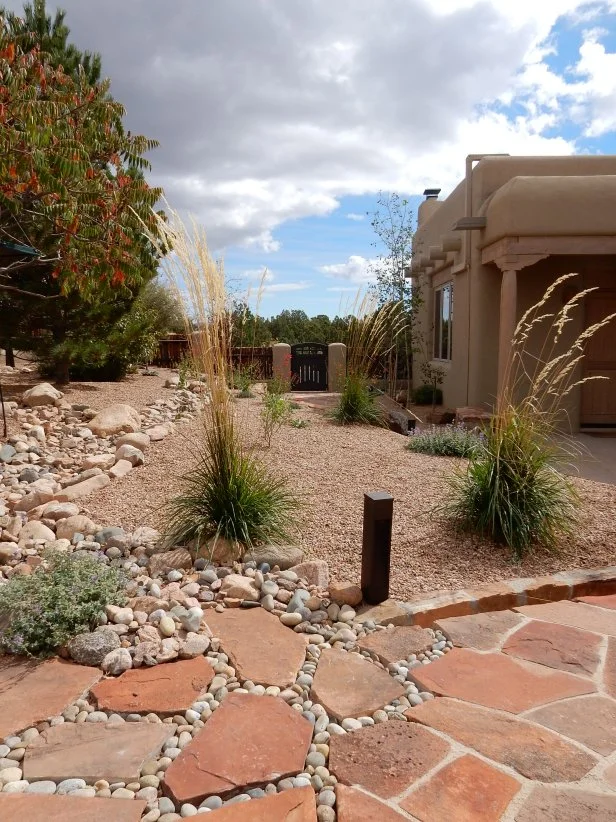
Credit: www.hgtv.com
Soil And Irrigation
Designing a desert garden involves selecting drought-resistant plants and using efficient drip irrigation systems. Soil amendments like compost help retain moisture and support plant health. Proper planning ensures beauty and sustainability in arid environments.
Creating a desert garden demands thoughtful planning, especially with soil and irrigation. These elements determine plant health and sustainability. Desert gardens require unique soil types and efficient water systems. Understanding these aspects can transform a barren space into a thriving oasis.Soil Types For Desert Gardens
Desert gardens thrive on well-draining soil. Sandy soil is ideal, allowing water to pass quickly. This prevents root rot and encourages healthy growth. Mixing organic material enhances soil fertility. Compost or peat moss works well. Gravel can improve drainage further. Test soil pH for optimal plant health. Aim for neutral to slightly acidic levels.Efficient Irrigation Systems
Water management is crucial in desert environments. Drip irrigation is efficient, delivering water directly to roots. This minimizes evaporation and conserves water. Timers automate watering schedules, ensuring consistency. Adjust settings based on seasonal needs. Soaker hoses are another option. They distribute water evenly across beds. Choose systems that suit garden layout.Water Conservation Techniques
Conserving water is vital for desert gardens. Mulching retains moisture and reduces evaporation. Organic mulch like bark or straw is effective. Consider using drought-resistant plants. They require less water and endure dry conditions. Group plants with similar needs. This simplifies watering efforts. Install rain barrels to collect and reuse rainwater. Every drop counts in desert climates.Design Principles
Crafting a desert garden involves choosing drought-tolerant plants and arranging them to capture sunlight efficiently. Use gravel and rocks for texture, while ensuring proper drainage. Consider native species to create a sustainable and low-maintenance landscape.
Designing a desert garden is an exciting journey into a world where minimalism meets nature’s raw beauty. Key design principles ensure your garden thrives aesthetically and functionally. It’s about embracing the uniqueness of the desert environment and creatively transforming it into a sustainable oasis.Color And Texture Combinations
Selecting the right color palette is crucial. Desert plants often display muted hues, with splashes of vibrant colors from succulents or flowering cacti. Consider pairing silver-gray foliage with bright yellows or deep purples to create visual interest. Texture adds another dimension. Think about the roughness of a cactus juxtaposed with the smoothness of a pebble path. This contrast can make your garden visually appealing and inviting.Creating Layers And Heights
Layering plants of different heights adds depth and intrigue to your garden. Use taller plants like agave or ocotillo as focal points. Surround them with medium-height shrubs and groundcovers for a tiered effect. When I designed my first desert garden, I noticed how the play of heights mimicked the natural desert landscape. It felt like I brought a piece of the wild outdoors into my own backyard.Incorporating Hardscapes
Hardscapes are essential in a desert garden. They provide structure and reduce maintenance. Use gravel or crushed stone paths to define spaces. Consider adding a boulder or two for an organic touch. Think about how these elements complement your plant choices. A rust-colored stone can enhance the warm tones of your garden. Hardscapes not only add beauty but also guide visitors through your desert sanctuary. Have you considered how these design principles can transform your garden space? Each decision, from color to hardscape, shapes your unique desert retreat. Embrace the challenge and watch as your garden flourishes in the heart of arid beauty.
Credit: desertlandscapinglasvegas.com
Climate Considerations
Designing a desert garden involves choosing drought-resistant plants that thrive in arid conditions. Efficient irrigation methods, like drip systems, help conserve water. Use gravel or rocks to reduce soil erosion and maintain moisture.
Designing a desert garden requires thoughtful consideration of the climate. Unlike more temperate regions, desert climates present unique challenges and opportunities. By understanding the specific climate of your location, you can create a thriving garden that embraces its arid surroundings. Let’s delve into the key climate considerations for designing a desert garden.Understanding Desert Climate
Desert climates are characterized by extreme temperatures and low rainfall. You might experience scorching hot days and surprisingly chilly nights. It’s essential to choose plants that are adapted to these conditions. Cacti and succulents are popular choices because they store water efficiently. However, not all desert plants are spiky; some have vibrant blooms that add color to your garden.Microclimate Adjustments
Creating microclimates in your garden can help manage the harshness of the desert climate. Use natural features like rocks and boulders to provide shade and wind protection for more delicate plants. You can also build berms or raised beds to improve soil drainage. Have you thought about adding a small water feature? It can enhance humidity in a localized area, benefiting moisture-loving plants.Seasonal Changes
Desert seasons can be unpredictable, with sudden temperature drops or unexpected rainfalls. Planning for these changes is crucial. Install a shade cloth during the hottest months to protect sensitive plants. Consider using mulch to retain soil moisture and regulate temperature. Keep an eye on weather forecasts, and be ready to adjust your watering schedule accordingly. Seasonal changes offer an opportunity to refresh and rejuvenate your garden design. Are you ready to embrace the dynamic nature of desert gardening?Maintenance Tips
Designing a desert garden requires choosing drought-resistant plants and arranging them for visual interest. Use gravel and stones to enhance drainage and reduce water evaporation. Regularly check for pests and maintain soil health to keep your garden thriving.
Maintaining your desert garden doesn’t have to be a daunting task. With the right strategies, you can keep your arid oasis thriving and vibrant. Here are some essential maintenance tips to ensure your garden stays in peak condition.Pruning And Trimming
Regular pruning and trimming are crucial to maintaining the health and appearance of your desert plants. Trim back dead or overgrown branches to encourage new growth and maintain the plant’s natural shape. Use sharp, clean tools to prevent the spread of disease. Consider the growth habits of each plant. Some desert plants, like agaves, require minimal trimming, while others may need regular attention. Always trim with the plant’s future growth in mind to ensure it remains healthy and aesthetically pleasing.Pest Management
Desert gardens can still attract pests, and managing them is essential for plant health. Keep an eye out for common pests like aphids and spider mites. Regularly inspect your plants and remove any pests by hand or with a gentle spray of water. Introduce beneficial insects, such as ladybugs, to help control pest populations naturally. Avoid using harsh chemicals that can harm the delicate ecosystem of your garden. Remember, a balanced garden is a healthy garden.Fertilization Strategies
Desert plants have unique fertilization needs. Over-fertilizing can harm your plants, so it’s crucial to use the right amount. Opt for a slow-release, balanced fertilizer specifically designed for desert plants. Apply fertilizer during the growing season to support plant health and vigor. Always follow the manufacturer’s instructions to avoid overfeeding. By understanding your plants’ specific needs, you ensure they receive the right nutrients at the right time. Maintaining a desert garden requires a thoughtful approach. How will you integrate these tips into your gardening routine?Sustainable Practices
Designing a desert garden involves selecting drought-resistant plants and using efficient irrigation methods. Incorporate native flora to maintain biodiversity. Mulch helps retain moisture and protect the soil from erosion.
Sustainable practices in desert gardening help preserve resources and support the environment. They ensure your garden thrives with minimal impact on the ecosystem. By adopting these methods, you can create a beautiful and eco-friendly desert garden.Eco-friendly Materials
Choose materials that are sustainable and locally sourced. Use rocks, gravel, and sand from nearby areas. These materials blend well with the natural landscape. Reclaimed wood or recycled metal can add structure and design. These items reduce waste and give a rustic charm.Native Wildlife Attraction
Plant native species to attract local wildlife. Birds, bees, and butterflies play a role in pollination. Their presence can enhance your garden’s health. Use water features to invite frogs and other small creatures. They help control pests naturally.Composting And Mulching
Create compost from kitchen scraps and yard waste. It enriches the soil with nutrients. Spread mulch around plants to retain moisture. Mulch reduces evaporation and keeps roots cool. It also prevents weed growth, saving you time and effort.Inspiring Design Ideas
Transform your outdoor space with a desert garden, using drought-tolerant plants like succulents and cacti. Incorporate gravel paths and rocks for texture and visual interest. Enhance the design with native wildflowers and minimalist decor, creating a sustainable and beautiful oasis.
Inspiring Design Ideas Creating a desert garden can transform your outdoor space. It blends natural beauty with low maintenance. Here are some inspiring ideas to guide your design process. Each style has its unique charm and functionality. Let’s explore these exciting possibilities.Zen Desert Gardens
Zen gardens inspire peace and simplicity. Use sand, rocks, and gravel to mimic nature. Cactus and succulents fit well in this setup. Arrange them mindfully to create harmony. A small water feature can add tranquility. This garden offers a peaceful retreat.Modern Desert Landscapes
Modern designs focus on clean lines and minimalism. Use geometric shapes and bold plant choices. Opt for drought-tolerant plants like agave and yucca. Incorporate metal or stone elements for contrast. Lighting can enhance the modern feel. This style suits contemporary homes.Rustic Desert Themes
Rustic gardens embrace natural textures and earthy tones. Use weathered wood and stone pathways. Native desert plants thrive here, adding color and life. Terra cotta pots and old tools can add charm. This theme connects with nature’s rugged beauty. It’s perfect for a cozy, inviting garden.Frequently Asked Questions
What Plants Thrive In Desert Gardens?
Desert gardens thrive with drought-resistant plants like succulents, cacti, and agaves. Choose native species that are adapted to arid conditions. These plants require minimal water and maintenance, making them ideal for desert landscaping. Consider adding flowering varieties for color and texture, enhancing your garden’s aesthetic appeal.
How Do I Conserve Water In A Desert Garden?
Conserve water by using drip irrigation and mulching. Drip irrigation delivers water directly to plant roots, reducing evaporation. Mulch helps retain soil moisture and suppress weeds. Group plants with similar water needs together for efficient watering. Consider using rain barrels to collect and utilize rainwater.
What Soil Is Best For Desert Plants?
Desert plants prefer well-draining, sandy soil. Amend heavy soil with sand or gravel to improve drainage. Ensure the soil has good aeration to prevent root rot. A slightly acidic to neutral pH level is ideal. Adding organic matter enhances nutrient availability and promotes healthy plant growth.
Can Desert Gardens Include Shade Areas?
Yes, incorporate shade structures like pergolas or native trees. Shade helps reduce intense sunlight and heat, protecting sensitive plants. Use shade-loving plants like ferns and grasses in these areas. Consider using reflective surfaces to redirect light and keep the garden cooler.
Conclusion
Creating a desert garden is both rewarding and sustainable. Choose plants that thrive in arid conditions. Consider cacti, succulents, and native shrubs. Use rocks and sand for a natural look. Proper planning ensures water conservation. Mulching helps retain soil moisture.
Sunlight is crucial for plant growth. Regular maintenance keeps your garden healthy. Trim plants and remove weeds. With patience, your desert garden will flourish. Enjoy the beauty and tranquility it brings. Embrace nature’s simplicity in your outdoor space. Share your garden journey with friends and family.
Let your desert garden be a peaceful retreat.