
Imagine stepping into your very own garden oasis, a place where nature’s beauty perfectly complements your personal style. Designing a garden isn’t just about plants and flowers—it’s about creating a sanctuary that reflects who you are.
Whether you’re starting with a blank canvas or revamping an existing space, knowing how to design a garden can transform your outdoor experience. You might wonder where to begin, or perhaps you’re worried about making costly mistakes. Don’t worry; you’re not alone.
Many people feel overwhelmed at first. But here’s the good news: designing a garden can be a fun and rewarding experience. When you follow the right steps, you can turn your vision into reality. This guide will walk you through the essentials of garden design, offering tips and tricks that are easy to apply. You’ll learn how to choose plants that thrive in your environment, arrange them for maximum impact, and add features that enhance the beauty and functionality of your space. By the end of this article, you’ll have a clear roadmap to creating a garden that not only looks stunning but also feels like home. So, let’s dive in and start planning your perfect garden retreat.

Credit: www.youtube.com
Garden Planning
Designing a garden begins with choosing plants that suit your climate and soil. Plan paths and seating areas for relaxation. Add layers with trees, shrubs, and flowers for visual interest.
Garden planning is the heart of designing a beautiful outdoor space. It involves thoughtful consideration and creativity. Whether you have a small balcony or a sprawling yard, planning is crucial. This phase helps transform ideas into a realistic plan that suits both your space and lifestyle. Let’s explore the essential steps in effective garden planning.Assessing Space And Needs
Begin with assessing your available space. Measure the area carefully. Observe how much sunlight it receives during the day. Note any existing features like trees or structures. Identify what you need from your garden. Do you want a vegetable patch or a flower bed? Consider space for kids or pets. Make a list of priorities.Setting Goals And Budget
Set clear goals for your garden. Decide what you want to achieve. Is it relaxation, entertainment, or growing food? Establish a budget early. This helps in making realistic choices. Allocate funds for plants, soil, and garden tools. Remember to include maintenance costs. A well-planned budget prevents overspending.Choosing A Style
Choose a garden style that complements your home. This enhances the overall aesthetic. Popular styles include modern, cottage, or tropical. Each style has unique elements. Modern gardens focus on clean lines and minimalism. Cottage gardens are lush and colorful. Tropical gardens offer exotic plants and vibrant textures. Select a style that resonates with you. This ensures a cohesive look and feel.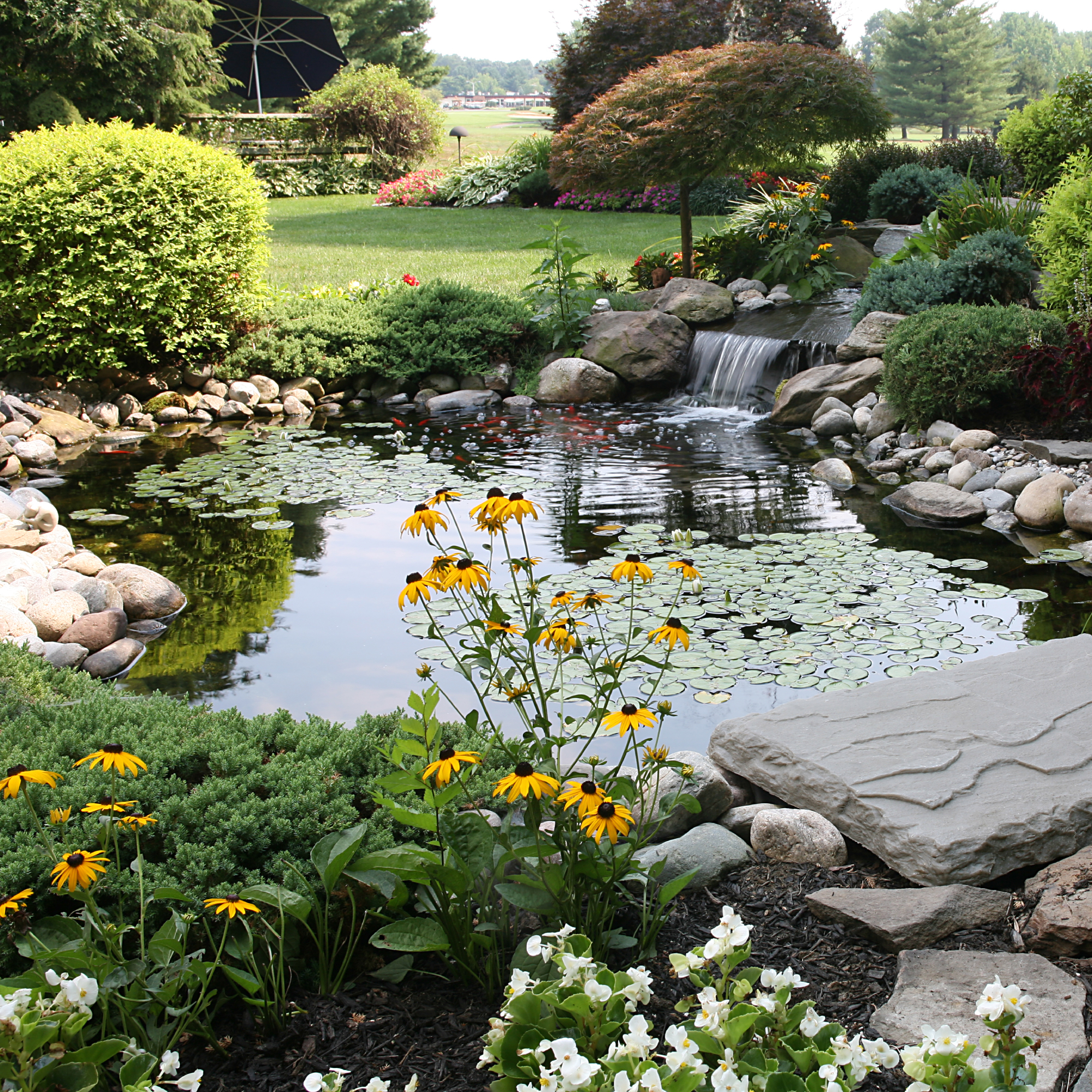
Credit: www.gardeningknowhow.com
Layout Design
Creating a garden layout involves planning paths, plant beds, and seating areas for harmony and function. Balance space with greenery to ensure easy movement. Consider sun, shade, and water features to enhance beauty and growth.
Designing a garden is both an art and a science. The layout design forms the backbone of your garden, determining how spaces flow and interact. It sets the stage for a harmonious outdoor retreat. A well-thought-out layout design enhances beauty and function.Zoning Areas
Divide your garden into distinct zones. Each zone should serve a specific purpose. You might have a seating area, a vegetable patch, and a flower bed. Ensure each zone has a clear boundary. This creates a sense of order. Use hedges or low fences to define spaces. Consider sunlight and shade for plant placement.Pathways And Accessibility
Pathways guide movement through your garden. Make them wide enough for easy walking. Use materials like gravel, stone, or wood chips. Paths should connect different zones seamlessly. Ensure pathways are accessible to everyone. Avoid steep slopes or unstable surfaces. A well-designed path invites exploration.Focal Points And Features
Create interest with focal points. These could be a statue, fountain, or a tree. Focal points draw the eye and provide balance. Place them at strategic locations. Features like ponds or benches add charm. Choose elements that match your garden’s theme. Focal points should complement, not overwhelm.Plant Selection
Choosing the right plants is key to designing a beautiful garden. Consider climate and sunlight needs for each plant. This ensures a thriving and harmonious outdoor space.
Designing a garden is an exciting journey that begins with a thoughtful selection of plants. The choices you make can transform your outdoor space into a vibrant oasis. It’s not just about choosing the right plants but also understanding their role in the ecosystem and how they contribute to the garden’s overall aesthetics. From sustainability to seasonal blooms, each decision shapes the soul of your garden.Native Plants And Sustainability
Choosing native plants is a great way to promote sustainability in your garden. These plants are adapted to the local climate and soil, making them easier to maintain and more resilient to pests and diseases. They also support local wildlife, providing food and habitat for birds and beneficial insects. When I planted native wildflowers in my garden, I noticed an increase in butterflies and bees. It was rewarding to see my garden buzzing with life, all while knowing I was contributing positively to the environment. Are you ready to see how your garden can become a local haven for nature?Seasonal Plant Choices
Creating a garden that blooms throughout the year requires careful planning. Selecting plants that flower in different seasons ensures that your garden remains lively and colorful, no matter the time of year. Consider planting spring bulbs like tulips and daffodils for early color, followed by summer perennials such as lavender and sunflowers. For autumn, chrysanthemums and asters can add rich hues, while winter can be brightened with evergreens and winter jasmine. The joy of a garden that changes with the seasons is unmatched. Each season brings new surprises and beauty. What seasonal transformations do you want to witness in your own garden?Color And Texture Considerations
The interplay of color and texture can dramatically enhance the visual appeal of your garden. When selecting plants, think about how different hues and leaf textures will complement each other. You might choose bold, vibrant colors like reds and yellows to create focal points or softer pastels for a calming effect. Mixing plants with varied leaf shapes and sizes, such as the feathery texture of ferns against the broad leaves of hostas, can add depth and interest. When I mixed bright marigolds with the silvery foliage of lamb’s ear, the combination was striking. It’s fun to experiment and see how different plant pairings can transform your space. What unique combinations will you create in your garden to reflect your personal style?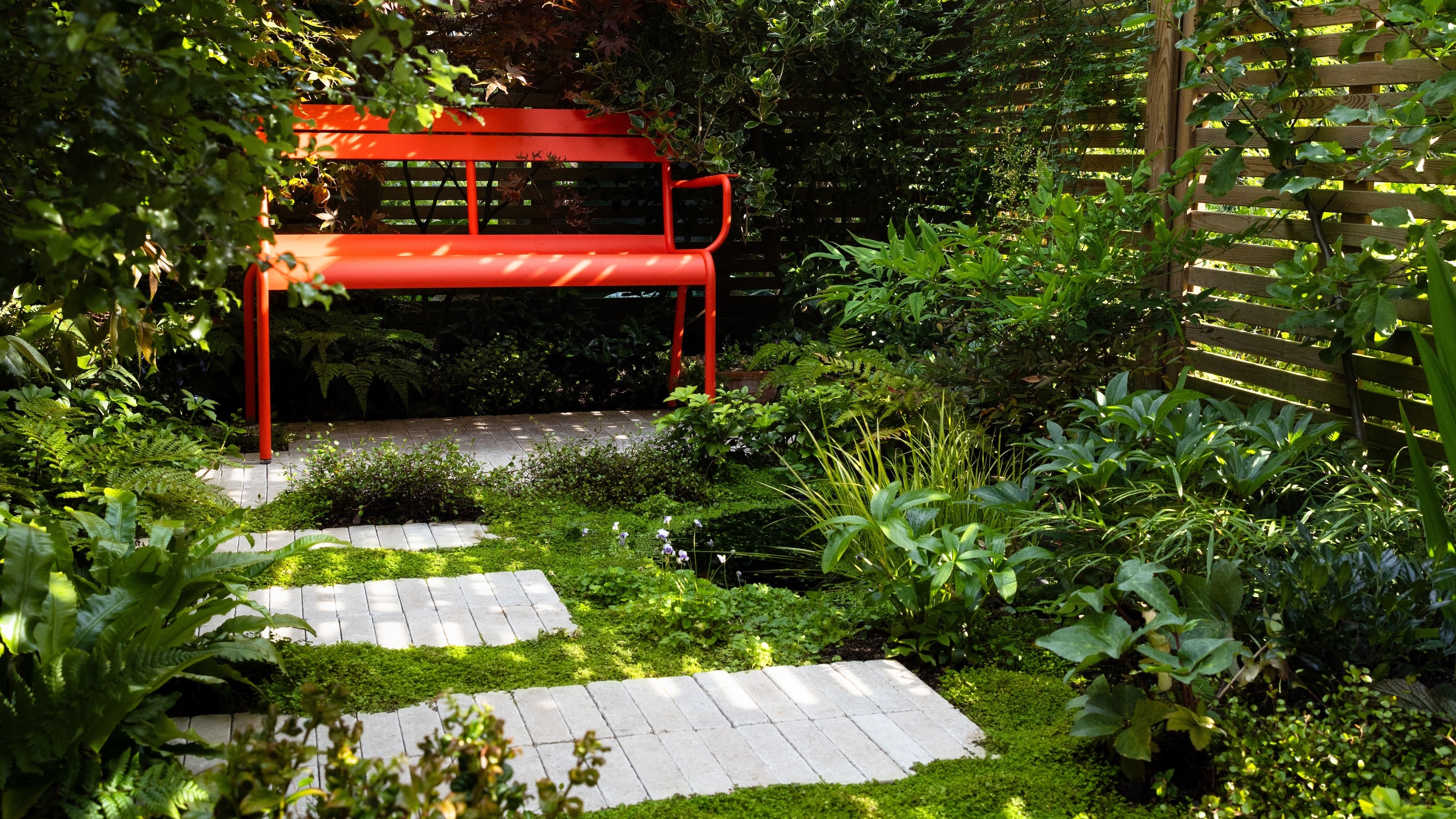
Credit: www.livingetc.com
Hardscaping Elements
Incorporate hardscaping elements to enhance garden design by using stone paths, patios, and retaining walls. These features add structure and contrast to plants, creating a balanced outdoor space.
Designing a garden is like crafting a personal oasis, a space where you can unwind and connect with nature. One crucial aspect that adds structure and functionality to your garden is hardscaping. Hardscaping elements are the backbone of your garden design, providing pathways, seating areas, and visual interest. They are permanent features that can transform your garden into a cohesive and inviting environment.Patios And Decks
Patios and decks are perfect for creating outdoor living spaces. Whether it’s a cozy corner for morning coffee or a spacious area for entertaining guests, these elements can enhance your garden’s usability. Choose materials that complement your garden’s overall style. Natural stone offers a timeless look, while wood can add warmth and texture. Consider the size of the area and how you plan to use it. A small patio might suit a serene reading nook, while a larger deck could accommodate a dining table for al fresco meals. Think about the placement in relation to the sun and shade. You might want a sunny spot for soaking up rays or a shaded area for cooler relaxation. Personalize the space with furniture and plants that reflect your taste.Water Features
Water features can bring tranquility and movement to your garden. The sound of flowing water is soothing and can mask noise from nearby streets. Consider options like fountains, ponds, or even a small waterfall. Each adds a unique charm and can attract wildlife, turning your garden into a vibrant ecosystem. Size and scale are essential. A large pond might dominate a small garden, while a tiny fountain could be lost in a sprawling space. Ensure the feature fits harmoniously within your garden’s layout. Maintenance is also crucial. Plan for the upkeep required to keep the water clean and clear. If you’re not keen on regular maintenance, opt for simpler designs that require minimal effort.Garden Structures
Garden structures like pergolas, arbors, and trellises can define spaces and add vertical interest. These elements can support climbing plants, offering shade and privacy. Think about the materials and style that match your garden’s theme. Wood gives a rustic feel, while metal might suit a more modern design. Placement is key. Consider where you’d like to create focal points or pathways leading to different garden areas. These structures can guide the eye and invite exploration. Personalize them with lighting or hanging plants to enhance the ambiance. A well-placed structure can transform your garden into a magical retreat. What hardscaping elements resonate with you? Imagine how they could shift the dynamics of your garden, creating spaces to relax, entertain, and enjoy nature.Lighting And Ambiance
Designing a garden involves thoughtful lighting to enhance ambiance. Choose soft lights to create a relaxing atmosphere. Highlight focal points with spotlights for visual appeal.
Lighting transforms your garden into a magical retreat after sunset. It enhances beauty and ensures safety. Proper lighting sets the mood, whether you’re entertaining or relaxing.Functional Lighting
Functional lighting ensures visibility and safety. It illuminates pathways, steps, and entrances. Install solar-powered lights along walkways. They provide a clear path without high energy costs. Use motion-sensor lights for security. These lights deter intruders and offer peace of mind.Decorative Lighting
Decorative lighting adds charm and beauty. String lights create a cozy and inviting atmosphere. Wrap them around trees or pergolas. Lanterns and fairy lights add whimsy and wonder. Choose weather-resistant options for durability. LED lights are energy-efficient and long-lasting.Creating Atmosphere
Creating atmosphere involves layering different light sources. Use dimmable lights for adjustable brightness. Highlight garden features like fountains or statues. Use spotlights to draw attention. Soft, warm lights create a relaxing vibe. Experiment with color filters for a unique look.Maintenance Tips
Designing a garden requires regular care for vibrant growth. Ensure plants have enough sunlight and water. Trim hedges and mow the lawn consistently for a tidy look.
Designing a garden is just the beginning of a rewarding journey. Keeping it thriving requires consistent care and attention. How do you ensure that your garden remains lush and healthy year-round? Maintenance is key. Here are some practical tips to help you maintain your garden with ease and efficiency.Routine Care Strategies
Regular maintenance is crucial for a flourishing garden. Create a schedule that includes tasks like watering, weeding, and pruning. Water your plants early in the morning to minimize evaporation and allow them to absorb moisture throughout the day. Weeding is essential to prevent unwanted plants from competing for nutrients. Make it a habit to remove weeds weekly. Pruning not only shapes your plants but also encourages healthy growth. Trim dead or diseased branches to prevent the spread of illness.Tools And Equipment
Having the right tools makes garden maintenance easier and more enjoyable. Invest in a quality pair of gloves to protect your hands from thorns and blisters. A sturdy spade and trowel are indispensable for planting and digging. Consider a multi-purpose hoe for weeding and soil aeration. A watering can or hose with a spray nozzle is essential for efficient watering. Keep your tools clean and sharp to prolong their lifespan and ensure precision in your gardening tasks.Dealing With Pests
Pests can be a gardener’s nightmare, but there are effective ways to manage them. Start by identifying the pests in your garden. Are they aphids, slugs, or caterpillars? Each requires a different approach. Introduce beneficial insects like ladybugs, which feed on aphids. Use natural repellents such as neem oil or garlic spray to deter pests without harming your plants. Regularly inspect your garden for signs of pest damage and act quickly to prevent infestations. By following these maintenance tips, you’ll create a garden that not only looks beautiful but also thrives throughout the seasons. What maintenance challenges have you faced in your garden, and how did you overcome them?Enhancing Biodiversity
Designing a garden to enhance biodiversity involves choosing native plants that attract local wildlife. Incorporate diverse plant species to create varied habitats. Include water features and shelters to support different life forms.
Enhancing biodiversity in your garden isn’t just a trend—it’s a rewarding practice. By designing your garden with biodiversity in mind, you invite a symphony of life into your space. This not only benefits the environment but also transforms your garden into a lively, thriving ecosystem.Attracting Wildlife
Consider what wildlife needs most: food, water, and shelter. Add a birdbath or a small pond to provide water. Plant native shrubs and trees to offer food and nesting sites. My neighbor’s garden attracts a variety of birds simply because she added a few berry bushes. What wildlife would you like to see in your garden?Pollinator-friendly Plants
Pollinators like bees and butterflies are crucial for a healthy garden. Choose plants that are rich in nectar and have a variety of bloom times throughout the year. Lavender, sunflowers, and coneflowers are excellent choices. Last spring, I noticed an increase in butterflies after planting a small patch of milkweed. Could your garden become a sanctuary for pollinators?Creating Habitats
Diverse habitats support diverse species. Leave a corner of your garden a bit wild, with logs, rocks, and leaves. This creates shelter for insects and small animals. A friend of mine left a pile of wood in her yard, and now it’s home to several hedgehogs. What simple changes can you make to welcome more life into your garden?Frequently Asked Questions
What Are The Basics Of Garden Design?
Garden design starts with assessing the space and climate. Choose plants that thrive in your area. Consider layout, focal points, and pathways. Use elements like color, texture, and height for visual interest. Prioritize functionality and sustainability. Plan for maintenance, ensuring easy access to water and tools.
How Do I Choose Garden Plants?
Choose plants based on climate, soil, and sunlight. Consider maintenance requirements and growth habits. Opt for native species for sustainability. Mix perennials and annuals for year-round interest. Match plants to your garden’s theme or style. Research compatibility and spacing to ensure healthy growth.
What Is A Garden Layout Plan?
A garden layout plan is a blueprint for your garden design. It includes plant locations, paths, and features. A well-designed layout ensures functionality and aesthetic appeal. Sketch your ideas before planting. Consider sun exposure, water access, and maintenance needs. Use the plan to guide your garden’s development.
How Can I Make My Garden Eco-friendly?
Making your garden eco-friendly involves choosing native plants and reducing chemical use. Implement composting and rainwater harvesting. Use organic fertilizers and pest control methods. Create habitats for wildlife. Practice mulching to conserve moisture. Limit lawn areas to reduce water consumption and carbon footprint.
Conclusion
Creating a garden is both rewarding and fun. Start with a clear plan. Choose plants that fit your climate and soil. Arrange them for balance and beauty. Use paths and seating to invite exploration and relaxation. Water features add tranquility.
Lighting enhances evening charm. Keep it simple and enjoy the process. Regular care keeps your garden thriving. Small changes make a big difference. Your garden becomes a peaceful retreat. A space for creativity and connection. It reflects your personality and style.
Dive in and watch your garden grow, bringing joy and serenity to your life.







