Imagine stepping into your garden and feeling as if you’ve been transported to the serene countryside of France. A French potager garden offers more than just a space for growing vegetables; it’s a charming blend of beauty and practicality.
You can create a picturesque landscape that not only nourishes your body but also feeds your soul. This article will guide you through designing your very own potager garden, where every plant and path is a piece of art. Discover how you can transform your outdoor space into a harmonious haven, combining the elegance of French aesthetics with the functionality of a kitchen garden.
Keep reading to unlock the secrets of crafting a garden that’s both delightful and productive, making your backyard the envy of all who visit.

Credit: www.veranda.com
History Of French Potager Gardens
The allure of French Potager gardens lies not only in their aesthetic appeal but also in their rich historical roots. Originating in France, these gardens were designed to be both beautiful and functional, weaving together the charm of ornamental flowers with the practicality of vegetables and herbs. Understanding the history of French Potager gardens can provide you with a deeper appreciation and inspiration for designing your own.
Origins In French Monastic Gardens
French Potager gardens can trace their beginnings back to monastic gardens during the medieval period. Monks cultivated these gardens to sustain themselves, integrating medicinal herbs, vegetables, and fruits. This practice set the foundation for the mix of utility and beauty that defines the Potager style.
Influence Of Renaissance France
During the Renaissance, the French nobility began to embrace the Potager garden style. Influenced by Italian gardens, they introduced geometric designs and symmetry, enhancing the visual appeal. This era marked the transition of Potager gardens from purely functional to ornate works of art.
Versailles And The Grand Potager
Under King Louis XIV, the Potager du Roi at Versailles showcased the pinnacle of Potager garden design. Expansive and meticulously planned, it served as a model for elegant garden design across Europe. The integration of art and agriculture became a hallmark of French garden design.
Modern Interpretations
Today, the essence of French Potager gardens is captured in contemporary designs, blending tradition with modern sustainability practices. Gardeners worldwide embrace this style for its beauty and practicality. How will you incorporate these timeless elements into your garden?

Credit: www.veranda.com
Key Elements Of Potager Design
Designing a French potager garden blends beauty with utility. This traditional kitchen garden combines vegetables, flowers, and herbs in a single space. A well-designed potager garden captivates the senses and serves practical needs. Explore the key elements that shape the enchanting design of a French potager.
Layout And Structure
The layout of a potager garden is essential. It should be both functional and visually appealing. Paths often form geometric patterns, such as squares or rectangles. Symmetry plays a crucial role in traditional designs. Raised beds can help define distinct areas. They also improve drainage and ease of access. Structures like trellises add vertical interest. They support climbing plants and create focal points. Borders with low hedges or fences provide definition. They also offer protection against pests.
Color And Texture
Color and texture breathe life into the potager garden. A variety of plants ensures a vibrant display. Mix vegetables with different leaf shapes and sizes. Combine these with flowering plants for contrast. Bold colors, such as reds and purples, add drama. Soft pastels bring a soothing touch. Consider the seasonal changes in plant color. This provides year-round interest. Textured plants enhance the sensory experience. They create a dynamic landscape that changes with light.
Functional Beauty
The potager garden marries function with beauty. Each plant serves a purpose beyond aesthetics. Vegetables and herbs offer fresh produce for the kitchen. Flowers attract pollinators, supporting plant health. Companion planting boosts growth and repels pests. The garden’s design ensures ease of maintenance. Accessibility is key for planting, watering, and harvesting. The garden becomes a living artwork. It feeds the body and soul, embodying the essence of a potager.
Choosing The Right Plants
Choosing the Right Plants Select a mix of vegetables, herbs, and flowers for a balanced French potager garden. Consider plant height, color, and growth habits to create an appealing layout.
Choosing the right plants is crucial for a successful French potager garden. This type of garden combines functionality with beauty. Select plants that offer a balance of color, texture, and taste. A well-planned potager provides fresh produce and an aesthetic appeal throughout the seasons.Herbs And Vegetables
Herbs and vegetables are the heart of a potager garden. Choose a variety that suits your culinary needs and climate. Basil, thyme, and rosemary are popular choices for herbs. For vegetables, consider planting lettuce, carrots, and tomatoes. Companion planting helps in pest control and soil health. For example, plant basil near tomatoes for mutual benefits.Flowers And Ornamentals
Flowers add beauty and attract pollinators to your garden. Opt for marigolds, nasturtiums, and calendula. These flowers are not only pretty but also edible. Ornamentals like lavender and sunflowers serve dual purposes. They enhance the garden’s visual appeal and support biodiversity. Choose plants that bloom at different times for continuous color.Seasonal Selections
Plan your garden with the changing seasons in mind. In spring, plant peas and radishes for early harvests. Summer is ideal for tomatoes and peppers. In fall, focus on root vegetables like beets and turnips. Rotate crops each season to maintain soil fertility. This practice also helps reduce pests and diseases. Rotate crops to maintain soil health and reduce pest issues.Creating Symmetry And Balance
Designing a French potager garden involves creating symmetry and balance. Arrange plants in geometric patterns and use contrasting colors. Incorporate pathways and borders to enhance the visual appeal and functionality.
Creating a French potager garden is an artful blend of aesthetics and functionality. At the heart of this design is the principle of symmetry and balance, offering visual appeal and harmony. This approach ensures your garden is not only productive but also a serene retreat. Have you ever wondered how geometric patterns can transform your garden space into a picturesque sanctuary?Geometric Patterns
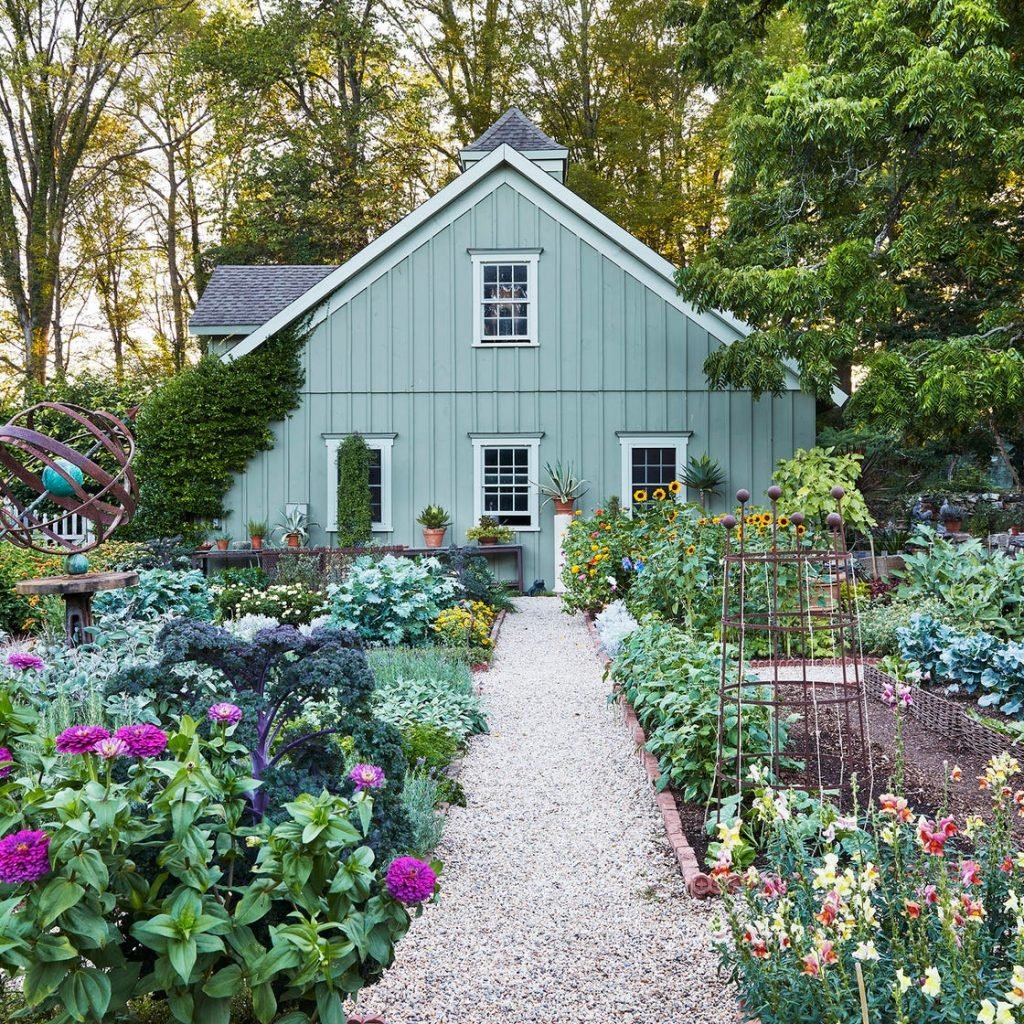
Utilizing geometric patterns in your garden layout creates a sense of order and elegance. Imagine paths that weave through the garden in perfect squares or circles. These shapes help guide the eye and create focal points. You can use bricks, stones, or gravel to define these lines and spaces. Consider alternating plant colors or textures within these geometric designs. A checkerboard of contrasting leafy greens and vibrant reds can make each section pop. This technique not only adds beauty but also assists in maintaining organized planting zones.Vertical And Horizontal Space
Balance in your garden isn’t just about what’s on the ground. Look up and think about how you can use vertical space to your advantage. Trellises, arches, and obelisks can add height and dimension, drawing the eye upwards and creating a layered look. When designing horizontal space, consider how wide paths and open areas can enhance accessibility and flow. Wide paths allow for easy movement, while open areas can host seating or decorative elements like fountains. Mixing vertical and horizontal elements introduces depth and complexity. Could a climbing rose on a trellis beside a low-growing herb bed bring unexpected charm? Play with these dimensions to create a garden that feels both spacious and intimate.Incorporating Traditional Features
Incorporating traditional features into your French potager garden can create an authentic and charming landscape. The aesthetic balance of functionality and beauty is what makes a potager garden stand out. This section explores how to add classic elements that not only enhance the garden’s visual appeal but also maintain its historical essence.
Pathways And Borders
Pathways in a French potager are more than just a way to get from point A to B. They define the garden’s structure and guide your journey through it. Consider using gravel or cobblestones for a rustic feel.
Strategically placed borders can create a neat and organized appearance. You might use boxwood hedges, which are not only traditional but also help in keeping the garden tidy. Why not experiment with a mix of herbs and flowers along the borders? It adds both color and fragrance.
Water Features And Fountains
A water feature can be the heart of a potager garden. The gentle sound of trickling water adds tranquility to the space. You could opt for a classic stone fountain for a touch of elegance.
If space is limited, a simple birdbath can serve as a charming focal point. Consider the placement carefully, ensuring it’s visible from different parts of the garden. The key is to make it feel like a natural part of the landscape.
Sustainable Practices In Potager Gardens
Sustainable practices in potager gardens focus on harmony with nature. These practices promote healthy soil and vibrant plant life. A French potager garden thrives on sustainable methods, enriching the environment.
Organic Gardening
Organic gardening eliminates synthetic chemicals. It relies on natural processes to grow plants. Composting is a key element. It enriches the soil with nutrients. Mulching conserves moisture and suppresses weeds. This practice also improves soil structure.
Choose organic seeds and plants. They adapt better to natural conditions. Encourage beneficial insects. They help control pests naturally. Use natural fertilizers like bone meal and fish emulsion. These support healthy plant growth.
Companion Planting
Companion planting enhances plant health and growth. It pairs plants that benefit each other. Basil and tomatoes are classic companions. Basil repels pests, while tomatoes provide shade.
Marigolds deter nematodes and attract pollinators. Plant them near vegetables. Carrots and onions grow well together. They repel each other’s pests. Companion planting maximizes space and improves yield.
This method also increases biodiversity. A diverse garden resists diseases better. Choose companion plants wisely for a thriving potager garden.
Maintaining Your Potager Garden
Designing a French potager garden involves mixing vegetables, fruits, herbs, and flowers in a decorative layout. Consider symmetry and color to create an aesthetically pleasing space that offers both beauty and functionality. Select plants that complement each other and thrive in your climate for a harmonious, sustainable garden.
Maintaining Your Potager Garden A French potager garden is a delightful blend of aesthetics and functionality. But maintaining its charm throughout the year requires dedication and a touch of strategic planning. The secret to a flourishing potager garden lies in understanding the seasonal changes and tackling pests effectively.Seasonal Care
Each season brings its own set of tasks to keep your potager thriving. In spring, focus on planting and setting the groundwork for the year. Ensure your soil is rich and ready by adding compost and organic matter. Summer demands regular watering and weeding. A drip irrigation system can be a lifesaver, keeping plants hydrated without wasting water. As autumn approaches, start harvesting the last of your summer crops and prepare for winter by mulching and protecting tender plants.Pest Management
Pests can quickly turn your potager dream into a nightmare if not managed. Start by encouraging beneficial insects like ladybugs and bees. These natural predators can keep harmful insects in check. Consider using companion planting as a natural pest deterrent. Planting marigolds among your vegetables can ward off nematodes, while basil can repel aphids. Regularly inspect your plants for signs of trouble, and address issues promptly to prevent widespread damage. Have you ever noticed how a small change, like adding a row of marigolds, can make a huge difference? Embrace these simple practices to maintain your potager’s beauty and productivity year-round.
Credit: www.gardeningknowhow.com
Frequently Asked Questions
What Is A French Potager Garden?
A French Potager Garden is a decorative kitchen garden. It combines vegetables, herbs, and flowers in a visually appealing way. Its design focuses on aesthetics, functionality, and sustainability. Typically, the layout is symmetrical or geometric. It enhances the garden’s beauty while providing fresh produce.
How Do You Plan A Potager Garden Layout?
Begin by sketching your garden space. Incorporate paths for easy access. Arrange plants in symmetrical patterns. Include diverse plant species for visual interest. Consider sun, shade, and soil needs. Aim for a harmonious blend of colors and textures. This ensures both aesthetic appeal and efficient plant growth.
Which Plants Suit A Potager Garden?
Choose a mix of edible and ornamental plants. Popular choices include tomatoes, basil, marigolds, and lettuce. Incorporate colorful flowers like nasturtiums. Herbs such as thyme and rosemary add fragrance. Select plants based on seasonal growth. Ensure compatibility with your garden’s climate and soil conditions.
How Do You Maintain A Potager Garden?
Regular maintenance involves watering, pruning, and harvesting. Mulch to retain moisture and suppress weeds. Rotate crops to prevent soil depletion. Use organic fertilizers to nourish plants. Ensure paths are clear for easy access. Regularly inspect for pests and diseases. A well-maintained garden ensures healthy growth and productivity.
Conclusion
Creating a French potager garden brings charm and function together. It offers a blend of beauty and practicality. This style showcases vegetables, herbs, and flowers in harmony. Planning is key. Start with a design that suits your space. Use paths for easy access and visual interest.
Choose a mix of colorful plants. They should thrive in your climate. Regular maintenance keeps the garden lush. Water and trim as needed. Enjoy fresh produce and stunning views. A potager garden is a delightful addition to any home. It invites nature’s beauty right to your doorstep.