Imagine stepping into your garden and feeling a sense of peace and joy as you admire the beauty surrounding you. That’s the magic of good garden design.
But what exactly makes a garden design good? This is a question many homeowners ponder as they dream of transforming their outdoor space into a personal sanctuary. Whether you’re a seasoned gardener or someone looking to spruce up your backyard, understanding the elements of good garden design can make all the difference.
This article will guide you through the essentials, helping you create a garden that not only looks stunning but also feels inviting and harmonious. Discover how simple choices in layout, plant selection, and decorative features can enhance your garden’s appeal. Ready to unlock the secrets to a captivating garden? Keep reading to find out how you can turn your garden dreams into reality.
Key Elements Of Garden Design
Good garden design balances aesthetics and functionality. Key elements include plant selection, layout, and color harmony. Paths and focal points enhance beauty and accessibility.
Garden design blends art and science to create functional beauty. Understanding key elements helps transform outdoor spaces into serene retreats. These aspects guide the arrangement of plants, structures, and paths. They ensure the garden remains visually appealing throughout the seasons. Let’s explore two essential elements: balance and symmetry, texture and color.Balance And Symmetry
Balance gives the garden a sense of stability. It can be symmetrical or asymmetrical. Symmetrical balance mirrors the garden on both sides. It creates a formal look. Asymmetrical balance uses different elements. This approach adds visual interest and movement. The placement of trees, shrubs, and paths should feel harmonious. It guides the eye smoothly through the garden.Texture And Color
Texture adds depth and character. Different plants offer varied textures. Leaf shapes, bark, and flowers contribute to this. Mixing textures creates contrast and interest. Color enhances the garden’s mood. Bright colors energize. Soft colors calm. Seasonal variations keep the design dynamic. Strategic color choices can highlight focal points. They can also draw attention to specific areas.
Credit: www.goodhousekeeping.com
Choosing The Right Plants
Choosing the right plants is crucial for good garden design. Consider local climate and soil type for best growth. Harmonize plant colors and heights to create a balanced and visually appealing garden.
Choosing the right plants is crucial for a successful garden design. The plants you select will shape the look and feel of your garden. They can also affect maintenance needs and attract local wildlife. Selecting appropriate plants enhances beauty and sustainability.Native Species
Native plants are well-suited to your region’s climate. They require less water and care than exotic plants. These species support local wildlife, providing food and habitat. They adapt naturally to local soil and weather conditions. Native plants also resist local pests and diseases better.Seasonal Blooms
Seasonal blooms ensure year-round garden interest. Choose plants that bloom at different times. This approach maintains color and vibrancy throughout the year. Spring might bring tulips and daffodils. Summer could showcase roses and lilies. Autumn can highlight asters and chrysanthemums. In winter, evergreens and holly can provide greenery. Mixing bloom times creates a dynamic and changing landscape.Creating Functional Spaces
Good garden design creates functional spaces that are both beautiful and practical. Careful planning ensures plants thrive, paths flow, and seating areas invite relaxation. Balance aesthetics with usability for a harmonious outdoor retreat.
Creating functional spaces in your garden is all about ensuring that every corner serves a purpose, making your outdoor space both beautiful and practical. It’s not just about planting flowers and shrubs; it’s about designing areas where you and your family can relax, entertain, and enjoy nature. Thoughtful garden design can transform your yard into a series of inviting zones that cater to different activities.Seating Areas
Imagine having a cozy spot to sip your morning coffee while listening to the birds. Seating areas in your garden are essential for relaxation and socializing. Think about placing benches under a shady tree or setting up a small bistro table with chairs on your patio. Consider the view from your seating area. Do you want to face a colorful flower bed or a serene water feature? Adding comfortable cushions or a weather-resistant rug can make the space more inviting.Paths And Walkways
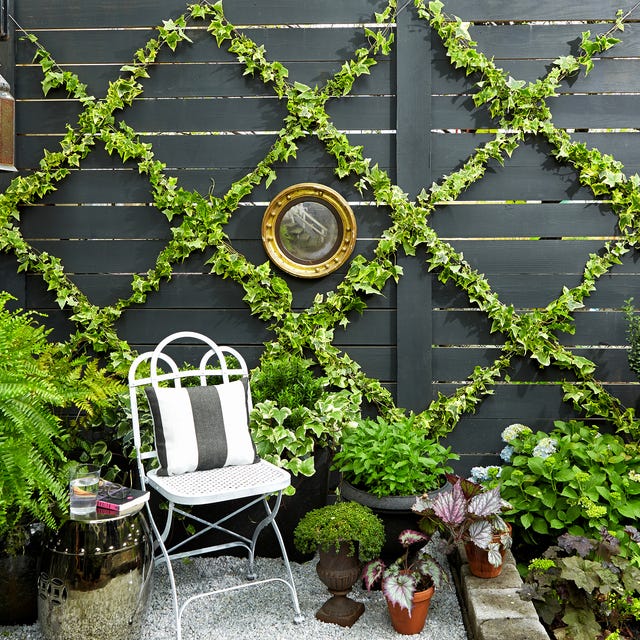
Paths and walkways are more than just routes from point A to point B. They guide you through your garden, connecting different areas seamlessly. A well-placed path can invite you to explore and discover hidden corners of your garden. Materials matter when creating walkways. Gravel, brick, and stone all offer different aesthetics and durability. Will your paths be straight and formal, or will they wind playfully through the landscape? A well-designed path enhances your garden’s functionality and boosts its visual appeal. What kind of journey do you want your garden to offer?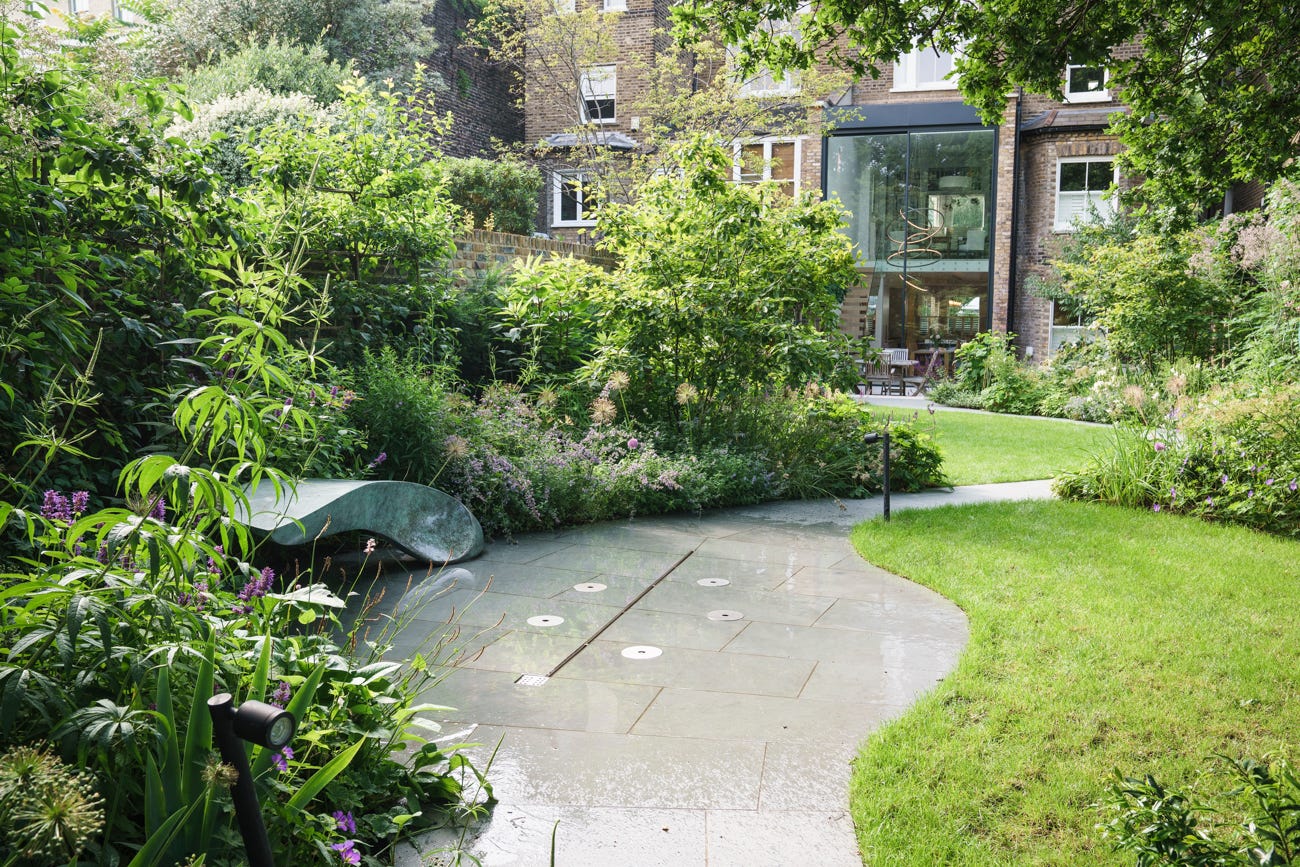
Credit: jothompson.substack.com
Incorporating Water Features
Incorporating water features can enhance garden design by adding tranquility and beauty. A small fountain or pond provides soothing sounds, attracting wildlife and creating a peaceful atmosphere.
Incorporating water features into your garden design can transform your outdoor space into a tranquil oasis. Imagine the soothing sound of water trickling over stones or the calming sight of fish gliding through a pond. These elements not only enhance the aesthetic appeal but also bring a sense of peace and relaxation. Whether you have a sprawling backyard or a cozy patio, there are various ways to add water features that fit your space and lifestyle.Ponds And Fountains
Adding a pond or fountain can be a game-changer for your garden. Ponds offer a natural habitat for wildlife and can be a beautiful focal point. You might find joy in watching dragonflies dance above the water or listening to frogs croak in the evening. Fountains, on the other hand, come in various styles and sizes, from elegant tiered designs to modern minimalist structures. They add movement and sound to your garden, creating a dynamic environment. Consider your available space and maintenance preferences before deciding on a pond or fountain.Water Conservation
Water features don’t have to be wasteful. You can make eco-friendly choices that conserve water while enjoying their beauty. Opt for recirculating systems that reuse water, minimizing waste. Implementing rainwater collection systems can provide a sustainable water source for your pond or fountain. You might be surprised at how little water is needed to maintain a beautiful feature. Are you ready to blend beauty with sustainability in your garden design? Incorporating water features can elevate your garden to new heights. With thoughtful planning and an eye for conservation, you can enjoy the serenity and beauty they bring, all while being kind to the environment. What water feature will you choose to transform your space?Lighting And Ambiance
Good garden design combines lighting and ambiance to create a welcoming outdoor space. Proper lighting highlights key features and ensures safety. The right ambiance sets a relaxing mood for enjoyment.
Lighting plays a key role in garden design. It creates ambiance and enhances aesthetics. A well-lit garden transforms spaces into magical retreats. Carefully chosen lighting highlights features and ensures safety. Let’s explore different lighting options for your garden.Solar Lighting
Solar lighting is eco-friendly and cost-effective. It uses the sun’s energy, reducing electricity bills. Solar lights are easy to install. They have no wires and require minimal maintenance. They provide soft illumination, perfect for pathways and garden beds.Mood Enhancement
Lighting sets the mood in a garden. Soft lights create a cozy atmosphere. Bright lights are ideal for entertainment areas. Consider color-changing lights. They add vibrancy and can be adjusted for different occasions. Uplighting trees or sculptures adds drama and focus.Maintaining Your Garden
Good garden design blends beauty with functionality, ensuring a harmonious outdoor space. Thoughtful plant selection and layout create inviting pathways and serene corners.
Maintaining your garden is key to keeping it beautiful. A well-maintained garden enhances the beauty of your home. It requires regular attention and care. This ensures plants grow healthy and vibrant.Regular Pruning
Pruning helps plants stay healthy. It removes dead or overgrown branches. This allows sunlight to reach all parts of the plant. Proper pruning encourages new growth. It also shapes the plant, making it look neat. Use clean tools for pruning. This prevents disease spread.Pest Control
Pests can damage plants. They eat leaves and flowers, causing harm. Regular checks help spot pests early. Use natural methods to control pests. This keeps your garden safe. Avoid chemicals that harm plants. Introduce beneficial insects like ladybugs. They eat harmful pests and protect your garden. Keep the soil healthy to deter pests. Healthy soil means healthy plants that resist pests better.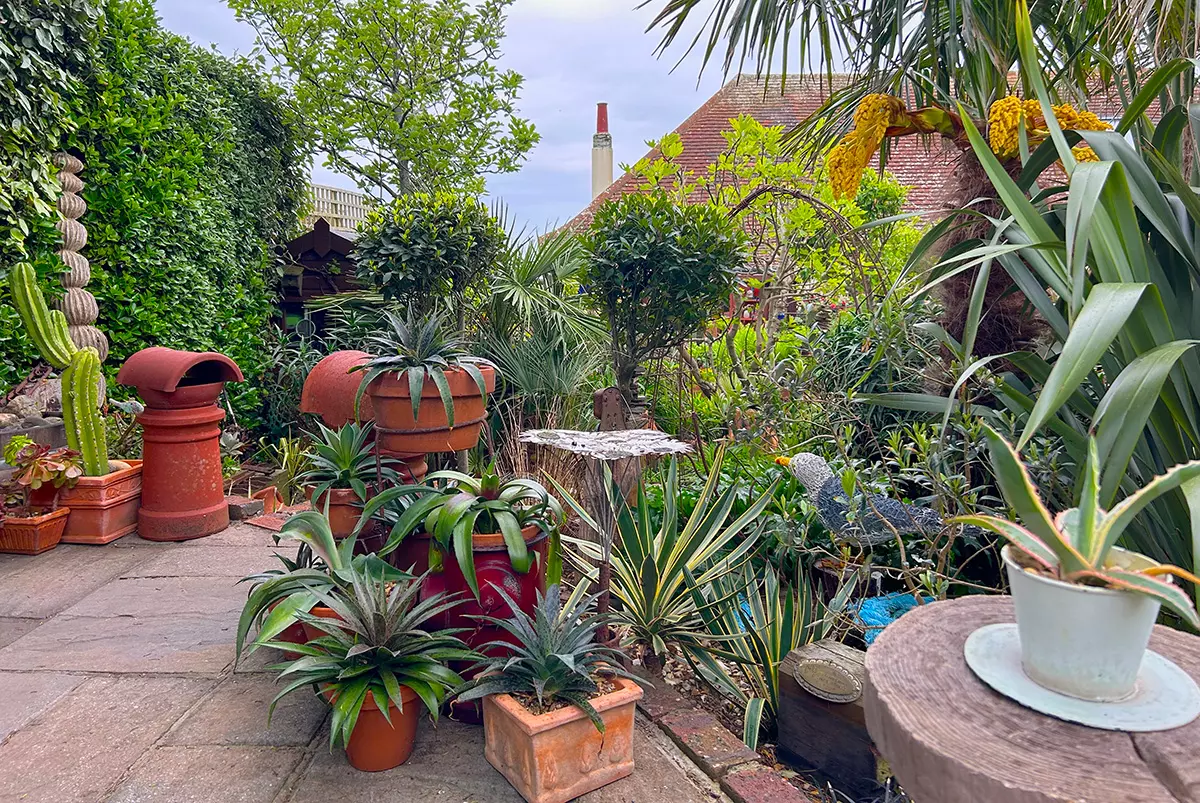
Credit: www.richardjacksonsgarden.co.uk
Frequently Asked Questions
What Defines Good Garden Design?
Good garden design combines aesthetics with functionality. It considers the site’s conditions, including soil, sunlight, and climate. A well-designed garden balances plants, hardscape, and features like paths or water elements, creating a harmonious and inviting outdoor space.
How Can I Plan My Garden Layout?
Start by assessing your garden space and noting sun exposure and soil quality. Sketch a rough layout, considering plant sizes and growth patterns. Incorporate paths and seating areas. Choose a theme or style, ensuring plant selection complements the overall design.
What Are Essential Elements In Garden Design?
Essential elements include balance, unity, and variety. Balance ensures visual stability, while unity creates a cohesive look. Variety introduces interesting textures and colors. Consider focal points, like sculptures or unique plants, and functional features, such as seating or lighting.
How Do Plants Impact Garden Design?
Plants are crucial in garden design, offering texture, color, and structure. They can define spaces, create privacy, and provide seasonal interest. Choosing diverse species ensures year-round appeal and supports local biodiversity. Consider maintenance needs and growth habits when selecting plants.
Conclusion
A good garden design blends beauty and function. It creates relaxing spaces. Plants and pathways should be well-chosen. They should fit the space. Consider the seasons when planning. Each season brings different colors. Harmony is key. Each element should work together.
Make sure your garden reflects your style. It’s your personal space. Careful planning results in a garden that feels inviting. It becomes a place for peace and reflection. An ideal garden design celebrates nature’s beauty. It helps you enjoy the outdoors.
Every garden can be unique. Make it a place you love.