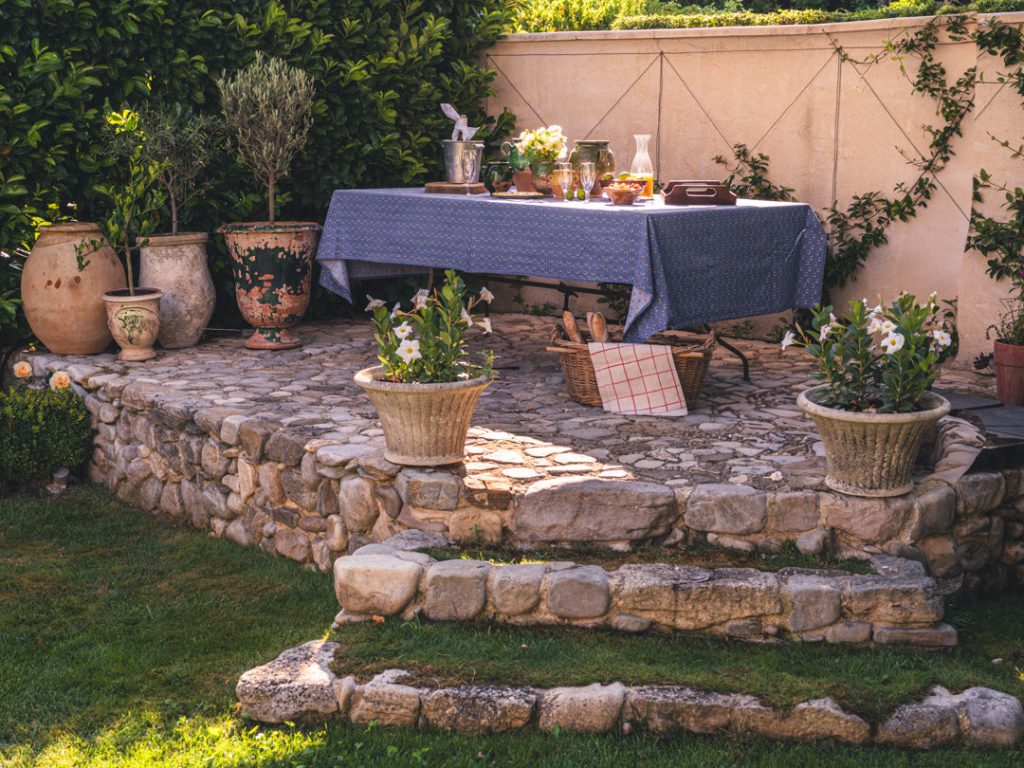
Imagine stepping into a garden that feels like a piece of art. The symmetry, the elegance, and the vibrant bursts of color captivate your senses.
This is the allure of French garden design. But did you know that this charming style has deeply influenced American landscapes? You might wonder how an Old World aesthetic found its way into the heart of American gardens. The answer lies in a blend of cultural exchange and a desire for timeless beauty.
By understanding this connection, you can transform your own outdoor space into a stunning retreat that echoes the sophistication of French artistry. Let me guide you through the fascinating story of how French garden design shaped American gardens. Discover the secrets behind the structured beauty and learn how you can bring a touch of France to your own backyard. Keep reading to uncover the elegance that could redefine your outdoor experience.
Origins Of French Garden Design
The origins of French garden design date back to the 17th century. This style, known for its grandeur and elegance, was born in the reign of Louis XIV. It gained fame through the magnificent gardens of Versailles. French garden design emphasized order, balance, and harmony with nature. This approach aimed to reflect the power and control of the monarchy.
Historical Context
The historical backdrop of French garden design is rich and fascinating. During the Renaissance, garden design evolved significantly. Influences from Italy and classical antiquity played a big role. Architects and gardeners in France began to innovate. They created gardens that were both functional and beautiful. The Château de Versailles is the most notable example. Its gardens showcased the peak of French garden design.
Key Features And Principles
French gardens are known for their distinct features. Symmetry is a fundamental principle. Designers arranged plants and pathways in precise patterns. Parterres, or ornamental garden beds, are common. They often include intricate designs made with low hedges. Water features, such as fountains and canals, add elegance. Statues and sculptures enhance the aesthetic appeal. The use of perspectives is another key principle. It creates a sense of depth and grandeur.

Credit: www.chezpluie.com
Notable French Gardens
French garden design has greatly shaped American landscapes. Its symmetry and elegance inspired numerous estates and public parks. This influence is evident in the structured layouts and grand vistas across the United States.
Notable French Gardens French garden design has left a lasting mark on America, with its elegant symmetry and meticulous attention to detail. The grandeur and beauty of notable French gardens like Versailles and Tuileries have inspired countless landscapes across the Atlantic. These gardens aren’t just about beauty; they tell stories, express power, and evoke emotions.Versailles
The Gardens of Versailles, created for Louis XIV, are a masterpiece of artistry and ambition. This vast expanse showcases the epitome of French formal garden design with its geometric patterns, manicured lawns, and ornate fountains. Visiting Versailles feels like stepping into a world where nature is meticulously organized to reflect human creativity. Imagine walking through the endless avenues lined with perfectly trimmed trees. The way these gardens emphasize symmetry and order can deeply influence your perspective on design. Could adopting a bit of this precision in your own garden transform your outdoor space?Tuileries
The Tuileries Garden in Paris, originally created for Queen Catherine de’ Medici, offers a more relaxed yet equally captivating experience. This garden serves as a bridge between the formal design of Versailles and more natural landscapes. You can feel the blend of structure and freedom as you stroll along its pathways. The Tuileries provides a beautiful example of how open spaces can coexist with intricate detailing. How might you incorporate this balance in your own garden? Consider the contrast between expansive lawns and intimate, flower-filled corners. Both Versailles and Tuileries offer invaluable lessons in garden design. Whether you’re inspired by the grandeur of Versailles or the harmonious flow of Tuileries, these gardens encourage you to rethink how you shape your outdoor environment. How will you let these historical gardens influence your gardening choices?French Influence On American Gardens
French gardens have long captivated the imagination of garden enthusiasts around the world. Their structured elegance and harmonious balance have left a mark on American landscapes as well. This influence is evident in various aspects of American garden design, from grand estates to small urban spaces. Let’s explore how French garden design found its way across the Atlantic and shaped the way we design and enjoy our gardens today.
Early Adoption In The United States
In the 18th century, Americans began adopting French garden styles, particularly in the grand estates of the East Coast. The symmetry and order of French formal gardens were seen as a symbol of sophistication and wealth. As you stroll through some of the early American gardens, you might notice the reflection of French influences in their layout and features.
Garden designers and wealthy landowners were inspired by the grandeur of Versailles and other iconic French landscapes. They sought to replicate the geometric patterns and elaborate fountains that defined these spaces. Even Thomas Jefferson, who was an avid gardener, drew inspiration from French design principles when planning Monticello’s gardens.
Prominent American Gardens Inspired By French Design
Several American gardens reflect the elegance of French design. The Biltmore Estate in North Carolina, for instance, showcases a blend of French and English landscaping styles. Its meticulously manicured lawns and formal gardens bear a striking resemblance to the grandeur of French estates.
Longwood Gardens in Pennsylvania is another example where French influence is evident. The intricate parterre gardens and carefully arranged flower beds demonstrate a clear nod to the French tradition. Visitors often find themselves transported to a different era, where gardens were not just spaces for plants but expressions of art and culture.
Have you ever visited a garden that made you feel like you were walking through a painting? French-inspired gardens in the U.S. offer that experience, inviting you to pause and appreciate the beauty of nature arranged with human creativity.

Credit: www.chezpluie.com
Design Elements Adopted In America
The influence of French garden design on America is profound. American landscapes adopted many elements from French aesthetics. These designs brought elegance and order to gardens across the nation. This section explores the key design elements embraced in American gardens.
Formal Layouts
French gardens are known for their formal layouts. American gardens adopted these structured designs. Paths and walkways create clear divisions. This organization adds sophistication to outdoor spaces. Gardens feel more curated and intentional.
Symmetry And Geometry
Symmetry is a hallmark of French garden design. Americans embraced this balance in their landscapes. Geometric shapes feature prominently in garden layouts. This order brings a sense of harmony. It creates a visually pleasing environment.
Water Features And Sculptures
Water features are central to French gardens. American gardens integrated fountains and ponds beautifully. Sculptures add artistic flair to these spaces. These elements enhance the visual appeal. They create focal points that draw the eye.
Cultural Exchange And Adaptation
French garden design brought elegance and order to American landscapes. This style influenced symmetrical layouts and geometric patterns. The adaptation led to beautifully structured gardens, blending European charm with American creativity.
Cultural exchange between France and America has left a lasting impact on garden design. As European settlers brought their traditions to the New World, they adapted them to fit the American landscape. This exchange not only enriched the aesthetics of American gardens but also fostered innovation and hybrid styles that reflected the unique cultural mix.American Innovations
American gardeners took inspiration from French designs but quickly added their own twists. They embraced the symmetry and order of French gardens but often favored more practical layouts. The vastness of American land allowed for expansive lawns, which became a distinct feature. You might find a garden in Virginia that mirrors the geometric patterns of Versailles, yet it might include native plants that thrive in the local climate. This adaptation ensured that the gardens were not only beautiful but sustainable. Moreover, American innovation led to the development of new gardening tools and techniques. Have you ever wondered how the lawnmower changed the game for garden maintenance? This is a prime example of how Americans adapted European ideas to meet their own needs.Hybrid Garden Styles
Hybrid garden styles emerged as a result of this cultural fusion. These gardens combined the formal elegance of French design with the naturalistic approach that American gardeners preferred. The result was a unique style that was both structured and free-flowing. One might walk through a garden that features a formal parterre with roses and topiaries, only to find a wildflower meadow just beyond. This blend of styles created spaces that were visually interesting and ecologically diverse. These hybrid gardens also reflected the melting pot of American society. Just as diverse cultures came together, so did different horticultural traditions. What kind of garden could you create by blending your favorite elements from both styles? American garden design, influenced by French aesthetics, became a canvas for creativity and adaptation. By embracing and modifying these influences, gardeners created spaces that spoke to both tradition and innovation. How will you let cultural exchange shape your garden?Modern American Gardens With French Influence
Modern American gardens beautifully blend with French garden design. This fusion offers elegance and charm. French influence shines through symmetry, geometry, and lush plantings. These gardens balance beauty with functionality.
American gardeners embrace this style for its timeless appeal. It creates serene outdoor spaces. Such gardens often feature classic elements like hedges, fountains, and gravel paths. The French influence adds sophistication to modern designs.
Contemporary Examples
Today, many American gardens showcase French elements. The Getty Center garden in Los Angeles is one such example. It features terraced levels and intricate plantings. The garden’s design echoes French elegance and order.
In New York, the Conservatory Garden in Central Park reflects French styles. It includes a formal garden with symmetrical paths and trimmed hedges. These examples highlight the enduring allure of French garden design.
Preservation Efforts
Preserving French-influenced gardens is vital. Many organizations work to maintain these historical landscapes. They focus on keeping original designs intact. Efforts also include educating the public on their significance.
Garden conservancies often lead preservation projects. They restore and care for these spaces. Their work ensures future generations enjoy French-inspired beauty in America. Conservation of these gardens keeps history alive.
Impact On Landscape Architecture
French garden design shaped American landscapes through symmetry and order. It introduced formal layouts and geometric patterns. These elements brought elegance and structure to public parks and private estates.
The influence of French garden design on American landscape architecture is profound. French gardens brought a blend of art and nature, reshaping the American aesthetic. Their emphasis on symmetry, order, and harmony became guiding principles. This design philosophy changed how landscapes were viewed and created. Its impact is seen in public parks, private estates, and urban planning.Educational And Professional Developments
French garden design inspired educational growth in America. It led to the establishment of landscape architecture programs. These programs taught principles of balance and beauty. Students learned to appreciate structured gardens. They studied the integration of art and nature. This educational push created a new generation of landscape architects. They carried forward the French influence in their work. Professional organizations emerged, promoting these principles. The American Society of Landscape Architects (ASLA) is one such example. It highlights the importance of French design in its guidelines.Enduring Legacy In Design Philosophy
The French influence remains strong in American design philosophy. This legacy is seen in the emphasis on order and symmetry. Gardens often reflect a sense of peace and balance. Public parks mirror the grandeur of French landscapes. Urban planners use these principles to create livable spaces. The integration of nature and architecture continues to guide designs. This philosophy fosters environments that are both functional and beautiful. It ensures that spaces serve community needs while maintaining aesthetic appeal.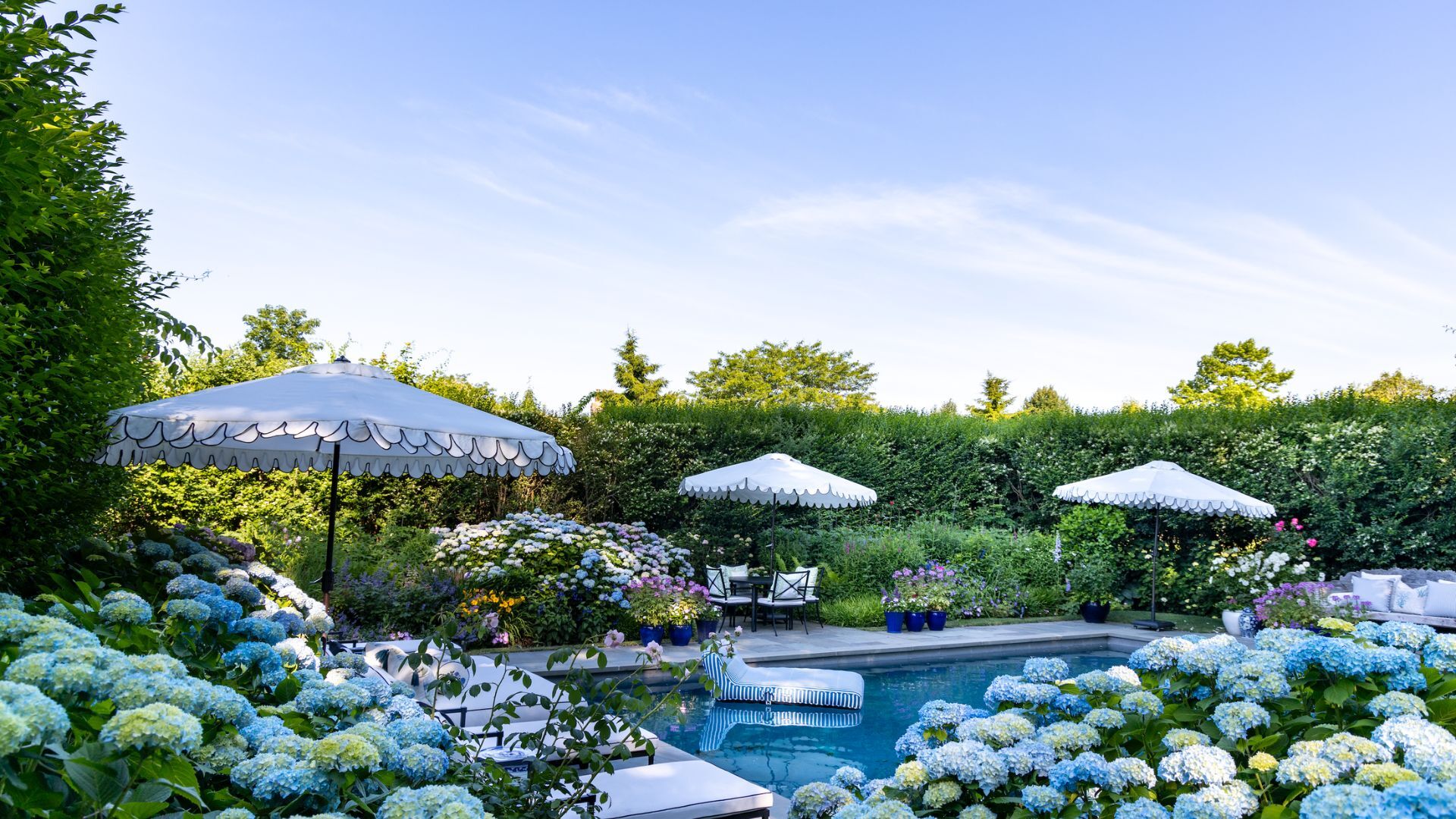
Credit: www.homesandgardens.com
Frequently Asked Questions
What Is French Garden Design?
French garden design emphasizes symmetry, order, and geometric layouts. It often features formal elements like parterres, fountains, and sculptures. This style creates a sense of grandeur and elegance. It has influenced many gardens worldwide, including American landscapes, by introducing structured beauty and artistic elements.
How Did French Gardens Impact America?
French gardens influenced American landscapes through their formal and structured designs. They introduced concepts like symmetry, geometric patterns, and ornate features. American gardens adopted these elements, creating elegant, organized spaces. This influence can be seen in historic estates and public gardens across the United States.
Why Are French Gardens Symmetrical?
French gardens are symmetrical to create harmony and balance. This design approach reflects control and order, key elements in French landscape architecture. Symmetry enhances visual appeal and guides the eye through the garden. It embodies the classical ideals of beauty and precision, making gardens feel serene and organized.
What Are Key Elements In French Gardens?
Key elements in French gardens include symmetry, geometric layouts, and formal structures. Features like parterres, fountains, and statues are common. These gardens often use hedges to create patterns and pathways. The emphasis is on creating elegant, orderly spaces that reflect classical beauty and sophistication.
Conclusion
French garden design has left a lasting mark on American landscapes. Its blend of elegance and order reshaped many gardens across the nation. Americans embraced the symmetry and balance found in French designs. These gardens encourage relaxation and appreciation of nature’s beauty.
Today, many American gardens reflect these timeless principles. They offer a peaceful escape from the hustle and bustle of modern life. This influence continues to inspire gardeners and landscape designers alike. By appreciating these designs, we connect with a rich gardening heritage.
A testament to the enduring appeal of French garden artistry.







