Imagine stepping into your garden and feeling like you’ve entered a serene oasis. With the right landscape garden design, this dream can become your reality.
Whether you’re a seasoned gardener or a complete novice, you have the power to transform your outdoor space into a stunning sanctuary. You’ll discover simple and effective tips to create a garden that not only looks beautiful but also feels harmonious.
You’ll learn how to choose the right plants, arrange them for maximum impact, and use elements like stones and water features to enhance your garden’s appeal. Are you ready to unlock the secrets to a breathtaking garden design? Dive in and find out how you can make your garden the envy of your neighborhood. Your perfect garden is just a few steps away, and we’re here to guide you through every part of the process.
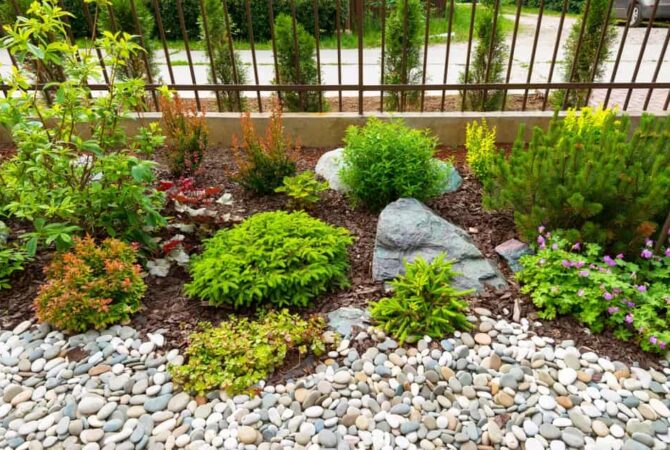
Credit: www.extraspace.com
Planning Your Garden
Creating a garden landscape involves choosing plants that thrive together. Consider soil, sunlight, and space for growth. Arrange paths and borders to enhance visual appeal and ease of access.
Planning Your Garden Creating a beautiful garden starts with a solid plan. Thoughtful planning ensures your garden meets your needs. It also helps you avoid costly mistakes. This section will guide you through the essential steps for planning your garden.Assessing The Space
First, take a close look at your garden space. Measure the area to understand its size. Observe the sunlight patterns throughout the day. Note any existing plants, trees, or structures. Consider the soil type and drainage conditions. These factors influence your garden design choices.Setting Goals And Budget
Define what you want from your garden. Is it a relaxing retreat, or a play area? Decide on the main purpose. Set a realistic budget for your project. Consider costs for plants, materials, and labor. A clear budget keeps your project on track.Choosing A Style
Select a style that matches your taste and home. Do you prefer a modern look, or a classic feel? Research different garden styles for inspiration. Consider the climate and native plants in your area. This ensures your garden thrives and requires less maintenance.
Credit: www.fast-growing-trees.com
Selecting Plants
Choosing the right plants enhances garden design by considering climate, soil, and sunlight. Variety in color, texture, and height creates visual interest and harmony. Native plants often thrive with less maintenance, making them ideal choices for sustainable landscaping.
Selecting the right plants for your garden design is crucial to creating a vibrant and sustainable landscape. The choices you make can greatly influence the beauty and functionality of your outdoor space. Let’s delve into the key aspects of plant selection that will help you create a thriving garden.Understanding Climate And Soil
Before choosing plants, consider your local climate and soil conditions. These factors play a significant role in determining which plants will thrive. Check if your area experiences extreme temperatures, heavy rainfall, or prolonged droughts. Examine the soil type in your garden. Is it sandy, clayey, or loamy? Each type has different drainage and nutrient characteristics. Knowing these details helps you pick plants that naturally adapt to your environment.Choosing Native Plants
Native plants are a great choice for any garden. They are well adapted to the local climate and soil, making them easier to maintain. By using native plants, you support local ecosystems and attract native wildlife like birds and butterflies. Consider visiting local nurseries or botanical gardens to discover native plant options. You might be surprised by the variety and beauty of plants that are native to your area.Incorporating Trees And Shrubs
Trees and shrubs add structure and depth to your garden. They provide shade, privacy, and can even act as windbreaks. When selecting them, think about their mature size to ensure they fit well in your space. Consider the seasonal interest they offer. Some trees and shrubs have stunning flowers in spring, vibrant foliage in autumn, or unique bark in winter. Choose a mix that provides year-round interest and complements the rest of your garden design. By thoughtfully selecting plants, you create a garden that not only looks beautiful but also thrives with minimal effort. What unique plant choices have you considered for your garden?Designing Garden Layout
Creating a beautiful garden layout involves planning paths, choosing plants, and using space wisely. Consider sunlight and shade to place flowers and shrubs effectively. Arrange elements for both beauty and function, making your garden a peaceful retreat.
Designing Garden Layout Creating a garden layout is like painting on a blank canvas. It’s where your creativity meets functionality, allowing you to transform an ordinary space into a serene oasis. By thoughtfully planning your garden layout, you can create a harmonious balance between beauty and practicality, making it a place you want to spend time in.Creating Focal Points
Every garden needs a focal point—a spot where your eyes naturally gravitate. It could be a vibrant flower bed, a statue, or even a small pond. These focal points not only enhance the aesthetic appeal but also guide the flow of the garden. Imagine walking into a garden and immediately being drawn to a stunning water feature. It’s this sense of intrigue that keeps your garden interesting.Pathways And Walkways
Pathways are the veins of your garden. They connect different areas and provide a sense of direction. Choose materials that complement your garden’s style, whether it’s rustic stone or sleek concrete. Think about the journey you want to create. A winding path can add mystery, while a straight walkway can offer a sense of order.Zoning For Functionality
Zoning is about dividing your garden into functional areas. Consider what activities you enjoy—be it entertaining friends, playing with kids, or simply relaxing. By creating zones for these activities, you can ensure your garden meets your needs. Picture a cozy seating area tucked away in a corner, shielded by lush greenery. Does your garden have room for such zones? If not, it might be time to rethink your layout. Your garden should reflect your lifestyle and preferences. As you plan, ask yourself: what do I want from this space? By focusing on focal points, pathways, and zoning, you can craft a garden that’s uniquely yours.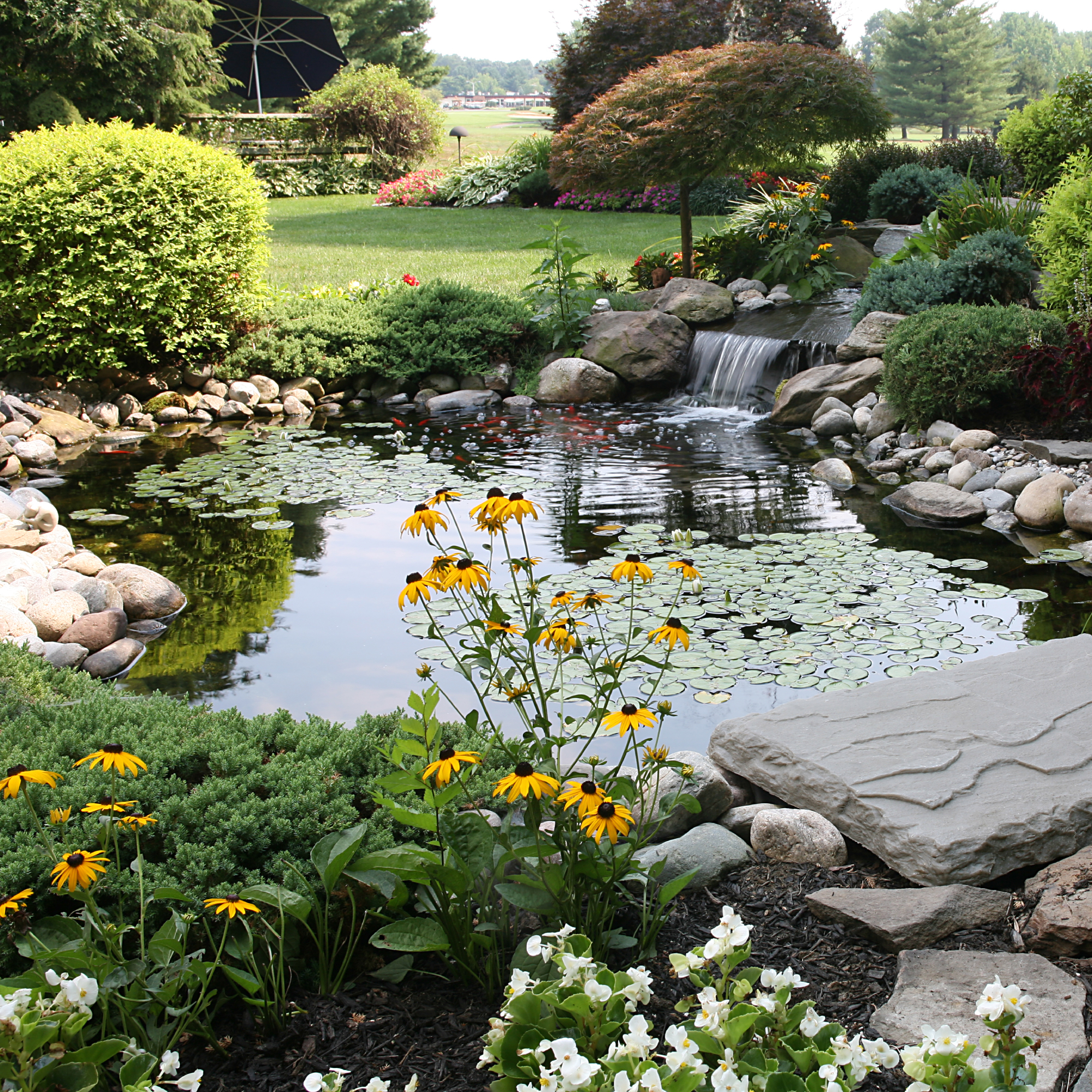
Credit: www.gardeningknowhow.com
Incorporating Water Features
Enhance your garden with water features to create a relaxing atmosphere. Ponds, fountains, or waterfalls can add charm and attract wildlife. These elements offer soothing sounds and visual appeal, elevating your garden’s design.
Incorporating water features into your landscape garden design can elevate your outdoor space. Water features bring a soothing ambiance and visual interest to gardens. They can range from simple birdbaths to elaborate ponds with waterfalls. Choosing the right water feature depends on your garden size and style. Each type offers unique benefits and challenges.Types Of Water Features
- Fountains: Add elegance and sound to any garden. They come in various styles and sizes.
- Ponds: Create a habitat for fish and plants. They can be natural or formal.
- Waterfalls: Offer movement and sound. They can be standalone or part of a pond.
- Birdbaths: Attract wildlife and add charm. Simple to install and maintain.
Placement Considerations
Ensure visibility from key areas like patios. Avoid placing near trees to reduce debris. Consider sunlight exposure for plant health in ponds. Think about accessibility for maintenance. Balance aesthetics with functionality in placement decisions.Maintenance Tips
Regularly clean debris from water features. Check and maintain pumps and filtration systems. Control algae growth with treatments or natural methods. Ensure water levels are consistent. Inspect for leaks and repair promptly. Proper care extends the life of your water feature.Lighting And Ambiance
Illuminate your garden with strategic lighting to enhance its beauty and create a serene ambiance. Use soft lights to highlight key features and pathways, making the space welcoming and safe. Thoughtful placement transforms your garden into a magical retreat, perfect for evening relaxation.
Lighting and ambiance can transform your garden into a magical retreat, extending its usability beyond daylight hours. Thoughtfully placed lights highlight key features and create depth, turning your outdoor space into a cozy haven. Imagine walking through your garden with a warm glow guiding your path—it’s all about striking the right balance.Types Of Outdoor Lighting
Choosing the right type of lighting can be overwhelming, but it’s crucial for setting the perfect ambiance. Path lights are ideal for illuminating walkways and guiding visitors safely through the garden. Spotlights emphasize focal points like trees or sculptures, while string lights introduce a whimsical touch, perfect for social gatherings. Floodlights can brighten large areas, ideal for security or evening sports. Wall lights add elegance to patios or entryways, serving both functional and decorative purposes. Consider solar lights for an eco-friendly choice that charges during the day and illuminates at night.Creating Mood And Atmosphere
The mood you wish to create in your garden determines your lighting choices. Soft, warm lights can evoke a sense of calm and relaxation, perfect for unwinding after a long day. Cooler lights might be more suitable for workspaces or areas where visibility is key. Consider dimmable options to adjust the brightness according to the occasion. Hosting a dinner party? Subtle, twinkling lights can set a romantic atmosphere. For personal experience, I added fairy lights to my pergola, and it instantly made family dinners feel like a magical experience.Energy-efficient Options
When selecting lighting, think about the impact on your energy bill and the environment. LED lights are energy-efficient and have a longer lifespan compared to traditional bulbs. They consume less power while providing the same brightness, making them a smart choice. Solar-powered lights are another excellent option, harnessing the sun’s energy to light up your garden without adding to your electricity costs. Installing motion sensors can also reduce unnecessary energy use, as lights only turn on when needed. Have you considered how your lighting choices affect both your mood and the planet? Making conscious decisions not only enhances your garden’s beauty but also contributes to a sustainable future.Sustainable Practices
Creating a sustainable garden involves choosing native plants that thrive naturally. Implementing water-efficient irrigation systems helps conserve resources. Using organic mulch and compost enriches soil health, promoting eco-friendly growth.
Sustainable gardening practices are not just a trend; they’re essential for creating a thriving garden that respects the environment. Embracing sustainability in your garden design can lead to healthier plants, reduced waste, and a vibrant ecosystem. Let’s dive into some actionable strategies that can transform your garden into a sustainable paradise.Water Conservation Techniques
Water is a precious resource, and using it wisely in your garden can make a significant difference. Consider installing a rainwater harvesting system. It’s a simple way to collect and reuse rainwater for irrigation. Drip irrigation systems are another effective method. They deliver water directly to the plant roots, minimizing evaporation and ensuring efficient use. Adding mulch to your garden beds can help retain moisture, reducing the need for frequent watering.Organic Gardening
Organic gardening is about working with nature, not against it. Start by choosing organic fertilizers and pest controls. They’re better for the environment and your plants. Composting is another cornerstone of organic gardening. It turns kitchen scraps and garden waste into nutrient-rich soil. This not only reduces waste but also enhances soil quality. When selecting plants, opt for native species. They’re adapted to the local climate and require fewer resources to thrive, making them a sustainable choice.Attracting Wildlife
A garden teeming with wildlife is a sign of a healthy ecosystem. Consider planting a variety of flowers that attract bees and butterflies. These pollinators are crucial for plant reproduction. Birds are not only delightful to watch but also help control pests. Install bird feeders and birdhouses to invite them into your garden. Create small habitats like rock piles or logs for insects and small creatures. These features provide shelter and contribute to a balanced ecosystem. Are you ready to transform your garden into a sustainable oasis? By adopting these practices, you’re not just nurturing your plants—you’re nurturing the planet.Implementing Hardscaping
Transform your garden with hardscaping elements like patios, pathways, and stone walls. These features add structure and beauty to any landscape design. Enhance functionality and aesthetics by integrating hard surfaces with soft, natural elements.
Implementing hardscaping in your garden design can transform your outdoor space into a functional and aesthetically pleasing oasis. Hardscaping refers to the non-plant elements like pathways, patios, and walls that complement your garden’s natural beauty. Striking the right balance between hardscape and softscape ensures that your garden is both inviting and practical.Choosing Materials
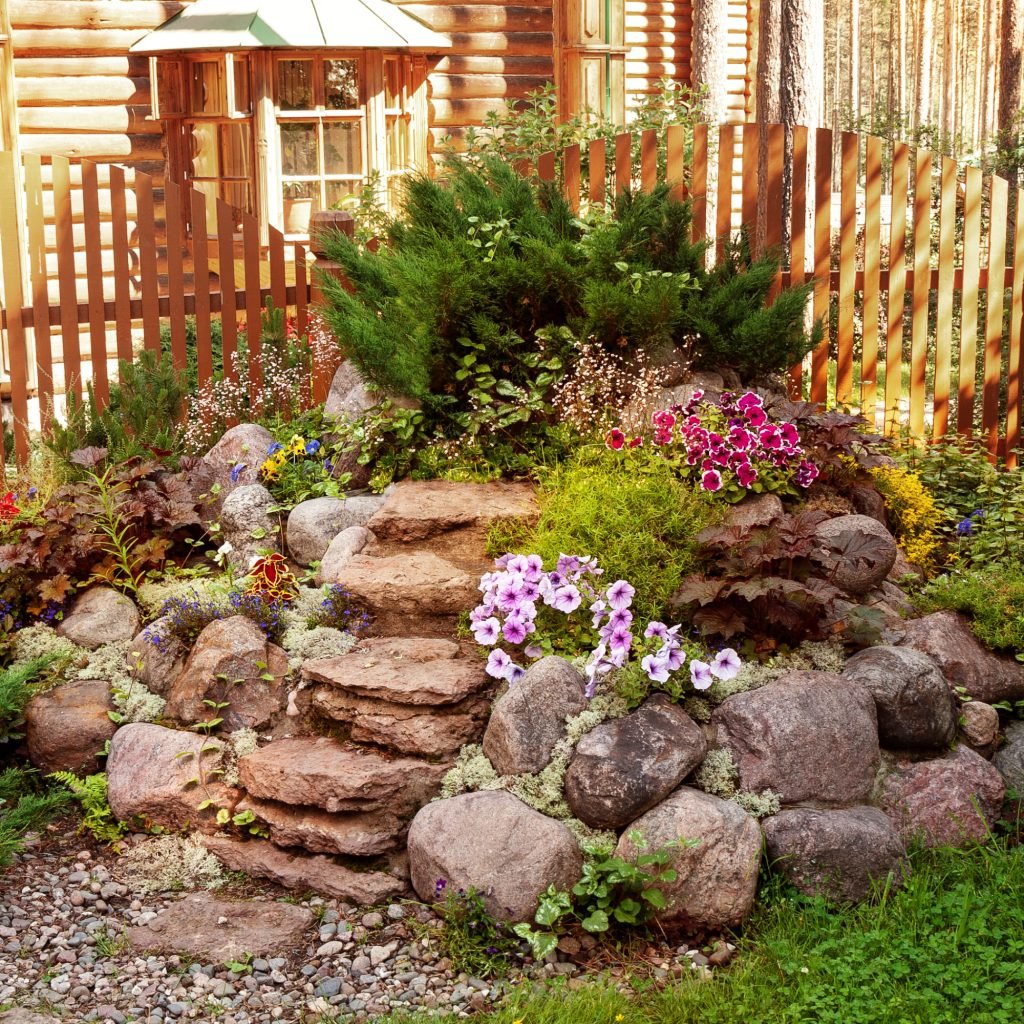
Selecting the right materials is crucial for durability and style. Consider factors like climate, budget, and the existing aesthetics of your home. Natural stone, brick, and concrete are popular choices, each offering unique textures and colors. For example, using natural stone can create an elegant and timeless look, while concrete might offer a modern and cost-effective option. Think about how these materials will age and blend with your garden’s colors. Make sure the materials you choose can withstand local weather conditions.Integrating With Softscape
Harmonizing hardscaping with your plants creates a cohesive garden design. Consider the colors, shapes, and textures of your plants when planning your hardscape layout. This integration can highlight your garden’s natural features. Use pathways to lead the eye to your favorite plants or a seating area. Retaining walls can also create levels, adding depth and interest to your garden. Remember, hardscaping should enhance, not overpower, your plant life.Diy Vs. Professional Help
Deciding whether to tackle hardscaping yourself or hire professionals depends on your skills, budget, and time. DIY projects can be rewarding and cost-effective if you enjoy hands-on work and have a clear plan. However, some projects may require technical expertise, such as installing drainage systems or building complex structures. Hiring a professional can save time and ensure a polished finish, but it comes at a higher cost. Weigh the pros and cons based on your personal circumstances and desired outcomes. Are you ready to embark on your hardscaping journey? Consider these aspects carefully, and your garden will become a beautiful extension of your home.Seasonal Maintenance
Regular seasonal maintenance helps in keeping a landscape garden design thriving. Trim plants, clean garden beds, and refresh soil. Prepare for changing weather by checking irrigation systems and protecting delicate plants.
Seasonal Maintenance is the backbone of a thriving landscape garden design. It ensures your garden remains vibrant throughout the year, adapting to the unique needs of each season. Let’s dive into the essential tasks that will keep your garden flourishing.Pruning And Trimming
Regular pruning and trimming enhance plant health and aesthetics. As seasons change, plants can become overgrown, blocking sunlight from reaching other parts of your garden. Trim back dead branches and shape shrubs to encourage healthy growth and airflow. Invest in quality pruning tools. Sharp tools make clean cuts, reducing the risk of disease. Remember to sanitize your tools between cuts to prevent spreading infections.Soil And Fertilization
Healthy soil is the foundation of a robust garden. Each season demands a different approach to soil care. In spring, enrich your soil with organic compost to prepare for new growth. Consider a soil test to understand nutrient deficiencies. Adjust your fertilization strategy based on the results, ensuring your plants receive the right balance. Mulching can also help retain moisture and suppress weeds.Pest And Disease Control
Changing seasons can bring new pests and diseases. Early detection is crucial. Regularly inspect your plants for signs of trouble, such as discolored leaves or unusual spots. Use eco-friendly pest control options. Neem oil and insecticidal soap are effective against many pests without harming beneficial insects. Encourage natural predators like ladybugs to maintain a healthy ecosystem. Are you keeping up with your garden’s seasonal needs? The effort you put into maintenance now will reward you with a beautiful, thriving space all year round.Frequently Asked Questions
What Is Landscape Garden Design?
Landscape garden design is the art of arranging outdoor spaces for beauty and functionality. It involves planning layouts, selecting plants, and choosing materials. This design process aims to create a harmonious and sustainable environment. It enhances the aesthetic appeal and usability of gardens and outdoor areas.
How To Start A Landscape Design?
Begin by assessing your garden’s current layout and soil conditions. Identify the purpose of the space, such as relaxation or entertainment. Sketch a rough plan, considering plant types, paths, and seating areas. Research suitable plants for your climate and consider hiring a professional for complex designs.
What Are Essential Elements Of Garden Design?
Essential elements include layout, scale, and plant selection. Balance hardscapes like paths and patios with softscapes such as plants and lawns. Consider focal points, color schemes, and seasonal changes. Ensure that all elements work harmoniously to create a cohesive and functional outdoor space.
How To Choose Plants For Your Garden?
Select plants based on your climate, soil type, and garden style. Consider the sunlight availability and water needs. Opt for a mix of perennials and annuals for year-round interest. Research native plants as they often require less maintenance and support local wildlife.
Conclusion
Creating a beautiful garden takes planning and patience. Start by sketching your ideas. Choose plants that suit your climate and soil. Arrange them thoughtfully for balance and harmony. Consider color, texture, and height for variety. Keep pathways clear and inviting.
Use mulch and stones for a finished look. Remember, maintenance is key to a thriving garden. Regular watering, pruning, and weeding ensure lasting beauty. Enjoy the process and watch your landscape transform. Your garden will soon be a peaceful retreat.
Embrace the joy of gardening and nature’s wonders.