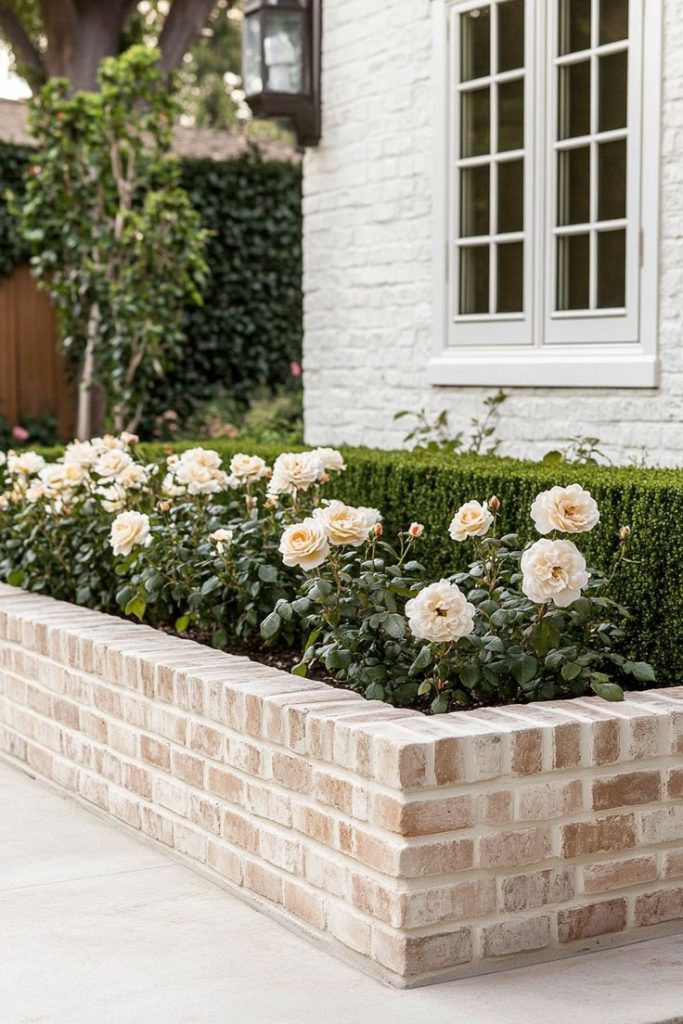
Imagine stepping into your garden and being greeted by neat, beautiful edges that make your flowerbeds pop. A well-designed brick garden edge can transform any outdoor space, giving it a polished look while keeping your flowerbeds tidy.
Are you ready to create a charming border that not only enhances the beauty of your garden but also adds value to your home? We’ll walk you through the simple steps to designing the perfect brick garden edge for your flowerbed.
You’ll discover tips and tricks that will make your garden the envy of the neighborhood. Dive in and find out how you can turn a simple outdoor project into a stunning garden masterpiece.
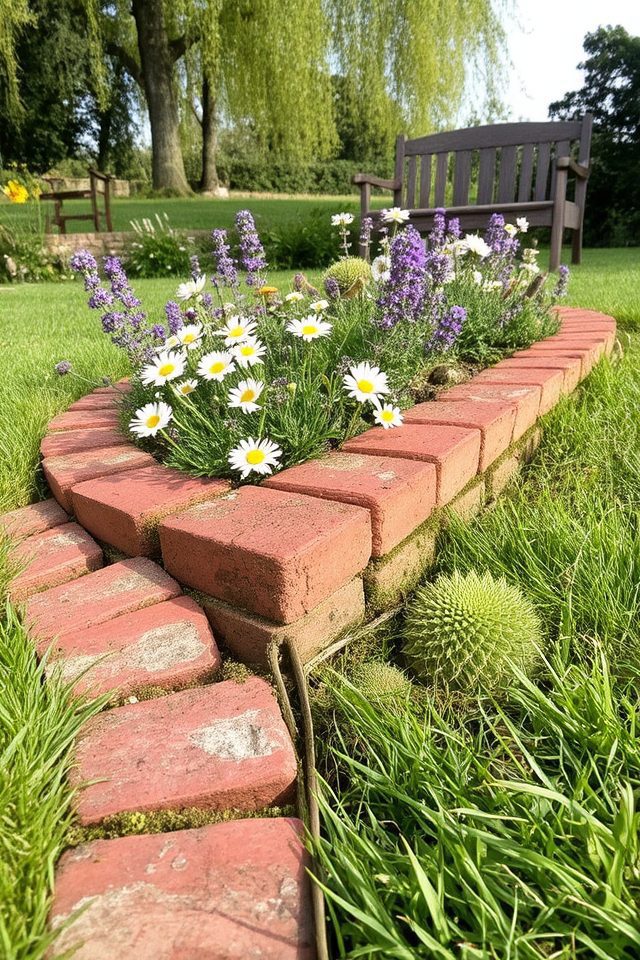
Credit: www.greenwashingindex.com
Planning Your Brick Garden Edge
Designing a brick garden edge in a flowerbed requires creativity and planning. Choose bricks that complement your garden’s theme, and arrange them in a neat line for a polished look. This simple touch adds definition and elegance to your garden space.
Planning your brick garden edge is a crucial step that sets the tone for the entire project. Imagine walking through your garden and being greeted by a neatly defined flowerbed. A brick edge not only adds charm but also keeps plants organized and prevents soil erosion. Yet, how do you ensure this enhancement fits seamlessly into your space? Let’s explore some key considerations.Choosing The Right Location
Selecting the ideal location for your brick garden edge is more than just aesthetics. Consider where the sunlight hits your garden. Do certain areas get more shade? Use your garden’s natural lighting to create a backdrop that highlights your flowers. Think about accessibility. Will your edge disrupt foot traffic or enhance the flow? Choose a spot that complements your garden’s layout while offering easy maintenance.Assessing The Soil And Terrain
Understanding your soil is pivotal for a successful garden edge. Is your soil sandy, clayey, or loamy? Each type requires different handling. Sandy soil might need extra stabilization for bricks, while clay can offer a sturdy foundation. Evaluate the terrain. Is it flat or sloped? A flat terrain is straightforward, but a slope might require creative solutions like tiered edges. Consider drainage too—ensuring water flows away from your flowers will prevent unwanted pooling.Determining The Purpose And Style
What do you aim to achieve with your brick edge? Is it purely decorative, or does it serve a functional purpose like preventing grass encroachment? Defining your purpose will guide your design choices. Style is equally important. Do you prefer a rustic look with aged bricks or a modern appearance with sleek, uniform pieces? Your choice should reflect your personal taste and the overall aesthetic of your garden. Remember, your garden is an extension of your home, so let your personality shine through.Materials And Tools Needed
Designing a brick garden edge in a flowerbed requires the right materials and tools. This ensures a neat and durable finish. Understanding the essentials can help streamline the process and enhance your garden’s aesthetics. Below, we outline the necessary components for creating a stunning brick edge.
Selecting Quality Bricks
Quality bricks form the foundation of a robust garden edge. Choose bricks with uniform size and shape. Opt for weather-resistant bricks to withstand outdoor conditions. Red or brown bricks often blend well with garden settings. Inspect each brick for cracks or chips before purchasing.
Essential Tools For Installation
A few essential tools are necessary for a smooth installation. A shovel is needed to dig trenches for the bricks. Use a level to ensure even placement. A rubber mallet helps in gently positioning the bricks. A trowel is useful for smoothing the mortar between bricks.
Additional Materials For Stability
Additional materials can enhance the stability of your brick edge. Sand or gravel can create a solid base under the bricks. Mortar can secure bricks together, preventing shifting. Landscape fabric can prevent weed growth beneath the edge. Use these materials to ensure a lasting garden edge.
Preparing The Flowerbed
Design a brick garden edge by first outlining the desired shape. Dig a shallow trench along the outline. Lay bricks in the trench, ensuring they fit snugly together.
Preparing your flowerbed is essential for a beautiful brick garden edge. Proper preparation ensures stability and a neat appearance. Follow these steps to get your flowerbed ready for a stunning transformation.Clearing And Leveling The Ground
Start by removing any debris or plants from the edge area. Use a garden spade or hoe for easy clearing. Make sure the ground is clean and obstacle-free. Next, level the ground to create a smooth base. Use a rake to remove bumps or dips. A flat surface ensures even brick placement.Marking The Edge Layout
Outline your garden edge using a garden hose or string. Visualize the design to ensure it meets your vision. Adjust the layout if necessary. Mark the desired line with landscape spray paint or stakes. This guide helps keep your bricks straight and aligned.Creating A Trench For Bricks
Dig a trench along the marked line. Make it wide enough for the bricks and deep enough for stability. Use a shovel to maintain consistent depth. A well-dug trench prevents bricks from shifting over time. Smooth the trench bottom with a tamper or board. This step ensures a firm foundation for your garden edge.
Credit: www.angi.com
Installing The Brick Edging
Designing a brick garden edge enhances flowerbeds beautifully. Arrange bricks neatly, ensuring alignment and stability. Choose colors that complement your garden’s theme for a cohesive look.
Creating a brick garden edge for your flowerbed can enhance its aesthetic appeal and keep your garden looking tidy. The process of installing brick edging is not just about placing bricks; it involves ensuring that they are securely fitted and perfectly aligned. The rewards of a well-installed brick edge include a more structured garden and easier maintenance.Arranging Bricks For Best Fit
Start by laying out your bricks along the edge of your flowerbed to get an idea of how they will fit. This is your chance to play around with the arrangement to ensure an even and visually pleasing look. Consider any curves or angles in your garden. Adjust the bricks accordingly, so they snugly follow the lines of your flowerbed. You may need to cut some bricks to fit corners or curves perfectly.Securing Bricks In Place
Once you’ve arranged the bricks, it’s time to secure them. Begin by digging a shallow trench where the bricks will sit. The trench should be deep enough for the bricks to sit flush with the ground or slightly above, based on your preference. Place each brick into the trench, ensuring that they are tightly packed together. You can use a rubber mallet to gently tap each brick into place. This will keep them from moving and create a solid edge.Ensuring Stability And Alignment
Stability and alignment are key to a professional-looking brick edge. Use a level to check that each brick is even with its neighbors. Uneven bricks can disrupt the look and function of your garden edge. For added stability, consider adding a layer of sand or gravel at the bottom of your trench before placing the bricks. This can help with drainage and prevent the bricks from shifting over time. Have you ever noticed how a slightly crooked line can draw your eyes away from the beauty of a garden? Spending a little extra time on alignment ensures your flowerbed remains the focal point. By focusing on these steps, you’re not just building a garden edge; you’re creating a frame that showcases the beauty of your plants.Finishing Touches
Consider aligning bricks along the flowerbed edge for a neat finish. Select bricks that complement the garden’s colors and style. Secure them in place with soil or mortar for stability.
Designing a brick garden edge for your flowerbed adds a touch of elegance and functionality to your outdoor space. After laying the bricks, it’s crucial to focus on the finishing touches to ensure a polished and long-lasting result. These final steps not only enhance the visual appeal but also maintain the structural integrity of your garden edge.Filling Gaps With Soil Or Sand
Once the bricks are in place, you may notice small gaps between them. Filling these gaps is essential to secure the bricks and prevent them from shifting. Use soil or sand as a filler, depending on the look you prefer. Gently press the filler into the gaps using a trowel or your hands. This helps to lock the bricks in place. If you opt for sand, consider using polymeric sand, which hardens when wet, providing extra stability.Adding Decorative Elements
Want to elevate the aesthetic of your brick garden edge? Consider adding decorative elements that complement your flowerbed. You can line the top of the bricks with small pebbles or colored stones for a contrasting texture. Planting low-growing flowers or herbs along the edge can also add a splash of color. Personalize the design by incorporating garden ornaments like solar lights or miniature statues.Maintaining The Brick Edge
To keep your brick edge looking sharp, regular maintenance is key. Inspect the edge periodically for any displaced bricks or signs of wear. Reseal any loosened bricks with additional filler. Keep the area free of weeds and debris to prevent damage. A quick sweep along the edge with a broom can do wonders. How often do you tend to your garden edges? Consistent care will extend the life of your beautiful brick design.Troubleshooting Common Issues
Designing a brick garden edge in a flowerbed involves precise planning. Ensure bricks are level and securely placed. Address drainage by aligning bricks slightly higher than the soil.
Designing a brick garden edge in a flowerbed can elevate your landscape’s charm. Yet, problems may arise, disrupting your garden’s aesthetics. Identifying and addressing these issues early ensures your flowerbed remains appealing and functional. Let’s explore some common troubleshooting areas.Dealing With Uneven Surfaces
Uneven ground can cause bricks to tilt or sink. Start by leveling the soil where you plan to lay bricks. Use a shovel or rake for smoothing. Consider adding a layer of sand or gravel for stability. This will help create a firm base for the bricks. Check the level frequently using a spirit level.Preventing Brick Shifting
Bricks may shift over time due to soil movement. To prevent this, ensure each brick is snugly in place. Use a rubber mallet to tap bricks into position. Applying landscape adhesive between bricks can add extra security. Compact the soil around the bricks to minimize movement.Repairing Damaged Edges
Brick edges might crack or break. Regular inspection can help catch damage early. Replace broken bricks promptly to maintain your garden’s look. Remove the damaged brick carefully without disturbing the surrounding ones. Slide a new brick into place, ensuring a tight fit. Use landscape adhesive to secure the replacement brick.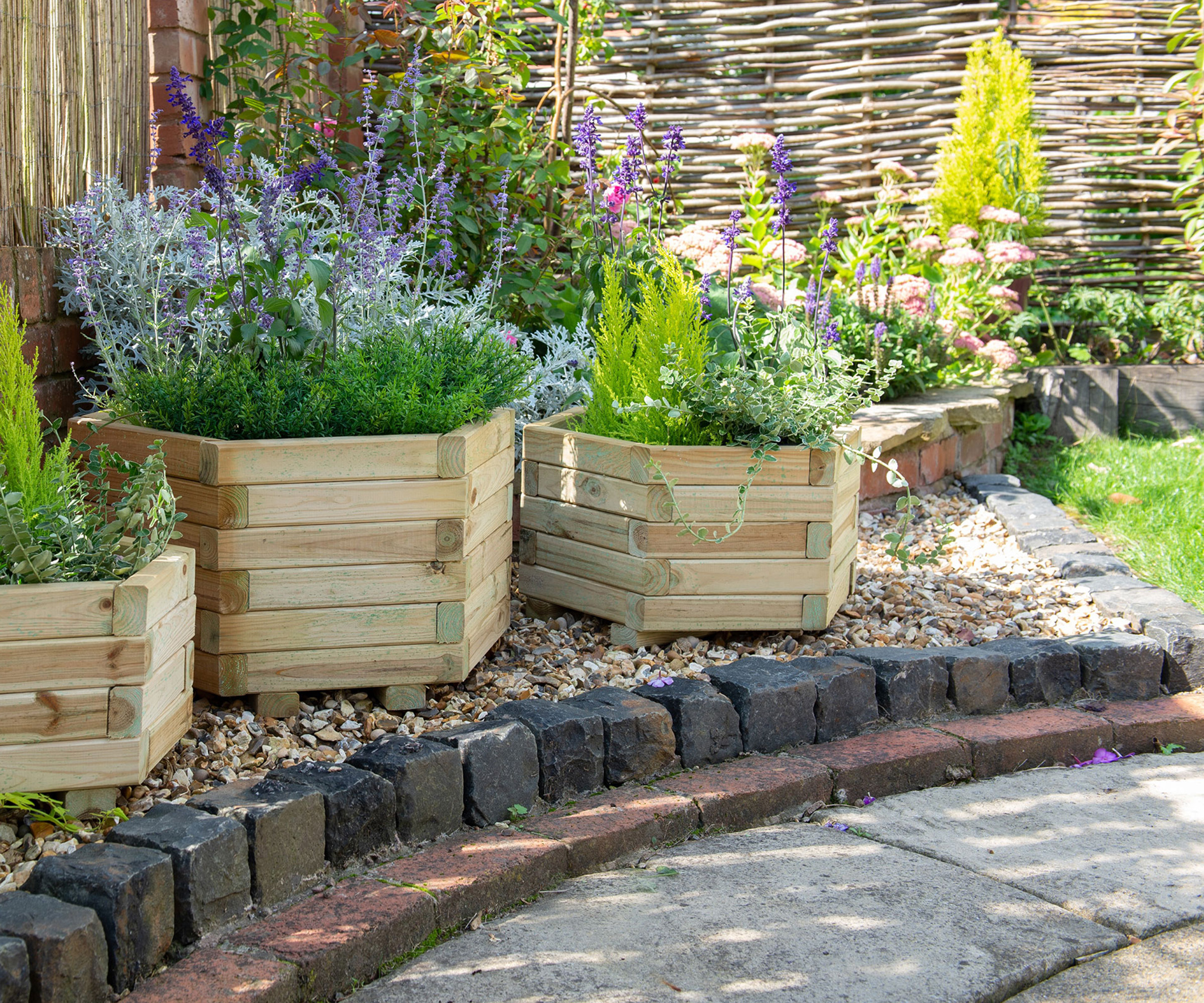
Credit: www.homebuilding.co.uk
Frequently Asked Questions
How Do I Start Designing A Brick Garden Edge?
Begin by measuring the flowerbed to determine the length needed. Choose the type and color of bricks that complement your garden. Prepare the area by clearing debris and leveling the soil. Lay out the bricks in your desired pattern, ensuring they fit snugly together.
What Tools Do I Need For A Brick Garden Edge?
You’ll need a shovel, trowel, rubber mallet, and level. A tape measure is essential for accurate measurements. A wheelbarrow can help transport bricks and materials. Safety gloves are also recommended to protect your hands while working.
How Deep Should I Dig For A Brick Edge?
Dig a trench about 4-6 inches deep to accommodate the bricks. This depth ensures stability and keeps the bricks in place. Add a layer of sand or gravel for drainage. Level the base before laying the bricks for a professional finish.
Can I Use Recycled Bricks For My Garden Edge?
Yes, recycled bricks are an eco-friendly option. Ensure they are clean and free from major cracks. Check for uniformity in size to ensure a neat appearance. Recycled bricks add character and a rustic charm to the garden edge.
Conclusion
Creating a brick garden edge transforms your flowerbed beautifully. It’s both functional and stylish. Brick edges keep soil in place, maintaining a neat look. With careful planning, you achieve a charming border. Choose bricks that match your garden theme. Measure space accurately for a snug fit.
Use sand as a base for stability. Lay bricks evenly for a polished finish. Regular maintenance keeps them looking fresh. Design choices reflect personal style. Enjoy a garden that’s elegant and organized. Your flowerbed becomes a focal point. Simple steps lead to lasting beauty.
Embrace the art of garden edging today!







