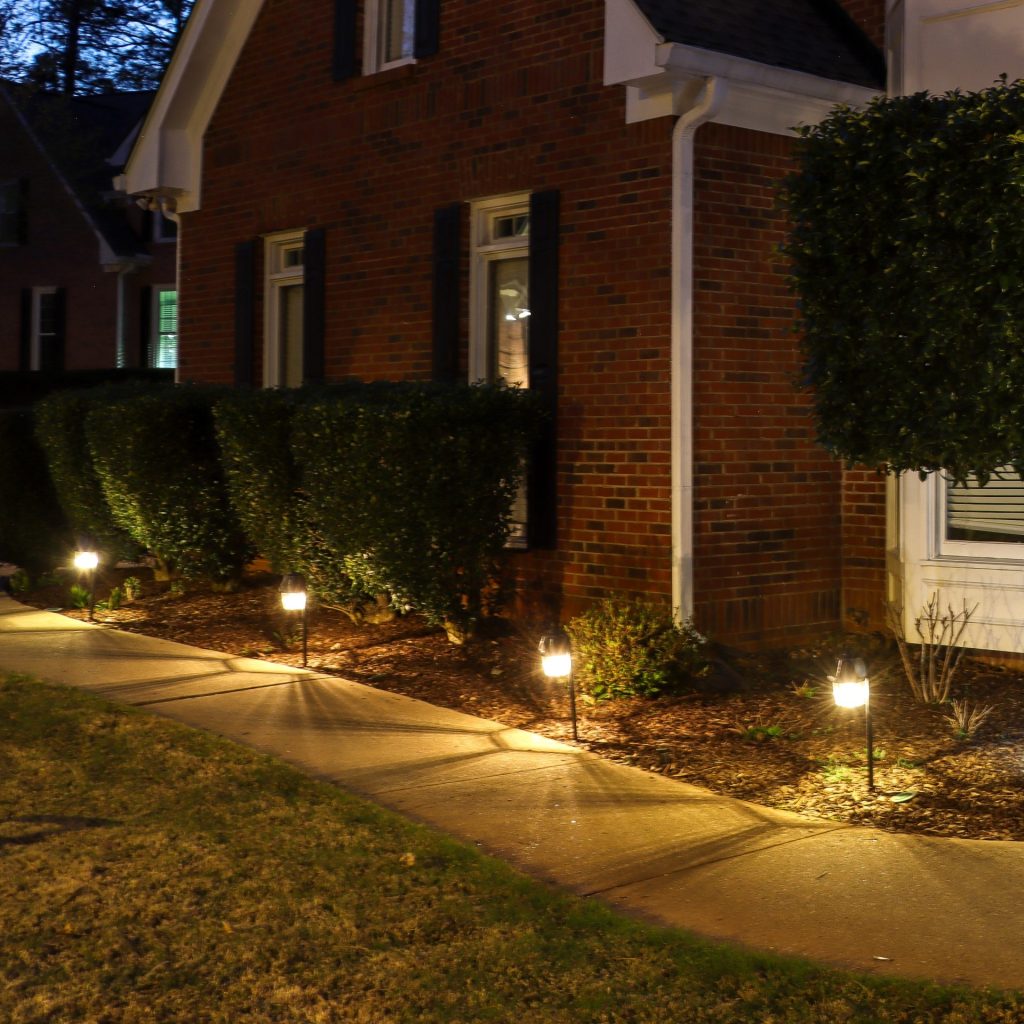
Imagine stepping into your garden at dusk, where the soft glow of solar lights illuminates your walkway, creating a magical ambiance. This isn’t just about lighting; it’s about transforming your outdoor space into a serene sanctuary.
You want your garden to be more than just a patch of greenery; it should be a place where you can relax, entertain, and enjoy the beauty of nature. By strategically placing solar lights along your garden walkway, you not only enhance the safety and functionality of your path but also elevate the aesthetics of your landscape design.
Are you ready to discover how you can effortlessly blend practicality with beauty in your garden? Let’s delve into the secrets of placing solar lights that will captivate your senses and make your garden walkway a beacon of elegance and charm. Keep reading to uncover tips that will make your garden the envy of the neighborhood.
Choosing The Right Solar Lights
Choosing the right solar lights for your garden walkway can transform your outdoor space into an enchanting haven. With a plethora of options available, it’s essential to select solar lights that not only illuminate but also enhance your landscape design. Let’s delve into some key aspects to consider when making your choice.
Types Of Solar Lights
Solar lights come in various types, each serving a unique purpose. Consider path lights for lining walkways, spotlight solar lights for highlighting specific features, or decorative lanterns for adding charm. Think about how you want your garden to look at night. Are you aiming for a dramatic effect or a subtle glow?
Brightness And Efficiency
Brightness is crucial. You don’t want your garden to look like a runway, but it should be bright enough to ensure safe passage. Look for lights with adjustable brightness levels. Efficiency matters too. Check the lumens rating; higher lumens mean brighter lights. How energy-efficient are the lights? The more efficient, the longer they’ll last.
Weather Resistance
Weather can be unpredictable, and your solar lights need to withstand various conditions. Opt for lights with waterproof ratings, especially if you live in an area with frequent rain. UV-resistant materials are a bonus, ensuring that your lights won’t fade under the sun. Can your chosen solar lights endure the elements and keep shining bright?
Assessing Your Garden Walkway
Illuminate your garden walkway by strategically placing solar lights. Choose spots along the path that receive direct sunlight during the day. Consider the distance between lights to ensure an even glow at night, enhancing safety and ambiance.
Assessing your garden walkway is the first step in placing solar lights effectively. Understanding your garden’s layout is crucial. This ensures optimal lighting and enhances your landscape’s beauty. Let’s explore how to assess your walkway for the best results.Identifying Key Areas
Identify areas that need lighting the most. Focus on entry points and curves. Light these spots for safety and aesthetics. Consider areas with steps or uneven ground. These need extra attention to prevent accidents.Considering Walkway Design
Your walkway’s design affects light placement. Wide paths may need more lights. Narrow paths might need fewer. Note the walkway’s length and shape. This helps in deciding light spacing and quantity.Evaluating Sun Exposure
Evaluate sun exposure for each part of the walkway. Solar lights need sunlight to charge. Place lights in areas that receive ample sun. Check for shadows from trees or structures. Avoid placing lights in shaded areas. This ensures they charge fully and function well. By assessing your garden walkway, you set the foundation for effective solar lighting. This enhances both safety and beauty in your landscape.Planning The Light Placement
Position solar lights along the garden walkway to enhance safety and beauty. Place them at equal intervals for balanced illumination. Consider plant heights and walkway width to ensure effective light distribution without obstructions.
Planning the placement of solar lights in your garden walkway is crucial for achieving a harmonious blend of aesthetics and functionality. The right placement not only highlights the beauty of your landscaping but also ensures safety during nighttime strolls. Careful consideration of spacing, height, and potential obstructions can transform your garden into a magical evening retreat.Spacing Guidelines
Proper spacing of solar lights can dramatically impact the overall appearance of your walkway. If lights are too close, they can create an overpowering glare; too far apart, and you may end up with dark patches that defeat their purpose. A practical approach is to space lights at intervals of about 6 to 8 feet. This distance often allows for an even distribution of light, creating a welcoming path. Think about how you want your garden to feel—do you prefer a bright, well-lit path or a softer, more intimate ambiance?Height Considerations
The height at which you place your solar lights can greatly affect their effectiveness. Typically, garden solar lights are designed to stand between 1 to 3 feet tall. This height is ideal for illuminating the pathway without casting unwanted shadows. However, if your plants are taller, consider using adjustable height lights that can rise above the foliage. This adjustment ensures that the light is not obstructed by plant growth and continues to illuminate your path effectively.Avoiding Obstructions
Obstructions can significantly diminish the performance of solar lights. Before installation, survey your garden for potential barriers such as overgrown plants, garden furniture, or decorative elements. These can block the light and impede solar panel efficiency. If you’ve ever found a light unexpectedly dim, check for shadows cast by nearby objects. It’s crucial to keep the solar panels clean and free from debris to maintain optimal performance. By thoughtfully planning your solar light placement, you’ll not only enhance the beauty of your garden but also ensure practical illumination for safe navigation. Are there areas in your garden where lighting could be improved?
Credit: genzryan.com
Installation Process
Solar lights offer a beautiful touch to garden walkways. They are also energy efficient. With a simple installation, your garden can shine at night. Let’s explore the installation process.
Preparing The Ground
First, choose the right spots for your solar lights. Ensure they receive sunlight during the day. Remove any debris or rocks from the area. This ensures the lights sit flat. Mark the spots where each light will go. You can use small stakes or flags.
Securing The Solar Lights
Insert the stakes of the solar lights into the ground. Push them down gently. If the ground is hard, moisten it with water. This makes insertion easier. Ensure the lights stand upright. Check their stability by lightly wiggling them. Adjust if necessary.
Testing The Setup
After securing the lights, test them. Cover the solar panel to simulate night. Check if the lights turn on. If they do not, ensure the switch is on. Solar lights have an on/off switch. If needed, reposition them for better sun exposure. Once confirmed, enjoy the illuminated path.
Maintenance Tips
Place solar lights along garden walkways by spacing them evenly for consistent illumination. Position lights at varied heights to create depth and interest. Ensure solar panels receive direct sunlight for optimal charging.
Maintaining solar lights in your garden walkway ensures they shine bright. Regular care enhances their lifespan and efficiency. Here are some essential maintenance tips to keep your solar lights in top condition.Cleaning Solar Panels
Dust and debris can block sunlight. Clean solar panels regularly for optimal performance. Use a soft cloth or sponge with mild soap. Avoid harsh chemicals that can damage the panels. Rinse with water and let them dry naturally.Battery Replacement
Solar light batteries lose efficiency over time. Replace them every 1-2 years for consistent performance. Use the same type and capacity for replacement. Ensure the batteries are fully charged before using them.Troubleshooting Common Issues
Sometimes solar lights dim or fail to turn on. Check for obstructions blocking the sunlight. Inspect the connections and ensure they are secure. Replace faulty batteries or solar panels if needed.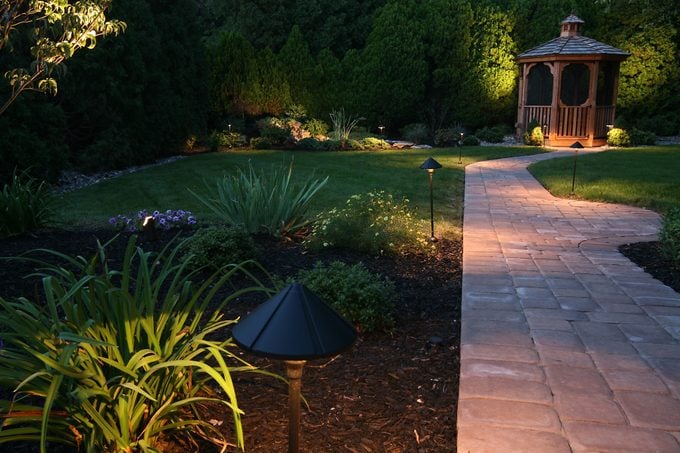
Credit: www.familyhandyman.com
Enhancing Aesthetic Appeal
Solar lights bring charm to garden walkways. Place them strategically along paths to highlight curves and edges. Ensure they are spaced evenly for consistent lighting and aesthetics.
Enhancing Aesthetic Appeal Solar lights can transform your garden walkway into a captivating nighttime landscape. They not only illuminate your path but also enhance the overall aesthetic appeal of your outdoor space. Imagine walking through a beautifully lit garden with a soft glow that highlights the features of your landscape.Complementing Landscape Design
Solar lights should blend seamlessly with your existing garden design. Consider the colors and textures in your landscape; choose solar lights that complement these elements. If your garden features rustic stone paths, opt for lights with earthy tones. Mixing and matching different styles can create a visually appealing contrast. A modern garden might benefit from sleek, minimalist solar lights, while a traditional garden can be accentuated with vintage-inspired lamps.Using Decorative Options
Solar lights come in various designs that can serve as decorative pieces during the day. Think of lights shaped like flowers or lanterns that add charm even when they’re not lit. These decorative options can become focal points in your garden, drawing attention to specific areas. Why not experiment with different heights and positions? A cluster of low-lying lights around a flower bed, paired with taller ones near a tree, can create layers of interest in your garden.Integrating With Other Lighting
Combining solar lights with other lighting options can create a dynamic and layered lighting effect. Consider using string lights around your patio or deck area for a cozy ambiance. You might also integrate spotlights to highlight specific features like a statue or water fountain. This mix can create depth and dimension, making your garden walkway a magical place to explore after dark. Think about how your lighting choices will work together. Will they complement each other or clash? By ensuring harmony among your lighting elements, you can achieve a cohesive and stunning outdoor illumination.
Credit: www.gardenreet.com
Frequently Asked Questions
How To Choose Solar Lights For Garden Paths?
Choosing the right solar lights involves considering brightness, style, and durability. Look for weather-resistant materials suitable for outdoor use. Opt for LED lights for energy efficiency and longer lifespan. Assess your garden’s layout and select lights that complement the design while providing ample illumination for safety.
Can Solar Lights Work In Shaded Areas?
Solar lights can work in shaded areas, but performance may vary. Ensure solar panels receive adequate sunlight during the day for optimal charging. Consider placing solar lights in areas with partial sunlight or use higher-capacity solar panels to maximize efficiency.
Regularly check and clean panels for better energy absorption.
What Is The Best Placement For Solar Lights?
Place solar lights along pathways, borders, and focal points to enhance visibility and aesthetics. Ensure they’re spaced evenly for consistent illumination. Consider areas that receive ample sunlight during the day for efficient charging. Avoid placing lights where they may cause glare or obstruct views.
How To Maintain Solar Garden Lights?
Maintaining solar lights involves regular cleaning of solar panels and checking battery performance. Remove debris and dust to ensure optimal energy absorption. Replace batteries annually or as needed to maintain performance. Inspect light fixtures for damage and make necessary repairs to ensure longevity.
Conclusion
Solar lights enhance garden walkways beautifully. Easy to install. No wires needed. Place them along paths. Highlight plants and trees. Choose durable lights for long-lasting use. Solar lights save energy. Eco-friendly choice. They create a warm, inviting atmosphere. Perfect for evening strolls.
Consider light placement carefully. Ensure even illumination. Avoid overcrowding. Use different styles and heights. Mix and match for variety. Solar lights transform gardens. Enjoy outdoor spaces at night. Make your garden glow. Simple steps make a big difference. Your garden will shine brightly.







