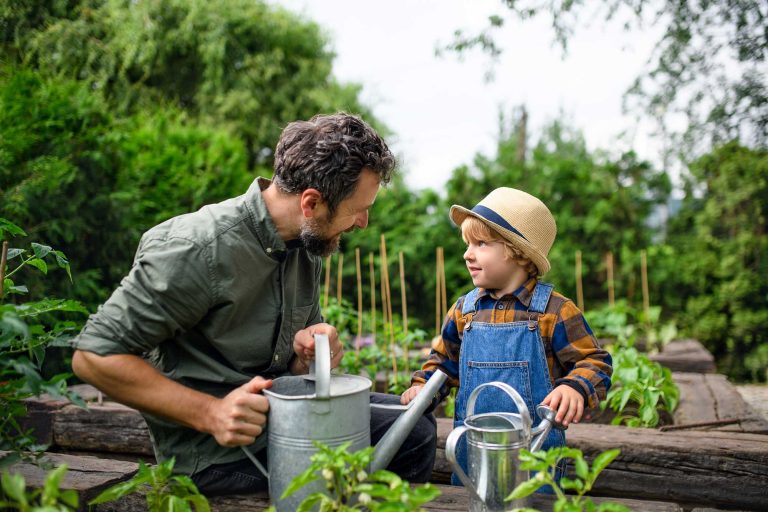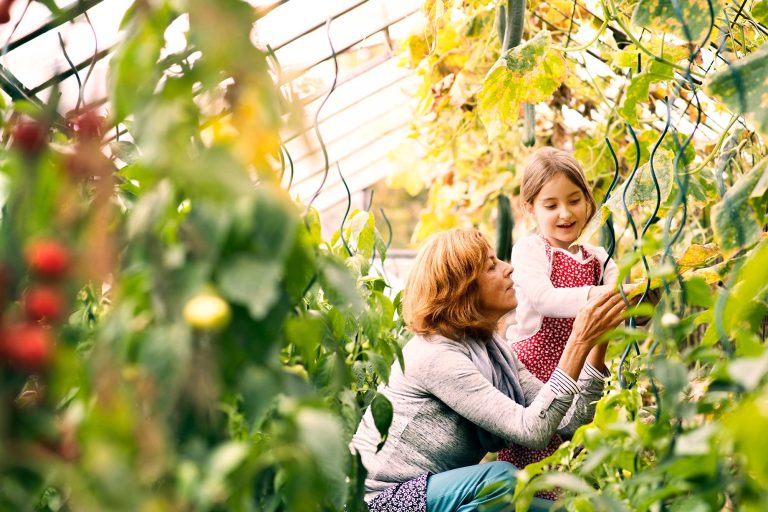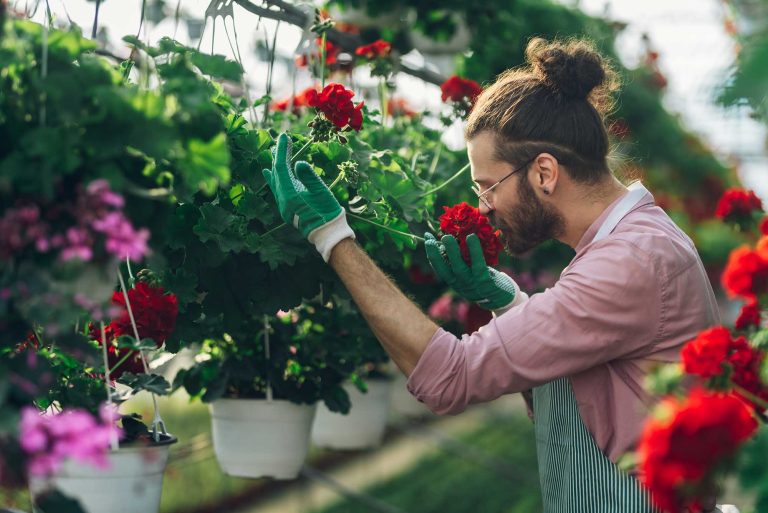
Are you dreaming of lush greenery and vibrant blooms right at your doorstep? Whether you have a sprawling backyard or a cozy apartment balcony, starting an indoor-outdoor garden might be easier than you think.
Imagine the joy of picking fresh herbs for your dinner or watching your favorite flowers bloom, all within arm’s reach. This guide will show you how to seamlessly blend the comforts of indoor gardening with the natural beauty of the outdoors, creating a personal oasis that caters to your unique space and style.
Dive in, and discover how you can transform any area into a thriving garden sanctuary that not only enhances your home but also nourishes your soul. Stay with us, and let’s cultivate your green thumb together!
Choosing The Right Location
Choosing the right spot for your indoor-outdoor garden is crucial. Ensure it receives ample sunlight and has good drainage. Consider accessibility for easy maintenance and care.
Choosing the right location for your garden is crucial. It affects plant growth and health. Whether you’re gardening indoors or outdoors, location plays a key role. Each space has unique requirements that should be considered.Indoor Space Considerations
Indoor gardening requires thoughtful planning. Natural light availability is essential. Choose spots near windows with good sunlight. If sunlight is limited, consider using grow lights. Temperature control is vital for plant health. Avoid placing plants near heaters or air conditioners. Humidity levels can affect plant growth. Use humidifiers if the air is too dry. Space constraints must be considered. Use shelves or vertical gardens to maximize space.Outdoor Space Essentials
Outdoor gardens need ample sunlight. Choose areas with at least 6 hours of sun daily. Soil quality is critical for plant growth. Test soil to ensure it’s suitable for your plants. Water access is important. Ensure easy access to water sources. Wind exposure can damage plants. Select areas shielded from strong winds. Consider the garden’s proximity to your home. This makes maintenance easier and more convenient.Selecting Suitable Plants
Selecting suitable plants for your indoor and outdoor garden involves considering light, space, and climate needs. Choose low-light plants for shaded areas and sun-loving varieties for brighter spots. Always match plants to your local climate for the best growth results.
Selecting the right plants is key for a thriving indoor-outdoor garden. Each plant has unique needs and characteristics. Consider light, humidity, and temperature for indoor plants. Outdoor plants face different challenges like weather conditions and pests. Choosing suitable plants enhances your gardening experience.Plants For Indoor Gardens
Indoor plants thrive in controlled environments. Some popular choices include:- Snake Plant:Needs little water, tolerates low light.
- Spider Plant:Grows well in indirect sunlight.
- Pothos:Easy to care for, purifies air.
- Peace Lily:Prefers shade, blooms indoors.
- Succulents:Require minimal watering, love sunlight.
Plants For Outdoor Gardens
Outdoor gardens offer more space and sunlight. Ideal plant choices include:- Tomatoes:Love sun, need regular watering.
- Lavender:Thrives in sunny spots, drought-tolerant.
- Marigolds:Deter pests, bloom brightly.
- Roses:Need sunlight, regular pruning.
- Zinnias:Withstand heat, attract butterflies.
Gathering Necessary Tools
Starting an indoor-outdoor garden is an exciting journey. To make it successful, gathering the right tools is crucial. The tools you choose can significantly affect the growth and health of your plants.
Tools For Indoor Gardening
Indoor gardening requires a slightly different set of tools. You might be surprised by how accessible and simple these tools can be.
- Pots and Containers:Choose ones with good drainage to prevent root rot. Use sizes that fit your plant’s growth needs.
- Grow Lights:If natural light is scarce, LED grow lights can provide the necessary spectrum for plant growth.
- Humidity Tray:Keep the moisture level ideal, especially for tropical plants.
- Hand Tools:A small trowel and scissors are perfect for indoor gardening tasks.
- Watering Can:Opt for a can with a narrow spout for precision.
Do you have a favorite spot in your home where sunlight streams in? This is a great place for your indoor plants.
Tools For Outdoor Gardening
Outdoor gardening opens up a whole new set of possibilities but demands more robust tools.
- Garden Fork:Essential for turning soil and aerating it for healthy roots.
- Spade:Useful for digging and moving soil. Look for one with a sturdy handle.
- Pruning Shears:Keep your plants in shape and promote healthy growth by trimming dead branches.
- Garden Hose:Ensures your plants get enough water, especially during dry spells.
- Wheelbarrow:Makes it easy to transport soil, compost, and tools around your garden.
Have you ever thought about how your garden layout can affect the tools you need? Consider designing pathways to make tool access easier.
By choosing the right tools, you’re setting your garden up for success. What is one tool you think is a must-have for your garden?
Preparing The Soil
Begin by clearing debris and weeds from the area. Mix compost and organic matter into the soil. Ensure good drainage for healthy plant growth.
Preparing the soil is a crucial step in starting your indoor-outdoor garden. The right soil mix can make or break your gardening efforts. It’s not just about throwing some dirt in a pot or digging a hole in the ground. You need to ensure the soil is rich in nutrients, drains well, and provides the perfect environment for your plants to thrive. Let’s explore how you can prepare soil for both indoor and outdoor gardening.Soil Mix For Indoor Plants
When it comes to indoor gardening, creating the perfect soil mix is essential. Indoor plants often require a lighter, well-draining soil that retains moisture without becoming waterlogged. Consider using a blend of: – Potting soil: Provides structure and nutrients. – Perlite or vermiculite: Enhances drainage. – Coconut coir or peat moss: Retains moisture without compacting. This mix ensures your plants get enough air and water, preventing root rot. Have you ever noticed your indoor plants struggling despite regular watering? It might be the soil mix. Experiment with different proportions to find what works best for your plant types.Optimizing Outdoor Soil
Outdoor soil preparation is a bit different. You need to focus on improving soil structure and nutrient content. Start by testing your soil’s pH level to understand its current condition. Consider these steps:- Add compost:Enhances nutrient content and improves soil texture.
- Use organic fertilizers:Provides essential nutrients for plant growth.
- Consider mulching:Retains moisture and suppresses weeds.
Planting Techniques
Begin your garden journey with simple planting techniques. Choose the right soil and containers for indoor plants. For outdoor gardens, select a sunny spot and prepare the soil well.
Planting techniques are the backbone of any successful indoor-outdoor garden. Mastering these techniques ensures your plants grow robust and healthy, whether they begin life in a cozy windowsill pot or thrive in the great outdoors. Let’s dive into some practical tips that will help you perfect the art of planting.Starting Seeds Indoors
Starting seeds indoors is an excellent way to get a head start on the growing season. Use seed trays or small pots filled with quality potting soil. A sunny windowsill or a grow light will provide the necessary warmth and light for germination. Make sure to plant your seeds at the recommended depth, usually twice the seed’s diameter. Water the soil lightly, ensuring it stays moist but not soggy. Use a spray bottle for gentle watering to avoid disturbing the seeds. Consider labeling your pots. This will save you from guessing which seedlings are which later on. Plus, it’s exciting to watch each labeled pot sprout with life!Transplanting Outdoors
Transplanting seedlings outdoors requires careful timing and attention. Wait until the last frost date has passed to avoid any cold damage to your young plants. Choose a cloudy day or transplant in the late afternoon to reduce transplant shock. Before transplanting, harden off your seedlings by gradually exposing them to outdoor conditions over a week. Start with an hour a day, then slowly increase the time. This helps them adjust to temperature changes and sunlight exposure. Dig a hole twice as wide as the root ball of the plant, ensuring the soil is loose and ready to welcome new roots. Water the seedling in its new home, giving it a good start. Have you ever noticed how plants seem to thrive when you talk to them? Give it a try; you might be surprised at the results!
Credit: www.youtube.com
Watering Strategies
Watering strategies vary for indoor and outdoor gardens. Indoor plants thrive with consistent, moderate watering. Outdoor gardens often require deep watering less frequently to promote root growth. Adjust water based on weather and plant needs for optimal health.
Watering strategies play a vital role in maintaining a healthy garden. Whether indoors or outdoors, understanding effective watering techniques ensures your plants thrive. Each environment requires a unique approach to meet specific needs. Let’s explore how to keep your garden flourishing with the right watering strategies.Indoor Watering Tips
Indoor plants need careful attention to avoid overwatering. Check the soil moisture before watering. Insert your finger about an inch deep into the soil. If it feels dry, it’s time to water. Use room temperature water to prevent shocking the roots. Consider pots with drainage holes to prevent waterlogging. Group plants with similar watering needs together. This simplifies your routine and ensures each plant gets the right amount.Outdoor Irrigation Methods
Outdoor gardens benefit from a structured irrigation system. Drip irrigation delivers water directly to the roots, reducing evaporation. It’s efficient for both small and large gardens. Soaker hoses are another great option. They release water slowly along their length, ensuring even soil saturation. For larger lawns, consider a sprinkler system. Adjust the settings based on the season and weather conditions. Early morning or late afternoon watering reduces water loss from evaporation. Mulching helps retain soil moisture and keeps roots cool. It’s a simple way to support your irrigation efforts.Sunlight And Lighting
Sunlight and lighting play crucial roles in starting an indoor-outdoor garden. Position plants near windows for natural light indoors. Use grow lights to supplement sunlight, ensuring plants thrive in shaded spots.
Sunlight and lighting are the lifeblood of any garden, whether nestled inside your cozy living room or sprawling across your backyard. Understanding how to harness natural light is crucial for your plants to thrive. But what do you do when your space doesn’t get enough sunlight? Do you have alternatives to ensure your plants get the light they crave?Indoor Lighting Solutions
Artificial lighting can be a game-changer for indoor gardening. Not everyone is blessed with large windows that flood their space with sunlight. If you’re in a situation like mine, where the best windows face north, consider investing in grow lights. LED grow lights are energy-efficient and versatile. They mimic natural sunlight, offering a spectrum that supports all growth stages from seedlings to blooming. Hanging a few strategically placed lights can transform a dim corner into a thriving oasis. Don’t overlook the placement. Adjust the height and angle of your lights based on the type of plants you have. Some plants need direct light, while others thrive with a softer touch. Experiment and observe how your plants respond.Maximizing Outdoor Sunlight
Outdoor gardens have the advantage of direct sunlight, but maximizing this resource takes some strategy. Start by observing the sun’s path across your garden. Are there areas that get more sunlight throughout the day? Consider the layout of your garden. Taller plants can provide shade for those that need less sunlight. This natural layering not only optimizes space but also ensures that your sun-loving plants get the light they need. If your garden is small or partially shaded, use reflective surfaces like white walls or light-colored stones to bounce sunlight onto your plants. This simple trick can enhance light exposure without any fancy equipment. Remember, sunlight is vital, but too much can harm some plants. Monitor the sun exposure and adjust accordingly. Your garden will thank you with lush growth and vibrant blooms.Maintaining Plant Health
Starting an indoor-outdoor garden enhances plant health by balancing sunlight and shade. Regular watering and proper soil improve growth.
Maintaining plant health is the cornerstone of a flourishing indoor-outdoor garden. Ensuring your plants remain robust and vibrant requires attention and care. This section will guide you through effective strategies for pest control and disease prevention.Pest Control For Indoor Plants
Indoor plants often face threats from pests like spider mites, aphids, and mealybugs. These tiny invaders can wreak havoc if left unchecked. Regularly inspect your plants for signs of infestation. Look for sticky residue, webbing, or discolored leaves. Use natural solutions like neem oil or insecticidal soap to manage pests. They are safe for indoor use and effective in controlling most common pests. You can also introduce beneficial insects such as ladybugs to help control pest populations naturally. This can be a fun and educational experience for you and your family.Disease Prevention Outdoors
Outdoor plants are susceptible to a variety of diseases caused by fungi, bacteria, and viruses. To prevent these, start with healthy soil and quality seeds or seedlings. Rotate your crops each season to avoid soil-borne diseases. This simple practice can dramatically reduce disease risks. Ensure proper spacing between plants for good air circulation, which helps prevent fungal infections. Overcrowding can create a humid environment that encourages disease. Regularly clean your gardening tools to prevent the spread of pathogens. Ask yourself, when was the last time you sanitized your pruners? Being proactive and attentive to your plants’ needs can make a significant difference. By implementing these strategies, you’ll foster a healthy and thriving garden.Seasonal Care
Seasonal care is crucial for maintaining a thriving indoor-outdoor garden. As the seasons change, your garden needs to adapt to ensure your plants remain healthy and vibrant. Every season presents unique challenges and opportunities, whether it’s adjusting light exposure indoors or prepping your outdoor space for temperature fluctuations.
Indoor Seasonal Adjustments
Indoor plants require different care as the seasons shift. During winter, shorter days mean less sunlight. Consider repositioning your plants closer to windows or using grow lights to simulate sunlight. In summer, watch out for overheating; moving plants away from direct sunlight can prevent scorching.
Humidity levels also vary with seasons. In dry winter months, using a humidifier can keep your plants from drying out. Summer tends to bring higher humidity, so ensure good ventilation to avoid mold growth.
Have you noticed your plant’s growth slowing down in winter? It’s a natural response to reduced light. You might need to adjust watering schedules accordingly, as plants consume less water during dormancy.
Outdoor Seasonal Preparations
Outdoor gardens demand preparation for seasonal changes. Spring is the time for rejuvenation; clear debris, check soil quality, and plant new seeds. As summer approaches, focus on watering strategies. Early mornings or late evenings are ideal times to water, minimizing evaporation.
Autumn calls for pruning and mulching. Pruning prevents diseases and promotes healthy growth, while mulch provides insulation for roots during colder months. Winter requires covering sensitive plants or moving them indoors.
Are you ready for unexpected frosts in early spring or late autumn? Having frost blankets handy can be a lifesaver for your garden. Anticipating seasonal shifts ensures your garden thrives year-round.

Credit: www.youtube.com
Creating A Sustainable Garden
Creating a sustainable garden begins with choosing the right plants for indoor and outdoor spaces. Consider local climate and available light. Use organic soil and natural fertilizers to promote growth.
Creating a sustainable garden is both rewarding and practical. It nurtures the environment while providing fresh produce. Balancing indoor and outdoor practices can optimize your garden’s potential. Let’s explore some techniques that make gardening eco-friendly and sustainable.Eco-friendly Indoor Practices
Choose plants that thrive indoors with minimal resources. Consider succulents or peace lilies. They require less water and care. Use recycled containers for planting. Old jars, cans, or wooden boxes work well. This reduces waste and saves money. Opt for organic soil and natural fertilizers. Compost from kitchen scraps provides nutrients without chemicals. Ensure your plants receive natural light. Place them near windows or use LED grow lights. These consume less energy than traditional bulbs.Sustainable Outdoor Methods
Select native plants for your outdoor garden. They adapt well to local climates and need less water. Implement rainwater harvesting. Collect rain using barrels to water your plants. This conserves water and reduces your utility bill. Use mulch to retain soil moisture and prevent weeds. Organic mulch such as straw or leaves is ideal. Practice crop rotation if growing vegetables. It improves soil health and reduces pests. Create a compost bin for garden waste. Compost enriches soil naturally and minimizes landfill waste.
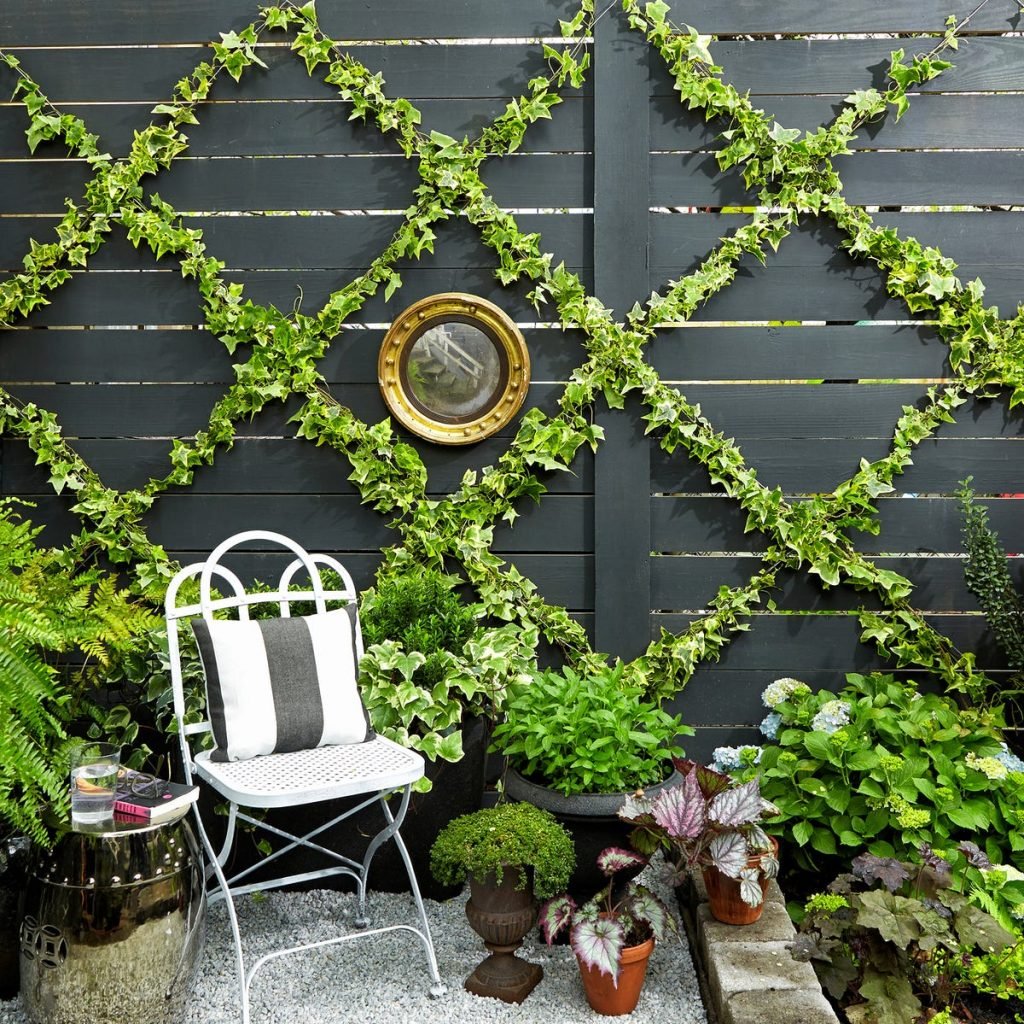
Credit: www.goodhousekeeping.com
Frequently Asked Questions
What Plants Are Best For Indoor Gardens?
Indoor gardens thrive with plants like pothos, snake plants, and peace lilies. These plants require minimal light and are easy to care for. Succulents and ferns are also great choices, offering varied textures and colors. Choose plants based on your light conditions and the space available.
How Do I Start An Outdoor Garden?
Start by selecting a location with good sunlight. Prepare the soil by removing weeds and adding compost. Choose plants suitable for your climate and space. Begin planting during the appropriate season and water regularly. Monitoring plant health and adjusting care ensures a thriving garden.
Can I Garden Indoors And Outdoors Simultaneously?
Yes, you can garden indoors and outdoors simultaneously. Choose plants suitable for each environment. Indoor plants need less sunlight, while outdoor plants require more. Ensure you have proper tools and space for both setups. Regular care and maintenance will ensure healthy growth for all plants.
What Tools Are Essential For Gardening?
Essential gardening tools include a trowel, pruners, gloves, and watering can. For outdoor gardens, a shovel and rake are helpful. Indoors, consider spray bottles for misting plants. Choose durable tools to make gardening easier and more efficient, ensuring your plants receive proper care.
Conclusion
Starting an indoor-outdoor garden is simple and rewarding. With patience, anyone can grow plants. Begin with easy-care plants like herbs and succulents. Choose a sunny spot for outdoor plants. Use pots for indoor plants to save space. Water and care for them regularly.
Enjoy watching your garden grow and change. Gardening offers relaxation and beauty. It connects you to nature, right at home. With these steps, your garden can thrive. Feel the joy of growing your own plants. Happy gardening!