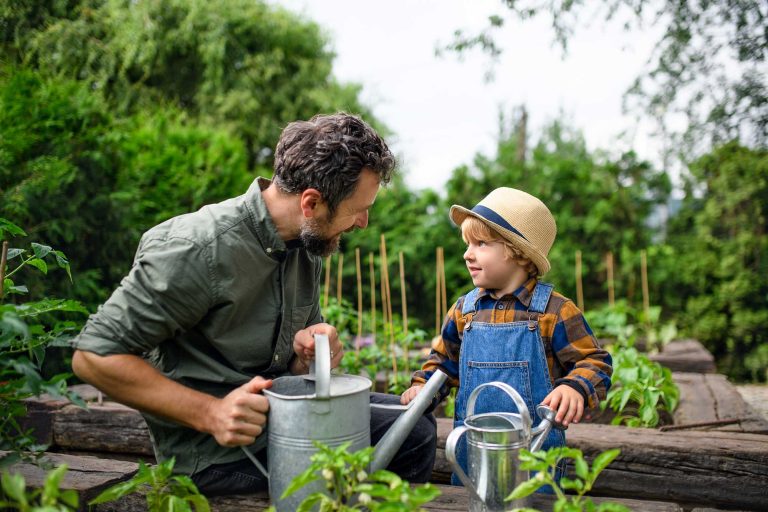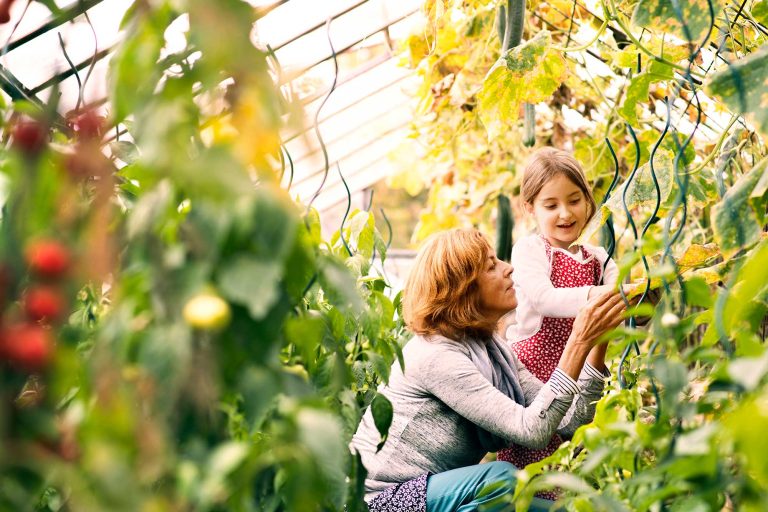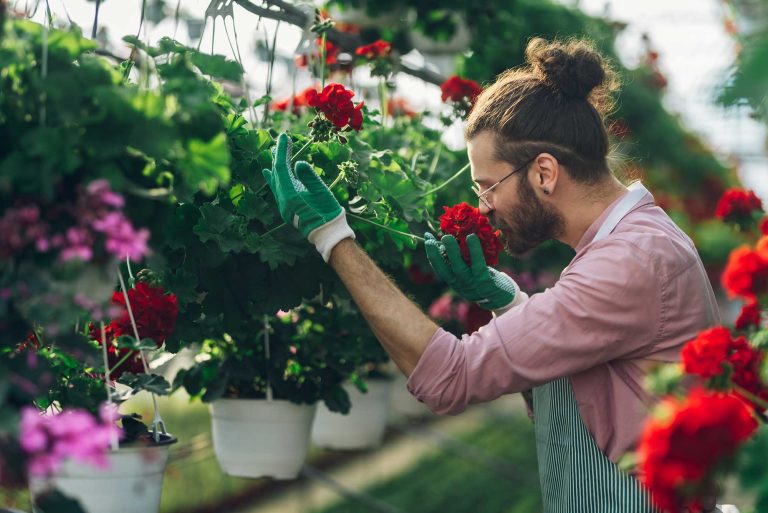
Imagine the joy of stepping into your home on a chilly winter evening and being greeted by a lush, vibrant indoor garden. Not only does it add a splash of color to the dreary winter months, but it also offers a therapeutic escape from the cold, enhancing your mood and purifying your indoor air.
You might think that gardening is only a spring and summer activity, but with the right tips and tricks, you can nurture a flourishing garden indoors all winter long. Curious about transforming your home into a winter oasis? Dive into this guide to discover how you can plant an indoor garden, making your winter days a little greener and a lot more rewarding.
Your cozy, plant-filled sanctuary is just a few steps away!
Choosing The Right Plants
Choosing the right plants is crucial for a thriving indoor garden during winter. The cold season limits sunlight and affects indoor temperatures, but many plants thrive despite these challenges. Selecting plants suited for indoor conditions ensures a lush and vibrant garden.
Best Plants For Indoor Growth
Some plants adapt well to indoor environments. Spider plants are popular for their resilience and ease of care. Peace lilies are another great option, known for their air-purifying qualities and elegant blooms. Succulents like jade plants and aloe vera require minimal watering and sunlight, making them ideal for indoor growth.
Low-light Plant Options
Winter often brings shorter days and reduced light. Consider plants that thrive in low-light conditions. Snake plants are hardy and require minimal light to flourish. Pothos are versatile, adapting to low-light areas while adding greenery to your space. Ferns, such as Boston ferns, also do well with limited light, adding lush foliage to indoor gardens.
Temperature Resilient Varieties
Maintaining a stable indoor temperature is key during winter. Some plants are naturally temperature-resilient, making them suitable for indoor gardens. Rubber plants tolerate various temperatures, offering vibrant leaves year-round. Philodendrons are adaptable and handle temperature fluctuations well. ZZ plants are another choice, thriving even in cooler indoor climates.
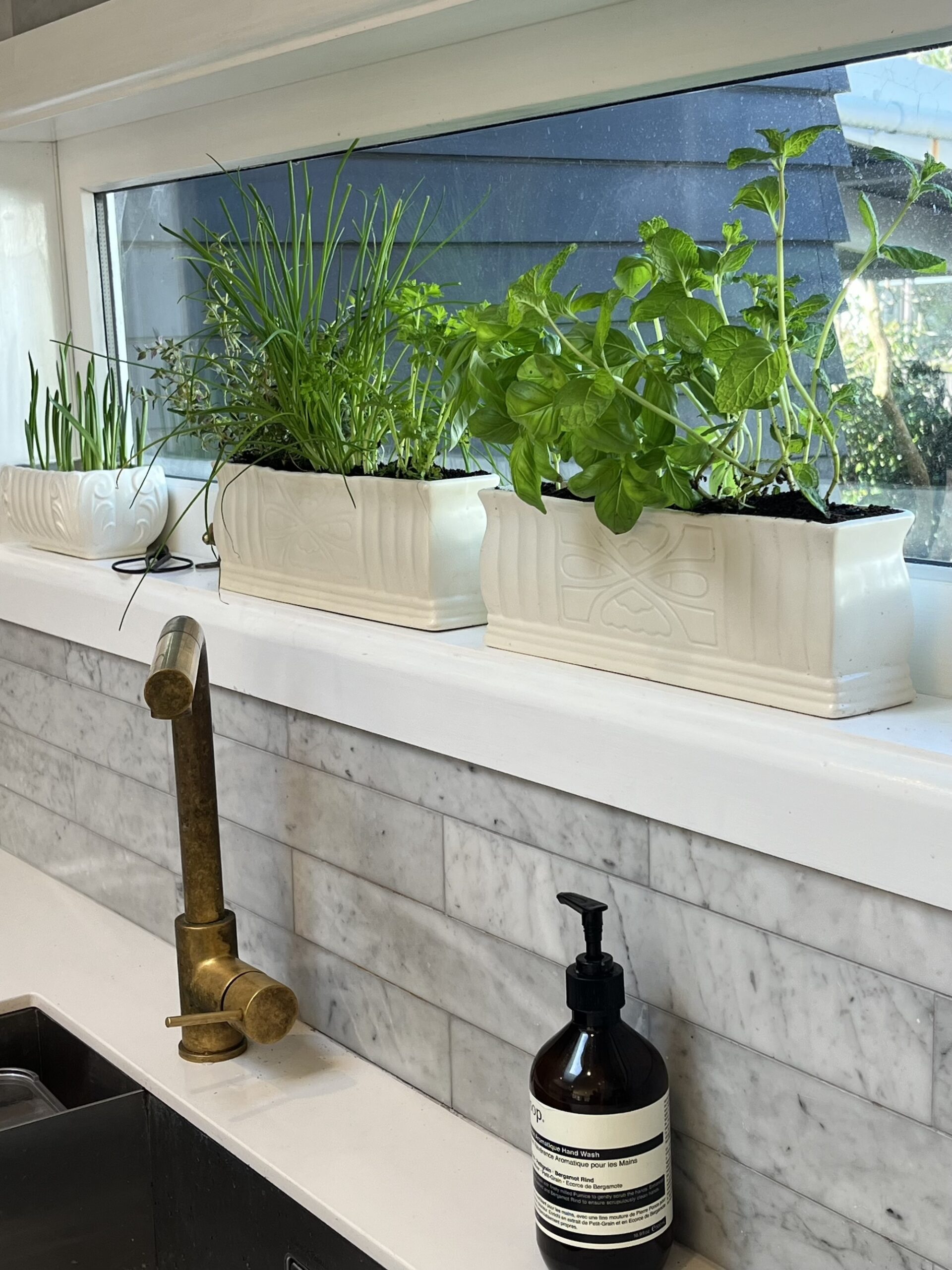
Credit: www.thesagejournal.com
Preparing Your Indoor Space
Preparing Your Indoor Space Transform your home into a winter garden oasis. Choose a sunny spot with enough light. Use pots that allow good drainage, and select plants suited for indoor growth. Ensure proper spacing to promote healthy development.
Preparing your indoor space is crucial for a successful winter garden. The right environment ensures your plants thrive despite the chill outside. Consider the following elements to create an ideal indoor garden.Selecting The Location
Choose a spot with enough room for your plants. A windowsill or a corner in the living room can work. Ensure it’s convenient for daily care and observation. Avoid areas with frequent temperature changes, like near heaters or doors.Optimizing Light Conditions
Light is vital for plant growth. Position your garden near a south-facing window for maximum sunlight. If natural light is limited, use LED grow lights. These provide the necessary spectrum for photosynthesis. Adjust the distance between lights and plants for best results.Ensuring Proper Ventilation
Proper air circulation prevents mold and pests. Open windows occasionally to refresh the air. If the room feels stuffy, use a small fan. This mimics outdoor breezes and strengthens plant stems. Ensure your garden isn’t directly in the fan’s airflow to avoid stress.Gathering Necessary Supplies
Gather soil, pots, and seeds to start an indoor garden. Choose a sunny spot for your plants. Ensure watering tools and fertilizers are accessible to nurture growth.
Planting an indoor garden during winter is a delightful way to bring life into your home when the outside world is cold and barren. The cozy environment of an indoor garden can offer you fresh herbs, vibrant flowers, and even some tasty vegetables right at your fingertips. But before you dive into the planting process, gathering the necessary supplies is crucial for a thriving garden. Let’s break down what you’ll need to get started.Essential Gardening Tools
To start your indoor garden, a few basic tools will make the process easier. A small hand trowel is perfect for transferring soil and planting seeds. Pruning shears will help you trim back any overgrown plants. Consider a spray bottle to mist your plants gently, as indoor humidity can be low during the winter months. These tools are often available in gardening kits, which can be a budget-friendly way to get everything you need.Potting Soil And Containers
Choosing the right soil and containers will set the foundation for your garden’s success. Look for potting soil that retains moisture but also allows for drainage. This balance is essential for root health. Containers come in many shapes and sizes, so pick ones that fit your space and style. Clay pots are a classic choice, but plastic containers can be lighter and often have built-in drainage systems. It’s worth considering what will work best for your plant types and home environment.Fertilizers And Nutrients
Plants need nourishment to thrive, especially indoors. Fertilizers can boost growth and keep your plants healthy. Liquid fertilizers are easy to use and can be mixed with water for regular feeding. Look for balanced fertilizers that provide essential nutrients like nitrogen, phosphorus, and potassium. Some indoor gardeners swear by organic options, such as compost tea or worm castings, which can enrich your soil naturally. Have you thought about what nutrients your plants will need to flourish indoors? By gathering these supplies, you’ll be well on your way to creating a lush, indoor oasis during the winter months. The right tools, soil, and nutrients will make a significant difference in your garden’s health and productivity. So, are you ready to start your indoor gardening adventure?Credit: www.theglobeandmail.com
Planting Techniques
Creating an indoor garden for winter keeps your home lively. Using the right planting techniques ensures healthy plants. Let’s explore some effective methods.
Sowing Seeds Indoors
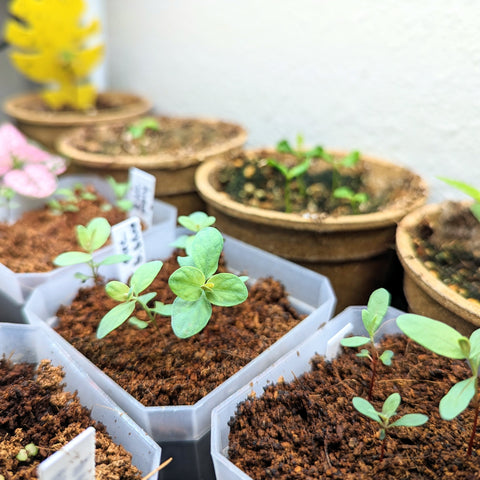
Start with quality seeds and a seed tray. Fill the tray with potting mix, pressing it lightly. Place seeds evenly across the surface. Cover them with a thin layer of soil. Keep the tray in a warm spot. Light is crucial for germination. Use a grow light if natural light is scarce. Water the seeds regularly, but avoid overwatering. The soil should remain damp, not soaked.
Transplanting Outdoor Plants
Select robust plants from your outdoor garden. Gently dig around the root ball. Keep the roots intact. Choose suitable pots for transplantation. Add potting soil to the pots. Place the plant in the pot, covering the roots. Firm the soil gently around the base. Water the plant thoroughly after transplanting. Keep the pot in a sunny location indoors.
Maintaining Soil Moisture
Proper soil moisture is vital for indoor plants. Use a spray bottle for consistent watering. Mist the soil surface lightly. Check the soil with your finger. It should feel moist, not dry or soggy. Avoid water pooling at the bottom of pots. Ensure proper drainage by using pots with holes. Monitor humidity levels in your home. Consider using a humidifier in dry conditions.
Caring For Your Indoor Garden
Plant an indoor garden for winter with easy-to-grow herbs and leafy greens. Use pots with good drainage and place them near a sunny window. Water regularly and ensure proper ventilation for healthy plant growth.
Caring for your indoor garden during winter is essential to keep your plants thriving when the temperature drops outside. As the days get shorter and the sunlight diminishes, indoor plants require a bit more attention to maintain their health and vitality. With just a few simple adjustments, you can ensure your indoor garden remains lush and productive throughout the colder months.Watering Schedule
Adjusting your watering routine is crucial in winter. Indoor plants generally require less water due to lower evaporation rates and slower growth. Check the soil moisture regularly, and water only when the top inch feels dry. Using room-temperature water can prevent shocking your plants. Consider grouping plants with similar water needs together, making it easier to manage their schedules. Remember, overwatering is a common winter mistake—less is often more.Pruning And Trimming
Pruning helps keep your plants in shape and encourages new growth. Trim dead or yellowing leaves to allow the plant to focus its energy on healthy foliage. Regularly check for any growth that looks out of place and trim it back. This not only keeps your plants tidy but also helps prevent potential pest infestations.Managing Pests And Diseases
Indoor gardens are not immune to pests and diseases, especially in winter. Keep a keen eye out for common indoor pests like aphids or spider mites. Use a gentle insecticidal soap or neem oil to tackle infestations. Ensuring proper air circulation can also help prevent mold and mildew. Have you ever noticed tiny webs in your plants? Those are signs of spider mites, and prompt action can save your garden. Regularly inspecting your plants is key to catching issues early.Enhancing Growth With Technology
Planting an indoor garden for winter boosts growth with technology. Use LED lights to mimic sunlight. Choose space-efficient pots and automatic watering systems for convenience.
Enhancing growth with technology offers a new approach to indoor gardening. Winter can be challenging for plants due to low light and dry air. Technology helps overcome these challenges, creating an ideal environment for growth. Let’s explore how technology can boost your indoor garden.Using Grow Lights
Grow lights simulate sunlight, crucial for plant growth in winter. They provide the right spectrum of light for photosynthesis. LED grow lights are energy-efficient and long-lasting. Place lights above plants, maintaining a 12-inch distance. Adjust the duration of light exposure based on plant needs. Most plants need 12 to 16 hours of light daily. Using timers can help manage light exposure effectively.Automated Watering Systems
Consistent watering is vital for healthy plants. Automated systems ensure plants get water regularly. These systems prevent over or under-watering. Drip irrigation systems are perfect for indoor gardens. They deliver water directly to the plant roots. Set the system to water at specific times. This saves time and ensures plants stay hydrated.Monitoring Plant Health
Technology can help monitor plant health easily. Sensors track soil moisture, light levels, and temperature. Use apps to connect with sensors for real-time updates. This data helps make informed decisions about plant care. Keep an eye on leaf color and plant growth. Adjust care routines based on sensor feedback. Healthy plants thrive and resist disease better.Harvesting And Enjoying Your Produce
Growing an indoor garden during winter brings joy and fresh produce to your home. Imagine picking herbs and vegetables even when it’s snowy outside. Once your plants mature, it’s time to harvest and savor your hard work. This section covers everything you need to know about harvesting and making the most of your indoor produce.
Knowing When To Harvest
Observe your plants closely. Look for size, color, and texture changes. Herbs like basil and mint can be picked once they have several leaves. Harvest leafy greens like lettuce when the leaves are about four inches long. For root vegetables, such as carrots, gently pull the soil back. Check if they are the desired size. Regular harvesting encourages plants to produce more.
Storing And Preserving Produce
Proper storage keeps your produce fresh longer. Leafy greens stay crisp in the fridge. Wrap them in a damp paper towel. Store herbs in a glass of water, like a bouquet. Cover with a plastic bag and refrigerate. Freeze extra produce if you have plenty. Chop herbs and store them in ice cube trays with water or olive oil. For root vegetables, store in a cool, dark place.
Creative Recipes With Fresh Ingredients
Use your fresh produce in simple recipes. Make a herb-infused olive oil. Simply add chopped herbs to a bottle of olive oil. Use it for salad dressings or drizzling over bread. Create a fresh salad with your leafy greens. Add a squeeze of lemon and a sprinkle of salt. Make a hearty soup with root vegetables. Add them to a pot with broth, onions, and garlic. Enjoy the flavors of your indoor garden.

Credit: www.themillstores.com
Frequently Asked Questions
How Do I Start An Indoor Garden?
Begin with choosing the right plants for indoor conditions. Use containers with proper drainage and quality soil. Position plants near a light source, such as a window or grow lights. Regularly water and feed your plants, ensuring they have adequate humidity and temperature for optimal growth during winter.
What Are The Best Plants For Winter Indoor Gardens?
Opt for hardy plants like herbs, succulents, and leafy greens. Herbs like mint, basil, and rosemary thrive indoors. Succulents require minimal care and add aesthetic value. Leafy greens such as spinach and lettuce grow well in cooler temperatures, making them ideal for winter gardening indoors.
How Can I Ensure Proper Light For Indoor Plants?
Place plants near windows for natural sunlight. South-facing windows provide the most light. If natural light is limited, consider using grow lights. Adjust the light duration according to plant needs, typically 12 to 16 hours daily, to mimic natural daylight cycles for optimal growth.
What Soil Is Best For Indoor Plants?
Use well-draining potting soil for indoor plants. Avoid garden soil, which can compact and limit root growth. Consider adding perlite or vermiculite for improved drainage. Organic matter like compost enriches the soil, providing essential nutrients. Choose soil specific to plant types for best results.
Conclusion
Creating an indoor garden for winter is rewarding. It brightens your home. Keeps spirits high during cold months. Start with simple plants. Choose ones that need less sunlight. Use small pots for herbs. Try succulents; they need little care. Water them carefully.
Too much can harm them. Proper lighting helps plants grow well. Use LED grow lights. They mimic sunlight. Keep a routine. Check plants weekly. Trim leaves and remove dead parts. Indoor gardens need patience. Enjoy watching them thrive. Feel the joy of nurturing life indoors.