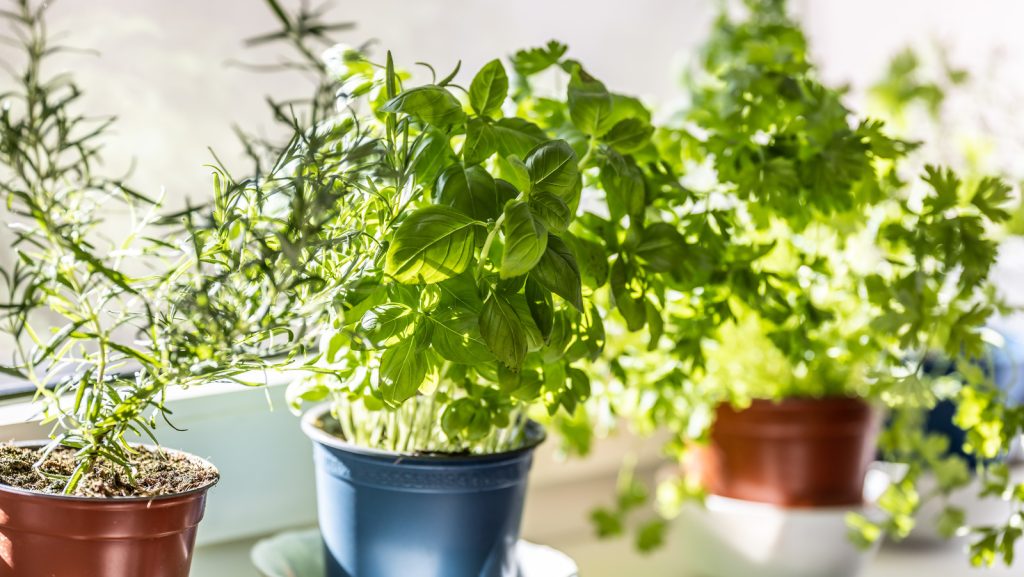
Imagine this: a thriving indoor herb garden that fills your kitchen with fragrant aromas and the promise of fresh flavors. It’s a dream for many home cooks and plant enthusiasts.
But there’s one question that often puzzles even the most seasoned gardeners: How often should you water your indoor herb garden? If you’ve ever found yourself in a guessing game with your watering can, you’re not alone. Getting it just right can make the difference between a flourishing oasis and a wilted disappointment.
Your herbs rely on you for the perfect balance, and understanding their needs is the key to unlocking their full potential. By mastering the art of watering, you not only ensure the vitality of your plants but also enrich your culinary creations. Dive into this guide, and discover the secrets that will transform your indoor herb garden into a lush haven. Your herbs are waiting, eager to grow under your attentive care. Let’s explore how you can nurture them to thrive.

Credit: www.monstera-app.com
Factors Affecting Watering Frequency
Watering frequency for an indoor herb garden depends on several factors. Understanding these can help maintain healthy, thriving herbs. Let’s explore the key factors that affect how often you should water your indoor herb garden.
Type Of Herbs
Different herbs have varying water needs. For example, basil and mint require more water. They prefer consistently moist soil. On the other hand, rosemary and thyme prefer drier conditions. These herbs need less frequent watering. Knowing the specific needs of each herb is crucial. It ensures they receive the right amount of water.
Pot Size And Material
The size and material of the pot influence watering frequency. Larger pots retain moisture longer. They require less frequent watering compared to smaller pots. Pots made from porous materials like clay allow for quicker evaporation. This means herbs in clay pots may need more water. Plastic or glazed pots hold moisture longer. They may need less frequent watering.
Indoor Environment
The indoor environment also plays a role in watering needs. Rooms with high humidity levels reduce the need for frequent watering. Conversely, drier environments may require more frequent watering. The amount of sunlight affects soil moisture as well. Bright, sunny windows can dry out soil faster. Consider these factors when determining your watering schedule.
Credit: www.gardenary.com
Identifying Water Needs
Knowing how often to water your indoor herb garden is essential. Each plant has unique water needs. Understanding these needs keeps your herbs healthy and vibrant. Identifying water needs involves observing soil moisture and plant appearance. Let’s explore these aspects further.
Soil Moisture Levels
Checking soil moisture is a simple way to gauge water needs. Insert your finger into the soil about an inch deep. If it feels dry, it’s time to water. Moist soil indicates no immediate need for watering. Use a moisture meter for more precise readings. These devices offer accurate soil moisture levels.
Visual Signs In Plants
Plants show visible signs when they need water. Wilting leaves or drooping stems suggest thirst. Yellow or brown leaves can indicate overwatering. Healthy plants have firm, vibrant leaves. Observe leaf color and texture regularly. This helps you understand your plants’ needs better.
Seasonal Adjustments
Seasonal changes affect how often you should water your indoor herb garden. Different times of the year bring changes in light, temperature, and humidity. These factors play a crucial role in the health of your herbs. Adjusting your watering routine according to the seasons ensures vibrant growth and prevents problems like root rot or drying out.
Summer Vs. Winter
During summer, herbs often need more frequent watering. The sun is stronger and temperatures rise, leading to faster evaporation. In winter, the opposite occurs. Light levels drop and temperatures are cooler, reducing the need for water. It’s important to check the soil regularly. In summer, soil may dry quickly; in winter, it may stay moist longer.
Humidity And Temperature
Humidity levels affect how often you need to water your herbs. High humidity means less frequent watering. Low humidity requires more attention to soil moisture. Temperature also plays a significant role. Warmer temperatures demand more water intake for plants. Cooler temperatures slow down the process. Both factors should be considered to maintain a balanced watering routine.
Credit: www.hozelock.com
Watering Techniques
Determining the right watering schedule for an indoor herb garden is crucial. Most herbs prefer soil that’s slightly moist. Check the top inch of soil; if it’s dry, it’s time to water.
Watering your indoor herb garden correctly ensures healthy growth. Herbs can be sensitive to water levels. Too much or too little can harm them. Understanding the right techniques makes a big difference.Proper Watering Methods
Watering methods vary based on herb type and pot size. Always use a container with drainage holes. This helps excess water escape, preventing root rot. Water your herbs until the soil feels moist. Check the soil moisture by touching the top inch. If it feels dry, it’s time to water. Early morning is the best time to water. This allows the soil to absorb moisture before the sun heats up.Avoiding Overwatering
Overwatering is a common mistake in herb gardening. It can suffocate roots, leading to wilting. Ensure your pots have proper drainage. Use a saucer to catch excess water. Check the soil moisture before watering again. If the soil is still wet, wait another day. Yellowing leaves might indicate too much water. Adjust your schedule to let the soil dry out more.Tools For Efficient Watering
Tools for Efficient Watering Indoor herb gardens need watering about once a week. Adjust based on humidity and plant needs. Use a watering can or spray bottle for even moisture distribution.
Efficiently watering an indoor herb garden is crucial for keeping your plants healthy and vibrant. With the right tools, you can ensure your herbs receive the perfect amount of moisture without over or under-watering. But what tools can make this task easier and more effective? Let’s explore some must-have tools for efficient watering of your indoor herb garden.Self-watering Pots
Self-watering pots are a game-changer for those who find themselves too busy to water their plants regularly. These pots have a built-in reservoir that allows plants to absorb water as needed. It’s like having an automatic water supplier for your herbs. Imagine going on a weekend getaway and not worrying about your basil wilting. Self-watering pots can keep your herbs hydrated for days. They’re perfect for forgetful gardeners or those who travel frequently.Moisture Meters
A moisture meter is a handy tool that takes the guesswork out of watering. It measures the moisture content in the soil, helping you decide when it’s time to water. Just stick it into the soil, and it gives a reading instantly. Are you unsure if your thyme needs more water or less? A moisture meter can tell you exactly what your plant needs. It’s an excellent tool for beginners who want to avoid the common mistake of overwatering.Common Mistakes To Avoid
Watering an indoor herb garden seems simple, but mistakes happen. Understanding common pitfalls helps your herbs grow healthy and strong. Avoid these errors to keep your garden flourishing and vibrant.
Ignoring Plant Needs
Each herb has unique water requirements. Some herbs, like basil, need more water. Others, like rosemary, prefer drier soil. Ignoring these needs can lead to wilting or root rot. Research each herb’s water needs before planting. Adjust your watering schedule based on individual plant needs. Observe your plants for signs of over or under watering. Yellow leaves might mean too much water. Dry, brown edges could mean too little.
Using Poor Quality Water
Water quality impacts plant health significantly. Tap water often contains chlorine, which can harm herbs. Use filtered or distilled water for best results. Rainwater is also a great option if available. Hard water can leave mineral deposits in the soil. These deposits might affect nutrient absorption. Regularly check soil quality if using hard water. Consider investing in a water filtration system for your indoor garden.
Frequently Asked Questions
How Do I Know When To Water Herbs?
Check the soil moisture by inserting your finger about an inch deep. If it feels dry, it’s time to water. Consistent moisture is crucial but avoid overwatering, which can lead to root rot. Adjust watering frequency based on the type of herb and indoor conditions.
What Is The Best Time To Water Indoor Herbs?
Water your indoor herbs early in the morning. This allows them to absorb moisture before the sun dries them out. Morning watering helps prevent fungal diseases. Ensure the soil drains well to avoid waterlogged roots, which can harm your plants.
Can I Use Tap Water For My Herb Garden?
Yes, tap water is generally safe for herbs. However, some herbs are sensitive to chlorine and fluoride. Let tap water sit for a few hours before using it. This allows chemicals to dissipate. Alternatively, use filtered or distilled water for more sensitive herbs.
How Often Should I Water Different Herbs?
Watering frequency varies among herbs. Mediterranean herbs like rosemary prefer drier soil, while basil needs regular moisture. Check specific care requirements for each herb. Adjust watering based on humidity and season. Observe your plant’s behavior and adjust accordingly.
Conclusion
Watering your indoor herb garden is simple. Check the soil often. Dry soil means it’s time to water. Water deeply, but not too much. Herbs love light, so place them near a sunny window. Different herbs need different care. Basil needs more water than rosemary.
Listen to your plants; they show signs of thirst. Droopy leaves or wilting mean they need a drink. With practice, watering becomes easy. Happy plants make a thriving garden. Enjoy fresh herbs all year. Stay attentive, and your garden will grow strong.
Keep learning and experimenting for best results.







