Do you love cooking with fresh herbs? Imagine having a mini herb garden right in your kitchen.
It’s convenient and adds a burst of flavor to your dishes. But, how often do you water your indoor herb garden to keep it thriving? Watering too much can drown your plants, while too little can leave them dry and lifeless.
Finding the right balance is key to a healthy herb garden. Discover the secrets to perfect watering techniques that will keep your herbs flourishing. Your culinary adventures will never be the same again! Dive in to learn how to nurture your green oasis and ensure a continuous supply of vibrant, aromatic herbs.

Credit: www.housedigest.com
Watering Needs For Common Herbs
Watering indoor herbs correctly is key for healthy growth. Each herb has different watering needs. Understanding these needs helps you maintain a thriving indoor herb garden.
Basil
Basil enjoys moisture but dislikes soggy roots. Water it when the top inch of soil feels dry. Ensure good drainage to prevent root rot. Consistent watering keeps basil vibrant and aromatic.
Mint
Mint thrives in consistently moist soil. Check the soil regularly to maintain moisture. Avoid letting the soil dry out completely. Mint appreciates humidity, so misting can also be beneficial.
Thyme
Thyme prefers drier conditions. Allow the soil to dry out between waterings. Overwatering can lead to root rot. A well-draining pot is essential for thyme’s health.
Rosemary
Rosemary requires less frequent watering. Let the top inch of soil dry before watering. Ensure the pot has good drainage. Rosemary is sensitive to overwatering, so be cautious.
Cilantro
Cilantro likes evenly moist soil. Water it when the soil feels dry to the touch. Avoid letting the soil become waterlogged. Consistent moisture is key for cilantro’s growth.

Credit: www.yahoo.com
Factors Influencing Watering Frequency
Creating the perfect indoor herb garden requires understanding how often to water your plants. The watering frequency isn’t a one-size-fits-all scenario. Several factors play a crucial role in determining how much water your herbs need. By recognizing these factors, you can ensure your herb garden thrives and adds fresh flavors to your culinary creations.
Type Of Herb
Different herbs have varying water needs. For instance, basil, with its lush leaves, often requires more frequent watering compared to rosemary, which thrives in drier conditions. Knowing the specific needs of each herb can prevent overwatering or underwatering.
Pot Size
The size of the pot significantly impacts how quickly the soil dries out. Smaller pots tend to dry out faster, necessitating more frequent watering. On the other hand, larger pots retain moisture longer, reducing the need for constant attention.
Soil Composition
Soil composition is another critical factor. Well-draining soil, rich in organic matter, helps maintain the right moisture levels. If your soil retains too much water, it could lead to root rot. Choosing the correct soil mix is essential for the health of your herbs.
Humidity Levels
Indoor humidity levels can vary based on your location and season. High humidity means your herbs might need less frequent watering, as the air already holds moisture. Conversely, in dry environments, herbs might require more regular watering.
Have you noticed how your indoor climate shifts with the seasons? Adjusting your watering schedule accordingly can make all the difference in keeping your herbs happy.
Signs Of Overwatering And Underwatering
Recognizing signs of overwatering and underwatering is vital for indoor herb garden care. Yellow leaves can indicate too much water, while wilting might suggest too little. Adjust watering frequency based on these cues to maintain healthy herbs.
Understanding the signs of overwatering and underwatering is vital for a thriving indoor herb garden. These signs help you determine the right watering schedule for your herbs. Observing your plants closely ensures they stay healthy and vibrant. Overwatering and underwatering can lead to various issues, affecting plant growth and health. Recognizing these signs early can prevent further damage.Wilting Leaves
Wilting leaves indicate water stress. Both overwatering and underwatering can cause wilting. If the soil feels dry, your plant may need water. On the other hand, if the soil is soggy, you might be overwatering. Check the soil moisture to diagnose the problem correctly.Yellowing Leaves
Yellowing leaves often signal overwatering. Excessive water can suffocate roots, leading to nutrient deficiencies. This disrupts the plant’s ability to absorb essential nutrients. If the leaves turn yellow, examine the soil’s moisture level. Adjust your watering routine to prevent further yellowing.Root Rot
Root rot is a severe consequence of overwatering. It occurs when roots sit in waterlogged soil. This creates a breeding ground for harmful fungi. Symptoms include mushy roots and a foul odor. To prevent root rot, ensure proper drainage and avoid water accumulation. Regularly check the pot’s drainage holes for blockages.Proper Watering Techniques
Proper watering techniques are crucial for a thriving indoor herb garden. Overwatering or underwatering can harm the plants. Understanding various methods helps maintain the right moisture level. Let’s explore some effective watering techniques for your indoor herbs.
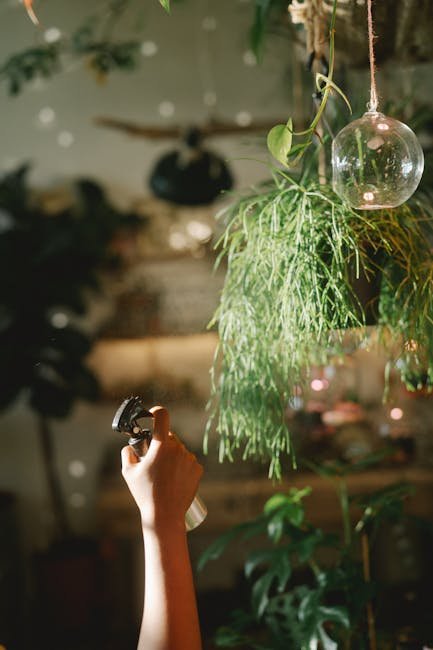
Using A Spray Bottle
Using a spray bottle is ideal for delicate herbs. It provides gentle moisture without soaking the soil. Aim to mist the leaves lightly. This keeps the plants hydrated and fresh. Avoid drenching the leaves to prevent mold.
Watering From The Bottom
Watering from the bottom ensures even moisture distribution. Place pots in a tray with water. Let them sit until the soil surface feels damp. This method prevents waterlogging and root rot. It’s perfect for pots with drainage holes.
Checking Soil Moisture
Checking soil moisture prevents overwatering. Insert your finger into the soil up to the first knuckle. Feel the moisture level. Water only if the soil feels dry. This simple test ensures your herbs get just enough water.
Seasonal Watering Adjustments
Adjust watering frequency based on seasons. In summer, indoor herb gardens need watering every few days. In winter, reduce to once a week, ensuring soil stays slightly moist.
Seasonal Watering Adjustments Maintaining an indoor herb garden is a delightful pursuit, but it requires understanding how seasons affect your watering schedule. Changes in temperature and humidity levels throughout the year mean that your herbs have different needs. By fine-tuning your watering routine, you can ensure your herbs thrive all year round.Winter Care
During winter, indoor environments tend to be drier due to heating systems. This can lead to quicker evaporation of water from the soil, even if the ambient temperature is lower. You might notice your herbs looking a bit parched more often. Check the soil moisture by sticking your finger about an inch deep into the soil. If it feels dry, it’s time to water. Remember that overwatering is still a risk, as plant growth slows in winter. Ensure your pots have good drainage to prevent root rot.Summer Care
In summer, the increased heat and sunlight can cause the soil to dry out more quickly. You may find yourself needing to water your herbs more frequently. Consider moving your herbs away from direct sunlight during the hottest part of the day. This helps prevent the soil from drying out too fast and protects the plants from heat stress. Using a spray bottle to mist your herbs can also be beneficial. This adds humidity and helps them stay fresh and vibrant. How have you adjusted your watering routine for different seasons? Reflecting on your methods can offer insights into what works best for your specific environment. With these simple adjustments, your indoor herb garden can flourish throughout the year.Expert Advice For Thriving Herb Gardens
Proper watering is crucial for indoor herb gardens. Typically, herbs need watering when the top soil feels dry. Adjust frequency based on humidity and light levels in your home.
Growing an indoor herb garden is a rewarding venture that brings fresh flavors and greenery into your home. However, understanding how often to water your herbs can be a bit tricky. Whether you’re a seasoned gardener or just starting, expert advice can make all the difference in ensuring your herbs thrive. Let’s dive into some key factors to consider for a flourishing indoor herb garden.Choosing The Right Containers
Selecting appropriate containers is crucial for your herb garden’s success. Opt for pots that are slightly larger than the root ball of your plant. This gives roots space to grow without being overwhelmed by too much soil, which can retain excess moisture. Consider using containers made of materials like terracotta, which are porous and allow for better air circulation. This helps prevent root rot, a common issue in over-watered plants. Remember, the right container can enhance both the health and aesthetic of your indoor garden.Importance Of Drainage
Without proper drainage, your herbs can suffer from waterlogged roots. Ensure your pots have drainage holes to allow excess water to escape. Placing a saucer underneath can catch any runoff and protect your surfaces. You might even experiment with adding a layer of gravel or small stones at the bottom of the pot. This can further enhance drainage and keep roots healthy. Pay attention to the signs of overwatering, such as yellowing leaves, and adjust your watering routine accordingly.Balancing Light And Water
Balancing the light your herbs receive with their water needs is essential. Herbs like basil and rosemary love sunlight and require more frequent watering. In contrast, herbs such as mint may thrive in less light and need less water. Place your herbs in a spot where they can soak up the right amount of light. Observe their growth and adjust their watering schedule to match their light exposure. Are your herbs wilting or growing slowly? It might be time to reevaluate their light and water balance. By following these expert tips, you can maintain a healthy and vibrant indoor herb garden. Each step you take, from choosing the right containers to balancing light and water, contributes to the overall wellbeing of your herbs. Enjoy the process and savor the flavors of your thriving indoor garden.Common Mistakes To Avoid
Overwatering is a common mistake for indoor herb gardens. Herbs prefer soil that dries out between waterings. Another error is using pots without drainage. This can lead to root rot. Always check soil moisture before watering to ensure healthy herbs.
Cultivating an indoor herb garden can be a rewarding experience, but it often comes with its set of challenges. One of the most common hurdles is figuring out the right watering routine. Many enthusiasts unknowingly make mistakes that can hinder the growth of their plants. Let’s explore some common pitfalls and how you can avoid them.Ignoring Plant Specific Needs
Not all herbs have the same water requirements. Basil might crave more moisture, while rosemary thrives in drier conditions. It’s easy to assume one-size-fits-all when it comes to watering, but this can lead to overwatering or underwatering. Research each herb in your garden. Understand their unique needs. This knowledge is your best ally in nurturing a thriving herb garden.Inconsistent Watering Schedule
Consistency is key for healthy plants. Watering your herbs sporadically can confuse their growth patterns. They thrive on routine, much like we do. Set a regular schedule and stick to it. Use reminders if necessary. Your herbs will appreciate the predictability and reward you with lush growth.Neglecting Environmental Changes
Environmental factors can influence how often you need to water. Changes in temperature, humidity, or even the season can affect your plants’ hydration needs. Pay attention to your indoor environment. Adjust your watering schedule accordingly. This flexibility can prevent common issues like root rot or dehydration. By being mindful of these common mistakes, you pave the way for a flourishing indoor herb garden. Are you ready to give your herbs the care they deserve?
Credit: www.hungryhuy.com
Frequently Asked Questions
How Often Should I Water Indoor Herbs?
Water indoor herbs every 2-3 days or when the soil feels dry. Ensure pots have drainage holes to prevent overwatering. Adjust the frequency based on humidity and temperature levels in your home. Monitoring the soil moisture is key to maintaining healthy herbs.
Can I Use Tap Water For My Herb Garden?
Yes, tap water is generally fine for watering indoor herbs. If water contains high levels of chlorine or fluoride, consider using distilled water. Let tap water sit overnight to allow chlorine to evaporate before using it on your herbs.
What Signs Show My Herbs Need Watering?
Wilted leaves or dry soil are signs your herbs need watering. Herbs may also show slowed growth or yellowing leaves. Regularly check the soil moisture by touching it. Proper watering ensures your herbs remain healthy and vibrant.
How Do I Prevent Overwatering My Herbs?
To prevent overwatering, ensure pots have drainage holes and use well-draining soil. Check soil moisture before watering by sticking a finger in the soil. If it’s moist, hold off on watering. Overwatering can lead to root rot and affect plant health.
Conclusion
Keeping your indoor herb garden healthy requires attention. Watering is key. Each herb has its needs. Basil loves more water, while rosemary prefers less. Monitor soil moisture regularly. The top inch should feel dry before watering. Use your finger to check.
Adjust frequency based on the season. Winter requires less water. Summer might need more. Watch for signs of overwatering. Yellow leaves indicate too much water. Brown tips mean too little. Balance is essential. Experiment to find what works best. With care, your herbs thrive.
Enjoy fresh flavors all year round. Happy gardening!