Imagine stepping into your home and being greeted by the lush greenery of your very own indoor garden. It’s a sanctuary that not only purifies the air but also brings a sense of calm and beauty into your space.
You might wonder, “How do I make a plan for an indoor garden? ” The good news is, you’re about to discover how simple it can be to create your personal oasis. This article will guide you through the essentials of planning an indoor garden, helping you choose the right plants, find the perfect spot, and understand how to care for your green friends.
By the end, you’ll have a clear, actionable plan that turns your home into a vibrant garden retreat. So, let’s dive in and turn your vision into reality!
Choosing The Right Location
Good lighting is crucial for a thriving indoor garden. Find a spot with natural sunlight, like a south-facing window. Ensure the area has enough space for plants to grow comfortably.
Choosing the right location for your indoor garden is crucial. A well-chosen spot can lead to thriving plants. It sets the foundation for a successful indoor garden. Consider these factors to help you make the best choice.Assessing Natural Light
Plants need sunlight to grow well. Identify areas with natural light in your home. South-facing windows often provide the best light. Observe how sunlight changes throughout the day. Use this information to select the right spot. Consider using artificial lights if natural light is limited.Considering Space Constraints
Space plays a key role in choosing your garden location. Measure the available space carefully. Ensure there’s enough room for pots and containers. Think about the growth size of your plants. Avoid overcrowding to ensure healthy growth. Use vertical space if horizontal space is scarce.Temperature And Humidity Factors
Temperature affects plant health and growth. Aim for a location with stable temperatures. Avoid areas with drafts or extreme temperature changes. Humidity is also important for plant well-being. Some plants prefer higher humidity levels. Consider using a humidifier if necessary.Selecting Suitable Plants
Choosing the right plants is crucial for a thriving indoor garden. Consider light, space, and maintenance when selecting. Opt for varieties like ferns and succulents that adapt well indoors.
Creating a thriving indoor garden starts with selecting the right plants. The key is to choose varieties that will not only survive but also flourish in the specific conditions of your home. Whether you have a sun-drenched apartment or a dimly lit room, the right plant selection can make all the difference in your indoor gardening success.Easy-to-grow Varieties
For beginners or those with busy schedules, easy-to-grow plants are a great choice. Consider spider plants, which are incredibly forgiving and adaptable. They thrive with minimal attention and can even withstand a bit of neglect. Succulents are another excellent option. They require little water and prefer dry conditions, making them ideal for those who might forget to water regularly. If you’re looking for a splash of color, pothos offers vibrant green leaves and can grow in a range of conditions.Plants For Limited Light
Not every home is blessed with abundant sunlight, but that shouldn’t stop you from having an indoor garden. Snake plants are well-known for their ability to thrive in low light. They also help purify the air, adding a functional benefit to your space. Peace lilies are another fantastic choice for darker areas. Their lush green leaves and occasional white blooms can brighten up any corner. Consider ZZ plants as well; they are nearly indestructible and can handle low-light situations with ease.Balancing Aesthetics And Function
While selecting plants, think about how they complement your home decor. Do you prefer the bold presence of a fiddle leaf fig, or are you drawn to the delicate charm of a maidenhair fern? Balance aesthetic appeal with function. Herbs like basil and mint not only look attractive on a kitchen windowsill but also provide fresh ingredients for your meals. Ask yourself: do your plants serve a purpose beyond beauty? Whether it’s purifying the air, adding aroma, or simply providing a calming presence, your indoor garden should reflect both your personal style and practical needs.Essential Tools And Materials
Gather essential tools like pots, soil, and a watering can for your indoor garden. Use natural light or grow lights. Ensure a suitable environment for plant growth.
Creating an indoor garden can transform your living space into a vibrant oasis, but success hinges on having the right tools and materials. Whether you’re a seasoned plant enthusiast or just starting out, knowing what you’ll need can make all the difference. Let’s delve into the essential tools and materials that can help you cultivate an indoor paradise.Potting Mix And Containers
Choosing the right potting mix is crucial for your plants’ health. Opt for a mix that provides good drainage and is nutrient-rich. Consider adding perlite or vermiculite for better soil aeration. Containers are more than just vessels for holding soil; they contribute to the aesthetic of your indoor garden. Select containers with drainage holes to prevent waterlogging. If you’re like me, you might find yourself constantly experimenting with different styles, from rustic terracotta pots to sleek modern designs.Lighting Solutions
Natural light is ideal, but not all indoor spaces have ample sunlight. Invest in grow lights to ensure your plants thrive. LED grow lights are energy-efficient and mimic sunlight, making them perfect for indoor gardens. Think about the placement of your lights. Are they adjustable to accommodate different plant heights? When I first set up my indoor garden, I underestimated the importance of adjustable lighting, and my taller plants suffered.Watering And Maintenance Supplies
Watering cans with long spouts are perfect for reaching the base of plants without wetting the leaves. Consider a spray bottle for misting plants that require high humidity. Maintenance is ongoing. Do you have a plan for fertilizing and pest control? A small toolkit for pruning and trimming can keep your plants looking their best. In my experience, setting aside time each week for maintenance helps prevent minor issues from becoming major problems. By thoughtfully selecting these tools and materials, you can create an indoor garden that not only survives but thrives. Are you ready to get your hands dirty and start growing?
Credit: www.instagram.com
Designing Your Garden Layout
Creating a plan for an indoor garden involves determining suitable plants and their placement. Consider light availability and space constraints. Use containers that fit your style and room size for optimal growth.
Designing your indoor garden layout is a creative and exciting journey. It’s where your ideas come to life and your green space begins to take shape. Consider how your plants will interact with each other and the environment to create a harmonious and functional space.Vertical Garden Techniques
Vertical gardening is an excellent way to maximize space. Use wall-mounted planters or shelves to stack your plants upward. Consider hanging pots from the ceiling or using a trellis for climbing plants. This approach not only saves floor space but also adds visual interest to your room. Think about the sunlight each plant needs; arrange them so taller plants don’t block light from smaller ones.Creating Zones For Different Plants
Divide your garden into zones based on plant needs and aesthetics. Group plants with similar water and light requirements together to make maintenance easier. Create a cozy corner for low-light plants like ferns and peace lilies. In another area, place succulents and cacti that thrive in bright, dry conditions. These zones help in organizing your garden and make it look visually appealing.Incorporating Decorative Elements
Add personal touches to your garden by including decorative elements. Use colorful pots, stones, or small garden statues to add character. Think about how these elements will complement your plants. A simple water feature can add tranquility, while bright pots can inject energy. Consider adding mirrors to reflect light and create the illusion of more space. How will your garden reflect your personality?Scheduling Care And Maintenance
Crafting a plan for an indoor garden involves assessing light conditions and choosing suitable plants. Schedule regular watering and fertilizing to keep plants healthy. Monitor growth and adjust care routines as needed for optimal results.
Scheduling care and maintenance is crucial for a thriving indoor garden. Consistent routines help plants flourish indoors. Establishing a plan ensures your plants receive the attention they need. Below, discover key aspects of maintaining your indoor oasis.Watering Routines
Understanding each plant’s water needs is essential. Overwatering and underwatering can harm plants. Create a schedule based on plant type and environment. Check soil moisture regularly. Use a moisture meter for accuracy. Morning is the best time to water. This allows excess water to dry by evening.Fertilization Plans
Plants need nutrients to grow strong. Fertilization provides essential elements like nitrogen, phosphorus, and potassium. Identify the right fertilizer for each plant type. Follow label instructions for application frequency. Most plants benefit from monthly feeding. Adjust based on plant growth and season.Pest And Disease Management
Indoor gardens are not immune to pests and diseases. Regular inspection helps spot problems early. Look for signs like yellow leaves or small insects. Use natural remedies to manage pests. Neem oil and insecticidal soap are effective options. Ensure proper air circulation to prevent diseases. Clean plant leaves to remove dust and pests.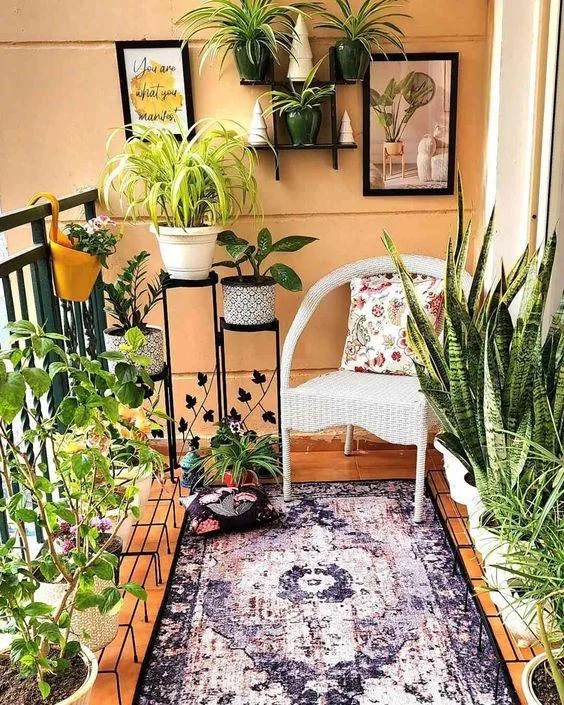
Credit: sanjaynursery.com
Maximizing Growth And Yield
Creating a plan for an indoor garden involves assessing space, lighting, and plant selection. Choose plants suitable for indoor growth and arrange them to optimize sunlight exposure. Regular maintenance, including watering and pruning, ensures healthy development and maximizes yield.
Maximizing growth and yield in an indoor garden requires strategic planning. Understanding essential elements can lead to a successful garden. Focus on light, temperature, and plant care to optimize growth.Optimizing Light Exposure
Light is crucial for plant photosynthesis. Position your garden near windows for natural light. If natural light is limited, use LED grow lights. Adjust light height as plants grow. Ensure each plant gets equal light exposure. Rotate plants for even growth.Temperature Control Strategies
Temperature affects plant metabolism. Maintain a consistent temperature for healthy growth. Use thermostats to monitor and control room temperature. Avoid placing plants near heaters or air conditioners. Ensure good airflow to prevent mold and pests.Pruning And Training Techniques
Pruning helps manage plant size and directs growth. Remove dead leaves to boost plant health. Use sharp tools for clean cuts. Training techniques like staking support plant structure. Gently tie stems to encourage vertical growth. These methods improve yield and plant vitality.Troubleshooting Common Issues
Creating a plan for an indoor garden involves choosing the right plants, considering light and space. Identify areas with good natural light and select plants suited for indoor conditions. Organize your space efficiently, ensuring each plant has enough room to grow and thrive.
Creating an indoor garden can be a rewarding endeavor, but like any project, it comes with its own set of challenges. From unexpected plant diseases to growth hurdles, troubleshooting these common issues can make or break your green oasis. Let’s dive into some practical solutions that will help you overcome these obstacles with ease.Identifying Plant Diseases
Spotting plant diseases early can save your indoor garden from disaster. Look for signs like discolored leaves, unusual spots, or wilting. These are often the first indicators of a problem. Regularly inspect your plants. Use a magnifying glass if necessary to detect tiny pests. Quick identification allows for prompt treatment. Consider your environment. High humidity might invite mold, while dry air can lead to spider mites. Adjust your plant care routine accordingly.Addressing Growth Challenges
Is your plant not growing as expected? Start by checking its light exposure. Insufficient light can stunt growth, while too much can scorch leaves. Evaluate the soil quality. Poor soil can hinder nutrient absorption. Use a well-balanced potting mix to ensure your plants get the nutrients they need. Watering is crucial. Over-watering can drown roots, while under-watering deprives them. Find the right balance for each plant type.Tips For Reviving Struggling Plants
When a plant looks like it’s on its last leg, don’t lose hope. Assess the root system first. Healthy roots are white and firm, while brown, mushy roots indicate trouble. Prune dead or diseased parts. Removing these can help the plant focus energy on new growth. Consider repotting. Sometimes a fresh pot with new soil can work wonders. It gives the roots more room to breathe and grow. Have you faced any challenges with your indoor garden? Sharing your experiences could help others troubleshoot similar issues. Remember, patience and persistence are key to nurturing your indoor jungle.
Credit: www.livingetc.com
Frequently Asked Questions
How Do I Start An Indoor Garden Plan?
Begin by assessing your available space and light conditions. Choose suitable plants that thrive indoors. Plan your layout to optimize sunlight exposure. Consider factors like soil type, watering needs, and humidity levels. Create a maintenance schedule for regular care and monitor plant growth.
What Plants Are Best For Indoor Gardens?
Select plants that thrive in indoor environments like pothos, spider plants, and succulents. These plants are low-maintenance and adapt well to varying light conditions. Herbs like basil and mint can also flourish indoors. Choose plants based on your space, light availability, and personal preferences.
How Do I Choose The Right Containers?
Opt for containers with drainage holes to prevent waterlogging. Choose containers that complement your interior design. Ensure the size is appropriate for the plant’s growth. Consider materials like ceramic, plastic, or metal based on your aesthetic preference. Proper containers support healthy root development and plant growth.
What Lighting Is Needed For Indoor Gardens?
Indoor gardens need adequate light for photosynthesis. Use natural light from windows or supplement with grow lights. LED grow lights are energy-efficient and provide full-spectrum light. Adjust light exposure based on plant needs. Monitor plant health and adjust lighting conditions as necessary.
Conclusion
Creating an indoor garden plan is simple and rewarding. Begin by choosing the right plants for your space. Consider light and temperature needs. Select containers that match the plant size. Arrange your plants for easy access and care. Regularly water and feed them.
Keep an eye on plant health. Enjoy the beauty and calmness they bring to your home. With patience, your indoor garden will thrive. Explore different plant varieties. Experiment with arrangements. Every step brings joy and satisfaction. Happy gardening!