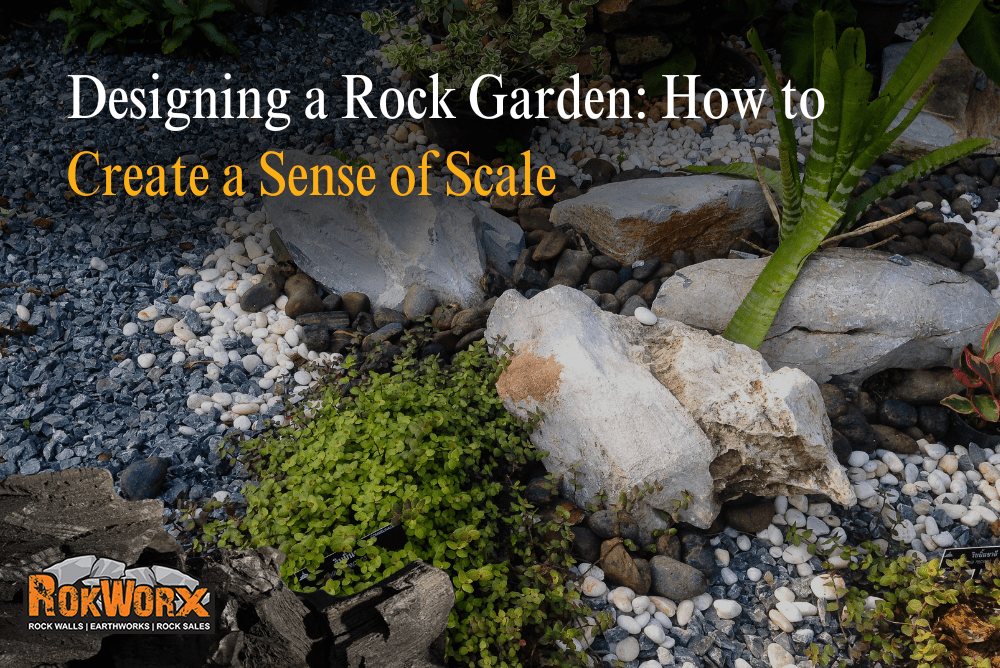
Imagine stepping into your garden and being greeted by an exquisite rock design that not only enhances your outdoor space but also sparks joy every time you see it. You’re about to discover how you can transform ordinary stones into stunning garden art.
This guide will take you through each step of creating beautiful rock designs, even if you think you lack artistic skills. With the right techniques, anyone can craft a masterpiece that feels personal and unique. Don’t let hesitation hold you back; dive in and unlock the secrets to elevating your garden’s aesthetics with rock art.
Ready to make your garden the envy of the neighborhood? Let’s get started!
Choosing The Right Type Of Rock
Creating a stunning garden design with rocks begins with choosing the right type of rock. The rocks you select will not only shape the aesthetic appeal but also determine the longevity and maintenance of your garden. So, how do you decide which type is best for your garden?
Natural Vs. Manufactured
Natural rocks, such as granite and limestone, offer unique patterns and colors that can add character to your garden. They are often more environmentally friendly and blend seamlessly into natural landscapes.
Manufactured rocks, like concrete and faux stone, provide uniformity and are easier to transport and install. They can be designed to mimic natural stone, offering versatility in your design. Which type of rock speaks to your style?
Durability And Weather Resistance
Durability is crucial, especially in areas with harsh weather conditions. Natural rocks are generally durable but vary in weather resistance. Granite, for instance, is highly resistant to wear and tear.
Manufactured rocks often have added weatherproofing, making them a good choice for climates with extreme weather changes. Consider your local climate: will your rocks stand the test of time?
Color And Texture Options
The color and texture of rocks can dramatically impact your garden’s appearance. Natural rocks offer a wide range of hues from earthy browns to vibrant reds, with textures that add depth.
Manufactured rocks allow for customizable options, enabling you to match your garden’s theme perfectly. What color palette and texture resonate with your vision for your garden oasis?
Planning Your Garden Design
Creating a garden design with rocks adds texture and depth to your outdoor space. Arrange different sizes and colors of rocks to form paths or borders. This natural element enhances the beauty and structure of your garden.
Planning Your Garden Design Creating a stunning rock garden begins with thoughtful planning. Your garden’s design will reflect your personal style and the space you have available. By carefully considering the layout, themes, and existing elements, you can create a harmonious and inviting outdoor space.Assessing The Space
Before you start arranging rocks, take a close look at your garden’s size and shape. Is it a sprawling backyard or a cozy corner? The available space will guide your decisions on the number and size of rocks to use. Think about sunlight exposure and drainage as well. A sunny spot with good drainage might be perfect for a desert-themed garden, while shaded areas might require a different approach. Consider the flow of your garden. Can you create pathways or focal points with rocks? Visualize how people will move through the space and plan accordingly.Design Themes And Styles
Choosing a theme for your rock garden can provide direction and cohesion. Are you drawn to the minimalist elegance of a Zen garden or the vibrant colors of a Mediterranean style? Think about the colors and textures that appeal to you. You can mix smooth, rounded stones with jagged, textured ones for contrast. Consider how your chosen style will complement your home and existing landscape. This creates a seamless transition between your garden and the rest of your property.Incorporating Existing Elements
Look at what you already have in your garden. Are there trees, shrubs, or existing pathways that you can work with? These elements can enhance the natural feel of your rock design. If you have a favorite tree or plant, use rocks to frame it or highlight its features. This can create a focal point that draws the eye. Think about how you can blend rocks with existing structures like patios or decks. This not only adds beauty but can also create a cohesive outdoor living space. With careful planning, your rock garden can become a beautiful extension of your home, a place where nature and design come together in harmony.Preparing The Ground
Creating a rock design for your garden starts with clearing the area of debris and unwanted plants. Level the ground to provide a stable base for your design. Consider the size and shape of rocks that fit well with the garden’s overall look.
Preparing the ground is crucial for a successful rock garden design. A well-prepared foundation ensures stability and beauty. Start with a clean, level surface for your garden rocks. Consider soil type and drainage needs for the best results.Clearing And Leveling
Begin by removing all weeds, grass, and debris from the area. Use a shovel to dig out roots and unwanted plants. This prevents future growth from disrupting your design. Level the ground with a rake for a smooth surface. A flat base provides stability for your rocks.Soil Considerations
Examine the soil in your garden area. Is it sandy, clay, or loamy? Sandy soil drains well but may need more organic matter. Clay retains water, so add sand or compost for better drainage. Loamy soil is ideal, needing little adjustment. Test the pH level and adjust with lime or sulfur if necessary.Drainage Solutions
Effective drainage prevents water pooling around rocks. It keeps plants healthy. Install a simple drainage system if needed. Dig trenches and fill them with gravel. This guides water away from your garden. Ensure slopes direct water flow out of the area.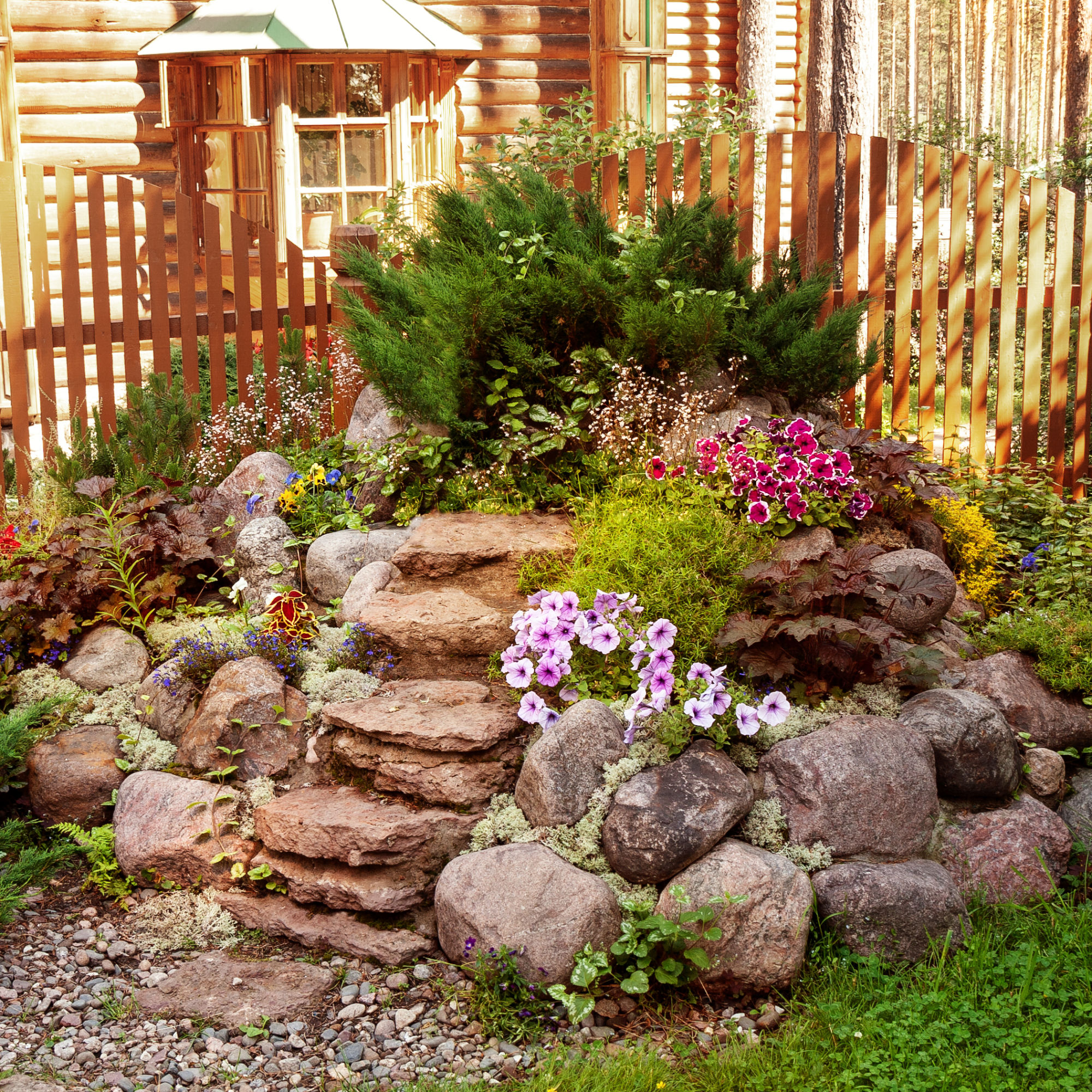
Credit: www.gardeningknowhow.com
Arranging Rocks For Aesthetic Appeal
Creating a rock design in your garden adds beauty and charm. Choose rocks of different sizes and colors. Arrange them naturally to mimic nature’s patterns, enhancing the garden’s aesthetic appeal.
Arranging rocks in your garden can enhance its natural beauty. They add texture, depth, and visual interest. The key is to arrange them thoughtfully, ensuring harmony with the surrounding plants and features.Creating Focal Points
Rocks can become eye-catching elements in your garden. Place larger rocks strategically to draw attention. Choose unique shapes and colors to stand out. Position them near pathways or seating areas for maximum impact. Focal points create a sense of direction and focus.Using Rocks For Borders
Rocks make excellent borders for garden beds. They define spaces while adding natural charm. Select rocks of similar size for a clean look. Arrange them in a line or stagger them for variety. Borders help keep soil in place and add structure to your garden design.Layering And Grouping Techniques
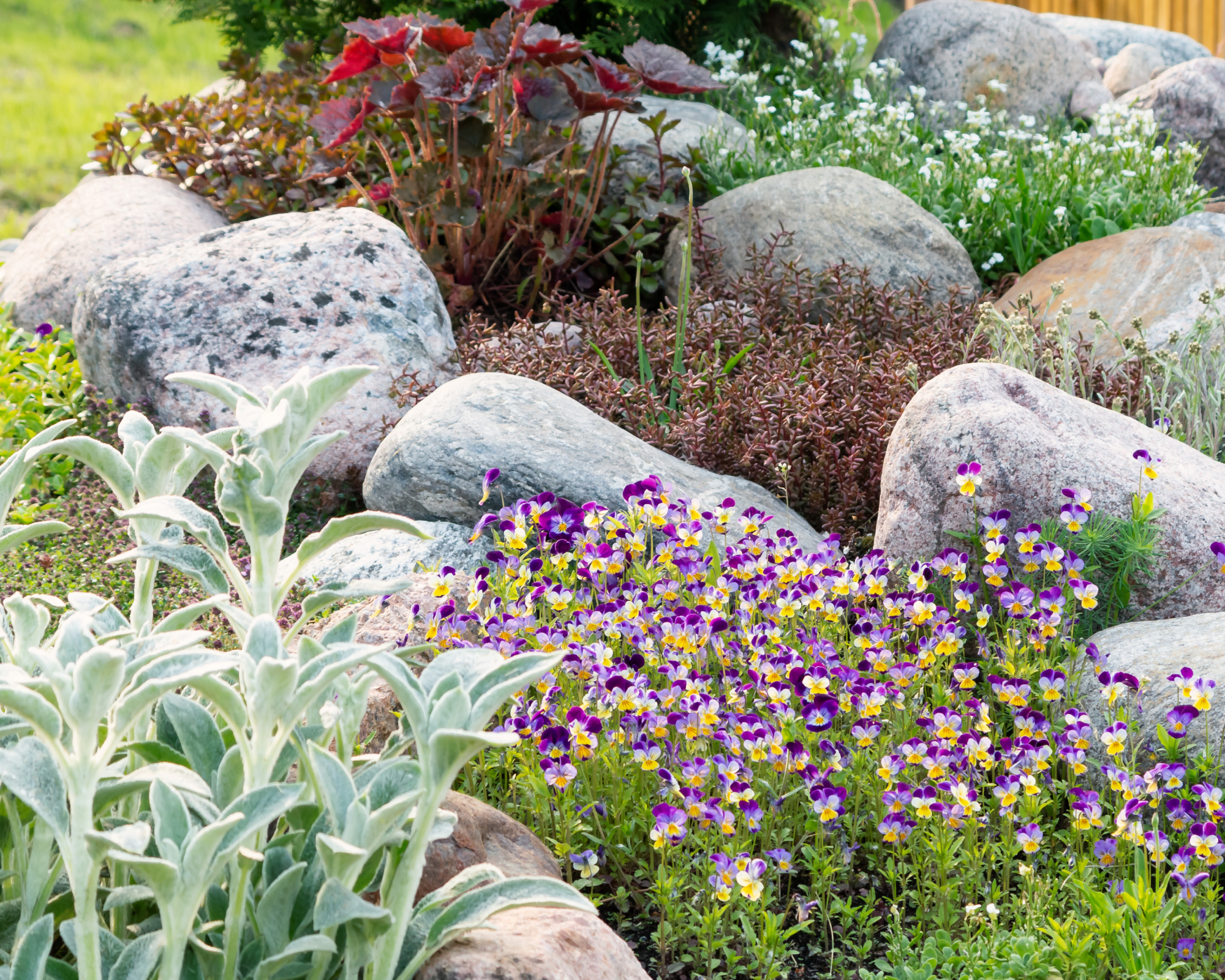
Layering rocks adds depth and dimension. Group different sizes together for a natural feel. Stack smaller rocks on larger ones for balance. Mix textures for visual interest. Layering encourages a more organic and cohesive design, blending seamlessly with plants.Integrating Plants With Rock Design
Create a stunning garden by integrating plants with rock designs. Combine vibrant plants with natural rock formations. This blend brings harmony and beauty to your outdoor space.
Integrating plants with rock design can transform a garden into a serene haven that feels both natural and structured. The juxtaposition of lush greenery against sturdy rocks creates a visual balance that captivates the eye. It’s not just about aesthetics; plants and rocks together can create microclimates that benefit both elements, offering shade, moisture retention, and protection from harsh weather.Selecting Complementary Plants
Choosing the right plants is crucial for a harmonious rock garden. Opt for plants that thrive in similar conditions to those your rocks will endure. For instance, succulents and alpine plants are excellent choices as they naturally adapt to rocky terrains and require minimal water. Think about color and texture when selecting plants. A mix of creeping ground covers and upright plants can add depth and interest. Consider native plants as they are more likely to thrive and require less maintenance, fitting seamlessly into your rock design.Planting Techniques
When planting, consider the spaces between the rocks. These crevices offer an ideal environment for small plants to establish roots. Use a well-draining soil mix to avoid waterlogging and promote healthy growth. Plant in layers to achieve a natural look. Larger plants can be positioned at the back, with smaller plants and ground covers in the foreground. This layering not only looks appealing but also provides a natural habitat for various species.Maintaining Plant Health
Consistent care is key to maintaining plant health in your rock garden. Regularly check for signs of overgrowth or disease, and prune plants as needed to keep the design tidy and healthy. Remember, it’s easier to trim a little often than to tackle a big job later. Watering should be targeted and efficient. Drip irrigation systems are great for rock gardens, ensuring water reaches the roots without waste. Additionally, mulching around plants helps retain moisture and suppress weeds, keeping your garden vibrant with less effort. What steps will you take to ensure your plants and rocks live harmoniously?Adding Decorative Elements
Enhance your garden’s charm by crafting rock designs with decorative elements. Use colorful stones, pebbles, and unique shapes to create eye-catching patterns. Transform plain garden rocks into artistic focal points effortlessly.
Adding decorative elements can transform your rock garden into a vibrant oasis. These touches bring life and character to the space. A well-designed rock garden should feel harmonious and inviting. Consider integrating various elements to enhance its beauty. Let’s explore some options.Water Features
Water features add a soothing ambiance. They can range from simple fountains to cascading waterfalls. A small pond can create a serene focal point. Choose a design that complements your garden’s style. Ensure the water feature is proportionate to your space. The gentle sound of water can promote relaxation. It also attracts birds and butterflies.Lighting Options
Lighting can highlight your garden’s best features. Use solar-powered lights for an eco-friendly option. Path lights can guide visitors through your garden. Spotlights can illuminate specific areas at night. Consider using colored lights for a whimsical touch. Proper lighting extends the enjoyment of your garden into the evening.Garden Art And Sculptures
Garden art adds personality and charm. Sculptures can serve as conversation starters. Choose materials that withstand the elements. Stone, metal, and wood are excellent choices. Place art pieces strategically to draw the eye. They should complement the natural beauty of the rocks. Art can reflect your personal taste and style.Maintaining Your Rock Garden
Creating a rock garden design involves careful placement of stones and plants to enhance beauty. Use different sizes and colors of rocks to add texture. Select low-maintenance plants that thrive in rocky soil, ensuring harmony between the elements.
Maintaining a rock garden ensures it remains beautiful and healthy. Regular care helps in preserving its charm. It also extends its life. Let’s explore how to maintain your rock garden effectively.Regular Cleaning And Repairs
Dirt and debris can accumulate over time. Remove fallen leaves and twigs regularly. Use a soft brush to clean rocks gently. Check for any damaged stones. Replace or repair them promptly. Inspect pathways for cracks or loose rocks. Fix these issues to maintain safety.Seasonal Adjustments
Different seasons bring different challenges. In spring, prune plants for new growth. Summer requires regular watering during dry spells. Autumn is time to remove dying plants and fallen leaves. Winter may bring frost. Cover delicate plants with mulch for protection. Adjust care routines based on the season.Long-term Care Tips
Plan for the future of your rock garden. Choose plants that thrive in your climate. Use drought-resistant plants for less watering needs. Regularly check soil health. Add nutrients if necessary. Monitor plant growth and spacing. Avoid overcrowding to ensure healthy growth. Keep paths clear for easy access.
Credit: www.youtube.com
Credit: www.gardeningknowhow.com
Frequently Asked Questions
How To Choose Rocks For Garden Design?
Selecting the right rocks involves considering size, texture, and color. Choose rocks that complement your garden’s theme. Ensure they harmonize with existing plants and structures. Opt for durable materials that withstand weather conditions. Using locally sourced rocks can enhance sustainability and blend naturally with the environment.
What Tools Are Needed For Rock Design?
Basic tools include a shovel, gloves, and a wheelbarrow. A rake helps in leveling the soil. Use a measuring tape for precision. A garden hose can outline the design. For larger rocks, a dolly or cart is useful. Safety gear like goggles and sturdy footwear is recommended.
Can I Create A Rock Design On A Slope?
Yes, designing on a slope is possible with terracing techniques. Start by assessing the slope’s steepness. Use retaining walls for support. Opt for flat, stable rocks to prevent sliding. Ensure proper drainage to avoid erosion. Incorporate plants that thrive on slopes for added stability and aesthetics.
How To Maintain A Rock Garden Design?
Regular maintenance involves checking for weed growth and removing debris. Inspect rocks for stability after severe weather. Prune surrounding plants to prevent overgrowth. Refresh the rock placement annually for visual appeal. Consider adding new rocks or elements to enhance the design periodically.
Conclusion
Creating a rock design for your garden is rewarding. It adds beauty and charm. Start small with simple patterns. Use different shapes and colors. Be patient and let creativity guide you. Rocks need arranging carefully for balance. Experiment with layouts until satisfied.
Maintain regularly for a fresh look. Enjoy the serene atmosphere it brings. Your garden becomes a peaceful retreat. Share your creation with friends and family. Inspire others to try their own designs. Remember, each garden tells a unique story. Happy gardening!







