Imagine stepping into your outdoor space and being greeted by a breathtaking garden that feels like a personal oasis. This could be your reality.
“How to Rock Garden Designs” is your guide to transforming your garden into a stunning visual masterpiece. Whether you’re a seasoned gardener or just starting out, you’ll discover simple yet effective ways to elevate your garden’s appeal. Think about the joy of impressing visitors with a garden that stands out, or the peace of having a beautiful retreat right outside your door.
This article will unlock the secrets of creating a garden that reflects your personality and style. You’ll learn how to blend colors, textures, and structures seamlessly, turning your garden into a work of art. Dive in to uncover the tips and tricks that will make your garden the envy of the neighborhood. Don’t just dream about a beautiful garden—make it a reality.

Credit: www.southwestboulder.com
Planning Your Garden Space
Transform your garden into a stunning rock oasis with thoughtful planning. Select the right stones and plants for harmony. Design pathways and focal points for an inviting outdoor space.
Planning your garden space is crucial for a stunning outdoor area. Thoughtful preparation ensures your garden is both beautiful and functional. Start by understanding your landscape and setting clear goals. Consider your budget to make informed decisions.Assessing Your Landscape
Evaluate your garden’s current layout. Look at soil quality, sunlight, and drainage. Identify existing plants and structures. Take note of shady areas and sunny spots. Consider wind patterns and your climate. This helps in choosing suitable plants and design elements.Setting Goals And Budget
Define what you want from your garden. Is it for relaxation, entertainment, or growing vegetables? Prioritize your needs. Set a realistic budget. Consider costs for plants, materials, and labor. Budgeting helps prevent overspending. Plan for maintenance costs too.Choosing The Right Rock Types
Selecting the right rock types enhances your garden’s aesthetic and structure. Consider size, color, and texture to create harmony. Balance between large stones and smaller pebbles for visual appeal.
Choosing the right rock types for your garden design is a crucial step that will set the tone and aesthetic of your entire outdoor space. Your choice can influence everything from the color palette to the textures in your garden, making it vital to select wisely. Consider how different rock types can either blend seamlessly with your landscape or stand out as striking focal points.Natural Vs. Artificial Rocks
Natural rocks offer a genuine, timeless appeal with their unique textures and colors that artificial options often fail to mimic. They age beautifully, adding character to your garden over time. However, they can be heavy and challenging to transport, which might increase your budget. Artificial rocks, on the other hand, provide flexibility in shape, size, and weight, making them easier to work with. They can be more affordable and are designed to replicate natural rock appearances closely. But, if not chosen carefully, they might end up looking less authentic.Size And Shape Considerations
The size and shape of rocks can dramatically affect the visual balance and harmony of your garden. Large boulders can serve as stunning centerpieces, drawing the eye and creating a natural focal point. Smaller stones can be used to fill gaps, create paths, or edge flower beds, offering a more subtle enhancement. Consider the existing elements in your garden and how the rock size will complement or contrast them. Do you want a bold statement or a gentle accent? The answer will guide your choices. Always think about the long-term vision for your garden, as this will help prevent mismatched styles and unnecessary replacements.Incorporating Plants And Flora
Incorporating plants and flora brings life to rock garden designs. Choose a mix of vibrant flowers and green succulents for a stunning look. Arrange them among rocks to create natural beauty and visual interest.
Incorporating plants and flora into your rock garden can be transformative. Plants bring life and vibrancy to stone landscapes. They soften hard edges and enhance natural beauty. Choosing the right flora is crucial for harmony and visual appeal. This section covers key aspects of plant selection and arrangement. Let’s dive into the essentials of creating a stunning rock garden.Selecting Complementary Plants
Choose plants that thrive in rock garden conditions. Opt for drought-resistant species. Look for those requiring minimal soil. Consider colors and textures that complement each other. Mix various plant heights for dynamic layers. Select native plants for easy maintenance. Ensure the plants are suited to your climate.Placement And Arrangement Tips
Strategic placement enhances visual flow. Group plants with similar needs together. Use taller plants for background contrast. Position smaller ones at the front. Create clusters for natural appeal. Leave space for growth and movement. Use rocks to define plant boundaries. Vary plant densities for visual interest.Creating Pathways And Walkways
Crafting pathways and walkways in rock garden designs enhances aesthetics and functionality. Use varying stone textures and shapes for visual appeal. Incorporating curves and natural elements creates harmony and invites exploration.
Creating pathways and walkways in your garden enhances both beauty and utility. These paths guide visitors through your landscape, showcasing your plants and features. They help create a seamless flow in your garden design.Designing Functional Paths
Functional paths should be planned with purpose. Think about the journey you want to create. Align the paths with focal points like flowerbeds or water features. Ensure paths connect key areas, such as seating spots and entryways. Consider the width of your paths. Wider paths accommodate more foot traffic and are welcoming. Curved paths add intrigue and surprise. Straight paths offer a formal look.Material Choices For Durability
Choose materials that withstand weather and wear. Stone paths are classic and durable. They offer a natural feel and blend with garden elements. Gravel is cost-effective and easy to maintain. It provides a rustic look and good drainage. Brick paths add warmth and charm. Their timeless appeal complements traditional garden styles. Concrete is versatile and can mimic other materials. It’s durable and suits modern designs. Each material brings its own texture and aesthetic. Select based on your garden’s style and climate.Adding Water Features
Enhance rock garden designs with soothing water features. Integrate small fountains or ponds to create tranquil spaces. Water adds movement and sound, enriching the garden’s atmosphere.
Adding water features to your garden can transform it into a tranquil oasis. Picture the gentle sound of water bubbling or cascading, providing a soothing backdrop to your outdoor space. Not only do water features add visual interest, but they also attract wildlife, creating a lively atmosphere. Whether you’re a gardening novice or a seasoned pro, integrating a water feature can elevate your garden design to the next level. Let’s dive into the types of water features you can choose from, how you can install them, and the maintenance they require.Types Of Water Features
There are various water features to consider, each offering unique aesthetics and benefits. A simple birdbath can attract feathery friends and add a touch of charm. If you have more space, consider a pond where you can introduce aquatic plants and fish. Fountains are another popular choice. They come in all shapes and sizes, from grandiose sculptures to simple bubbling rocks. If you’re short on space, a wall-mounted fountain could be the perfect solution. For a modern touch, consider a waterfall. Whether it’s a standalone feature or part of a pond, the sound of cascading water is unmatched. Have you thought about combining multiple features? A pond with a waterfall might be the focal point your garden needs.Installation And Maintenance
Installing a water feature can range from straightforward to complex, depending on the type. A birdbath is as simple as placing it in a desired spot, while ponds may require excavation and lining. Fountains and waterfalls often need pumps and plumbing. Ensure you have the right tools and, if needed, consult a professional for complex installations. Maintenance is crucial to keep your water feature looking pristine. Regular cleaning prevents algae buildup and keeps the water clear. Check pumps and filters periodically to ensure they are functioning correctly. Remember, stagnant water can become a breeding ground for mosquitoes. How often do you refresh the water in your feature? Keeping it fresh ensures a healthy and inviting environment for both wildlife and your enjoyment.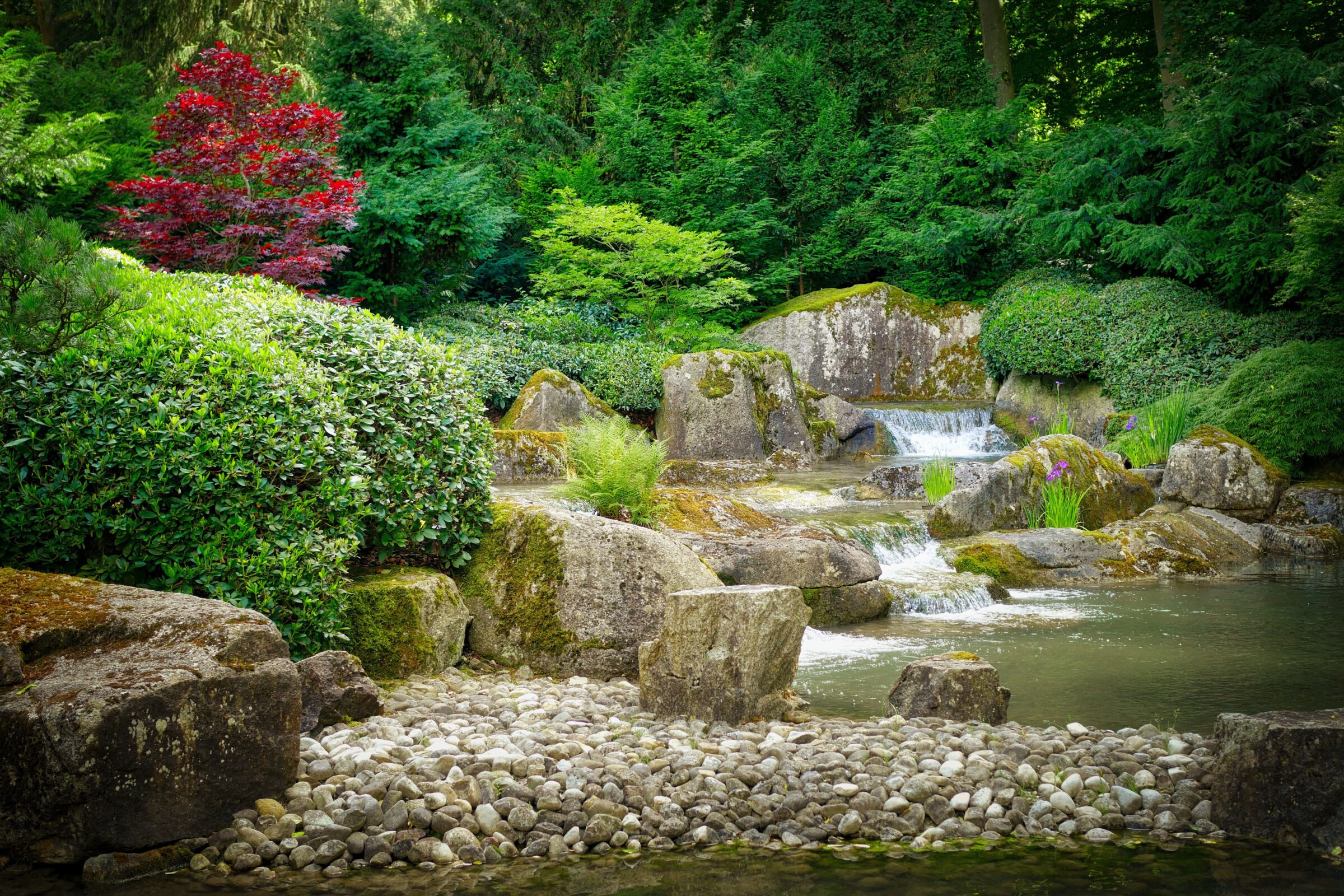
Credit: fourcornersmaterials.com
Lighting And Ambiance
Strategically placed lights transform gardens into magical spaces. Soft lighting highlights pathways and plants, enhancing beauty. Create ambiance with lanterns or fairy lights for a cozy feel.
Creating the perfect ambiance in your rock garden can transform a simple outdoor space into a magical retreat. Lighting plays a crucial role in setting this mood, especially when the sun dips below the horizon. By carefully selecting and positioning lights, you can highlight the natural beauty of your rocks and plants, making your garden an enchanting place to unwind after a long day. Imagine sipping tea under a starlit sky with your garden softly illuminated around you.Choosing Outdoor Lighting
Selecting the right outdoor lighting is like choosing the perfect outfit—it should complement and enhance the existing beauty of your garden. Start by identifying the key features you want to highlight, such as a striking rock formation or a beautiful flowering plant. Consider using solar-powered lights for an eco-friendly option. LED lights are great for creating a soft glow that doesn’t overpower the natural elements. Think about the color temperature of your lights; warm tones create a cozy feel, while cooler tones can bring a modern touch. Use path lights to guide your steps safely through the garden, adding functionality and style. Experiment with different lighting fixtures to see what best suits your garden’s personality.Enhancing Evening Appeal
As the day turns to night, your garden should become a captivating space with a welcoming ambiance. Accent lighting can be used to draw attention to your garden’s focal points, such as a water feature or a unique boulder. String lights draped across a seating area create an inviting atmosphere that encourages guests to linger and enjoy the evening. Consider using uplighting to cast dramatic shadows on your garden’s rock formations. This technique can add depth and interest, making your garden a visual treat after dusk. Think about how you use your garden at night. Are you hosting dinner parties or enjoying quiet evenings alone? Tailor your lighting choices to fit your lifestyle and make your garden a true extension of your home. Remember, the goal is to create a harmonious blend of light and nature, making your rock garden a serene escape right in your backyard.Maintaining Your Rock Garden
Rock garden designs thrive on selecting the right stones and plants that complement each other. Arrange rocks to create natural-looking formations, while ensuring proper drainage and sunlight for plants. Regular upkeep, such as clearing debris and adjusting stones, keeps your rock garden vibrant and appealing.
Maintaining Your Rock Garden Creating a rock garden is only the beginning of your journey into a serene, low-maintenance landscape. Regular care and seasonal adjustments will ensure your garden remains vibrant and healthy year-round. Let’s explore some practical strategies to keep your rock garden thriving.Regular Care Techniques
Consistent upkeep is crucial for a flourishing rock garden. Start by removing weeds promptly to prevent them from competing with your plants for nutrients and water. Use a hand trowel or a small hoe to carefully uproot them without disturbing the rocks. Watering is another key aspect. Rock gardens typically thrive on minimal water, but during dry spells, a gentle soak can work wonders. Be cautious not to overwater, as this can lead to root rot. Check for pests regularly. Insects like aphids and slugs can damage your plants. Consider using natural remedies like neem oil or introducing beneficial insects such as ladybugs to control unwanted visitors.Seasonal Adjustments
Each season brings unique challenges and opportunities for your rock garden. In spring, assess your plants for winter damage and prune any dead or damaged foliage. This encourages new growth and keeps your garden looking tidy. Summer heat can be harsh, so consider adding a layer of mulch to retain moisture and keep roots cool. Pay attention to sun exposure; some plants may require temporary shade during the hottest part of the day. As autumn approaches, remove fallen leaves to prevent mold and disease. This is also a great time to divide and replant perennials, ensuring they have room to grow. In winter, protect your delicate plants with burlap or frost cloth, especially during unexpected cold snaps. What adjustments do you make to accommodate the changing seasons? By tailoring your care routine to the needs of your rock garden, you ensure it remains a stunning focal point throughout the year.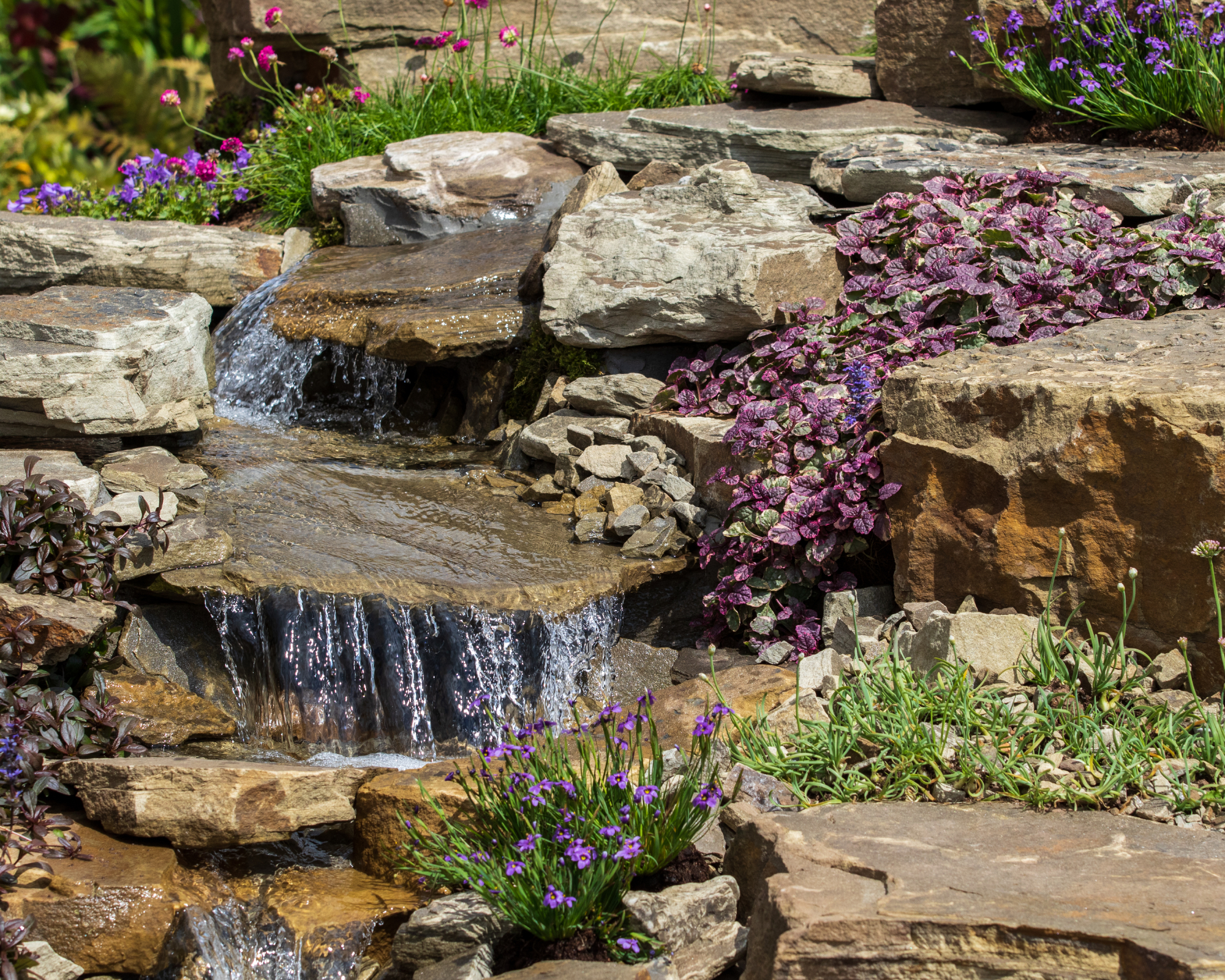
Credit: www.gardeningknowhow.com
Incorporating Artistic Elements
Transform garden spaces with artistic elements like sculptures and colorful mosaics. Mix textures and shapes for visual appeal. Enhance paths with creative stone arrangements.
Incorporating artistic elements into your garden design can transform an ordinary outdoor space into a captivating retreat. Art breathes life and personality into gardens, creating a unique atmosphere that reflects your taste. Whether you have a sprawling backyard or a small balcony, integrating art can elevate the aesthetic appeal and provide a personal touch.Adding Sculptures And Art
Sculptures are a fantastic way to introduce art into your garden. They can range from classic stone figures to modern metal pieces. Choose sculptures that resonate with you and complement the existing theme of your garden. Think about the materials and how they will weather over time. Metal sculptures may develop a rustic patina, while stone pieces can withstand the elements gracefully. Place sculptures where they are visible from various angles to enhance their impact.Creating Focal Points
Creating a focal point can draw the eye and anchor your garden’s design. A well-placed piece of art or a vibrant plant can serve this purpose. Consider what you want to highlight and how it fits into the overall layout. You can use bold colors or unusual shapes to capture attention. For example, a brightly colored ceramic pot can stand out against lush greenery. Reflect on what naturally attracts your gaze and think creatively about how to enhance that feature. What elements in your garden tell a story or evoke emotions? By thoughtfully placing artistic elements, you can create a garden that is not only visually appealing but also deeply meaningful.Frequently Asked Questions
What Are Key Elements In Rock Garden Designs?
Key elements include rocks, plants, and water features. Rocks form the backbone, providing structure and texture. Select drought-resistant plants for easy maintenance. Consider incorporating water features for aesthetic appeal. Balance is crucial; ensure harmony between all elements for a cohesive design.
How To Choose Rocks For Garden Designs?
Choose rocks based on size, color, and texture. Large rocks create focal points, while smaller ones add detail. Select colors that complement your garden theme. Consider texture for visual interest. Ensure rocks blend naturally with the surrounding environment for a seamless look.
Which Plants Thrive In Rock Gardens?
Opt for drought-resistant and hardy plants like succulents, alpine species, and ornamental grasses. These plants adapt well to rocky conditions. They require minimal water and care, making them ideal for rock gardens. Choose plants with varying heights and colors for depth and contrast.
How To Maintain A Rock Garden Effectively?
Regular maintenance involves weeding, pruning, and checking for erosion. Remove weeds to prevent overgrowth. Prune plants to keep them healthy and vibrant. Inspect rocks and soil for erosion, making necessary adjustments. Regular upkeep ensures your rock garden remains beautiful and functional.
Conclusion
Creating a rock garden design can truly transform your outdoor space. Embrace nature’s beauty with stones and plants. Use different textures for a unique look. Experiment with colors to enhance visual appeal. Keep maintenance in mind for lasting beauty. Rock gardens offer both simplicity and charm.
They provide a peaceful retreat in your backyard. Start small and expand as you gain confidence. Enjoy the process and watch your garden grow. Remember, each garden is a reflection of its creator. Let your personality shine through every stone and plant choice.
Happy gardening!