Imagine stepping into your backyard, greeted by the tranquil beauty of a rock garden. It’s like having a piece of nature’s artistry right at your doorstep, enhancing your outdoor space with its unique charm.
You might think creating a rock garden is a daunting task, but it’s easier than you imagine. With the right guidance, you can design and build a stunning rock garden that not only looks amazing but also reflects your personal style.
This guide will show you how to choose the right rocks, plants, and layout to transform your garden into a peaceful oasis. Keep reading to discover the secrets that will help you craft a rock garden that resonates with your vision and captivates anyone who visits.
Choosing The Right Location
Selecting the perfect spot is crucial for a rock garden. Ensure it receives ample sunlight and has good drainage. Avoid areas with excessive shade or stagnant water to foster healthy plant growth.
Choosing the Right Location Designing and building a rock garden is an exciting journey, and choosing the right location is your first crucial step. The spot you select sets the stage for the entire aesthetic and functionality of your rock garden. Here are some key factors to consider when deciding where to place your garden oasis.Sunlight And Shade Considerations
Assess the sunlight and shade pattern throughout the day. Certain plants thrive in full sun, while others prefer shade. Spend a day observing how sunlight travels across your potential garden area. This can save you from planting sun-loving plants in a shaded spot. The balance of sun and shade impacts not just plant health but also the visual dynamics of your garden.Proximity To Water Sources
Think about how close the location is to water sources. This consideration can make or break the maintenance of your rock garden. If you’re hauling heavy watering cans across a large yard, you might reconsider your choice. Alternatively, plan for an irrigation system if the perfect spot is farther away. Convenience here will ensure you enjoy tending to your garden.Soil Quality And Drainage
Examine the soil quality and drainage capabilities. Poor drainage can lead to waterlogged roots, which many rock garden plants can’t tolerate. Consider performing a simple percolation test: dig a hole, fill it with water, and see how long it takes to drain. Well-draining soil is ideal for most rock garden setups. If the soil isn’t up to par, amending it or choosing a different spot could save future headaches. Choosing the right location for your rock garden involves some thoughtful planning. It’s about setting yourself up for a thriving garden you can enjoy and maintain with ease. Where will you place yours?Selecting Rocks And Materials
Choosing the right rocks and materials is crucial for a stunning rock garden. Opt for varied sizes and textures to enhance visual appeal. Consider drainage and local climate when selecting materials for durability.
Selecting the right rocks and materials for your rock garden is a crucial step that sets the foundation for a visually appealing and sustainable design. Not only do you want to choose rocks that complement each other aesthetically, but you also need to consider their practicality in your garden’s environment. This might be a daunting task at first glance, but with a little guidance, you’ll be well on your way to creating a stunning rock garden that becomes the envy of your neighborhood.Types Of Rocks To Use
The variety of rocks available for your garden can be overwhelming. Opt for rocks that can withstand local weather conditions. Granite, for instance, is highly durable and withstands frost, making it ideal for colder climates. Limestone, though softer, offers a warm color palette that can brighten up shady areas. Consider mixing different textures to add depth to your design. Smooth river rocks paired with jagged slate can create a striking visual contrast. Do you want to integrate plants? Choose rocks that provide crevices or gaps for planting. This allows you to create a natural-looking landscape where plants can thrive.Tools And Equipment Needed
Building a rock garden might require more than just your bare hands. Essential tools include a wheelbarrow for moving heavy rocks and a shovel for digging out spaces where rocks will sit. A crowbar or pry bar can help in maneuvering larger stones into place without straining your back. Gloves are indispensable for protecting your hands from sharp edges and avoiding blisters. Safety goggles are a smart choice if you’re breaking rocks into smaller pieces. Precision tools, such as a level, ensure rocks are placed evenly for a professional finish.Transport And Placement
Transporting rocks to your garden site can be labor-intensive. Renting a small crane or hiring professionals for large rocks might be necessary if you’re dealing with massive stones. Once on-site, consider the placement of rocks carefully. Create focal points by using larger rocks as anchors and arrange smaller stones around them. Think about the flow of your garden. How will water run through it, and where might erosion occur? Strategic rock placement can mitigate these issues, ensuring your garden remains intact through changing seasons. Rocks should feel like they naturally belong to the landscape, rather than being artificially arranged. Take your time to experiment with different layouts before finalizing your design.Planning The Garden Layout
Design and build a rock garden by selecting diverse stones and plants. Arrange them creatively for natural beauty. Ensure good drainage and sunlight for plant health.
Designing and building a rock garden is an exciting project that allows you to blend creativity with nature. The key to a successful rock garden lies in the planning of its layout. Thoughtful planning ensures that your garden is not only beautiful but also functional and easy to maintain. It’s essential to visualize the space, consider the natural elements, and harmonize them with your personal taste.Creating A Design Sketch
Before picking up your shovel, grab a pencil and paper. Sketching out your garden design can save you from future headaches and help you make the most of your space. Think about the size and shape of your garden. Where will the rocks go? How will the plants nestle among them? A simple sketch can help bring clarity to your vision. Consider the perspective from different angles. How does it look from your patio? What about from the street? A sketch allows you to experiment with ideas without committing to them.Incorporating Paths And Levels
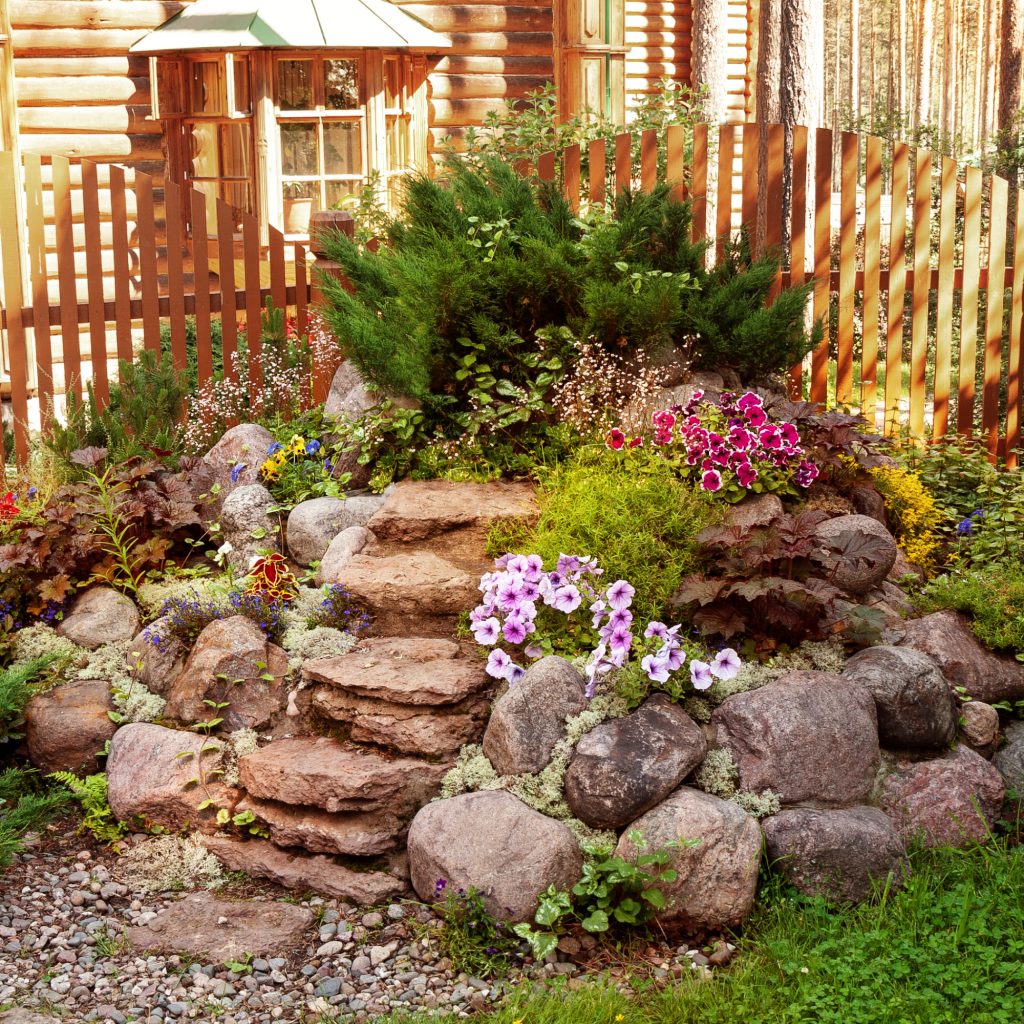
Paths invite exploration and guide visitors through your garden, making them essential elements in your layout plan. Use materials that complement the rocks, such as gravel or stepping stones, to create harmonious pathways. Think about elevation changes. Adding levels to your rock garden can enhance its visual appeal and mimic the natural terrain. Use larger rocks to create tiers or terraces, giving your garden depth and interest.Balancing Aesthetics And Functionality
A rock garden should be a feast for the eyes and easy to maintain. Strive for a balance between beauty and practicality. Choose plants that thrive in rocky environments and require minimal care. Consider how you’ll access different parts of the garden for upkeep. Is there enough space to maneuver? Are the paths wide enough? Balancing aesthetics with functionality ensures your garden remains a joy rather than a chore. Do you want your rock garden to be a tranquil retreat or a showcase of vibrant colors? Let your style guide the design, but remember to keep it practical.
Credit: www.youtube.com
Building The Foundation
Building the foundation is crucial for a successful rock garden. It ensures stability and longevity, allowing plants to thrive. A well-prepared foundation provides good drainage, preventing waterlogging and promoting healthy plant growth. Let’s explore key steps in establishing a solid base for your rock garden.
Excavation And Base Preparation
Start by marking the garden area. Use stakes or flags to outline the shape. Remove grass, weeds, and debris from the surface. Dig down to about 12 inches to remove all unwanted material. This depth provides room for rocks and soil layers.
Once cleared, level the area. Use a rake or shovel to smooth uneven spots. Add a layer of gravel or crushed stone, about 3 inches deep. This base aids drainage and supports heavy rocks.
Layering Rocks And Soil
Begin by placing large rocks. Arrange them strategically for visual appeal. They form the backbone of your garden. Between rocks, fill gaps with soil. Use a mix of sandy soil and compost for better drainage. This blend supports plant roots and retains moisture.
Continue layering medium-sized rocks. Position them naturally, avoiding symmetry. Let smaller stones fill remaining spaces. This layered approach mimics nature and creates visual interest.
Ensuring Stability And Drainage
Check the stability of larger rocks. Ensure they are firmly seated. Use smaller stones to wedge them in place. Stability prevents shifting and maintains garden structure.
Focus on drainage next. Ensure water flows away from the rock garden. Test by pouring water on the surface. Watch for pooling or slow drainage. Adjust the slope or add more gravel if needed.
Proper drainage prevents root rot and keeps plants healthy. A stable, well-drained foundation is key for a thriving rock garden.
Choosing Plants For A Rock Garden
Select hardy plants that thrive in rocky soil and require minimal water. Opt for varieties like succulents, alpine species, and ground covers to add texture and color. Ensure the chosen plants complement the garden’s natural stone elements.
Choosing the right plants is crucial for a thriving rock garden. These plants need to withstand harsh conditions and complement the rugged aesthetic of rocks. Selecting the right combination can make your garden both beautiful and sustainable. Consider these aspects when planning your rock garden.Drought-resistant Species
Rock gardens often experience dry conditions. Choose plants that can survive with minimal water. Some great options include:- Sedum: Available in various colors, it thrives in dry soil.
- Thyme: This aromatic herb is hardy and drought-tolerant.
- Lavender: Known for its fragrance, it also handles dry conditions well.
Color And Texture Variety
A rock garden should be visually appealing. Choose plants with different colors and textures. This adds depth and interest to your garden design. Consider these plant types:- Creeping Phlox: Offers vibrant blooms in spring, creating a carpet effect.
- Hens and Chicks: Provides rosette shapes with varied colors.
- Blue Fescue: Adds a grassy texture with its fine, blue-green blades.
Seasonal Planting Tips
Timing is important for planting in a rock garden. Choose plants that bloom at different times of the year. This ensures your garden looks lively throughout the seasons. Keep these tips in mind:- Spring: Plant bulbs like tulips and daffodils for early color.
- Summer: Include perennials like daylilies for continuous blooms.
- Fall: Opt for asters and chrysanthemums for late-season color.

Credit: www.youtube.com
Planting And Arrangement Techniques
Designing a rock garden involves careful plant selection and thoughtful arrangement. Start by choosing drought-tolerant plants that thrive in rocky soil. Place larger rocks strategically to create levels and textures, enhancing visual appeal.
Designing a rock garden involves more than just placing stones. Thoughtful planting and arrangement techniques enhance its beauty. Selecting the right plants and arranging them effectively can transform your garden. This section covers essential planting techniques for your rock garden.Spacing And Depth Guidelines
Proper spacing ensures plant health and garden aesthetics. Allow enough space for each plant to grow. Crowded plants compete for nutrients and water. Check plant labels for spacing recommendations. For depth, dig holes twice the size of the root ball. This allows roots to spread easily. Plant at the same depth they grew in pots. Avoid planting too deep or shallow.Creating Natural Groupings
Natural groupings mimic nature’s arrangement. Group plants with similar needs together. This simplifies care and maintenance. Use odd numbers for a more natural look. Three or five plants work well. Vary plant heights to add depth. Taller plants at the back, shorter ones at the front. This creates a tiered effect.Mulching And Soil Amendments
Mulch retains moisture and reduces weeds. Use organic mulch like bark or wood chips. Apply a 2-3 inch layer around plants. Keep mulch away from plant stems to prevent rot. Amend soil with compost to improve texture. Well-drained soil is vital for rock garden plants. Test soil pH and adjust if necessary. Add lime to raise or sulfur to lower pH. This ensures plants thrive in the right conditions.Maintenance And Care
Proper maintenance ensures your rock garden remains vibrant and healthy. Regularly remove weeds and check soil drainage. Prune plants to encourage growth and water them during dry spells.
Creating a rock garden is a rewarding endeavor. Yet, it demands ongoing care to flourish. Proper maintenance ensures your garden remains vibrant and healthy. Attention to watering, weed control, and pruning is crucial.Watering And Fertilization
Watering is a fundamental task for a thriving rock garden. These gardens typically require less water than traditional ones. Use drip irrigation or a soaker hose for deep watering. This method minimizes water waste and encourages root growth. Fertilization supports plant health, enhancing growth and bloom. Use slow-release fertilizers sparingly. Over-fertilizing can harm plants and the environment. Choose organic options to promote sustainability.Weed And Pest Control
Weeds compete with your plants for nutrients. Regularly inspect your garden for weeds. Remove them by hand or with a tool. Mulch can help suppress weed growth, maintaining soil moisture. Pests can damage your plants if left unchecked. Identify common pests in your area. Use natural pest control methods like insecticidal soap. Beneficial insects can also help control pest populations.Pruning And Deadheading
Pruning is vital for plant health and shape. Trim back overgrown branches to maintain the desired form. This also encourages new growth and blooms. Deadheading involves removing faded flowers. This process helps plants focus energy on new blooms. Regular deadheading can extend the flowering period. Your rock garden can be a stunning feature with these simple care tips. Regular attention ensures it remains a beautiful, low-maintenance landscape.Enhancing With Additional Features
Enhancing a rock garden involves adding features like water elements and native plants. These additions create depth and biodiversity. Incorporating pathways or seating areas can further improve accessibility and enjoyment.
Designing and building a rock garden is a rewarding endeavor that allows you to create a tranquil and picturesque landscape in your own backyard. To elevate your rock garden from beautiful to breathtaking, consider enhancing it with additional features. These elements not only add interest and variety but also create a more immersive experience for you and your visitors.Incorporating Water Elements
Adding a water feature can introduce a calming ambiance to your rock garden. The gentle sound of trickling water can mask urban noise and provide a soothing atmosphere. You might choose a small pond, a babbling brook, or even a simple fountain. Consider the scale of your garden to ensure the water feature complements rather than overwhelms the space. Use natural stones to blend the water feature seamlessly with the rest of the garden. This integration can make the water element appear as though it has always been part of the landscape.Lighting And Decorative Accents
Thoughtful lighting can transform your rock garden into a magical retreat after dusk. Use solar-powered lights to highlight paths or special features without increasing electricity bills. Spotlights can focus on unique rock formations or your favorite plants, creating visual drama. Decorative accents like sculptures or wind chimes can add personality and charm. Choose items that reflect your style and the theme of your garden. These accents can serve as conversation starters or focal points that draw the eye.Seating And Viewing Areas
A well-placed bench or seating area invites you to pause and enjoy your creation. Consider positioning seats to offer the best view of your favorite garden spots. This way, you can appreciate the beauty from a comfortable perch. Think about the materials for your seating to ensure they harmonize with the natural elements. Wooden benches or stone seats can blend beautifully with the garden. Adding cushions or throws can enhance comfort and encourage longer stays. How will you personalize your rock garden with these features? Embrace creativity and let your garden be a reflection of your unique style.Sustainability And Eco-friendly Practices
Designing a rock garden with eco-friendly practices enhances sustainability. Use local stones to reduce transportation impact. Incorporate native plants that require minimal water and maintenance, fostering biodiversity.
Designing a rock garden that embraces sustainability and eco-friendly practices is a rewarding endeavor. It allows you to create a beautiful outdoor space while respecting the environment. By focusing on native plants, conserving water, and recycling materials, your rock garden becomes a model of ecological responsibility.Using Native Plants
Native plants adapt well to local climates and soil. They require less water and care. Choose plants that thrive naturally in your area. This reduces the need for fertilizers and pesticides. Native flora supports local wildlife. Birds and insects find food and shelter. Your garden becomes a mini-ecosystem.Water Conservation Strategies
Water conservation is crucial for sustainable gardening. Implement drip irrigation systems. They target water directly to plant roots. Mulching helps retain soil moisture. It also suppresses weeds. Consider using rain barrels to collect rainwater. This provides a free water source for your plants. Efficient water use protects natural resources.Recycling And Reusing Materials
Recycling and reusing materials reduce waste. Use stones and rocks already present on your land. Scour local sources for discarded bricks or pavers. Old wood can be repurposed for garden borders. Incorporate broken pottery for decorative accents. These practices lower the environmental impact. They add a unique touch to your garden design.
Credit: www.pinterest.com
Frequently Asked Questions
What Are The Benefits Of A Rock Garden?
Rock gardens offer low-maintenance beauty and drought resistance. They enhance biodiversity, attracting pollinators like bees and butterflies. With varied textures and colors, rock gardens provide aesthetic appeal year-round. They are ideal for small spaces and require minimal watering, making them environmentally friendly and cost-effective.
How To Choose Rocks For A Rock Garden?
Select rocks based on size, shape, and texture for visual harmony. Choose local stones to blend with your environment. Ensure durability and stability by selecting weather-resistant rocks. Consider color contrast to enhance your garden’s aesthetics. Larger rocks can create focal points, while smaller ones fill gaps creatively.
What Plants Thrive In Rock Gardens?
Opt for drought-resistant plants like succulents, alpine flowers, and ground covers. These plants adapt well to rocky conditions and require minimal care. Choose native species to ensure better growth and sustainability. Varied heights and colors add visual interest. Ensure plants are compatible with local climate and soil conditions.
How To Maintain A Rock Garden Effectively?
Regularly remove weeds and debris to preserve aesthetics. Check soil moisture; water only when necessary to prevent overwatering. Inspect rocks and plants for damage or disease. Prune plants to encourage growth and remove dead foliage. Monitor drainage to avoid water pooling, ensuring a healthy garden environment.
Conclusion
Building a rock garden is fun and rewarding. It adds beauty to any yard. Start with a plan. Choose the right rocks and plants. Arrange them carefully. Pay attention to colors and textures. This creates a natural look. Water the plants regularly.
Keep the garden tidy. Prune plants when needed. Enjoy the peaceful space you’ve created. A rock garden is low maintenance. Yet, it brings joy and nature closer to you. With a little effort, you can create a stunning outdoor feature.
It’s a project worth your time and creativity.