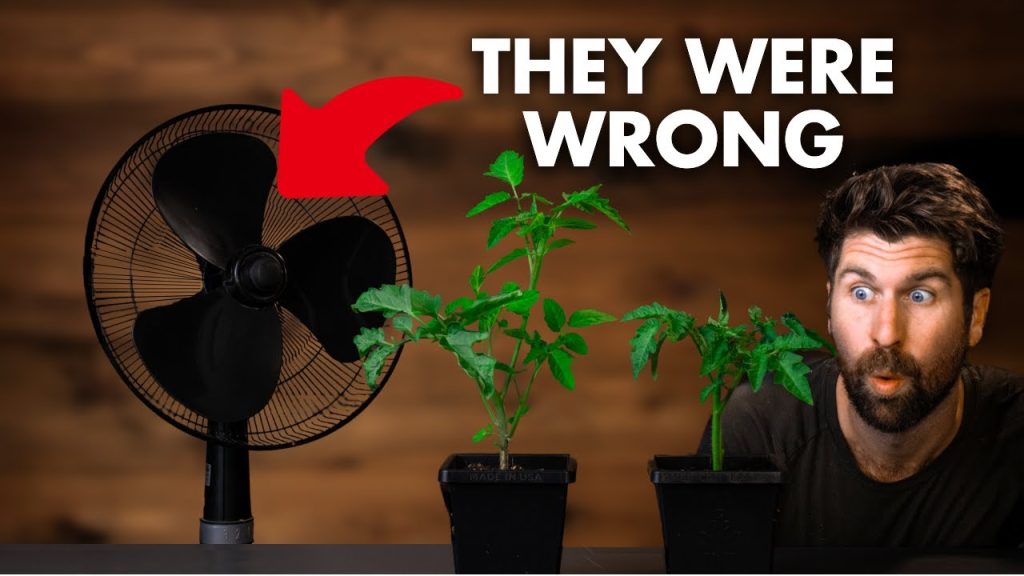
Imagine stepping into your indoor garden and feeling the crisp, fresh air circulating around your plants, enhancing their growth and vitality. You might wonder how such an environment can be achieved within the confines of your home.
The answer lies in the simple yet powerful tool: fans. You may not realize it, but the air quality in your indoor garden can make a world of difference in plant health and productivity. By using fans, you’re not just creating a breeze; you’re crafting an ecosystem where your plants can thrive.
Discover how this small adjustment can transform your indoor garden into a lush paradise, ensuring your plants receive the care they deserve. Curious to learn more? Let’s explore why fans are your garden’s best ally.
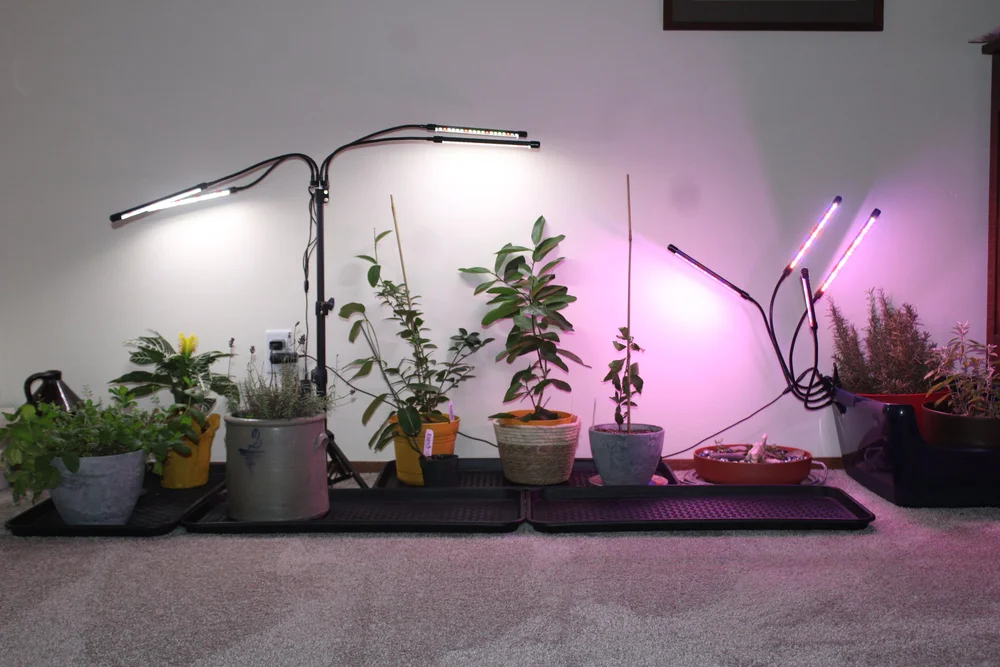
Credit: www.foxrunenvironmentaleducationcenter.org
Benefits Of Using Fans In Indoor Gardens
Fans enhance air circulation, preventing mold and mildew in indoor gardens. They help maintain consistent temperatures, promoting healthy plant growth. Improved airflow strengthens stems, making plants more resilient.
Indoor gardens thrive with the right conditions. Fans play a key role in creating these conditions. They offer multiple benefits, making them essential tools for plant health.Improved Air Circulation
Fans ensure air moves around the plants. This reduces stagnant air pockets. Good air flow helps plants absorb nutrients effectively. It also prevents mold and pests. Fresh air reaches all parts of the plant, promoting growth.Temperature Regulation
Indoor gardens need stable temperatures. Fans help manage this by distributing heat evenly. They prevent hot spots near light sources. Balanced temperatures lead to healthier plants. Plants become less stressed and grow better.Enhanced Plant Respiration
Plants need carbon dioxide for photosynthesis. Fans help deliver this gas by circulating air. This improves plant respiration. Better respiration means more energy for growth. Plants become stronger and more vibrant.
Credit: www.youtube.com
Types Of Fans For Indoor Gardens
Choosing the right fan for your indoor garden is crucial. Fans help with air circulation, temperature control, and humidity. Different types of fans offer unique benefits for plant growth. Understanding these can enhance your gardening efforts. Let’s explore some popular fan types for indoor gardens.
Oscillating Fans
Oscillating fans move side to side, providing consistent airflow. This motion helps distribute air evenly across plants. They reduce hot spots and prevent mold. These fans are versatile and fit various garden setups. Easy to adjust, they can target specific areas. Their gentle breeze mimics natural wind, strengthening plant stems.
Inline Fans
Inline fans are powerful and efficient. They are usually installed in ductwork. These fans remove stale air and bring in fresh air. This improves plant health by controlling temperature and humidity. They are ideal for larger gardens or grow tents. Inline fans are often quieter than other types, making them a good choice for indoor use.
Clip-on Fans
Clip-on fans are compact and flexible. They can be attached to shelves, poles, or walls. This makes them perfect for small spaces or targeted airflow. They are easy to reposition, allowing for precise air direction. Clip-on fans are budget-friendly and energy-efficient. Their small size doesn’t compromise on performance.
Choosing The Right Fan For Your Garden
When you set up an indoor garden, choosing the right fan is crucial for ensuring your plants thrive. The fan you select can directly impact the health of your plants by maintaining proper air circulation. But how do you choose the best fan for your garden? Let’s explore key considerations.
Size And Capacity
The size and capacity of the fan should match the dimensions of your indoor garden. A small fan might not effectively cover a large area, leaving parts of your garden stagnant and prone to mold. On the other hand, an oversized fan could create too much airflow, potentially damaging delicate plants. Measure your garden space and select a fan that can efficiently circulate air throughout the area.
Energy Efficiency
Energy-efficient fans save you money in the long run and are better for the environment. Look for fans with energy-saving features or those certified by energy efficiency programs. This ensures you’re not only keeping your garden healthy but also reducing your electricity bills. A fan that combines high efficiency with optimal performance is a win-win for both you and your plants.
Noise Levels
Consider the noise levels of the fan, especially if your garden is in a living area. A noisy fan can disrupt your peace and become a nuisance. Choose fans with lower decibel levels or those specifically designed to operate quietly. You want to enjoy the tranquility of your indoor garden without the constant hum of a loud fan. Remember, a peaceful environment is just as important as a healthy one.
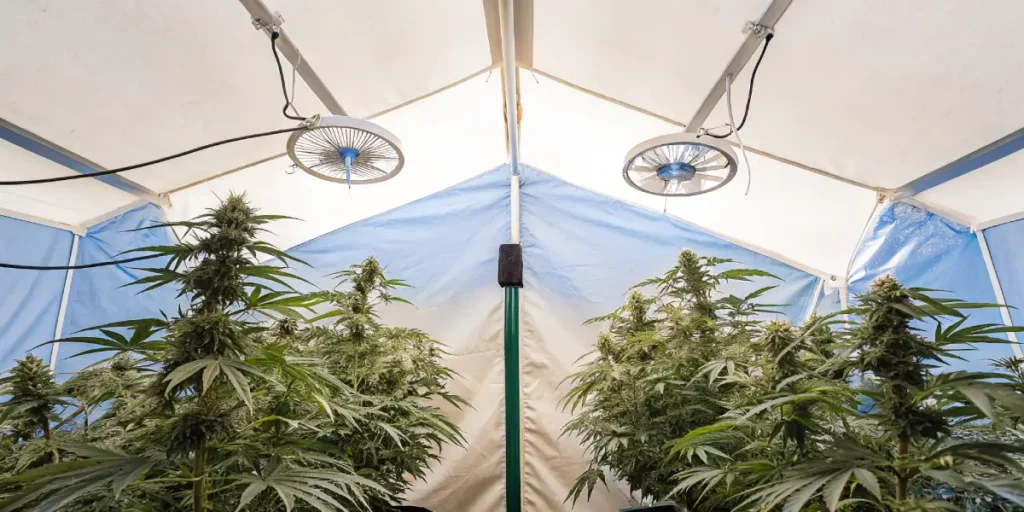
Credit: blimburnseeds.com
Installation Tips For Optimal Performance
Fans in indoor gardens play a vital role in plant health. They help regulate temperature and improve air circulation. Proper installation ensures fans work effectively. This section offers tips for optimal fan performance.
Placement Strategies
Strategic fan placement enhances airflow efficiency. Position fans at different heights. This promotes even air distribution. Aim for a gentle breeze across all plants. Avoid direct wind on delicate seedlings. Consider wall-mounted fans to save floor space. Experiment with angles for best results.
Adjusting Speed Settings
Fan speed impacts air circulation. Start with low settings for young plants. Increase speed as plants mature. High speeds may cause stress. Balance is key for plant health. Use variable speed fans for more control. Adjust speeds based on room temperature.
Regular Maintenance
Maintenance extends fan life and performance. Clean fan blades regularly. Dust can hinder airflow efficiency. Inspect power cables for wear. Replace faulty parts promptly. Lubricate moving parts for smooth operation. Regular checks prevent unexpected breakdowns.
Common Mistakes To Avoid
Using fans in your indoor garden can greatly boost plant health. But many make mistakes that hinder growth. Recognizing these errors can help create the ideal environment for your plants. Here are some common mistakes to avoid when using fans in your indoor garden.
Overcrowding Plants
Overcrowding plants blocks air circulation. This leads to poor growth and disease. Space plants properly for better airflow and healthier plants. Ensure each plant has its breathing space.
Ignoring Humidity Levels
Ignoring humidity levels can harm your plants. High humidity can lead to mold and mildew. Low humidity can dry out plants. Use a hygrometer to monitor and adjust as needed.
Neglecting Fan Maintenance
Neglecting fan maintenance reduces their efficiency. Dust and debris can clog fans. Clean fans regularly to ensure they work well. Check for any signs of wear and tear.
Impact On Plant Growth And Health
Indoor gardens thrive with the right environment. Fans play a crucial role in enhancing plant growth and health. They simulate natural conditions, boosting plant development. Discover how fans benefit your indoor garden.
Faster Growth Rates
Fans increase airflow around plants. This boosts photosynthesis by distributing carbon dioxide evenly. As a result, plants grow faster and healthier. Adequate airflow also maintains consistent temperatures, vital for plant metabolism.
Disease Prevention
Stagnant air can lead to mold and mildew. Fans reduce humidity levels, preventing these issues. Fresh air circulation helps keep diseases at bay. Healthy plants are less prone to infections, ensuring a thriving garden.
Stronger Stems And Leaves
Air movement mimics outdoor conditions. Plants respond by developing sturdier stems and leaves. Stronger plants can support more growth. They also resist pests and environmental stresses better.
Frequently Asked Questions
How Do Fans Benefit Indoor Gardens?
Fans improve air circulation, preventing mold and pests in indoor gardens. They help plants breathe, promoting healthy growth. Enhanced airflow ensures even distribution of humidity and nutrients, optimizing plant health.
Can Fans Reduce Indoor Garden Humidity?
Yes, fans can lower humidity by improving airflow in your indoor garden. This prevents moisture buildup, reducing risks of mold and mildew. Proper ventilation keeps the environment balanced, promoting plant health.
What Type Of Fan Is Best For Indoor Gardening?
Oscillating fans are ideal for indoor gardens. They provide even air distribution, ensuring consistent airflow around plants. Their adjustable settings allow for tailored airflow, enhancing plant growth and preventing stagnant air.
Are Fans Energy-efficient For Indoor Gardens?
Fans are generally energy-efficient and cost-effective for indoor gardens. They consume minimal electricity while providing essential airflow. Using energy-efficient models can further reduce energy costs and support sustainable gardening practices.
Conclusion
Fans play a crucial role in indoor gardening. They help control temperature, making plants thrive. With proper airflow, plants remain healthy and strong. It’s easier to manage humidity with fans. They prevent mold and pests, ensuring plant safety. Fans also help distribute CO2, vital for photosynthesis.
Using fans improves your garden’s overall health. Simple, effective, and essential for plant care. Consider adding fans to your indoor garden setup. It’s a small step with big benefits. Your plants will thank you.







