Imagine walking into your indoor garden and noticing your plants looking a bit under the weather. You’ve nurtured them with love and care, yet something seems off.
The culprit? High pH levels. This silent saboteur can sneak up on even the most diligent gardeners, throwing your plant’s health into disarray. But fear not! By learning how to lower the pH in your indoor garden, you can restore balance and vitality to your green sanctuary.
You’ll discover simple, effective techniques to create an optimal environment where your plants can truly thrive. Ready to unlock the secrets to a healthier indoor garden? Let’s dive in and turn your gardening frustrations into flourishing success.

Credit: nosoilsolutions.com
Importance Of Ph In Indoor Gardening
Understanding the pH level in your indoor garden is crucial. pH affects how plants absorb nutrients. It determines nutrient availability. Plants thrive within a specific pH range. If pH is too high or low, plants struggle. You may notice stunted growth. Leaves may turn yellow or brown. Maintaining the right pH ensures healthy plants. It promotes better growth and development.
Understanding Ph Basics
pH measures acidity or alkalinity. It’s a scale from 0 to 14. A pH of 7 is neutral. Below 7 is acidic; above 7 is alkaline. Most indoor plants prefer pH between 5.5 and 6.5. This range allows optimal nutrient uptake.
Effect Of Ph On Nutrient Absorption
pH influences nutrient solubility. Nutrients dissolve better at the right pH. If pH is off, nutrients can’t dissolve. Plants can’t absorb them properly. This leads to nutrient deficiencies. Iron, manganese, and phosphorus are pH-sensitive. They become unavailable at improper pH levels.
Common Ph Problems In Indoor Gardens
Many gardeners face pH issues. Soil and water can alter pH. Over time, it may drift from the ideal range. Testing pH regularly helps catch these changes. pH imbalances can cause poor plant health. Identifying issues early prevents long-term damage.
Signs Of Incorrect Ph Levels
Watch for signs of pH problems. Yellowing leaves indicate pH issues. Leaf tips may brown. Growth might be slow or uneven. Flowers may fail to bloom. Regular monitoring helps maintain the right pH.

Credit: www.instagram.com
Signs Of High Ph Levels
Understanding the signs of high pH levels in your indoor garden is crucial for maintaining healthy plants. When the pH level rises above the optimal range, plants struggle to absorb nutrients, leading to various growth issues. By recognizing these signs early, you can take corrective measures to bring your garden back to its thriving best.
Yellowing Leaves
Yellowing leaves often indicate nutrient deficiencies caused by high pH levels. This is because essential nutrients become less available in alkaline conditions. If you notice leaves turning yellow, check the pH level and adjust accordingly.
Stunted Growth
Plants with stunted growth might be suffering from high pH levels. When the pH is too high, the absorption of key nutrients like iron, manganese, and phosphorus is hindered. If your plants are not growing as expected, consider testing the pH and make necessary adjustments.
Leaf Spots And Brown Edges
High pH levels can lead to leaf spots and brown edges. These symptoms result from the plant’s inability to uptake nutrients properly. Regularly monitor your plants for these signs and adjust the pH to ensure optimal nutrient absorption.
Poor Flower And Fruit Production
If your plants are not flowering or fruiting well, high pH might be the culprit. Alkaline conditions can impede the availability of nutrients necessary for blooming and fruiting. Ensure your soil or growing medium is at the right pH to support plant reproduction.
Have you ever noticed these signs in your indoor garden? Addressing the pH levels can transform your plants’ health. Regular monitoring and timely interventions will keep your garden vibrant and productive.
Testing Soil Ph
Testing the pH of your indoor garden soil is essential. It helps determine the soil’s acidity or alkalinity. Knowing your soil’s pH level can guide you in making necessary adjustments. It ensures optimal growth conditions for your plants. This section will guide you through the soil pH testing process.
Understanding Soil Ph Levels
Soil pH is measured on a scale from 0 to 14. A pH of 7 is neutral. Below 7 indicates acidity, while above 7 suggests alkalinity. Most plants thrive in slightly acidic to neutral soil. Test your soil to know its exact pH level.
Using A Ph Meter
pH meters provide accurate readings. Insert the probe into moist soil. Read the display for the pH level. Ensure the probe is clean for precise results.
Testing With Ph Test Kits
pH test kits are another option. Mix soil with distilled water in a test container. Add the provided solution or test strip. Compare the color change to the pH scale provided. It’s a simple and effective method.
Diy Ph Testing Methods
Try DIY methods if you lack tools. Use vinegar and baking soda. Add vinegar to a soil sample. Fizz indicates alkaline soil. Add baking soda to another sample. Fizz indicates acidity. These methods provide a rough estimate.
Recording And Monitoring Results
Record your pH readings regularly. Monitor changes over time. It helps track soil health and the effectiveness of any adjustments. Proper monitoring ensures your plants continue to thrive.
Natural Methods To Lower Ph
Lowering pH in an indoor garden can be achieved naturally by adding organic matter like compost or peat moss. These materials gradually acidify the soil, helping plants absorb nutrients more effectively. Regular testing ensures a balanced environment for optimal growth.
Natural methods provide an effective way to lower the pH in indoor gardens. These methods use everyday items and organic materials. They are eco-friendly and safe for plants. Let’s explore how you can naturally adjust pH levels.Using Vinegar
Vinegar is a common household item. It’s acidic and can lower soil pH. Mix one cup of vinegar with a gallon of water. Pour this mixture around the base of your plants. This method is quick and cost-effective. Repeat every few weeks to maintain desired pH levels. Avoid using too much, as it may harm plants.Incorporating Peat Moss
Peat moss is another natural option. It gradually decreases soil pH. Add peat moss directly to your soil. Mix it thoroughly for even distribution. It retains moisture and improves soil structure. Peat moss also provides nutrients. It’s a simple yet effective way to manage pH.Lemon Juice Application
Lemon juice is acidic and easy to use. Mix lemon juice with water in a 1:10 ratio. Pour the solution around plant roots. This will gently lower the pH. Lemon juice is a natural and safe choice. It is suitable for most indoor plants. Avoid overuse to prevent damage.Chemical Solutions For Ph Adjustment
Lowering pH in an indoor garden can be achieved with chemical solutions like phosphoric acid or vinegar. These solutions adjust soil acidity, promoting better nutrient absorption. Regular monitoring ensures the pH remains at optimal levels for plant health.
Chemical solutions offer precise control over pH levels in your indoor garden. They can quickly adjust the soil’s acidity, ensuring optimal plant growth. Using chemical solutions requires careful handling and understanding of their effects.Sulfur Addition
Sulfur is a natural element that lowers soil pH effectively. It converts to sulfuric acid, reducing pH levels. Add sulfur by sprinkling it on the soil surface. Ensure even distribution for consistent results. Water the soil thoroughly after application. This activates the sulfur, aiding in acidification. Keep in mind, sulfur works slowly. Results may take weeks or months.Ph Down Products
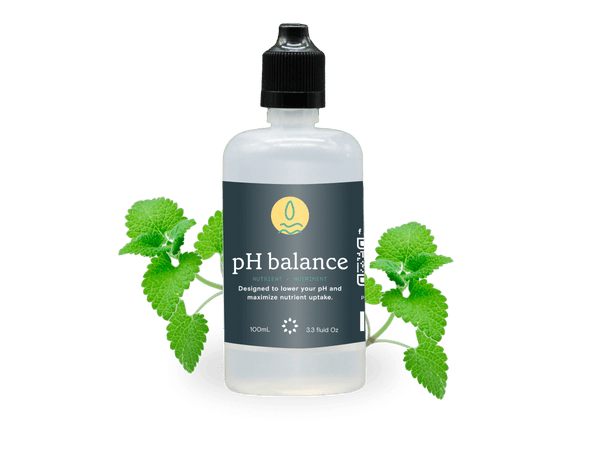
pH Down products are commercial solutions designed for pH reduction. They are available in liquid or powder form. Use these products by following label instructions carefully. Typically, they contain phosphoric, nitric, or citric acids. These acids rapidly decrease pH levels. To use, mix the product with water as directed. Apply the mixture to the soil or growing medium. Monitor pH levels regularly after application. This ensures plants remain in their optimal growing range. Always wear protective gear when handling these products.Adjusting Water Ph
Adjusting the pH of the water in your indoor garden is essential. It helps plants absorb nutrients better. Water that is too alkaline or too acidic can harm plants. Balancing pH ensures healthy growth and vibrant foliage.
Using Distilled Water
Distilled water can help lower pH levels. It is free from minerals and impurities. This makes it a neutral base for your plants. Test the pH before using it in your garden. Adjust if needed to fit your plant’s requirements.
Adding Acidic Solutions
Acidic solutions can effectively lower water pH. Common options include vinegar or lemon juice. Use them sparingly to avoid drastic pH changes. Start with a few drops, then test the water. Adjust until the desired pH is reached.
Maintaining Optimal Ph Balance
Maintaining optimal pH balance is crucial for indoor gardening success. It ensures that plants absorb nutrients efficiently. A pH level that is too high or too low can lead to nutrient deficiencies. Regular monitoring and adjustments help keep the pH level in check.
Regular Monitoring
Check the pH level weekly using a reliable pH meter. Keeping a consistent schedule helps you catch any fluctuations early. Record the readings for future reference. This data aids in understanding trends and making informed adjustments.
Adjustments Based On Plant Needs
Different plants thrive at different pH levels. Know the specific needs of each plant species in your garden. Tailor adjustments to match these requirements. Use pH-lowering solutions like vinegar or citric acid cautiously. Add small amounts to avoid drastic changes. Retest after adjustments to ensure desired levels are achieved.
Common Mistakes To Avoid
Overusing chemical solutions can harm plants. Testing the water’s pH level is often skipped, leading to errors. Ignoring soil type may cause imbalances, affecting plant growth.
When you’re working to lower the pH in your indoor garden, it’s easy to make mistakes that can hinder your progress or even harm your plants. By understanding these common pitfalls, you can save time, effort, and avoid unnecessary setbacks. Let’s dive into some of the frequent errors gardeners make and how you can steer clear of them.Overusing Ph Lowering Agents
Adding too much pH lowering agent can quickly lead to an environment that’s too acidic. This can damage plant roots and stunt growth. Always start with small adjustments, and test your soil or water frequently to monitor changes.Neglecting Regular Testing
Relying on guesswork for your pH levels is a risky move. Regular testing with a reliable pH meter ensures you have accurate data to base your decisions on. Make it a habit to check your pH levels at least once a week.Ignoring Water Quality
The water you use can significantly affect your pH levels. Tap water, for instance, often contains minerals that raise pH. Consider using filtered or rainwater to maintain better control over your garden’s acidity.Using The Wrong Soil Amendments
Not all soil amendments are suitable for lowering pH. Some, like lime, actually increase pH. Opt for amendments known to lower pH, such as elemental sulfur or aluminum sulfate, and follow the instructions carefully.Failing To Research Plant Preferences
Different plants have different pH needs, and assuming they all thrive in the same conditions can be a costly mistake. Research the specific pH preferences of your plants to tailor your approach for each one.Skipping Organic Matter
Neglecting to add organic matter can lead to poor soil quality and inconsistent pH levels. Compost and other organic materials not only help stabilize pH but also enrich the soil. Consider integrating them into your gardening routine for better results. By keeping these common mistakes in mind, you can create a more thriving indoor garden. Have you encountered any of these challenges in your gardening journey? Share your experiences and solutions in the comments!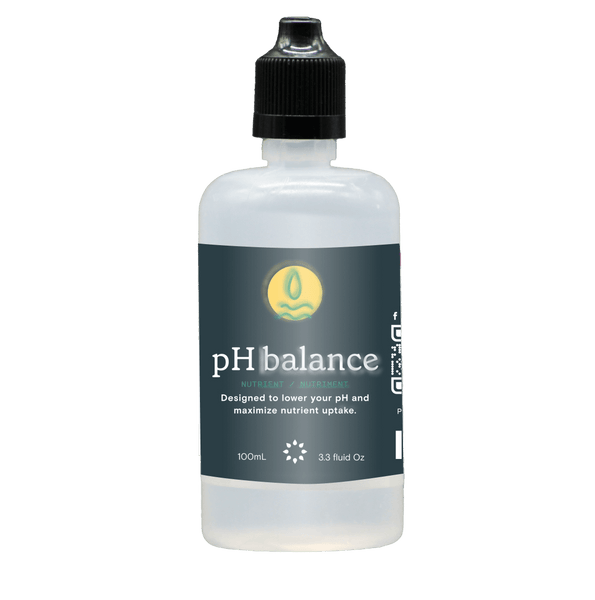
Credit: risegardens.com
Frequently Asked Questions
What Causes High Ph In Indoor Gardens?
High pH in indoor gardens is often caused by alkaline soil or water. It can also result from fertilizers containing lime. Testing soil and water regularly helps identify the source. Using pH meters can offer precise measurements. Adjusting these factors can help maintain a balanced pH level.
How Can I Test Soil Ph At Home?
Testing soil pH at home is simple with a pH meter or test kit. These tools provide quick and accurate readings. Alternatively, mixing soil with water and using litmus paper can work. Regular testing ensures optimal conditions for plant health.
What Are Natural Ways To Lower Ph?
Natural ways to lower pH include adding organic matter like peat moss or compost. These materials gradually acidify the soil. Another method is using vinegar or lemon juice in small amounts. Ensure you test pH levels regularly to avoid over-acidification.
Can Ph Affect Plant Growth Indoors?
Yes, pH significantly affects plant growth indoors. An imbalanced pH can lead to nutrient deficiencies or toxicities. This impacts root development and overall health. Maintaining an optimal pH ensures plants absorb nutrients effectively. Regular monitoring is crucial for thriving indoor gardens.
Conclusion
Lowering pH in your indoor garden boosts plant health. Start by testing your soil. Choose simple methods like vinegar or lemon juice. Regularly monitor pH levels to maintain balance. Adjustments prevent nutrient lockout. Healthy plants thrive with proper pH. Consistent care leads to vibrant growth.
Remember, each plant has unique needs. Tailor solutions to suit them. Experiment and observe results. This makes gardening a rewarding experience. Happy gardening! Keep learning and growing your skills. Your plants will thank you with lush blooms. Enjoy your green oasis and its beauty.