Imagine stepping outside your back door, the sun warming your face, and being greeted by a vibrant, thriving vegetable garden. The fresh scent of earth and the sight of your own homegrown produce is something magical.
If you’ve ever dreamed of plucking ripe tomatoes or crisp lettuce straight from your garden, you’re not alone. Many homeowners are turning their yards into personal vegetable gardens, transforming their outdoor spaces into havens of health and sustainability. But what if you could enjoy fresher, tastier, and healthier meals without making a trip to the store?
What if your garden could be your new favorite corner of your home, where relaxation meets productivity? If this vision excites you, you’re in the right place. This guide is designed to help you start your own vegetable garden with ease and confidence. Keep reading, and discover how you can bring the joy of gardening into your life, one seed at a time.

Credit: www.realtor.com
Choosing The Right Location
Selecting the ideal spot for a vegetable garden is crucial. Look for a sunny area with good soil and drainage. Nearby water access makes watering easier.
Choosing the right location is crucial when planting a vegetable garden. It impacts your garden’s success and productivity. A well-chosen spot ensures your vegetables grow healthy and strong. Let’s explore how to select the best location for your garden.Assess Sunlight Exposure
Vegetables love sunlight. Most need at least six hours daily. Observe your yard. Identify areas with consistent sun exposure. Avoid shady spots. They can stunt growth.Consider Soil Quality
Check the soil where you plan to plant. It should be rich and well-drained. Poor soil? Don’t worry. You can amend it with compost. This improves fertility and structure.Evaluate Water Access
Ensure your garden is near a water source. Watering is essential for plant health. Carrying water long distances is tiring. Save time and effort by choosing a convenient spot.Check Wind Protection
Strong winds can damage plants. Look for natural windbreaks. Tall fences or hedges work well. They protect tender plants from harsh gusts.Avoid High-traffic Areas
Place your garden away from footpaths. Constant traffic can compact soil. It may harm plant roots. Choose a quieter area for peace and safety.Plan For Growth
Think long-term. Leave space for future expansion. Start small, but allow room for growth. Your garden will flourish, providing more produce.
Credit: www.yahoo.com
Soil Preparation
Soil preparation is key to a thriving vegetable garden. Loosen the soil with a spade or fork. Remove any rocks and weeds. Mix in compost to enrich the soil with nutrients. Ensure good drainage to prevent waterlogging. This foundation supports healthy plant growth.
Soil preparation is vital for a thriving vegetable garden. It sets the foundation for plant health. Quality soil boosts growth and yields. This process involves testing and amending the soil. Good soil supports root development and nutrient absorption. Let’s explore the key steps for effective soil preparation.Testing Soil Quality
Testing the soil reveals its current state. It helps identify nutrient deficiencies. A simple test checks pH levels. Ideal pH for vegetables is between 6 and 7. You can use a home test kit. These kits are easy to use and affordable. They guide you on any amendments needed.Amending Soil For Vegetables
Amending soil improves its texture and fertility. Organic matter like compost enhances soil structure. It increases nutrient content and water retention. Add well-rotted manure for extra nutrients. Mix these materials into the soil. Ensure they blend well with the existing soil. This process creates a hospitable environment for plants. Use mulch to conserve moisture and suppress weeds. It keeps the soil temperature stable. Regularly check and adjust soil amendments. This ensures continuous soil health and productivity.Selecting Vegetables
Choosing the right vegetables is key for a thriving garden. Consider climate and space to select suitable varieties. Opt for easy-to-grow options like tomatoes, carrots, and lettuce for beginners.
Selecting the right vegetables is vital for a thriving garden. It ensures you grow produce that suits your environment. This approach saves time and resources. Let’s explore some key factors in choosing your garden’s vegetables.Considering Climate And Season
Knowing your local climate is essential. Some vegetables thrive in cool weather. Others need warmth and sun. Check average temperatures and frost dates for your area. This helps determine planting times. Spring might be ideal for leafy greens. Tomatoes might prefer the summer heat. Adjust plans based on seasonal changes.Companion Planting Strategies
Companion planting boosts vegetable growth. Certain plants help each other when grown together. For instance, basil can enhance tomato growth. Marigolds might deter pests from cucumbers. Research plant pairings that benefit each other. This strategy improves soil health. It also enhances flavor and yield. Choose companions wisely for a productive garden.Planting Techniques
Choosing the right spot ensures healthy vegetable growth. Good soil preparation boosts plant health and yield. Regular watering keeps plants hydrated and flourishing.
Planting a vegetable garden is a rewarding adventure. Knowing the right techniques can make all the difference in your harvest. Whether you’re a first-time gardener or a seasoned pro, understanding how to plant effectively can lead to bountiful crops. Let’s delve into some crucial aspects of planting techniques that will set you on the path to success.Spacing And Depth
Proper spacing and depth are essential for healthy plants. Crowded plants compete for nutrients, water, and sunlight. Make sure to read seed packets or plant labels which often recommend the ideal spacing. Consider the mature size of your plants. For instance, tomatoes need more space than lettuce. Planting too deeply or too shallowly can affect germination and growth. As a rule of thumb, plant seeds at a depth of two to three times their width.Seed Starting Vs. Transplants
Decide whether to start from seeds or use transplants. Each method has its pros and cons. Starting from seeds can be more cost-effective and offers a wider variety of plants. Transplants, on the other hand, give you a head start. This is especially useful for plants with long growing seasons. However, they can be more expensive and limit you to what’s available in local nurseries. Think about your climate and time constraints. If your growing season is short, transplants might be the way to go. What’s your preference, the challenge of nurturing seeds or the convenience of transplants?Watering Practices
Watering practices are essential for a thriving vegetable garden. Consistent, deep watering encourages root growth and plant health. Early morning watering helps reduce evaporation and prevents fungal diseases.
Watering your vegetable garden is more than just turning on a hose and hoping for the best. Successful gardening requires understanding the specific needs of your plants. By tailoring your approach, you can ensure your garden thrives, producing abundant and healthy vegetables for you and your family.Identifying Water Needs
Every vegetable has its own thirst level. Some, like tomatoes, prefer deep watering a few times a week, while others, such as lettuce, thrive on more frequent, lighter waterings. Check the soil moisture by sticking your finger an inch deep into the soil. If it feels dry, it’s time to water. Do you know the signs your plants give when they’re thirsty? Wilting leaves during the cooler parts of the day can indicate they need a drink. Observing these cues can save your plants from stress and keep them lush.Efficient Irrigation Methods
Drip irrigation is an excellent choice for efficient watering. It delivers water directly to the plant roots, minimizing evaporation. This method not only saves water but also reduces the risk of fungal diseases caused by wet foliage. Consider using soaker hoses for a cost-effective solution that also provides moisture directly to the soil. These hoses can be laid alongside plant rows, ensuring even distribution of water. If you’re often away, an automated system with timers can be a game-changer, offering peace of mind and consistent care for your garden. Have you thought about collecting rainwater? Installing a rain barrel can be an eco-friendly option, providing free water for your garden during dry spells. This sustainable practice can make a significant difference in your water bill and help the environment.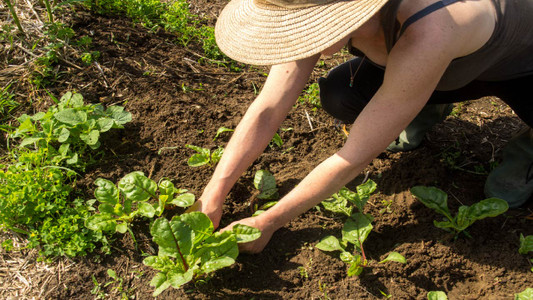
Credit: www.dripworks.com
Pest And Disease Control
Managing pests and diseases is crucial for a thriving vegetable garden. Unchecked infestations can ruin months of hard work. Effective control ensures healthy plants and bountiful harvests. Using natural methods promotes eco-friendly gardening. This approach also keeps your produce safe and chemical-free.
Natural Pest Deterrents
Many gardeners prefer natural pest control. It protects both plants and the environment. Here are some effective methods:
- Companion Planting:Grow basil with tomatoes. It repels harmful insects.
- Homemade Sprays:Mix water and dish soap. Spray it on leaves.
- Physical Barriers:Use nets to cover vulnerable plants.
- Beneficial Insects:Ladybugs eat aphids. Encourage them in your garden.
Recognizing Signs Of Disease
Spotting disease early can save your crops. Regular inspections help catch issues quickly. Here’s what to watch for:
- Discolored Leaves:Yellow or brown spots signal trouble.
- Wilting Plants:Sudden drooping might mean root problems.
- Fungal Growth:White powder on leaves indicates mildew.
- Stunted Growth:Plants not growing may have a disease.
Regular monitoring and prompt action are key. Healthy plants resist pests and diseases better.
Fertilizing The Garden
A homeowner enriches the soil with organic fertilizers for a thriving vegetable garden. Nutrient-rich soil boosts plant health and growth. Compost and mulch help retain moisture, ensuring fresh vegetables all season.
Fertilizing the garden is key for a lush vegetable harvest. Nutrients help plants grow strong and yield more. Picking the right fertilizer matters for your garden’s health.Organic Vs. Chemical Options
Organic fertilizers come from natural materials. They enrich soil with nutrients and improve its structure. Examples are compost, manure, and bone meal. They release nutrients slowly, feeding plants over time. Organic options are eco-friendly. They boost soil health and attract beneficial organisms. Chemical fertilizers are man-made. They provide nutrients in exact amounts. These fertilizers work fast, showing quick results. They’re easy to use and often cheaper. Yet, they can harm soil life if overused. It’s important to follow instructions carefully.Frequency Of Application
The timing of fertilization affects plant growth. For organic fertilizers, apply them at the start of planting. They take time to break down and nourish the soil. Compost can be added once or twice each season. Chemical fertilizers require frequent applications. Usually, every four to six weeks. Always read the label for guidance. Too much can harm plants. Consistent feeding helps maintain steady growth. Understanding these choices aids in nurturing a thriving garden.Harvesting Tips
Discover the best time to pick your vegetables for peak flavor. Early mornings are ideal for harvesting leafy greens. Handle root vegetables with care, removing dirt gently.
Planting a vegetable garden is a rewarding experience, but the true delight comes during harvest time. Understanding the nuances of when and how to gather your produce can make a significant difference in the taste and quality of your vegetables. Whether you’re a seasoned gardener or a beginner, these harvesting tips will guide you to make the most out of your garden bounty.Optimal Harvest Times
Timing is crucial in harvesting. Picking vegetables too early can lead to a lack of flavor, while waiting too long can result in overripeness. For example, tomatoes are best harvested when they are fully colored but still firm. You can gently squeeze them to check for firmness. Similarly, carrots should be harvested when they reach the desired size, usually around 1 inch in diameter. To maximize taste, harvest leafy greens like lettuce and spinach early in the morning. This is when they are crisp and hydrated from the cool night. Conversely, root vegetables like potatoes and onions should be left in the ground until the tops begin to die back, ensuring they have absorbed all possible nutrients. Consider the weather too—harvesting before heavy rain can prevent mold and rot.Storing And Preserving Produce
Once harvested, proper storage is vital to prolong the life of your vegetables. You should store tomatoes at room temperature, away from direct sunlight to maintain their flavor. On the other hand, root vegetables like carrots and potatoes benefit from cool, dark places such as a pantry or cellar. Preserving your produce is another great option. You can freeze, can, or dry vegetables to enjoy them year-round. Blanching vegetables like peas and beans before freezing can help maintain their color and texture. For herbs, drying them in a warm, dry place allows you to capture their essence for months. Have you thought about pickling cucumbers or fermenting cabbage into sauerkraut? These methods not only preserve your produce but also add exciting flavors to your meals. Your garden offers more than just fresh vegetables—it’s a gateway to culinary creativity.Maintaining Garden Health
Maintaining garden health is crucial for a thriving vegetable garden. Regular attention ensures your plants grow strong, resist pests, and yield abundant produce. A healthy garden can be your source of joy and nourishment, transforming your backyard into a productive paradise.
Regular Monitoring And Care
Frequent checks are vital to catch issues early. Inspect leaves for discoloration or spots which might indicate disease or pest infestation. Watering should be consistent, keeping soil moist but not soggy.
Consider creating a garden journal. Document changes, growth patterns, and any interventions. This practice helps you identify trends and make informed decisions.
Engage with your plants. Spend time observing them daily. You might notice subtle changes indicating their needs. What does your garden tell you today?
Seasonal Adjustments
Adapt your care routine as seasons change. In spring, focus on planting and nurturing seedlings. Summer often demands more water as temperatures rise.
Autumn brings cooler nights, prompting you to adjust watering and fertilization. Consider mulching to retain soil moisture and protect roots from frost.
Winter doesn’t mean neglect. Prepare your garden for the cold by covering sensitive plants. Reflect on what worked this year and plan for next season.
Frequently Asked Questions
What Vegetables Are Best For Beginners?
For beginners, easy-to-grow vegetables like tomatoes, lettuce, and carrots are ideal. They require minimal maintenance and thrive in various climates. Choose vegetables suited to your region for optimal results. Beginners should focus on plants that are resilient to pests and diseases.
How Much Sunlight Do Vegetable Gardens Need?
Vegetable gardens typically need at least 6-8 hours of sunlight daily. Sunlight is crucial for photosynthesis, which fuels plant growth. Ensure your garden is placed where it receives consistent, direct sunlight. Some shade-tolerant vegetables can thrive with less sunlight.
How Often Should I Water My Garden?
Water your vegetable garden regularly, about 2-3 times a week. Adjust frequency based on weather conditions. Soil should remain moist but not waterlogged. Early morning or late afternoon watering helps prevent evaporation and disease.
What Soil Is Best For Vegetables?
Vegetables thrive in nutrient-rich, well-draining soil. Use loamy soil with organic matter for optimal growth. Test soil pH and amend with compost or fertilizers as needed. Proper soil preparation ensures healthy plants and abundant yields.
Conclusion
Planting a vegetable garden brings joy and fresh food. It’s a rewarding hobby. Watching plants grow is satisfying. You’ll enjoy homegrown vegetables. They taste better than store-bought. Gardening is relaxing and fun. It teaches patience. You learn about nature and seasons.
Start small and expand later. Share your harvest with friends. They will love it. Gardening builds community. It connects people. You can swap tips and seeds. Each season offers something new. So, dig into this fulfilling journey. Your garden awaits you.