You’ve just planted your vegetable garden, and it’s buzzing with potential. Each tiny seedling holds the promise of fresh tomatoes, crisp cucumbers, and vibrant greens.
But to unlock this potential, your garden needs the right nourishment. How you fertilize your garden after planting can make all the difference in your harvest. Imagine biting into a juicy, homegrown tomato or tossing a salad made entirely from your backyard bounty.
Sounds rewarding, doesn’t it? We’ll guide you step-by-step on how to fertilize your vegetable garden effectively. This way, you can enjoy a thriving, fruitful garden that’s the envy of your neighborhood. Dive in to discover the secrets of nurturing your green space and turning your gardening dreams into reality.
Choosing The Right Fertilizer
Choosing the right fertilizer for your vegetable garden can make all the difference in the health and yield of your plants. It’s not just about feeding the plants; it’s about providing the right nutrients at the right time. Whether you’re aiming for lush greens or vibrant tomatoes, understanding the types of fertilizers available and their nutrient compositions can help you make informed decisions. Let’s explore the options and see what suits your garden best.
Organic Vs. Synthetic Options
The debate between organic and synthetic fertilizers is ongoing, but each has its merits. Organic fertilizers, made from natural sources like compost, manure, or bone meal, enrich the soil and improve its structure over time. They provide a slow release of nutrients, ensuring a steady supply to your plants.
On the other hand, synthetic fertilizers are manufactured to deliver precise nutrient ratios quickly. They can be tailored to specific plant needs and are usually more cost-effective. However, synthetic options don’t improve soil health and can potentially lead to nutrient runoff.
Imagine standing in your garden, pondering which route to take. Organic fertilizers might be your choice if you’re committed to sustainable gardening. But if you’re seeking immediate results and control over nutrient levels, synthetic might be the way to go.
Nutrient Composition
The nutrient composition of fertilizers is crucial to understand. Most fertilizers are labeled with three numbers indicating the N-P-K ratio: nitrogen, phosphorus, and potassium. Nitrogen promotes leafy growth, phosphorus aids root development, and potassium strengthens the plant’s overall health.
Consider what your garden needs. Are your leafy greens lacking vigor? A higher nitrogen fertilizer might do the trick. Is your soil deficient in phosphorus? Look for a fertilizer with a higher middle number. Tailoring your nutrient mix to your plant’s needs can result in a thriving garden.
A friend once shared her experience of using a balanced fertilizer only to realize her tomatoes needed more potassium. Adjusting her approach not only improved her harvest but also taught her the importance of understanding nutrient composition.
Are you ready to experiment with different nutrient compositions? Your garden’s success might just depend on the choices you make today.

Credit: www.rasnetwork.org
Timing Of Fertilization
Fertilizing your vegetable garden after planting ensures healthy growth. Begin fertilizing two weeks post-planting for best results. Use a balanced fertilizer, applying every four to six weeks.
Timing is crucial when it comes to fertilizing your vegetable garden. Applying the right nutrients at the right time ensures your plants grow healthy and produce bountiful harvests. The key is to understand when your plants need a nutrient boost and how often to provide it.Initial Application
The first application of fertilizer is like giving your plants a head start. After planting, wait until your vegetables have established roots—typically a couple of weeks. This ensures they can efficiently uptake the nutrients. Use a balanced fertilizer that contains equal parts of nitrogen, phosphorus, and potassium. This mix supports leafy growth, strong roots, and healthy fruit production. Apply the fertilizer evenly around the base of each plant, avoiding direct contact with the stems to prevent burning.Follow-up Schedule
Consistency is key when it comes to follow-up fertilization. After the initial application, set a schedule based on your plant types. Leafy greens may need feeding every three weeks, while fruiting vegetables like tomatoes might benefit from a monthly application. Use a diluted liquid fertilizer or compost tea for the follow-up feedings. This gentle approach ensures you don’t overwhelm the plants with too much nutrient at once. Keep an eye on the weather; avoid fertilizing before heavy rain which can wash away the nutrients. Are your plants looking a bit yellow or stunted? It might be time to adjust your fertilization schedule. Remember, the goal is to support your plant’s natural growth cycle without overdoing it.Application Techniques
Fertilizing a vegetable garden after planting involves using balanced fertilizers to support plant growth. Apply fertilizers evenly around plants, avoiding direct contact with stems. Water thoroughly to help nutrients reach the roots.
Fertilizing a vegetable garden after planting ensures healthy growth and a good harvest. Using the right application techniques is important for effective nutrient delivery. Different methods suit different garden needs. Let’s explore some popular techniques.Broadcasting Method
The broadcasting method involves spreading fertilizer evenly over the soil surface. It’s simple and covers large areas quickly. This method is ideal for gardens with many plants. Use a spreader for even distribution. Granular fertilizers work well with this method. Avoid applying too much, as it can harm plants. After broadcasting, water the garden to help nutrients reach the roots.Side Dressing
Side dressing delivers nutrients directly to plant roots. Place fertilizer along the side of each plant row. This method targets specific plants needing extra nutrients. Use it for plants like tomatoes and peppers. Avoid placing fertilizer too close to stems. This prevents burning the plants. Water the area after applying to help nutrients dissolve into the soil. This ensures plants absorb them efficiently.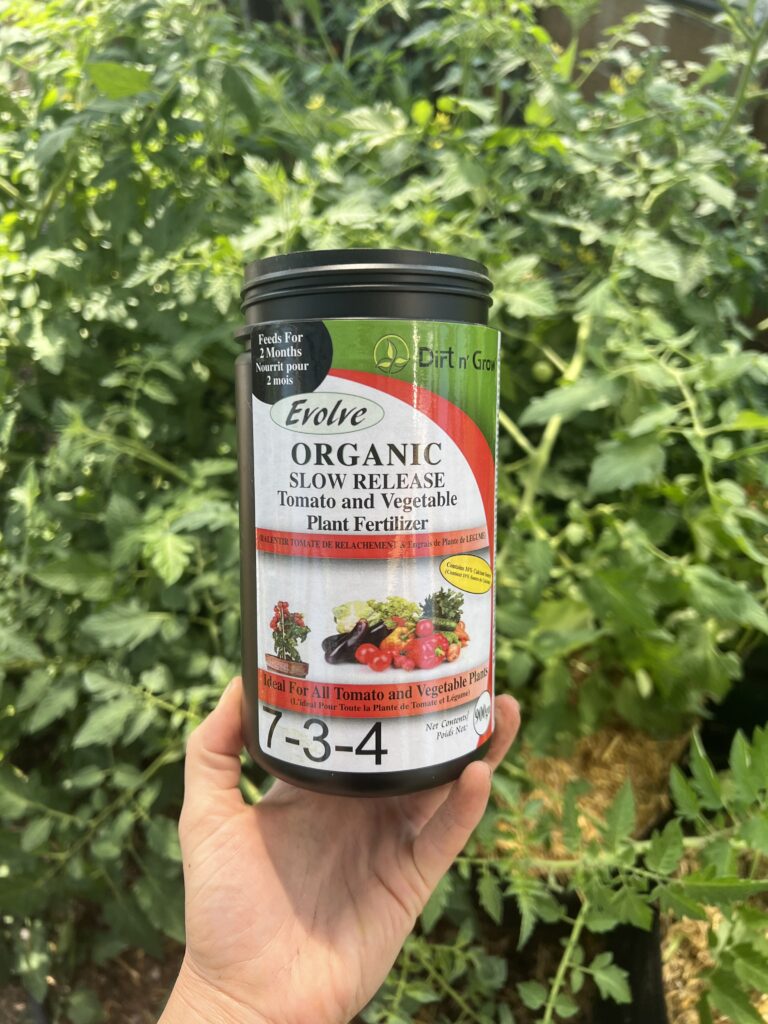
Credit: fromsoiltosoul.ca
Common Mistakes To Avoid
Applying too much fertilizer can harm plants and soil. Overwatering may wash away nutrients. Avoid fertilizing during mid-day heat to prevent root burn.
Fertilizing your vegetable garden after planting is a crucial step to ensure your plants receive the nutrients they need to thrive. However, many gardeners, both new and experienced, can make mistakes that hinder plant growth. Understanding these common pitfalls can save you time and help your garden flourish.Over-fertilization Risks
Over-fertilization is a mistake that can lead to more harm than good. Adding too much fertilizer can burn plant roots, causing wilting and yellowing of leaves. This might result in stunted growth or even plant death. Consider the needs of each plant. Just like people, different plants have different dietary requirements. For instance, leafy greens might need more nitrogen, while root vegetables might prefer a phosphorus boost. Always read and follow the instructions on fertilizer packages. A little research can prevent over-fertilization and keep your plants healthy.Incorrect Application
Applying fertilizer incorrectly can also lead to problems. Spreading fertilizer too close to the plant stem can damage it. Always ensure that you apply it evenly and at the recommended distance from plant stems. Watering after fertilizing is essential. It helps nutrients reach the roots effectively. Skipping this step might leave your plants hungry, even if you’ve given them the right amount of nutrients. Think about the timing of your fertilization. Applying it during a hot, sunny day might cause it to evaporate before doing any good. Early morning or late afternoon applications are typically more effective. Have you ever noticed your plants not responding to fertilizers as expected? It might be worth revisiting your application method. Small adjustments can make a big difference in your garden’s success.Monitoring Plant Health
Fertilizing vegetable gardens after planting boosts plant health and growth. Use balanced fertilizers to provide essential nutrients. Carefully follow instructions to avoid over-fertilizing, ensuring robust, tasty crops.
Monitoring the health of your vegetable garden is crucial after fertilizing. It ensures that your plants are getting the nutrients they need to thrive. Regularly checking your plants can help you catch any issues early, allowing for timely adjustments and better yields.Signs Of Nutrient Deficiency
Plants show specific signs when they lack essential nutrients. Yellowing leaves might indicate a nitrogen deficiency, while purpling could suggest a lack of phosphorus. Wilting or stunted growth can also be signs your plants need more nutrients. Understanding these symptoms can save you time and effort. Look for changes in leaf color, growth patterns, and overall plant vitality. Knowing these signs helps you take action before it’s too late.Adjusting Fertilizer Use
Once you recognize the signs of deficiency, it’s time to adjust your fertilizer usage. If you notice yellowing leaves, consider adding a nitrogen-rich fertilizer. On the other hand, if your plants aren’t flowering, a phosphorus boost might be needed. It’s not just about adding more fertilizer—balance is key. Too much of a good thing can harm your plants. Adjust your fertilizer based on the specific needs of your garden. Regular adjustments can lead to a healthier, more productive garden. Don’t be afraid to experiment and find what works best for your soil and plants. Are you ready to tweak your fertilizing routine for better results?Natural Alternatives To Fertilizers
Boost garden health with compost, manure, or coffee grounds. These natural alternatives enrich soil and support plant growth. They offer essential nutrients without chemicals, ensuring a thriving vegetable garden.
After planting your vegetable garden, you might wonder how to nourish your plants naturally, without relying on chemical fertilizers. Natural alternatives to fertilizers not only enhance the soil health but also ensure you have a sustainable gardening practice. They are budget-friendly, easy to implement, and safe for the environment and your family. Let’s dive into some effective natural methods you can use to keep your vegetable garden thriving.Compost Benefits
Creating your own compost is like having a mini recycling factory in your backyard. It’s an excellent way to turn kitchen scraps and garden waste into a nutrient-rich soil amendment. Compost adds organic matter to the soil, improving its structure, water retention, and nutrient content. Why not start a compost pile with everyday waste like fruit peels, coffee grounds, and leaves? These materials decompose over time, breaking down into rich humus that your plants will love. Plus, by composting, you’re reducing landfill waste and contributing to a healthier planet.Green Manure
Green manure is a lesser-known but highly effective method to naturally fertilize your garden. It involves planting certain crops like clover or rye and allowing them to grow for a specific period before turning them back into the soil. These plants enrich the soil with nutrients and organic matter as they decompose. Have you ever tried using cover crops in your garden? They can prevent erosion, suppress weeds, and improve soil structure. The best part is that green manure crops often require little maintenance and can fit easily into your garden routine, providing lasting benefits to your vegetable garden. By opting for these natural alternatives, you’re not just feeding your plants—you’re nurturing the soil and creating a thriving ecosystem. Have you considered how these methods might change the way you garden?Expert Tips For Optimal Growth
Applying the right fertilizer boosts vegetable growth post-planting. Choose organic options for healthier soil and plants. Regular feeding ensures robust harvests.
Growing your vegetable garden is a rewarding journey, but nurturing it to optimal growth requires a bit more than just planting. Fertilizing your garden after planting is crucial to ensure your veggies thrive. By following expert tips, you can boost the growth of your plants and enjoy a bountiful harvest.Soil Testing
Before diving into fertilization, it’s essential to understand what your soil needs. Soil testing is a straightforward process that provides insights into its nutrient content. You can purchase an affordable soil test kit from your local garden center. Use the kit to check for key elements like nitrogen, phosphorus, and potassium levels. Knowing these helps you determine the right type and amount of fertilizer required. If you find your soil lacking in nutrients, it’s time to give it a little boost.Tailored Fertilization Plan
Once you have your soil test results, creating a tailored fertilization plan becomes easier. Different vegetables have varied nutrient requirements. For instance, tomatoes thrive with more phosphorus, while leafy greens prefer higher nitrogen levels. Craft a plan that caters to each vegetable’s needs. You can use organic compost or commercial fertilizers based on your preference. Apply fertilizers at the right time—typically early morning or late afternoon—to minimize nutrient evaporation. Are you rotating crops? Adjust your fertilization plan accordingly to ensure each plant gets what it needs. By personalizing your approach, you ensure the best growth conditions for your plants. It’s like providing your garden with a custom meal plan—one that guarantees robust growth and a tasty harvest.
Credit: www.rasnetwork.org
Frequently Asked Questions
How Often Should I Fertilize My Vegetable Garden?
Fertilizing your vegetable garden every 4-6 weeks is ideal. This schedule ensures plants receive consistent nutrients for optimal growth. Monitor plant health and soil conditions to adjust as needed. Too much fertilizer can harm plants, so follow recommended guidelines.
What Type Of Fertilizer Is Best For Vegetables?
A balanced organic fertilizer with equal NPK (nitrogen, phosphorus, potassium) ratios is best. It ensures overall plant health and productivity. Organic options improve soil structure and are environmentally friendly. Always check specific vegetable needs for optimal results.
Can I Use Homemade Compost As Fertilizer?
Yes, homemade compost is an excellent natural fertilizer. It enriches soil with essential nutrients and improves texture. Compost also promotes beneficial microbial activity, enhancing plant growth. Ensure compost is fully decomposed before use for best results.
Is Liquid Fertilizer Better Than Granular?
Liquid fertilizer provides quick nutrient absorption, ideal for immediate plant needs. It’s suitable for foliar feeding and container gardens. Granular fertilizer offers slow-release nutrients, benefiting long-term plant health. Choose based on garden requirements and specific plant needs for best results.
Conclusion
Fertilizing your vegetable garden boosts growth and yields. Choose organic or synthetic fertilizers wisely. Follow package instructions for best results. Monitor plant health regularly. Adjust fertilizer amounts based on plant needs. Use compost for natural nutrition. Water plants thoroughly after fertilizing.
Avoid over-fertilizing to prevent damage. Balance nutrients for thriving plants. Enjoy growing healthy, delicious vegetables. Happy gardening!