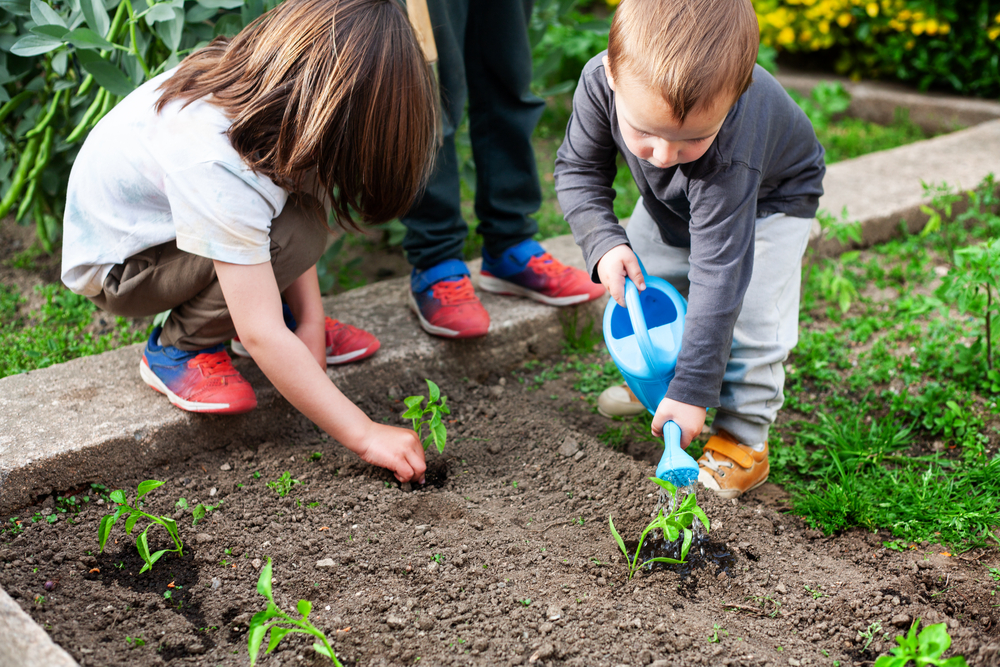
Imagine stepping outside to a lush, green oasis that not only refreshes your senses but also makes a significant positive impact on the environment. Planting a garden is more than just a hobby; it’s your personal contribution to a healthier planet.
You might wonder how such a simple act can create ripple effects on a global scale. This is your chance to explore the fascinating ways your garden can combat climate change, enhance biodiversity, and purify the air you breathe. As you dig deeper into this topic, you’ll discover practical insights and powerful reasons to roll up your sleeves and start planting.
Ready to uncover the secrets of how your garden can be a green powerhouse? Let’s delve into the remarkable benefits of gardening for the environment.

Credit: www.instagram.com
Benefits Of Planting Gardens
Planting a garden supports the environment by improving air quality. Plants absorb carbon dioxide and release oxygen, enhancing air freshness. Gardens also aid in soil conservation, preventing erosion and promoting healthy ecosystems.
Planting a garden is more than just a hobby; it’s a simple yet profound way to contribute to the health of our planet. Gardens provide numerous environmental benefits that can make a noticeable difference in your local ecosystem. By understanding these benefits, you can not only enhance your gardening skills but also play a pivotal role in nurturing the environment.Air Quality Improvement
Gardens act as natural air purifiers. Plants absorb carbon dioxide and release oxygen during photosynthesis, helping to maintain a balanced atmosphere. Imagine breathing in the fresh air around a garden you nurtured—it’s a reward that benefits both you and the planet. Moreover, plants can filter harmful pollutants, such as nitrogen oxides and ammonia, from the air. This natural filtration process can significantly reduce air pollution levels in urban areas. Is there a better way to contribute to cleaner air than by simply planting a garden?Soil Health Enhancement
Healthy soil is the foundation of a thriving garden. By planting various types of plants, you can enhance soil fertility and structure. This process allows for better water retention and reduces erosion, which is crucial in preventing nutrient loss. Using compost in your garden not only enriches the soil but also reduces the need for chemical fertilizers. This sustainable practice supports soil microorganisms, contributing to a robust ecosystem. Have you ever wondered how much life is beneath your feet?Biodiversity Support
Gardens can be a sanctuary for a diverse range of species. By planting a variety of flowers and shrubs, you create habitats for insects, birds, and other wildlife. This biodiversity is essential for pollination and maintaining ecological balance. Consider planting native species that attract local pollinators such as bees and butterflies. These small efforts can lead to significant biodiversity gains in your garden. What steps are you taking to make your garden a haven for nature’s tiny wonders? Planting a garden is a rewarding endeavor that offers numerous environmental benefits. By improving air quality, enhancing soil health, and supporting biodiversity, you can make a meaningful impact on the environment right from your backyard. What will your next garden project look like?Reducing Carbon Footprint
Planting a garden absorbs carbon dioxide, reducing air pollution. It also provides oxygen and supports biodiversity. Gardens create green spaces, improving urban environments and promoting ecological balance.
Reducing carbon footprint by planting a garden benefits the environment. Gardens absorb carbon dioxide from the air. This process helps reduce greenhouse gases. Planting trees and plants leads to a cleaner atmosphere. A garden also offers energy-saving benefits. Let’s explore these aspects further.Carbon Sequestration
Plants play a crucial role in carbon sequestration. They absorb carbon dioxide during photosynthesis. This natural process reduces atmospheric carbon levels. Trees and shrubs store carbon in their trunks and roots. More plants mean more carbon gets captured. Even small gardens make a difference.Energy Savings
Gardens help save energy in various ways. They provide shade and cooling to homes. This reduces the need for air conditioning. Less energy use lowers carbon emissions. Plants also reduce the heat island effect in cities. Cooler surroundings result in less energy consumption. A simple garden can lead to significant energy savings.Water Conservation Strategies
Planting a garden boosts the environment by absorbing carbon dioxide and releasing oxygen. It helps conserve water through improved soil health, reducing runoff. Gardens also support local biodiversity, providing habitats for various species.
Planting a garden is more than just a hobby—it’s a powerful way to contribute to the environment. One of the key benefits lies in its potential for water conservation. By implementing smart water conservation strategies, your garden can thrive while being kinder to our planet’s precious resources. Let’s explore how you can make your garden a beacon of sustainability.Rainwater Harvesting
Collecting rainwater is an effective way to conserve water and reduce your dependency on municipal supplies. Imagine setting up a simple rain barrel under your gutter’s downspout. This barrel can collect gallons of water each time it rains, which you can then use to water your garden during dry spells. Consider the impact: instead of letting rainwater wash away, you’re making it work for your garden. It’s an easy, sustainable practice that can make a big difference. Plus, using rainwater is often better for plants as it’s free from chemicals found in tap water.Efficient Irrigation Techniques
How you water your garden matters. Drip irrigation systems are a brilliant solution. They deliver water directly to the plant roots, minimizing evaporation and runoff. These systems are easy to set up and can be automated to save you time. You could set them to water early in the morning or late in the evening, times when evaporation rates are lower. This means more water reaches your plants, and less is wasted. Think about this: could changing the way you water your garden help conserve water and still keep your plants healthy? Efficient irrigation is a small change with a substantial environmental payoff.
Credit: www.morningagclips.com
Promoting Local Ecosystems
Planting a garden does wonders for local ecosystems. It breathes life into the environment, fostering biodiversity and enhancing the natural balance. As plants grow, they offer shelter and food to various creatures, supporting the intricate web of life. Gardens act as small but vital ecosystems, sustaining wildlife and improving ecological health.
Habitat Creation
Gardens provide habitats for many species. Native plants attract local wildlife, offering safe spaces. Birds, insects, and small mammals find refuge among the greenery. This habitat supports the survival of diverse species. As plants mature, they create micro-environments crucial for ecosystem balance.
Pollinator Attraction
Flowers in gardens are magnets for pollinators. Bees, butterflies, and hummingbirds flock to them. They transfer pollen, aiding plant reproduction. This process ensures plants bear fruit and seeds. Pollinators are essential for a thriving ecosystem. Their presence boosts plant growth and health.
Educational Opportunities
Planting a garden enriches the environment by improving air quality and promoting biodiversity. Gardens absorb carbon dioxide and provide habitats for various species, supporting a balanced ecosystem.
Planting a garden is more than just a hobby; it offers a wealth of educational opportunities for both children and adults. From understanding the life cycle of plants to grasping the importance of ecosystems, gardening acts as a living classroom. It fosters curiosity, encourages questions, and deepens your connection with nature.Community Engagement
Gardening has the power to bring people together. Community gardens serve as a hub for shared knowledge and collective effort. Imagine neighbors sharing tips, swapping seeds, and celebrating the fruits of their labor together. Creating such spaces encourages teamwork and strengthens community bonds. You might find yourself learning from a fellow gardener’s experience or teaching children how to plant their first seed. This shared activity not only builds relationships but also creates a culture of sustainability within the community.Environmental Awareness
Gardening is a hands-on lesson in environmental stewardship. When you plant a garden, you directly engage with the natural world, gaining insights into soil health, water conservation, and biodiversity. Consider the impact of witnessing a bee pollinate your plants or understanding the role of earthworms in enriching the soil. These experiences highlight the delicate balance of ecosystems and the importance of preserving them. Gardening also encourages you to think critically about issues like waste reduction and pesticide use. You start to appreciate the value of organic practices and sustainable living. Have you ever wondered how your daily choices affect the planet? A garden can be the first step in finding those answers.Urban Gardening Benefits
Planting a garden improves air quality by absorbing carbon dioxide and releasing oxygen. It also reduces urban heat by providing shade and cooling the environment. Plus, gardens support biodiversity, offering habitats for various insects and small animals.
Urban gardening is more than just a trend—it’s a powerful way to boost the environment in cities. Imagine turning a dull urban space into a lively green area. This transformation not only beautifies the city but also brings numerous environmental benefits. Let’s dive into how urban gardening can make a difference.Reducing Urban Heat
Urban areas can become heat islands due to concrete and asphalt absorbing the sun’s heat. By adding gardens, you can help cool down these spaces. Plants release moisture into the air, lowering temperatures and making city life more comfortable. Have you ever noticed how much cooler it feels under a tree’s shade? That’s the power of greenery. By planting a garden, you create little oases of coolness that can reduce the need for air conditioning. Plus, these green areas can absorb carbon dioxide, improving air quality.Improving Urban Spaces
Gardens can turn neglected city corners into vibrant community spots. Imagine a vacant lot transformed into a community garden where neighbors gather, share tips, and grow fresh produce. These gardens offer more than just vegetables; they provide a sense of community and shared purpose. By creating spaces for people to connect, you’re also contributing to mental well-being. A simple patch of green can become a place for relaxation, reflection, and social interaction. Urban gardening isn’t just a hobby—it’s a movement that brings cities closer to nature. Have you considered how you can start a garden in your own urban space? The benefits extend beyond the environment, impacting social ties and personal well-being.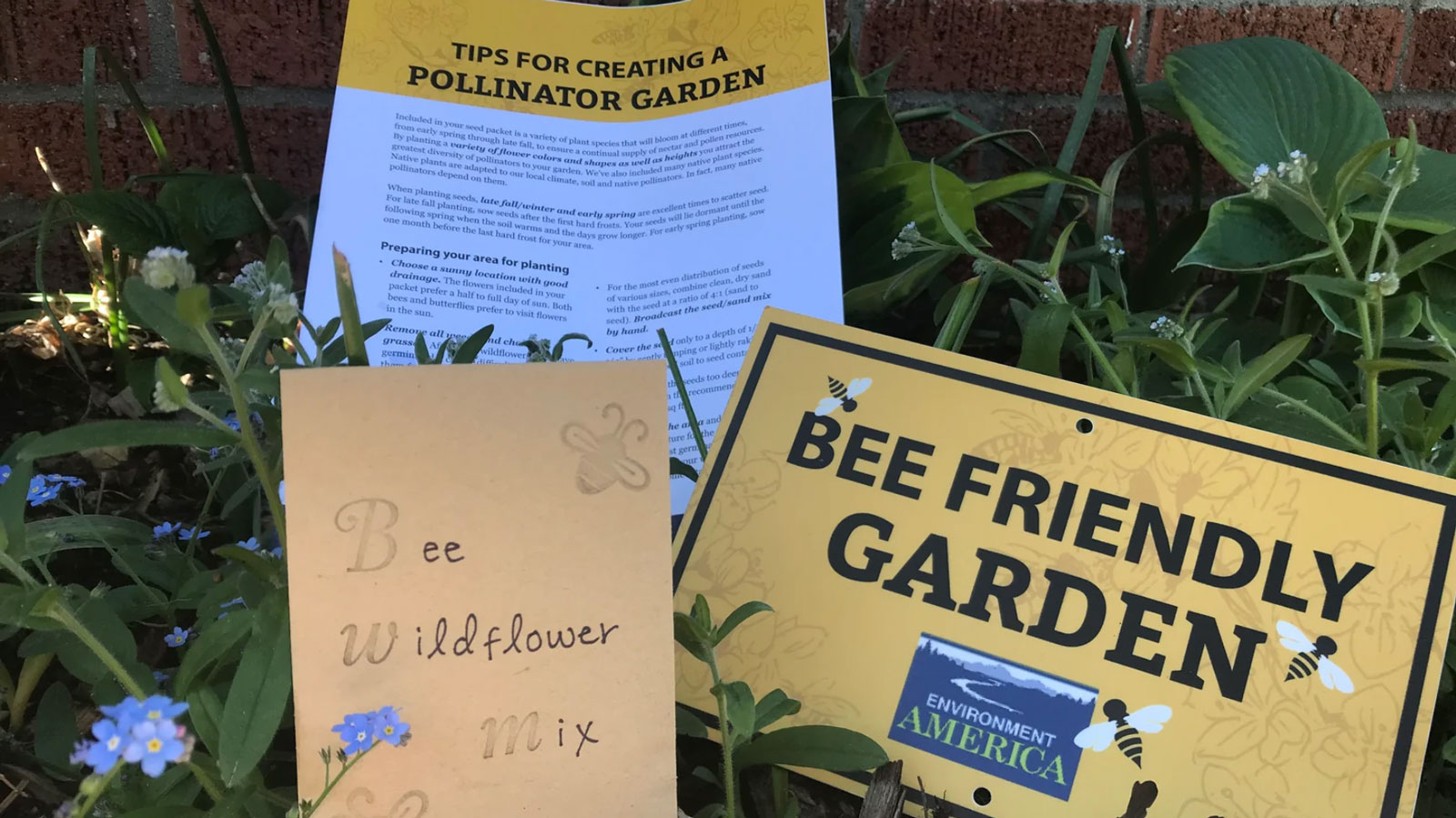
Credit: environmentamerica.org
Frequently Asked Questions
How Does Gardening Improve Air Quality?
Gardening enhances air quality by absorbing pollutants and releasing oxygen. Plants filter harmful substances, reducing pollution levels. Trees and shrubs act as natural air purifiers. They trap dust and produce fresh oxygen, contributing to cleaner air. This helps combat urban pollution and improves overall environmental health.
Can Gardening Reduce Carbon Footprint?
Gardening reduces carbon footprint by absorbing carbon dioxide and producing oxygen. Plants sequester carbon, mitigating climate change effects. By growing your own food, you reduce transportation emissions. Composting garden waste further decreases carbon output. Sustainable gardening practices contribute significantly to reducing environmental impact.
What Role Do Gardens Play In Biodiversity?
Gardens support biodiversity by providing habitats for various species. Native plants attract pollinators like bees and butterflies. Diverse plant life fosters a balanced ecosystem. Gardens offer food and shelter, aiding wildlife conservation. They create microhabitats and maintain ecological balance, promoting species diversity.
How Does Gardening Conserve Water?
Gardening conserves water through efficient practices like mulching and drip irrigation. Native plants require less water, reducing overall consumption. Rainwater harvesting and smart watering techniques minimize wastage. These methods ensure sustainable water use, preserving this vital resource and benefiting the environment.
Conclusion
Planting a garden benefits the environment in many ways. It reduces carbon footprint. Plants absorb carbon dioxide. They release oxygen, cleaning the air. Gardens support local wildlife. Bees, butterflies, and birds thrive. Soil quality improves, preventing erosion. Water management becomes efficient.
Rainwater gets absorbed, reducing runoff. Gardens offer fresh food too. Less transportation needed for veggies. This cuts pollution. Creating a garden can also lower stress. Nature calms the mind. Start small. Every plant counts. Feel good knowing you help Earth.
Gardening is simple. It makes a big difference. Join the green movement today. Plant a garden. Make an impact.







