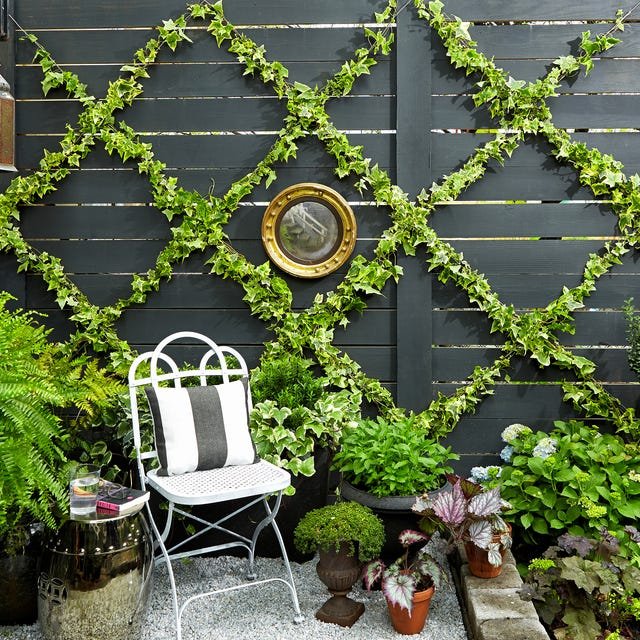
Imagine stepping into your own little green oasis, a place where you can unwind, relax, and let the beauty of nature captivate your senses. Designing a small garden might seem challenging, but it can be an incredibly rewarding experience.
Whether you have a tiny backyard or just a balcony, you can transform any space into a lush sanctuary. You hold the power to create a personal paradise filled with vibrant plants, cozy corners, and charming features. We will explore how you can design a small garden that not only maximizes space but also reflects your personal style.
You’ll discover creative tips and tricks to turn your vision into reality, ensuring that every inch of your garden is both functional and beautiful. With the right guidance, your garden can become the envy of your neighborhood, and every photo you take will tell a story of serenity and charm. Dive in, and let’s unlock the potential of your small garden together.

Credit: thedesignfiles.net
Garden Layout Ideas
Designing a small garden can be simple with the right photos for inspiration. Use pathways to create flow. Add vertical elements like trellises to maximize space.
Garden Layout Ideas Designing a small garden can be both rewarding and challenging. A thoughtful layout maximizes every inch and creates a harmonious outdoor space. Whether it’s for relaxation, growing vegetables, or aesthetic appeal, a well-planned garden is key. Here are some ideas to help you design a beautiful small garden.
Maximizing Space
Efficient use of space is crucial for small gardens. Vertical planting is a great technique. Use trellises, wall planters, or hanging pots to grow upwards. This not only saves ground space but also adds visual interest. Consider multi-functional furniture. Benches with storage or foldable tables can save space while being practical. Choose plants wisely. Opt for compact, dwarf, or multi-seasonal varieties. They offer beauty without overwhelming your garden.
Creating Zones
Dividing your garden into zones creates a sense of order. It helps organize different activities. Use pathways or low hedges to define these zones. One zone could be for seating and another for planting. This approach keeps the garden tidy and focused. Use color and texture to differentiate areas. Darker hues can make spaces feel larger. Light colors create a calming effect. Each zone can have its own theme, adding diversity to your garden design.

Credit: www.goodhousekeeping.com
Plant Selection Tips
Choosing the right plants can transform a small garden into a beautiful space. Opt for compact, colorful varieties that complement your design. Consider plant height and sunlight needs to create harmony and balance.
Choosing the right plants is crucial to designing a small garden that thrives and enchants. The key lies in selecting plants that not only fit your space but also align with your gardening style and climate. With thoughtful choices, your small garden can become a vibrant oasis.
Choosing Low-maintenance Plants
Opt for plants that require minimal care, especially if you have a busy lifestyle. Succulents and native grasses are excellent options as they are hardy and drought-resistant. These plants thrive with little water and can withstand various weather conditions, making them ideal for those who prefer less frequent gardening tasks. Consider perennials like lavender or rosemary. They not only add beauty but also offer aromatic benefits. Their resilience means they come back year after year, saving you time and effort in replanting.
Incorporating Color And Texture
A small garden should be a feast for the eyes. Think about how different colors and textures can create visual interest. Use a mix of flowering plants and foliage to add layers and depth to your garden design. Consider plants with vibrant blooms like marigolds or petunias. Their bright colors can make your garden pop and attract pollinators. Pair them with plants that have contrasting foliage, such as ferns or hostas, to add texture. Layering plants of varying heights can add dimension to your garden. Taller plants at the back and shorter ones at the front create a tiered effect that makes your small space appear larger. What colors and textures speak to your personal style? Your choices can transform your garden into a unique reflection of you.
Decorative Elements
Small garden photos come to life with decorative elements. Utilize colorful pots, quirky statues, and vibrant flowers to enhance charm. Paths and lighting can add depth, turning a tiny space into a visual delight.
Decorative elements transform a small garden into a charming oasis. They add personality and style to your outdoor space. Thoughtful decoration creates a welcoming atmosphere. It enhances the visual appeal of your garden. Let’s explore some creative ways to introduce decorative elements.
Adding Garden Art
Garden art can bring life to your garden. Choose pieces that reflect your style. Statues, sculptures, and wind chimes make great additions. Opt for weather-resistant materials for durability. Art pieces can serve as focal points. Arrange them thoughtfully to guide the eye.
Using Lighting Effectively
Lighting can change the mood of your garden. Use solar lights for an eco-friendly option. Place lights along pathways for safety and beauty. Highlight special features with spotlights. String lights create a cozy atmosphere. Experiment with colors and intensities. Proper lighting extends garden use into the evening.
Sustainable Practices
Creating a small garden with sustainable practices is both rewarding and eco-friendly. It involves using methods that protect the environment while enhancing your garden’s beauty. By focusing on water conservation and selecting eco-friendly materials, you can design a garden that thrives naturally.
Water Conservation Techniques
Efficient water use is essential in a sustainable garden. Start by collecting rainwater in barrels. This reduces dependency on tap water and saves resources. Implementing drip irrigation systems directs water straight to plant roots. This minimizes waste and ensures plants get the moisture they need. Another effective method is mulching. It keeps the soil moist by reducing evaporation and suppresses weeds. Select drought-resistant plants, which require less water and thrive in dry conditions.
Eco-friendly Materials
Using eco-friendly materials in your garden promotes sustainability. Choose recycled materials for garden paths and borders. They offer durability without harming the environment. Opt for natural fertilizers like compost, enhancing soil health without chemicals. Bamboo and reclaimed wood are excellent options for garden structures. They are renewable and blend beautifully with the landscape. Look for biodegradable pots instead of plastic. They decompose naturally and reduce waste.
Seasonal Changes
Designing a small garden requires thoughtful consideration of seasonal changes. Each season brings unique challenges and opportunities for your garden. Understanding these shifts helps maintain a vibrant garden throughout the year. This section explores how to adapt and maintain appeal during different seasons.
Adapting To Different Seasons
Seasonal changes impact plant selection and garden layout. In spring, choose plants that thrive in mild temperatures. Bright flowers can add a splash of color to your garden photos. Summer demands heat-tolerant plants. Consider installing shading structures to protect delicate plants from harsh sunlight.
Autumn brings cooler temperatures and falling leaves. Opt for plants with vibrant foliage to enhance visual interest. In winter, focus on evergreens. They maintain structure and provide greenery when other plants are dormant.
Maintaining Year-round Appeal
To maintain year-round appeal, plan for variety in plant types and colors. Include a mix of perennials and annuals for continuous blooms. Use evergreens and ornamental grasses for structure and texture. Mulching helps retain moisture and suppress weeds, enhancing garden aesthetics.
Regular pruning keeps plants healthy and neat. Adjust your watering schedule based on seasonal needs. In winter, reduce watering to prevent root rot. Capture the beauty of each season in your garden photos, showcasing vibrant colors and lush greenery.

Credit: www.elledecor.com
Photography Tips
Capture the essence of a small garden by focusing on details. Use natural light for vibrant colors. Experiment with angles to highlight unique features.
Taking stunning photographs of your small garden can transform your space into a captivating visual story. With the right photography tips, you can capture the beauty and essence of your garden’s unique features. Whether you’re using a smartphone or a DSLR, understanding the basics of garden photography will enhance your skills and bring your garden to life in photos.
Capturing The Best Angles
The angle from which you take a photo can dramatically change its impact. Experiment with different perspectives to find the most flattering view of your garden. Try crouching down for a ground-level shot to create a sense of depth and immerse the viewer in the greenery. Consider the sunlight when choosing your angle. Early morning or late afternoon light, known as the golden hour, provides a soft and warm glow that enhances the natural beauty of your plants. This lighting can make colors pop and shadows softer, adding a magical touch to your photos.
Highlighting Unique Features
Every garden has its own unique features that set it apart. Focus on these elements to create distinctive and memorable photos. Whether it’s a quaint birdbath, a winding pathway, or a striking flower, make it the centerpiece of your shot. Think about what makes your garden special. Maybe it’s the way the light filters through the leaves or the texture of a stone wall. Highlight these features by using contrasting colors and textures to draw attention to them. Use close-up shots to capture the details that might be missed in a wider view. The intricate patterns on a leaf or the delicate petals of a flower can become the focal point of your photograph, inviting viewers to appreciate the finer details of your garden. Remember, the key to great garden photography is patience and experimentation. What unique perspective will you discover in your own garden?
Frequently Asked Questions
How To Start Designing A Small Garden?
Begin by assessing your space and sunlight exposure. Choose plants suitable for your climate. Use vertical gardening to save space. Incorporate focal points like small water features or sculptures. Plan pathways for easy access. Create zones for different plant types or activities.
This approach ensures a balanced and functional garden design.
What Are The Best Plants For Small Gardens?
Opt for compact, dwarf, or climbing plants to maximize space. Consider herbs like basil or mint for versatility. Use perennials such as lavender or hostas for low maintenance. Incorporate colorful annuals for seasonal interest. These choices provide variety and beauty in small gardens.
How Can I Make A Small Garden Look Bigger?
Use mirrors to reflect light and create the illusion of space. Choose light colors for fences and walls. Layer plants of varying heights for depth. Incorporate vertical elements like trellises. These strategies can make a small garden feel more expansive.
What Are Low-maintenance Garden Design Ideas?
Select drought-tolerant plants to reduce watering needs. Use mulch to retain soil moisture and suppress weeds. Opt for perennials over annuals for minimal replanting. Incorporate automated irrigation systems. These ideas help maintain a beautiful garden with less effort.
Conclusion
Designing a small garden can be simple and fun. Start with a clear plan. Choose plants that thrive in your climate. Consider the garden’s light and space. Use colors and textures for a lively look. Add paths or stepping stones for easy access.
Vertical gardens save space and look great. Remember to include seating for relaxation. Maintenance should be easy, so pick low-care plants. With a thoughtful approach, a small garden becomes a peaceful retreat. Enjoy the beauty and tranquility right at home.
Your little paradise awaits!







